
Las Vegas, often hailed as the Entertainment Capital of the World, is a city synonymous with grandeur, opulence, and an insatiable appetite for offering unforgettable experiences. From its dazzling casinos and world-class shows to gourmet dining and high-energy nightlife, millions of visitors flock to this Nevada oasis each year, drawn by its unique allure. But for a city that thrives on tourism, one question consistently stands out for those planning a visit or simply curious about its massive scale: how many hotel rooms does Las Vegas actually have? The answer is not just a simple number; it’s a testament to the city’s strategic development, its unwavering commitment to hospitality, and its continuous evolution as a global travel destination. Understanding the sheer volume of accommodation options provides a fascinating glimpse into the logistical marvel that underpins the Las Vegas experience, influencing everything from booking trends to the very fabric of its vibrant tourism economy.
The Astonishing Scale of Las Vegas Accommodation
At its core, Las Vegas is a city built to entertain and accommodate. The scale of its hospitality sector is truly astounding, designed to cater to a diverse array of visitors ranging from high-rollers seeking exclusive luxury to families on a budget vacation, and from business professionals attending large conventions to couples enjoying a romantic getaway. This multifaceted demand necessitates an enormous and varied inventory of rooms, far surpassing that of most other major tourist destinations.
A City Built on Hospitality
To truly grasp the magnitude of Las Vegas’s accommodation offerings, one must consider its raison d’être. Unlike many cities that grew organically around industry or trade, Las Vegas was intentionally developed as a tourist and entertainment hub. This singular focus has driven the construction of some of the largest hotels and resorts in the world, each designed not just to house guests, but to immerse them in an experience. While exact figures fluctuate due to ongoing renovations, new constructions, and reclassifications, the overall number of hotel rooms in Las Vegas consistently hovers around a staggering 150,000 to 155,000 rooms across the metropolitan area, with the vast majority concentrated on or near the iconic Las Vegas Strip. This colossal capacity is essential for several reasons. Las Vegas is a premier destination for major conventions and trade shows, such as the CES (Consumer Electronics Show), which can attract hundreds of thousands of attendees. Furthermore, the city hosts countless leisure travelers, major sporting events at venues like Allegiant Stadium and T-Mobile Arena, concerts by world-renowned artists, and a steady stream of weddings and celebrations. Each of these events contributes to a consistently high demand for lodging, making the sheer volume of rooms a critical component of the city’s economic engine and its global reputation as a vibrant tourism powerhouse.
Defining “Hotel Room” in Las Vegas
When we talk about hotel rooms in Las Vegas, it’s important to understand that the definition extends far beyond a standard single or double room. The city’s accommodation landscape is incredibly diverse, reflecting the varied preferences and budgets of its visitors. Many of the prominent resorts, particularly on the Las Vegas Strip, primarily offer suites rather than conventional rooms. These can range from junior suites with separate living areas to multi-bedroom, multi-level villas that redefine luxury, complete with private pools, butler service, and panoramic views.
The distinction is crucial. Resorts like The Venetian Resort Las Vegas and its sister property, The Palazzo, famously boast that all their units are suites, significantly enhancing the guest experience by providing more space and amenities. Similarly, properties like Vdara Hotel & Spa and Waldorf Astoria Las Vegas often feature larger, apartment-style accommodations, catering to those seeking a more residential feel or longer stays. This variety means that while the raw number of “rooms” is impressive, the actual capacity in terms of guest comfort and space is even more remarkable. Serviced apartments, timeshares, and luxury villas also contribute to the overall lodging ecosystem, though they might not always be counted in the traditional “hotel room” statistics reported by gaming commissions or tourism boards. This rich tapestry of accommodation options ensures that whether a traveler is looking for an opulent retreat, a budget-friendly base, or a spacious family suite, Las Vegas has something to offer, solidifying its status as a versatile and accessible destination for global tourism.
The Major Players: Iconic Resorts and Their Room Counts
The immense number of hotel rooms in Las Vegas isn’t spread evenly across hundreds of small establishments. Instead, it’s largely concentrated within a handful of colossal mega-resorts, particularly those that line the famous Las Vegas Strip. These integrated resorts are destinations in themselves, offering everything a visitor could desire under one roof.
The Titans of the Strip
The Las Vegas Strip is home to some of the world’s most recognizable and largest hotels, each a landmark in its own right. These properties are not just hotels; they are self-contained ecosystems offering extensive gaming floors, dozens of restaurants, sprawling convention spaces, elaborate swimming pools, high-end shopping, and world-class entertainment venues. Their sheer size and comprehensive amenities significantly contribute to the city’s massive room count.
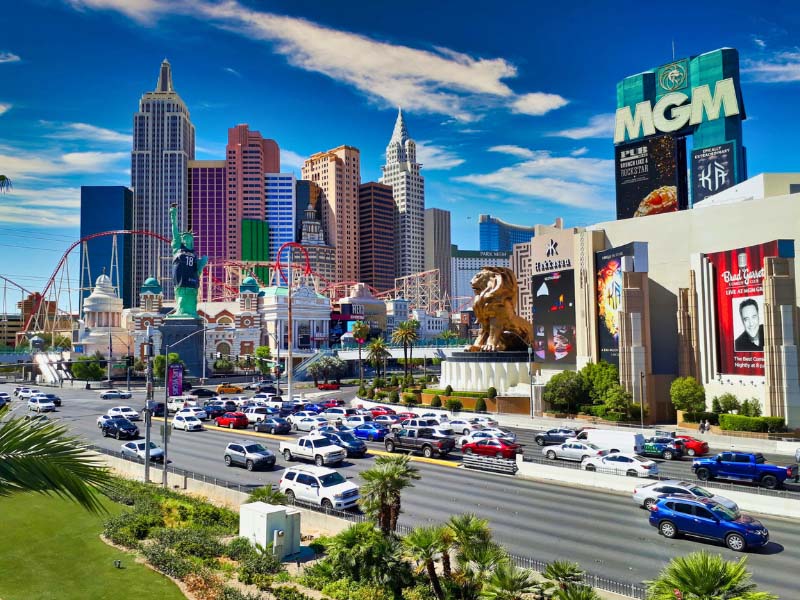
Leading the charge in terms of room inventory is the MGM Grand. Often cited as the largest single hotel in the United States by number of rooms, it boasts approximately 5,044 rooms and suites. Its iconic lion statue and vibrant atmosphere make it a cornerstone of the Las Vegas experience. Close behind is the majestic The Venetian Resort Las Vegas, which, when combined with its opulent sister property, The Palazzo, offers a staggering total of over 7,000 suites. This complex alone accounts for a significant portion of the city’s luxury accommodation.
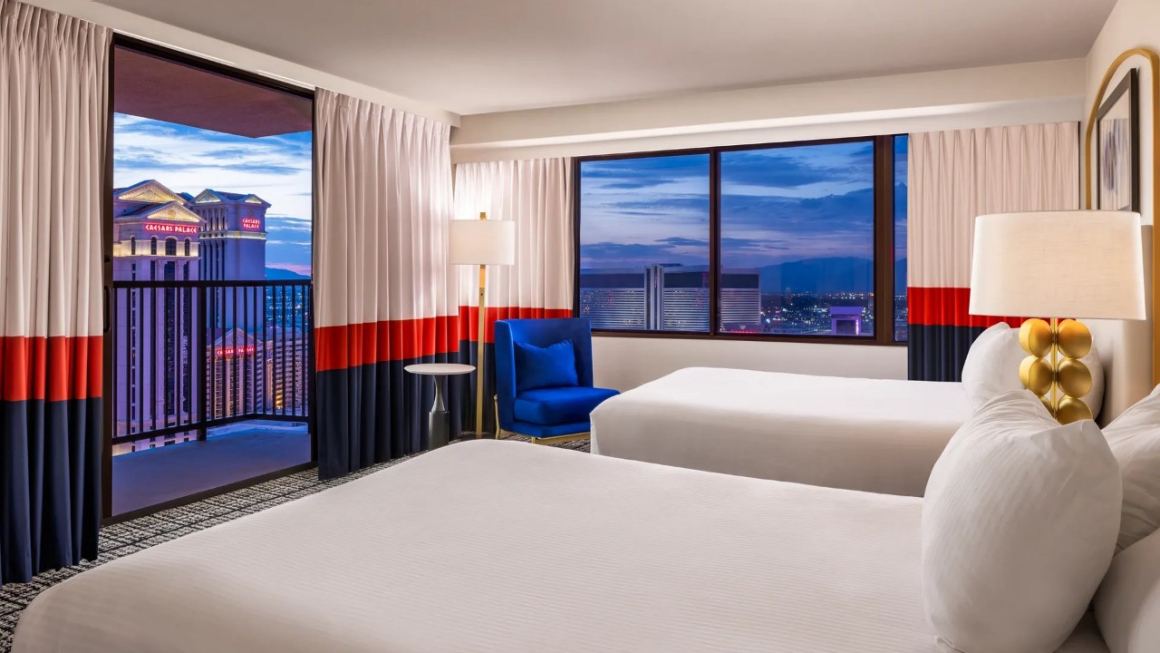
Other titans include Caesars Palace, an iconic Roman-themed resort that has expanded considerably over the decades and now features approximately 3,980 rooms and suites across multiple towers. The elegant Bellagio, famous for its dancing fountains, offers around 3,933 rooms and suites, providing a blend of luxury and classic Las Vegas charm. Not to be outdone, the sophisticated Wynn Las Vegas and Encore at Wynn Las Vegas properties collectively provide over 4,700 exquisitely designed rooms and suites, catering to a high-end clientele.
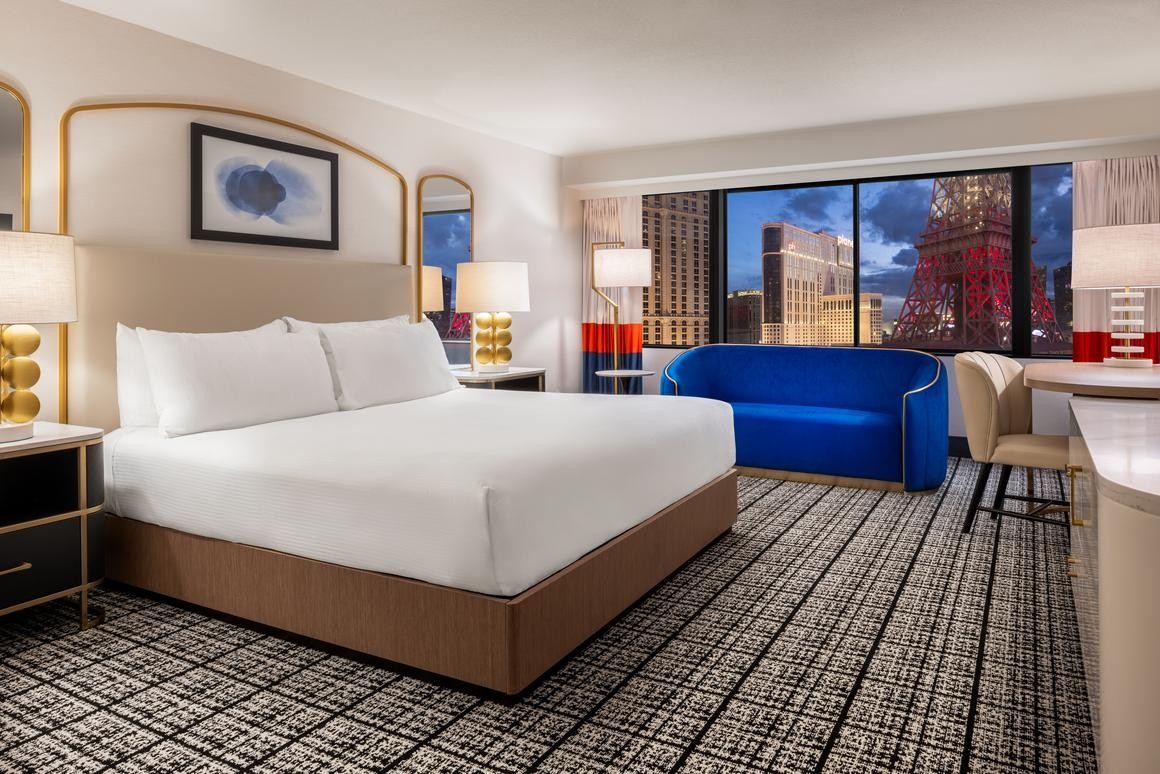
Beyond these giants, other notable Strip properties with substantial room counts include the futuristic ARIA Resort & Casino (over 4,000 rooms), the trendy Cosmopolitan of Las Vegas (over 3,000 rooms), the Eiffel Tower-adorned Paris Las Vegas (over 2,900 rooms), and the pyramid-shaped Luxor Hotel and Casino (over 4,400 rooms). The list continues with resorts like Mandalay Bay Resort and Casino (over 3,200 rooms), Excalibur Hotel & Casino (nearly 4,000 rooms), Flamingo Las Vegas (over 3,600 rooms), The LINQ Hotel + Experience (over 2,200 rooms), Mirage Hotel & Casino (over 3,000 rooms), Treasure Island Hotel & Casino (TI) (over 2,800 rooms), and Planet Hollywood Resort & Casino (over 2,500 rooms). This concentration of thousands of rooms within each resort contributes immensely to the overall inventory, making the Las Vegas Strip a singular phenomenon in global hospitality.
Downtown and Off-Strip Options
While the Las Vegas Strip garners most of the attention, the city’s hotel room count is also significantly bolstered by vibrant options in Downtown Las Vegas and various off-strip locations. These areas offer different flavors of the Las Vegas experience, often at a more accessible price point, and cater to distinct segments of the tourism market.
Downtown Las Vegas, centered around the Fremont Street Experience, is the historic heart of the city and home to classic casinos and hotels that predate the Strip’s mega-resorts. Properties like the Golden Nugget, with over 2,400 rooms, and the Fremont Hotel & Casino, with over 400 rooms, offer a nostalgic yet energetic atmosphere. The revitalized Downtown Las Vegas has seen significant investment in recent years, drawing visitors interested in a more walkable, old-school Vegas vibe, complemented by modern culinary and entertainment options.
Beyond the Strip and downtown, a network of off-strip resorts caters to a mix of locals and tourists seeking specific amenities or a slightly quieter experience. These include destinations like Red Rock Casino Resort & Spa and South Point Hotel, Casino & Spa, both offering hundreds of rooms along with extensive gaming, dining, and entertainment, often geared towards families or those attending events at nearby convention centers. These hotels provide a crucial supplement to the Strip’s inventory, ensuring that Las Vegas can comfortably host large events and conferences that utilize facilities like the Las Vegas Convention Center or the former Sands Expo and Convention Center without overcrowding the central corridor. The existence of these diverse options also impacts pricing, offering budget-friendly alternatives that ensure accessibility for a wider range of travelers, from those on luxury excursions to those seeking an economical family trip.
Beyond the Numbers: The Impact on Tourism and Lifestyle
The sheer number of hotel rooms in Las Vegas is more than just a statistic; it profoundly shapes the city’s tourism landscape, influences operational logistics, and defines the lifestyle choices available to its millions of visitors each year. This colossal capacity is both a challenge and an opportunity, driving innovation in hospitality and ensuring the city remains a top-tier global destination.
Managing Such a Vast Inventory
Operating a city with over 150,000 hotel rooms is an organizational feat of epic proportions. The logistics involved in maintaining these properties are staggering. Consider the daily routines: thousands of housekeepers are employed to clean and prepare rooms for incoming guests; maintenance crews are constantly at work ensuring everything from plumbing to complex electrical systems functions perfectly; and an army of hospitality professionals, from front desk staff to concierges, manages guest services around the clock. The scale of staffing alone is immense, with the tourism and hospitality sectors being the largest employers in the region.
Despite the enormous number of rooms, Las Vegas consistently maintains some of the highest occupancy rates in the United States. This is a testament to the city’s effective marketing, its appeal as a diverse destination, and its ability to draw visitors for a wide range of purposes. Occupancy rates typically fluctuate with seasonality, reaching peaks during major conventions like CES (Consumer Electronics Show), holiday weekends, and significant sporting or entertainment events. Low seasons, usually late summer or early winter, often see hotels offering more competitive rates to maintain healthy occupancy. This dynamic balance between supply and demand is meticulously managed through sophisticated pricing strategies, loyalty programs, and targeted promotions. The successful management of this vast inventory not only ensures a smooth experience for visitors but also underpins the entire local economy, providing jobs, generating tax revenue, and sustaining a vibrant community around the tourism industry.
The Guest Experience: What These Rooms Offer
The diversity of Las Vegas’s hotel inventory directly translates into a rich tapestry of guest experiences, catering to virtually every taste and budget imaginable. For the luxury traveler, resorts like Wynn Las Vegas, Encore at Wynn Las Vegas, Bellagio, ARIA Resort & Casino, Four Seasons Hotel Las Vegas, and Waldorf Astoria Las Vegas offer exquisite suites, world-class spas, Michelin-starred dining, and personalized service, defining the pinnacle of high-end travel. These properties often feature private pools, exclusive lounges, and bespoke amenities that elevate a stay into an unforgettable retreat, perfectly embodying the “luxury travel” lifestyle.
Conversely, for those on a budget travel adventure, properties like Excalibur Hotel & Casino or Flamingo Las Vegas provide comfortable, clean rooms at more affordable price points, ensuring that the Las Vegas experience is accessible to a broader audience. These hotels still offer a full range of amenities, including pools, restaurants, and entertainment, proving that an economical trip doesn’t mean sacrificing the fun.
Families planning a trip will find numerous family-friendly options, such as Mandalay Bay Resort and Casino with its famous beach and wave pool, or Circus Circus Hotel & Casino (not linked previously, so not linking here), known for its indoor amusement park. These resorts are designed with activities and facilities that cater to children and adults alike, making them ideal for family vacations.
Business travelers, on the other hand, benefit from the extensive convention facilities integrated into many resorts, along with dedicated business centers, meeting rooms, and executive suites. Hotels like The Venetian Resort Las Vegas and ARIA Resort & Casino are particularly well-equipped for business stays, offering seamless transitions from conference rooms to fine dining and entertainment.
Ultimately, the vast number of rooms allows Las Vegas to be an all-encompassing destination. Guests can choose accommodations based on their desired lifestyle, from opulent indulgence to practical comfort, ensuring that their stay complements their overall travel experience, whether they’re exploring iconic landmarks like the nearby Hoover Dam and Grand Canyon, enjoying local culture, or simply unwinding by a resort pool.
The Future of Las Vegas Accommodation
The Las Vegas hospitality industry is never static; it’s a constantly evolving landscape where innovation and reinvention are key to maintaining its competitive edge. The city’s future accommodation strategy builds on its strengths while adapting to new trends and visitor expectations, ensuring its room count and offerings continue to grow and diversify.
New Developments and Renovations
Despite its already immense room count, Las Vegas continues to invest heavily in new developments and extensive renovations. This commitment to modernization is vital for keeping properties fresh, competitive, and aligned with contemporary guest demands. Recent additions like Resorts World Las Vegas, which opened in 2021 with nearly 3,500 rooms, demonstrated the city’s ongoing capacity for large-scale, integrated resort construction. Similarly, the long-anticipated Fontainebleau Las Vegas, opening in late 2023, adds another significant chunk of luxury rooms (over 3,600) to the Strip’s northern end. These new properties not only increase the total room count but also introduce cutting-edge design, new culinary concepts, and advanced technological amenities, setting new standards for the guest experience.
Beyond brand-new builds, many existing resorts undergo multi-million dollar renovations to refresh their rooms, update public spaces, and introduce new attractions. This continuous cycle of improvement is essential for these older, large-scale properties to remain relevant and attractive to a new generation of travelers. Renovation trends often include a focus on modern aesthetics, enhanced in-room technology, and a greater emphasis on sustainability, incorporating energy-efficient systems and responsible resource management practices. These efforts ensure that even venerable Las Vegas institutions continue to offer world-class accommodation for decades to come.
Evolving Trends in Hospitality
The Las Vegas hospitality sector is also adept at responding to broader industry trends. One significant shift has been the rise of non-gaming resorts or properties where gaming is less central to the overall experience. Virgin Hotels Las Vegas, for example, transformed the former Hard Rock Hotel into a more lifestyle-focused property, emphasizing music, wellness, and unique dining experiences. This trend acknowledges a growing segment of travelers who visit Las Vegas primarily for its entertainment, culinary scene, conventions, or outdoor attractions, rather than solely for gambling.
While vacation rentals like Airbnb and VRBO have made inroads in many tourist destinations, Las Vegas has largely maintained the dominance of its traditional hotel and resort model. The integrated resort experience, with its extensive amenities, security, and convenience, often remains the preferred choice for visitors, especially on the Strip. The city’s regulations also tend to favor traditional accommodation, preserving the unique character and controlled environment that defines the Las Vegas experience.
Looking ahead, the city is likely to continue its trajectory of large-scale development and continuous reinvestment. The demand for rooms remains robust, driven by global tourism, a booming convention industry, and the increasing appeal of Las Vegas as a sports and entertainment hub. The future of Las Vegas accommodation will undoubtedly feature more integrated resorts offering highly curated experiences, greater technological integration within rooms and public spaces, and an even broader spectrum of choices to cater to the ever-evolving needs of the modern traveler. The goal, as always, will be to ensure that every visitor finds not just a room, but a memorable stay tailored to their perfect Las Vegas adventure.
LifeOutOfTheBox is a participant in the Amazon Services LLC Associates Program, an affiliate advertising program designed to provide a means for sites to earn advertising fees by advertising and linking to Amazon.com. Amazon, the Amazon logo, AmazonSupply, and the AmazonSupply logo are trademarks of Amazon.com, Inc. or its affiliates. As an Amazon Associate we earn affiliate commissions from qualifying purchases.