
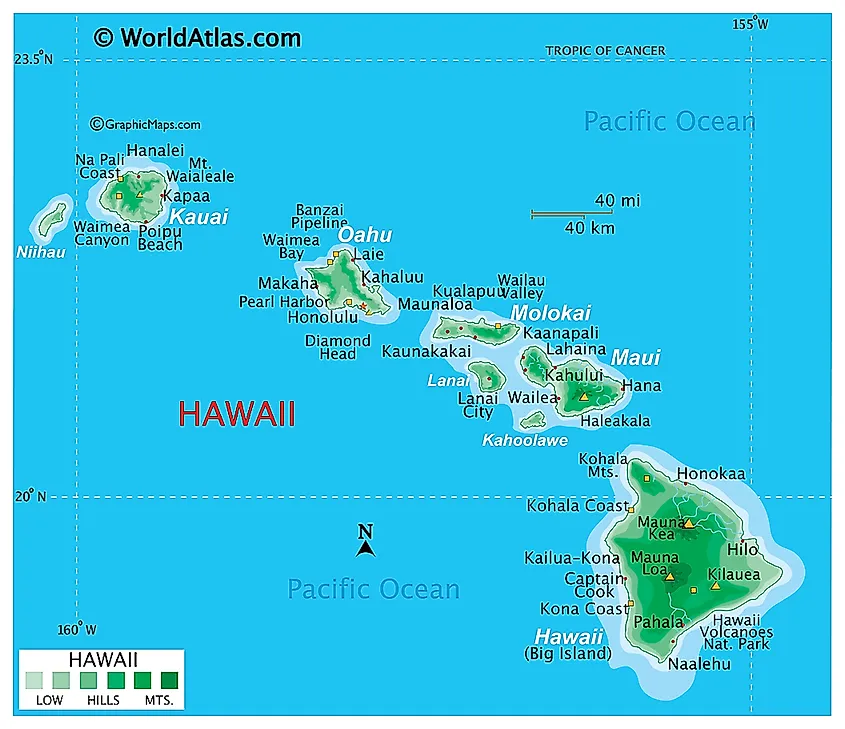
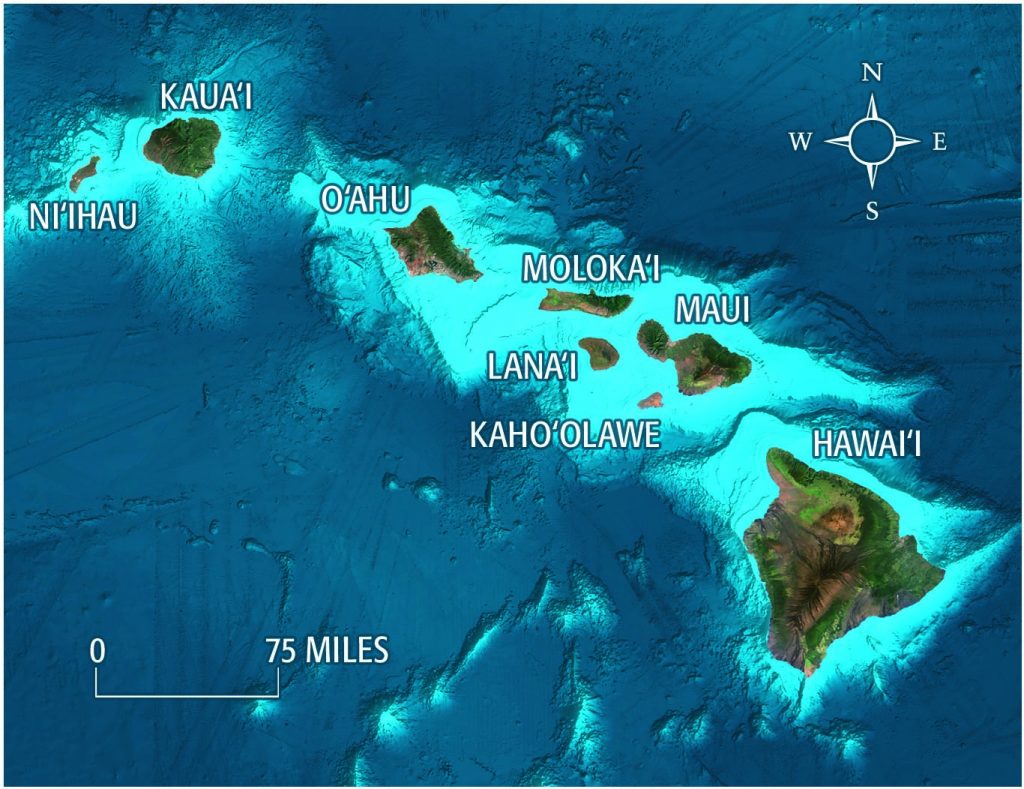
The question “How many islands Hawaii?” might seem simple at first glance, but the answer unfolds into a fascinating exploration of geography, culture, and natural wonder. While many immediately think of a handful of popular tourist destinations, the full scope of the Hawaiian Islands reveals a vast, intricate archipelago stretching across the central Pacific Ocean. Officially, Hawaii is the 50th state of the United States and is composed of eight main islands, along with numerous smaller islets, atolls, and submerged seamounts that extend northwest for over 1,500 miles.
This chain of volcanic islands, formed over millions of years by a hotspot beneath the Earth’s crust, represents the visible tips of massive underwater mountains. Each island, while sharing a common Polynesian heritage and a uniquely Hawaiian spirit of aloha, boasts its own distinct personality, landscapes, and experiences, making it a dream destination for travelers seeking everything from vibrant city life and luxury resorts to serene natural escapes and profound cultural immersion. Understanding the nuances of each island is key to planning an unforgettable Hawaiian adventure, whether your interest lies in active exploration, indulgent relaxation, or a deep dive into local traditions and cuisine.
The Eight Main Hawaiian Islands: A Closer Look
When people refer to the “main” Hawaiian Islands, they are typically talking about the eight largest, contiguous islands that make up the vast majority of the landmass and population. These are Hawaii Island (often called “The Big Island”), Maui, Oahu, Kauai, Molokai, Lanai, Niihau, and Kahoolawe. Each offers a unique slice of paradise, catering to different travel styles and preferences, from adventurous solo explorations to luxurious family retreats.
Hawaii Island (The Big Island): A Realm of Fire and Ice
The youngest and by far the largest of the islands, Hawaii Island is truly a world unto itself, encompassing 11 of the world’s 13 climate zones. Its sheer size and dramatic geological activity mean travelers can witness incredible natural phenomena. The island is home to Hawaii Volcanoes National Park, where the active volcanoes of Kilauea and Mauna Loa continuously reshape the landscape, offering breathtaking views of molten lava flows and steam vents. This primal energy creates stunning black sand beaches like Punalu’u Black Sand Beach and lush rainforests.
Beyond volcanic landscapes, the Big Island offers a diverse array of experiences. On its western side, the Kona Coffee Belt boasts verdant coffee farms, while the pristine waters off Kona are ideal for snorkeling, diving, and deep-sea fishing. The northern Kohala Coast is renowned for its world-class resorts, including numerous luxury hotels and suites offering unparalleled amenities and oceanfront views, perfect for a high-end travel lifestyle. For those interested in astronomy, the summit of Mauna Kea, a dormant volcano and the highest point in Hawaii, offers some of the best stargazing opportunities on Earth. The eastern side, around Hilo, is characterized by its tropical rainforests, waterfalls, and vibrant local culture. The Big Island is an ideal destination for adventurers, nature lovers, and anyone seeking a dynamic experience that spans from fiery volcanoes to snow-capped peaks.
Maui: The Valley Isle’s Diverse Charms
Maui, known as “The Valley Isle,” strikes a perfect balance between sophisticated tourism infrastructure and natural beauty. It’s often celebrated for its stunning beaches, luxurious resorts, and a wide array of activities that appeal to families, honeymooners, and luxury travelers alike. One of its most iconic attractions is the sunrise or sunset viewing from the summit of Haleakala National Park, a massive dormant volcano crater that offers otherworldly landscapes and panoramic vistas.
Another essential Maui experience is driving the famed Road to Hana, a winding coastal highway that unveils hidden waterfalls, lush rainforests, and breathtaking ocean views. Along the way, travelers can stop at local food stands, swim in freshwater pools, and explore charming small towns. The western and southern coasts, particularly around Ka’anapali and Wailea, are dotted with world-class hotels, suites, and resorts offering everything from family-friendly amenities to exclusive adults-only retreats. These areas are also popular for snorkeling, surfing, and whale watching during the winter months when humpback whales migrate to the warm Hawaiian waters. Lahaina, a historic whaling town, offers a lively atmosphere with art galleries, shops, and fine dining, making Maui a comprehensive destination for those seeking relaxation, adventure, and a touch of luxury.
Oahu: The Gathering Place of Culture and City Life
Oahu, “The Gathering Place,” is the most populated and developed of the Hawaiian Islands, serving as a bustling hub of culture, history, and modern city life. It’s where travelers can experience the vibrant energy of Honolulu, the state capital, and the iconic shores of Waikiki Beach. Waikiki is a haven for tourists, offering an extensive selection of hotels, from budget-friendly apartments to towering luxury resorts, along with high-end shopping, diverse dining, and lively entertainment options.
Beyond the urban sprawl, Oahu holds immense historical significance. Pearl Harbor, a solemn memorial to World War II history, is a profound landmark that draws millions of visitors annually. For surfing enthusiasts, the legendary North Shore comes alive during the winter with massive waves attracting professional surfers from around the globe. Hiking enthusiasts can challenge themselves with the scenic ascent to Diamond Head for panoramic views of Honolulu and the coastline. Oahu caters to a diverse range of lifestyles, from those seeking a dynamic city break with cultural landmarks to families looking for accessible attractions and budget-conscious travelers enjoying a mix of free activities and affordable eats.
Kauai: The Garden Isle’s Lush Grandeur
Known as “The Garden Isle,” Kauai is a testament to Hawaii’s lush, untamed beauty. Its dramatic emerald valleys, soaring cliffs, and cascading waterfalls have been the backdrop for numerous films, and it’s easy to see why. The island’s most famous landmark is the awe-inspiring Na Pali Coast, a majestic stretch of coastline characterized by towering sea cliffs, emerald peaks, and secluded beaches accessible primarily by hiking, helicopter tour, or boat excursion. This natural wonder is a must-see for anyone visiting Kauai.
Inland, the colossal Waimea Canyon, often called the “Grand Canyon of the Pacific,” offers stunning vistas of red rock formations, deep gorges, and vibrant greenery. Kauai is an outdoor adventurer’s paradise, with endless opportunities for hiking, kayaking, ziplining, and exploring botanical gardens. Accommodation options range from luxury resorts in Princeville and Poipu to charming vacation rentals and apartments, catering to those seeking a tranquil retreat immersed in nature. The main town of Lihue serves as a convenient gateway, providing essential services and access to the island’s many wonders. For those whose travel lifestyle prioritizes breathtaking natural scenery and outdoor activities, Kauai is an unparalleled choice.
Molokai: Preserving Old Hawaii
Molokai, “The Friendly Isle,” stands apart as a beacon of old Hawaii, largely untouched by mainstream tourism. It offers a glimpse into a bygone era, with a strong emphasis on preserving Hawaiian culture and a slower, more authentic pace of life. There are no traffic lights, towering resorts, or bustling nightlife here, making it an ideal destination for those seeking a quiet escape and a deeper connection to the land and its people.
The island is perhaps best known for Kalaupapa National Historical Park, a remote peninsula once home to a leper colony, made famous by Father Damien. Access to Kalaupapa is highly restricted and requires special permits, emphasizing its historical and cultural sensitivity. Molokai also boasts the world’s highest sea cliffs along its northern coast and pristine, uncrowded beaches perfect for solitude. Visitors can explore local farms, interact with the friendly residents of Kaunakakai, and learn about traditional Hawaiian practices. Accommodation is primarily found in smaller hotels, vacation rentals, and apartment-style stays, reflecting the island’s low-key ethos. For travelers seeking an off-the-beaten-path experience and a genuine encounter with local culture, Molokai offers a uniquely enriching travel experience.
Lanai: Secluded Luxury and Rugged Beauty
Lanai, often called “The Pineapple Isle” due to its past as a pineapple plantation, has transformed into “Hawaii’s Most Secluded Island.” It offers a unique blend of exclusive luxury and rugged natural beauty, appealing primarily to high-end travelers and those seeking an intimate, upscale getaway. The island is dominated by two ultra-luxury resorts, the Four Seasons Resort Lanai at Manele Bay and the Four Seasons Sensei Lanai (a wellness retreat), which provide world-class amenities, exquisite dining, and unparalleled service.
Despite its luxurious offerings, much of Lanai remains wild and accessible only by four-wheel drive vehicles, encouraging adventurous exploration. Visitors can navigate red dirt roads to discover hidden gems like Shipwreck Beach, adorned with a ghostly old shipwreck, or the surreal rock formations of the Garden of the Gods. The tranquil waters of Hulopoe Bay offer excellent snorkeling and often sightings of spinner dolphins. Lanai is perfect for romantic escapes, quiet reflection, and those who appreciate the finer things in life while still desiring access to unspoiled natural landscapes.

Kahoolawe: The Forbidden Isle’s Sacred Past
Kahoolawe holds a unique and poignant place among the Hawaiian Islands. Once a sacred place for Native Hawaiians, it was later used as a bombing range by the United States Navy for decades. Today, it remains uninhabited and is undergoing extensive restoration efforts, managed by the Kahoolawe Island Reserve Commission. Access to Kahoolawe is strictly limited to native Hawaiian cultural practitioners involved in restoration work and specific volunteer projects.
Its designation as a cultural reserve underscores the importance of local culture and the ongoing efforts to heal the land and revitalize its historical significance. While it’s not a tourist destination in the traditional sense, its story is an integral part of Hawaii’s identity, representing resilience and the profound spiritual connection between the Hawaiian people and their ancestral lands. For those interested in the deeper history and cultural preservation movements within Hawaii, the story of Kahoolawe is incredibly compelling.
Niihau: The Forbidden Island’s Unique Heritage
The smallest of the eight main islands, Niihau holds the title of “The Forbidden Island” because it is privately owned and access is extremely restricted. Purchased in 1864 by the Robinson family, the island operates without paved roads, electricity, or running water, and its residents, almost exclusively native Hawaiians, preserve the traditional Hawaiian language and culture. This unique way of life offers a rare glimpse into an isolated and self-sufficient community dedicated to maintaining its heritage.
While general tourism is not permitted, very limited guided tours (primarily helicopter tours) are offered to specific remote beaches on the island, providing a highly controlled and exclusive experience. The island is also famous for its exquisite Niihau shell lei, intricate necklaces crafted from tiny shells found only on its shores, considered a precious art form. The existence of Niihau serves as a powerful symbol of cultural resilience and a reminder of the diverse approaches to preserving unique lifestyles within the broader Hawaiian context. Its enigmatic nature only adds to the allure and mystique of the Hawaiian Islands.
Beyond the Main Eight: The Northwestern Hawaiian Islands
While the eight main islands are where almost all human activity and tourism occur, the Hawaiian Archipelago extends far beyond this familiar cluster. To the northwest, stretching for over 1,500 miles, lies the vast expanse of the Northwestern Hawaiian Islands. This chain comprises tiny islets, atolls, submerged banks, and seamounts, most of which are uninhabited and protected as part of the Papahānaumokuākea Marine National Monument.
This monument is one of the largest marine conservation areas in the world and a UNESCO World Heritage site, recognized for both its immense ecological significance and its deep cultural importance to Native Hawaiians. It is a critical habitat for numerous endangered species, including the Hawaiian monk seal, green sea turtles, and various seabirds. The pristine coral reefs, vibrant marine life, and isolated nature of these islands make them an invaluable natural laboratory and sanctuary. Access to Papahānaumokuākea is extremely restricted, primarily for scientific research and cultural practices, reinforcing Hawaii’s commitment to environmental protection and sustainable tourism practices. While not a travel destination for the general public, their existence contributes significantly to the full answer of “How many islands Hawaii?”, highlighting the immense natural heritage of the state.
Planning Your Hawaiian Island Adventure
Embarking on a trip to the Hawaiian Islands is an exciting endeavor, but with so many unique options, careful planning is essential. Understanding the distinct character of each main island is crucial for tailoring your itinerary to your personal travel lifestyle and preferences.
Choosing Your Ideal Island(s)
Your choice of island(s) will largely depend on what kind of experience you’re seeking:
- For first-time visitors or those seeking a vibrant mix of city, beaches, and history: Oahu is often the go-to. Its robust tourism infrastructure offers a wide array of hotels, resorts, and activities, from exploring Pearl Harbor to surfing at Waikiki Beach or the North Shore.
- For luxury travel, romance, and diverse landscapes: Maui offers stunning beaches, world-class resorts, whale watching, and scenic drives like the Road to Hana, appealing to honeymooners and families alike.
- For dramatic nature, adventure, and volcanic wonders: Hawaii Island (The Big Island) provides unique opportunities to witness active volcanoes, diverse climates, and stargaze atop Mauna Kea.
- For unparalleled natural beauty, hiking, and tranquil retreats: Kauai, the Garden Isle, is perfect for nature lovers, with the iconic Na Pali Coast and Waimea Canyon offering breathtaking vistas.
- For authentic culture, quiet solitude, and an off-the-beaten-path experience: Molokai offers a genuine glimpse into traditional Hawaiian life, free from commercialization.
- For exclusive luxury and rugged exploration: Lanai caters to those seeking an upscale, secluded escape combined with adventurous off-road excursions.
Many travelers opt to island-hop, combining two or even three islands to experience the diverse offerings of Hawaii. Inter-island flights are frequent and relatively short, making it easy to transition between contrasting environments, from Oahu’s urban energy to Kauai’s serene wilderness.
Accommodation and Travel Tips
When planning your Hawaiian getaway, consider booking your accommodation well in advance, especially during peak seasons. Hawaii offers a vast range of options, from lavish five-star resorts and boutique hotels to family-friendly suites, vacation rentals, and budget-conscious apartments. Websites dedicated to hotel reviews and comparisons can be invaluable tools for finding the perfect stay that matches your budget and desired amenities. Long-term stay options are also available for those seeking a more immersive experience, perhaps combining remote work with island living.
Sustainable tourism is a cornerstone of the Hawaiian experience. Visitors are encouraged to practice Malama Aina – to care for the land. This means respecting local culture and customs, protecting natural resources (like coral reefs and marine life), supporting local businesses, and minimizing your environmental footprint. Learning a few Hawaiian phrases, trying local cuisine, and engaging with cultural activities can significantly enhance your experience and show appreciation for the islands’ rich heritage. Don’t forget essentials like reef-safe sunscreen, comfortable walking shoes, and appropriate attire for both sunny beaches and cooler mountain elevations.
Conclusion: The Enduring Allure of Hawaii
So, how many islands Hawaii? The simple answer is eight main islands, forming the vibrant heart of the state. But the more complete picture reveals a sweeping archipelago of hundreds of islands, islets, and atolls, stretching thousands of miles across the Pacific. Each of the main islands, from the fiery landscapes of the Big Island to the serene seclusion of Lanai and the cultural preservation on Molokai and Niihau, offers a unique narrative and an unforgettable experience.
Hawaii’s enduring appeal lies not just in its breathtaking natural beauty and idyllic beaches, but also in its profound sense of place, rich Polynesian culture, and the warm hospitality of its people. Whether you’re seeking adventurous activities, luxurious relaxation, deep cultural immersion, or a combination of all three, the Hawaiian Islands promise a journey filled with discovery and wonder. By understanding the individuality of each island and embracing the spirit of aloha, travelers can truly unlock the magic of this extraordinary destination, creating memories that will last a lifetime.
LifeOutOfTheBox is a participant in the Amazon Services LLC Associates Program, an affiliate advertising program designed to provide a means for sites to earn advertising fees by advertising and linking to Amazon.com. Amazon, the Amazon logo, AmazonSupply, and the AmazonSupply logo are trademarks of Amazon.com, Inc. or its affiliates. As an Amazon Associate we earn affiliate commissions from qualifying purchases.