
The Sunshine State of Florida, renowned for its pristine beaches, vibrant cities, and lush natural landscapes, holds a geographical secret that often astounds visitors and even long-time residents: its astounding number of islands. While many immediately think of the iconic Florida Keys, the truth is that the state’s coastline, dotted with countless landmasses surrounded by water, extends far beyond this famous archipelago. The question “How many islands in Florida?” is more complex than it appears, encompassing everything from sprawling barrier islands hosting major metropolises to tiny, uninhabited keys that appear only at low tide. This extensive network of islands plays a pivotal role in Florida‘s unique biodiversity, rich history, and flourishing tourism industry, offering an unparalleled variety of travel experiences, accommodations, and lifestyle choices for every kind of adventurer.

The Allure of Florida’s Archipelago: Unraveling the Numbers
The sheer scale of Florida’s island count is often a source of fascination and debate. Depending on how one defines “island” – whether it includes only naturally formed landmasses above a certain size, or extends to man-made islets and those visible only seasonally – the numbers can vary dramatically. However, one thing is certain: Florida is an island-rich state, a characteristic that fundamentally shapes its identity as a premier travel destination.
Defining “Island”: A Matter of Perspective
To truly answer the question, we must first grapple with the definition of an “island.” Geographically, an island is any piece of land completely surrounded by water, which is smaller than a continent. In Florida’s context, this definition becomes intricate due to the state’s unique topography. We have thousands of barrier islands, which are long, narrow strips of sand parallel to the mainland. Then there are the Florida Keys, ancient coral reefs that rose from the sea. Beyond these, numerous small, often nameless islands dot the vast expanses of the Everglades National Park and countless inland lakes. The United States Geological Survey (USGS) and other mapping agencies often use specific criteria, such as elevation above high tide and a minimum size, which can affect the official count. If one considers every patch of land permanently above sea level and surrounded by water, the number escalates into the thousands, perhaps even exceeding 4,500. This generous count includes everything from prominent destinations like Miami Beach to tiny mangrove islets accessible only by kayak.
The Sheer Scale: Hundreds or Thousands?
While an exact, universally agreed-upon number is elusive due to the varying definitions and the dynamic nature of coastal geology, it is widely accepted that Florida boasts over 800 natural islands that are significant enough to be named or regularly charted. If you broaden the scope to include all named and unnamed landmasses surrounded by water, the figure easily climbs into the thousands. The extensive shoreline, influenced by both the Atlantic Ocean and the Gulf of Mexico, combined with a relatively flat topography, creates ideal conditions for island formation. This includes not just coastal islands but also those nestled within major rivers and lakes, such as Lake Okeechobee. This incredible diversity means that every island offers a unique charm, from bustling tourist hubs to secluded natural havens, catering to an array of travel preferences, from luxury travel to budget-friendly family trips.
Diverse Island Landscapes: From Barrier Reefs to Keys
Florida’s islands are not monolithic; they represent a fascinating tapestry of geological formations, ecosystems, and human development. This diversity is what makes the state such a compelling destination, offering a different experience on almost every island you visit. Understanding these different types of islands enriches the travel experience, allowing visitors to appreciate the unique characteristics and choose destinations that align with their interests.
The Iconic Florida Keys: A Tropical Paradise
Perhaps the most famous of Florida’s islands are the Florida Keys, a coral archipelago stretching approximately 120 miles southwest from the tip of the Florida peninsula into the Gulf of Mexico and the Atlantic Ocean. Connected by the iconic Overseas Highway, these islands include vibrant communities like Key Largo, Islamorada, Marathon, and the southernmost point of the United States mainland, Key West. The Keys are primarily formed from ancient coral reefs, giving them a distinct geological profile and supporting a unique ecosystem. They are renowned for their incredible marine life, world-class fishing, diving, and a laid-back, bohemian lifestyle. Accommodation in the Keys ranges from charming guesthouses and boutique hotels to luxurious resorts, many offering direct access to the turquoise waters. Destinations like Bahia Honda State Park offer stunning beaches and camping opportunities, embodying the natural beauty that defines this region.
Barrier Islands: Florida’s Coastal Gems
Dominating both the Atlantic and Gulf Coasts are Florida’s numerous barrier islands. These elongated strips of sand protect the mainland from ocean storms and currents, creating tranquil lagoons and bays on their landward sides. Many of Florida’s most famous beaches and urban centers are situated on barrier islands, including the bustling shores of Miami Beach, the tranquil retreats of Sanibel Island and Captiva Island, and the historic charm of Amelia Island. These islands are dynamic, constantly reshaped by natural forces, yet they are also centers of tourism, offering a wealth of attractions, dining, and accommodation options. From high-rise hotels in South Beach to quaint beachfront villas on Anna Maria Island, barrier islands cater to every taste, providing endless opportunities for sunbathing, swimming, shelling, and water sports.
Inland Islands and Unique Formations
Beyond the coast, Florida also features a surprising number of inland islands. These can be found in large freshwater lakes, such as Lake Okeechobee, or within extensive river systems. Many of these islands are ecologically significant, providing crucial habitats for diverse wildlife and offering unique opportunities for eco-tourism, such as kayaking or birdwatching. Additionally, the state’s expansive wetlands, particularly the Everglades National Park, contain numerous “tree islands” or “hammocks” – slightly elevated landmasses that support dense vegetation and provide refuge for animals. These unique formations highlight Florida’s rich biodiversity and the intricate relationship between land and water throughout the state.
Top Island Destinations and Experiences
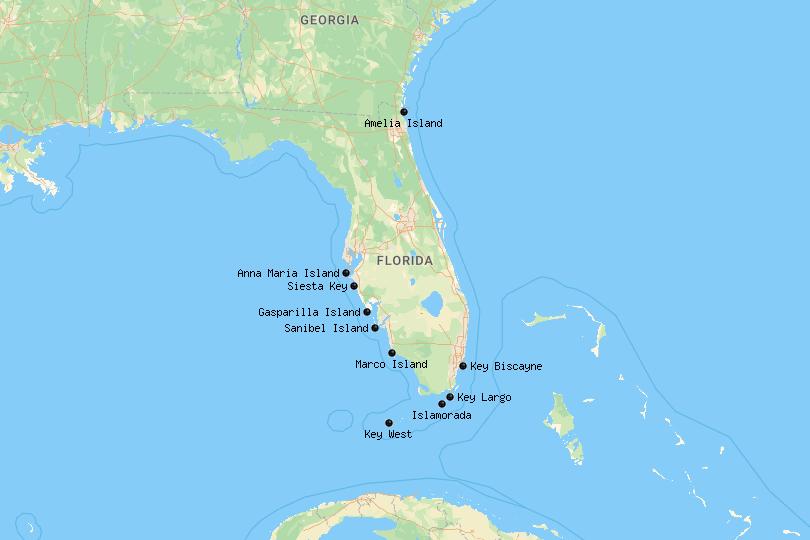
With such an incredible array of islands, choosing a destination in Florida can be a delightful challenge. Each region and even individual island often boasts a distinct personality, offering tailored experiences for different types of travelers. Whether you’re seeking lively nightlife, serene natural beauty, historical immersion, or family-friendly adventures, Florida’s islands deliver.
Atlantic Coast Marvels: Sun-Kissed Shores and History
The Atlantic Coast of Florida is home to some of the state’s most iconic and diverse islands. Amelia Island, in the northeast, enchants visitors with its Victorian architecture in Fernandina Beach, pristine beaches, and rich history, offering a blend of luxury resorts and charming bed-and-breakfasts. Further south, the barrier islands fronting Jacksonville and St. Augustine provide a mix of historical exploration and beach relaxation. St. Augustine itself, while primarily mainland, is flanked by beautiful barrier islands like Anastasia Island.
Moving down the coast, Palm Beach is synonymous with opulence, where luxurious resorts, high-end boutiques, and exquisite dining define the island lifestyle. The area caters to those seeking a sophisticated travel experience, with world-class accommodation and exclusive amenities. Fort Lauderdale and its surrounding islands offer a cosmopolitan vibe with stunning beaches, extensive canal systems (earning it the nickname “Venice of America”), and a vibrant arts and culture scene. And of course, Miami Beach, particularly its famous South Beach district, pulsates with energy, known for its Art Deco architecture, dynamic nightlife, celebrity sightings, and some of the world’s most luxurious hotels and resorts.
Gulf Coast Wonders: Tranquility and Nature
On the western side, the Gulf Coast islands offer a different kind of charm, characterized by calm, warm waters, powdery white sand, and a slower pace of life. Sanibel Island and its smaller neighbor, Captiva Island, are globally renowned for their exceptional shelling opportunities, tranquil beaches, and commitment to preserving natural beauty. These islands are perfect for nature lovers and families, with a focus on eco-tourism and relaxation, offering everything from charming cottage rentals to upscale resorts.
North of Sanibel, Anna Maria Island offers an old-Florida charm, free of high-rises and chain restaurants, boasting pristine beaches and a relaxed atmosphere. Further north, the barrier islands of Clearwater Beach and St. Pete Beach are famous for their family-friendly environments, soft sands, and lively piers offering entertainment and spectacular sunsets. These areas provide a wide range of hotels, from budget-friendly options to luxurious suites, making them accessible for diverse travel budgets. The islands near Sarasota, such as Siesta Key and Longboat Key, are celebrated for their award-winning beaches and upscale communities, combining natural beauty with cultural sophistication. For those seeking even greater seclusion, islands like Cabbage Key offer a truly off-the-grid experience, accessible only by boat.
The Keys: A World Apart
The Florida Keys offer an incomparable island experience. From the diving mecca of Key Largo, home to the John Pennekamp Coral Reef State Park, to the sportfishing capital of Islamorada, and the lively, quirky vibe of Key West, each Key has its own distinct appeal. Key West stands out for its rich history, vibrant arts scene, iconic Duval Street nightlife, and the nightly sunset celebration at Mallory Square. Visitors can explore historic landmarks, enjoy delicious seafood, and immerse themselves in a laid-back, inclusive culture. For those venturing even further, Dry Tortugas National Park, an isolated cluster of seven small islands accessible only by boat or seaplane, offers pristine coral reefs, abundant marine life, and the historic Fort Jefferson. The Keys epitomize the unique “island lifestyle” Florida is known for, emphasizing outdoor activities, local culture, and a relaxed approach to life.
Planning Your Island Escape: Travel, Accommodation, and Lifestyle
Planning a trip to Florida’s islands involves considering various aspects, from how you’ll get there to where you’ll stay and what kind of experiences you seek. The state’s robust tourism infrastructure ensures that every type of traveler, from those on a luxury getaway to families on a budget, can find their ideal island adventure.
Finding Your Perfect Stay: Resorts, Villas, and Budget Options
Accommodation on Florida’s islands is as diverse as the islands themselves. Luxury travelers can indulge in world-class resorts on Palm Beach or South Beach, complete with private beaches, spas, and gourmet dining. Many resorts, especially in areas like Naples or Marco Island, offer expansive suites, golf courses, and comprehensive amenities ideal for an indulgent lifestyle. For those preferring more privacy or a longer stay, villas and apartment rentals are abundant on islands like Sanibel, Captiva, or Anna Maria Island, often providing a home-away-from-home feel with full kitchens and multiple bedrooms, perfect for family trips.
Budget travelers and those seeking a more authentic local experience will find charming boutique hotels, guesthouses, and vacation rentals across many islands, especially in the Florida Keys and smaller coastal towns. Camping is also an option in various state parks, such as Bahia Honda State Park, allowing for direct immersion in nature. Websites dedicated to accommodation booking and reviews are invaluable tools for comparing options and securing the best deals, ensuring that your island stay aligns with both your desired level of comfort and your budget.
Embracing Island Life: Activities and Culture
The lifestyle on Florida’s islands is inherently tied to the water. Activities abound, from passive relaxation on white sand beaches to exhilarating water sports like snorkeling, scuba diving, kayaking, paddleboarding, and deep-sea fishing. Nature enthusiasts can explore preserved wetlands, spot diverse bird species, or embark on dolphin-watching tours. Many islands boast vibrant local cultures, often influenced by historical events, maritime traditions, and Caribbean flavors. This is particularly evident in the cuisine, which emphasizes fresh seafood and tropical ingredients. Local culture can be experienced through farmers’ markets, art galleries, live music venues, and historical tours. Islands like Key West and St. Augustine offer a rich blend of history and entertainment, with landmarks that tell tales of pirates, explorers, and literary figures. Whether it’s a family trip centered around theme parks and beaches (with nearby attractions like Walt Disney World Resort in Orlando and Universal Orlando Resort) or a romantic getaway focused on secluded sunsets and fine dining, Florida’s islands offer a lifestyle experience for every traveler.
The Enduring Appeal of Florida’s Islands
The question of “How many islands in Florida?” ultimately leads to a deeper appreciation for the state’s incredible geographical richness and its profound impact on travel and tourism. With thousands of islands, ranging from bustling urban centers to pristine natural sanctuaries, Florida offers an unparalleled variety of experiences. These islands are not just geographical features; they are vibrant destinations, each with its own story, charm, and appeal. They provide a backdrop for unforgettable vacations, whether you’re seeking the thrill of a big city, the serenity of a secluded beach, the adventure of exploring marine life, or the comfort of a luxury resort. The enduring allure of Florida’s islands lies in this boundless diversity, promising that there is always another island to discover, another sunset to chase, and another unique experience waiting to be embraced.
LifeOutOfTheBox is a participant in the Amazon Services LLC Associates Program, an affiliate advertising program designed to provide a means for sites to earn advertising fees by advertising and linking to Amazon.com. Amazon, the Amazon logo, AmazonSupply, and the AmazonSupply logo are trademarks of Amazon.com, Inc. or its affiliates. As an Amazon Associate we earn affiliate commissions from qualifying purchases.