
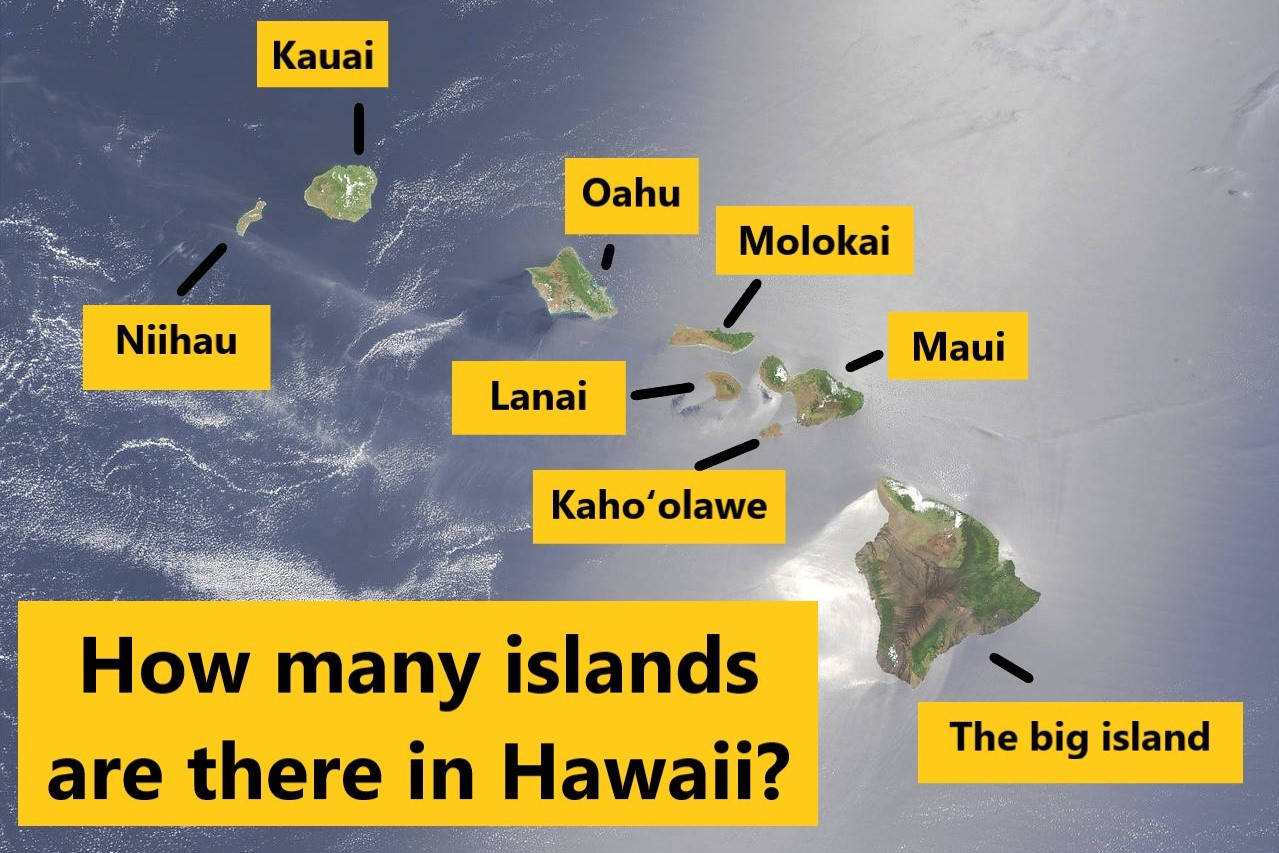
The image of Hawaii often conjures visions of eight idyllic, sun-drenched islands, each with its own unique charm and allure. Yet, the answer to “How many islands are in Hawaii?” is far more complex and fascinating than a simple number. While the eight major islands are indeed the primary focus for travelers, the complete Hawaiian Archipelago comprises a sprawling chain of more than 130 islands, islets, and atolls, stretching over 1,500 miles across the Pacific Ocean. This incredible natural wonder, formed by volcanic activity over millions of years, represents a diverse range of landscapes, ecosystems, and cultural experiences, making it a dream destination for travelers seeking adventure, relaxation, or a deep dive into local culture.
Unveiling the Hawaiian Archipelago: More Than Meets the Eye
The Hawaiian Islands are a geological marvel, the result of a volcanic hotspot beneath the Pacific Plate. As the plate slowly moves northwest, new islands are continuously formed, while older ones gradually erode and subside, giving rise to the long chain of islands and atolls that define the archipelago today. This dynamic geological process has created a breathtaking variety of environments, from towering active volcanoes to ancient coral reefs.
The Eight Main Hawaiian Islands: A Closer Look
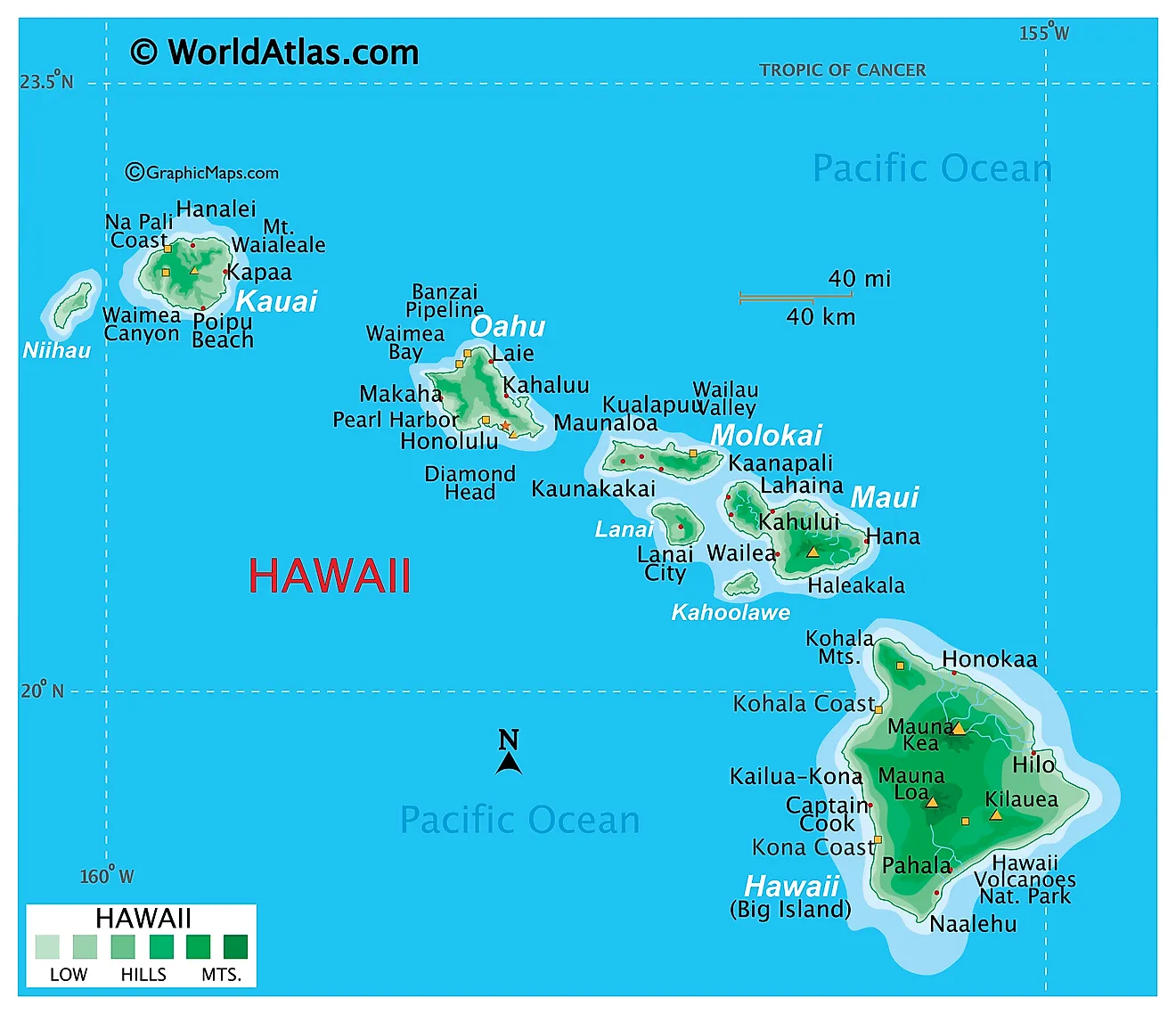
When most people speak of visiting Hawaii, they are referring to the eight principal islands, seven of which are inhabited (with Kahoolawe being unpopulated). These are the islands that feature prominently in travel guides, offering a wide array of attractions, accommodations, and unique experiences. Each of these islands boasts a distinct personality, catering to different types of travelers, from bustling cityscapes and world-class resorts to serene, untouched natural beauty.
These main islands are:
These islands are the heart of Hawaii’s tourism industry, providing everything from luxury travel experiences to budget-friendly adventures. Whether you’re seeking a family trip, a romantic getaway, or an adrenaline-fueled exploration, one of these islands is sure to fit your ideal Hawaiian vacation.
Beyond the Main Eight: The Northwestern Hawaiian Islands
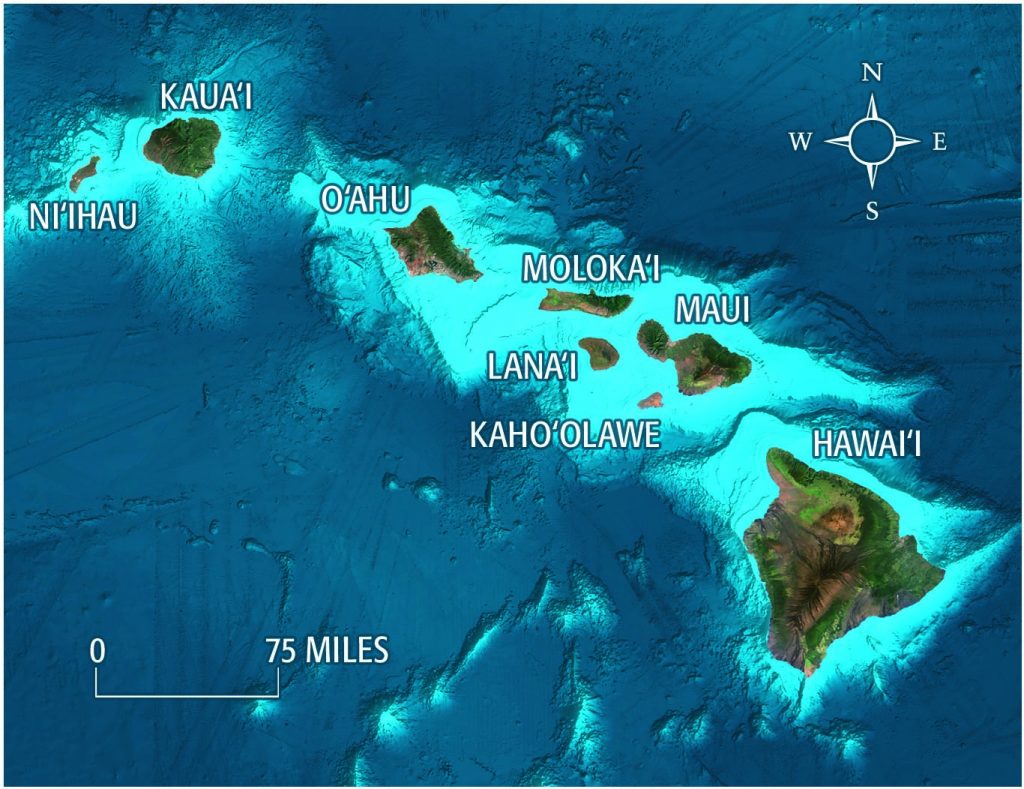
The majority of the 130+ islands and atolls actually comprise the Northwestern Hawaiian Islands (NWHI), also known as the Leeward Islands. These older, smaller islands and coral atolls stretch northwest from Niihau and are largely uninhabited by humans. They are, however, incredibly important ecological treasures, serving as critical habitats for a vast array of marine life, seabirds, and endangered species found nowhere else on Earth.
Protected within the vast Papahānaumokuākea Marine National Monument, a UNESCO World Heritage site, these islands are largely off-limits to the public. Access is strictly controlled and limited to scientific research and Native Hawaiian cultural practices, underscoring Hawaii’s commitment to conservation and the preservation of its unique natural and cultural heritage. This dedication to protecting the ecosystem is a cornerstone of responsible tourism in the region, ensuring that the pristine beauty of the archipelago endures for future generations.
Understanding the Geographic Scope
To truly grasp the scale, imagine a chain of islands extending over 1,500 miles, from the Big Island in the southeast to the remote Kure Atoll in the northwest. This makes the Hawaiian Archipelago one of the longest and most isolated island chains in the world. While the eight main islands are relatively close to each other, allowing for inter-island travel and exploration, the Northwestern Hawaiian Islands are a world apart, both geographically and ecologically. Their existence highlights the incredible natural processes that have shaped this region and continue to do so, offering a powerful reminder of the delicate balance of nature and the importance of conservation.
Diving Deeper into Each Major Hawaiian Island
Each of the main Hawaiian Islands offers a distinct vacation experience, appealing to a diverse range of interests and travel styles. Understanding these differences is key to choosing the perfect destination for your next trip to Hawaii. From bustling city life to secluded natural wonders, the islands truly offer something for everyone.
Hawaii Island (The Big Island): A World in One Island
The youngest and largest of the islands, Hawaii Island, often called the Big Island, lives up to its name, encompassing eleven of the world’s thirteen climate zones. It’s home to Hawaii Volcanoes National Park, where visitors can witness the raw power of creation at Kilauea, one of the world’s most active volcanoes, and the massive shield volcano Mauna Loa. The island’s diverse landscapes range from the black sands of Punalu’u Black Sand Beach to the snow-capped peak of Mauna Kea, a prime stargazing location.
Travelers to the Big Island can explore the lush Hilo side with its waterfalls and botanical gardens, or enjoy the sunny Kona coast, famous for coffee farms, snorkeling, and deep-sea fishing. Accommodation options range from luxury resorts in Kona to charming bed and breakfasts and private villas, catering to both high-end and budget travelers. This island is ideal for adventure seekers, nature lovers, and those fascinated by geology and astronomy.
Maui: The Valley Isle
Maui is renowned for its stunning beaches, world-class surfing, and the scenic Road to Hana. Known as “The Valley Isle,” it offers a blend of luxury and natural beauty. Visitors flock to witness the sunrise from the summit of Haleakala National Park, explore the historic whaling town of Lahaina, or relax on the golden sands of Ka’anapali Beach.
Maui’s diverse landscape includes verdant rainforests, volcanic craters, and vibrant coral reefs, making it perfect for hiking, snorkeling, and whale watching (seasonal). The island is a popular choice for romantic getaways and family trips, with an abundance of resorts, suites, and vacation rentals, particularly in areas like Wailea and Ka’anapali. The lifestyle here leans towards luxury travel but also offers plenty of options for more budget-conscious explorers.
Oahu: The Gathering Place
Oahu, “The Gathering Place,” is the most populated and developed of the Hawaiian Islands, home to the state capital, Honolulu. This island seamlessly blends urban sophistication with breathtaking natural beauty. Famous for iconic landmarks like Waikiki Beach, the historic Pearl Harbor memorials, and the hiking trail to Diamond Head, Oahu offers an endless array of activities.
Travelers can learn to surf in Waikiki, explore the North Shore’s legendary surf breaks, immerse themselves in Polynesian culture at the Polynesian Cultural Center, or visit the Iolani Palace, the only official residence of royalty in the United States. Oahu boasts a vast range of accommodation options, from high-rise hotels and resorts in Waikiki to quaint vacation rentals and boutique hotels across the island. It’s an excellent choice for first-time visitors to Hawaii, business stays, and those seeking a dynamic mix of culture, history, and outdoor adventures.
Kauai: The Garden Isle
Known as “The Garden Isle,” Kauai is the oldest and northernmost of the main islands, characterized by its dramatic cliffs, lush rainforests, and cascading waterfalls. Its most iconic natural landmark is the breathtaking Na Pali Coast, accessible by boat, helicopter, or challenging hike. Another marvel is Waimea Canyon, often called the “Grand Canyon of the Pacific.”
Kauai offers a tranquil escape, perfect for nature lovers, hikers, and those seeking serene relaxation. Popular activities include zip-lining, kayaking on the Wailua River, and exploring the quaint towns of Lihue and Poipu. Accommodation ranges from luxurious resorts to charming cottages and villas, providing a peaceful retreat for families and couples alike.
Molokai: The Friendly Isle
Molokai remains true to its nickname, “The Friendly Isle,” offering a glimpse into old Hawaii with its emphasis on local culture and a slower pace of life. It’s significantly less developed than its neighbors, providing an authentic Hawaiian experience. The island is famous for its towering sea cliffs (the highest in the world), pristine beaches, and the historic Kalaupapa National Historical Park, once a remote leprosy settlement.
Visitors to Molokai can explore the main town of Kaunakakai, visit macadamia nut farms, or simply enjoy the untouched natural beauty. Accommodation is more modest, focusing on local guesthouses, small hotels, and vacation rentals, perfect for budget travel or those seeking an immersive cultural experience away from the tourist crowds.
Lanai: The Pineapple Isle
Once the world’s largest pineapple plantation, Lanai is now known as “The Pineapple Isle” and offers a luxurious, secluded retreat. With only 30 miles of paved road, it provides an exclusive escape, ideal for discerning travelers seeking tranquility and high-end amenities. The island is dominated by two ultra-luxury resorts, Sensei Lanai, A Four Seasons Resort and Four Seasons Resort Lanai, making it a prime destination for luxury travel.
Attractions include the alien-like rock garden known as the Garden of the Gods, secluded Shipwreck Beach, and world-class golf courses. Lanai City offers a charming small-town experience. This island is perfect for couples, honeymooners, and those looking for an upscale, serene escape with privacy and impeccable service.
Niihau: The Forbidden Isle
Niihau is known as “The Forbidden Isle” because it is privately owned and access is strictly restricted to invited guests of the Robinson family (the owners), government officials, or for emergency purposes. Home to about 170 Native Hawaiians who speak the traditional Hawaiian language and live a subsistence lifestyle, it offers a glimpse into an untouched Hawaiian culture. Tourism is virtually non-existent, except for extremely limited, high-cost helicopter and hunting tours that touch down in specific areas. It’s not a typical tourist destination but remains a vital part of the Hawaiian Archipelago.
Kahoolawe: The Target Isle
Kahoolawe, “The Target Isle,” is the smallest of the main eight islands. Uninhabited and largely barren due to centuries of overgrazing and its use as a bombing range by the U.S. Navy for decades, it is currently undergoing extensive restoration efforts. The island is managed by the Kahoolawe Island Reserve Commission (KIRC) with the goal of ecological and cultural restoration. Access is restricted to Native Hawaiian cultural practitioners and approved restoration volunteers. Like Niihau, it is not a tourist destination but holds significant cultural and historical importance.
Planning Your Hawaiian Adventure: Tips for Travelers
Choosing which island, or islands, to visit depends entirely on your interests, budget, and desired travel experience. Hawaii offers a spectrum of options, from bustling cities to secluded beaches, catering to every lifestyle.
Choosing Your Perfect Island Escape
- For First-Timers & Variety Seekers: Oahu offers a fantastic blend of city life, history, and iconic beaches. Consider combining it with Maui for natural beauty or the Big Island for volcanic wonders.
- For Nature Lovers & Adventurers: Kauai and the Big Island are unparalleled for hiking, waterfalls, and unique geological formations.
- For Luxury & Relaxation: Maui and Lanai provide high-end resorts, pristine beaches, and a more serene atmosphere.
- For Cultural Immersion & Quiet: Molokai offers an authentic, less commercialized Hawaiian experience.
- For Family Trips: Oahu and Maui have numerous family-friendly attractions, resorts with kids’ clubs, and safe swimming beaches.
Getting Around the Islands
Inter-island travel is primarily done by plane. Hawaiian Airlines and Mokulele Airlines operate frequent flights between the main islands, typically taking 20-45 minutes. Ferry service is limited; currently, there’s a ferry between Maui and Lanai. Renting a car is highly recommended on most islands to fully explore their attractions and landmarks at your own pace. Public transportation exists in Honolulu (TheBus) but is less comprehensive elsewhere.
Accommodations in Paradise
Hawaii offers a vast spectrum of accommodation options to suit every budget and style. From sprawling luxury resorts with all-inclusive amenities and private villas to cozy boutique hotels, charming vacation rentals, and budget-friendly apartments, the choice is yours. Popular areas like Waikiki on Oahu and Ka’anapali on Maui are dense with hotels and resorts, offering easy access to beaches and activities. For a more secluded or local experience, consider booking a private villa or apartment in quieter towns. Always compare booking options and read reviews to ensure your chosen accommodation aligns with your travel expectations and provides the best value.
Experiencing Hawaii: Culture, Activities, and Conservation
Beyond the physical count of islands, the essence of Hawaii lies in its vibrant local culture, diverse activities, and a strong commitment to environmental preservation. Tourism here is not just about seeing beautiful places but also about respecting and engaging with the unique heritage of the islands.
Embracing Local Hawaiian Culture
The rich heritage of the Native Hawaiian people is a cornerstone of the island experience. Visitors are encouraged to learn about the history, traditions, and language. Attending a traditional luau is a popular way to enjoy Hawaiian food, music, and hula dancing. Exploring historic sites like the Iolani Palace or the ancient fishponds of Molokai provides deeper cultural insight. Engaging with local communities and supporting local businesses further enriches your trip and contributes to the preservation of Hawaiian traditions.
Must-Do Activities and Attractions
Hawaii’s natural playgrounds offer an endless list of activities:
- Surfing: From beginner lessons on Waikiki Beach to watching pros on Oahu’s North Shore.
- Snorkeling & Diving: Explore vibrant coral reefs and marine life at Hanauma Bay or the coves of Maui.
- Hiking: Trek through rainforests to waterfalls on Kauai or witness volcanic landscapes on the Big Island.
- Whale Watching: Seasonal tours (November to May) offer incredible sightings of humpback whales, especially off the coast of Maui.
- Sightseeing: Drive the scenic Road to Hana, visit Pearl Harbor, or stargaze from Mauna Kea.
Many attractions, like Kualoa Ranch on Oahu, blend adventure with cinematic history, offering unique experiences for the whole family.
Sustainable Tourism and Preservation
With its unique and fragile ecosystems, Hawaii places a high emphasis on sustainable tourism. Visitors are encouraged to practice responsible travel, which includes respecting natural environments, reducing their environmental footprint, and supporting local conservation efforts. This means everything from using reef-safe sunscreen to staying on marked trails and not disturbing wildlife. The protection of landmarks, natural wonders, and cultural sites ensures that the beauty and integrity of the Hawaiian Islands can be enjoyed by generations to come, aligning with the “Malama Aina” (care for the land) philosophy deeply rooted in Hawaiian culture.
In conclusion, while the famous eight major islands offer an abundance of travel experiences, the true count of islands in Hawaii extends far beyond, encompassing a vast and ecologically significant archipelago. Each island, whether a bustling tourist hub or a protected natural sanctuary, contributes to the unparalleled allure of this Pacific paradise, inviting travelers to explore, discover, and cherish its wonders.