
New York City, often heralded as a global melting pot, stands as a testament to the enduring power of diversity, a vibrant mosaic woven from countless cultures, traditions, and narratives. Among its most prominent and historically significant threads is the Jewish community, whose presence has profoundly shaped the city’s character, from its iconic landmarks to its rich culinary landscape and dynamic social fabric. The question “How many Jews are in New York City?” transcends a mere demographic statistic; it opens a window into centuries of migration, resilience, and cultural contribution that makes the city an unparalleled destination for travelers interested in history, culture, and authentic local experiences.

While precise figures can fluctuate, estimates consistently place the Jewish population of New York City and its surrounding metropolitan area as one of the largest, if not the largest, outside of Israel. This substantial community, numbering well over a million, represents a significant percentage of the city’s total population, making Jewish life an unmistakable and integral part of the New York City experience. For tourists and residents alike, understanding this demographic not only sheds light on the city’s past but also enriches the appreciation of its present, offering unique opportunities for exploration, learning, and cultural immersion that few other global cities can match. From the bustling streets of Brooklyn to the historic enclaves of Manhattan, the Jewish imprint is everywhere, inviting curious visitors to delve deeper into its story.
A Snapshot of Jewish Life in the Big Apple
The story of Jewish people in New York City is one of continuous evolution, a narrative of arrival, adaptation, and flourishing that has mirrored and often led the broader immigrant experience in the United States. Understanding their journey provides essential context for appreciating the vibrancy and diversity of Jewish life in the city today.
Historical Roots and Immigration Waves
The first documented Jewish settlers arrived in New Amsterdam (the colonial precursor to New York City) in 1654, a small group of Sephardic Jews fleeing persecution in Brazil. Despite initial resistance, they established a foothold, laying the groundwork for what would become a thriving community. The subsequent centuries saw several significant waves of immigration, each leaving an indelible mark on the city. In the mid-19th century, a substantial influx of German Jews arrived, many of whom quickly achieved economic success, establishing prominent businesses, synagogues, and charitable organizations that became pillars of the community and the city itself. They integrated into the broader American society while maintaining their distinct cultural identity, often moving to more affluent areas and contributing significantly to the city’s economic and civic life.
However, it was the late 19th and early 20th centuries that witnessed the most transformative wave: the arrival of millions of Ashkenazi Jews from Eastern Europe, fleeing pogroms and poverty. These immigrants, predominantly Yiddish-speaking and often deeply religious, crowded into tenement districts, most famously the Lower East Side of Manhattan. Here, they recreated their shtetl life, establishing hundreds of synagogues, kosher butcher shops, Yiddish theaters, and mutual aid societies. This period was characterized by immense hardship but also incredible resilience and creativity, giving birth to a unique Jewish-American culture that would profoundly influence the city and the nation. Their labor fueled New York City’s industrial boom, and their struggles for better working conditions contributed to the development of the American labor movement. As these communities prospered and grew, many moved to other boroughs like Brooklyn and Queens, establishing new neighborhoods and institutions that continue to thrive today.
Current Demographics and Distribution
Today, the Jewish population of New York City remains remarkably robust and diverse. While exact figures vary between surveys and methodologies, a widely cited 2011 study by the UJA-Federation of New York estimated about 1.1 million Jewish people across the eight-county New York area, with about 1 million living within the five boroughs. More recent estimates suggest this number has continued to grow, potentially exceeding 1.5 million in the greater metropolitan region, making it a powerful demographic force. This includes a broad spectrum of affiliations, from the large and rapidly growing Orthodox communities to Reform, Conservative, Reconstructionist, and secular Jews.
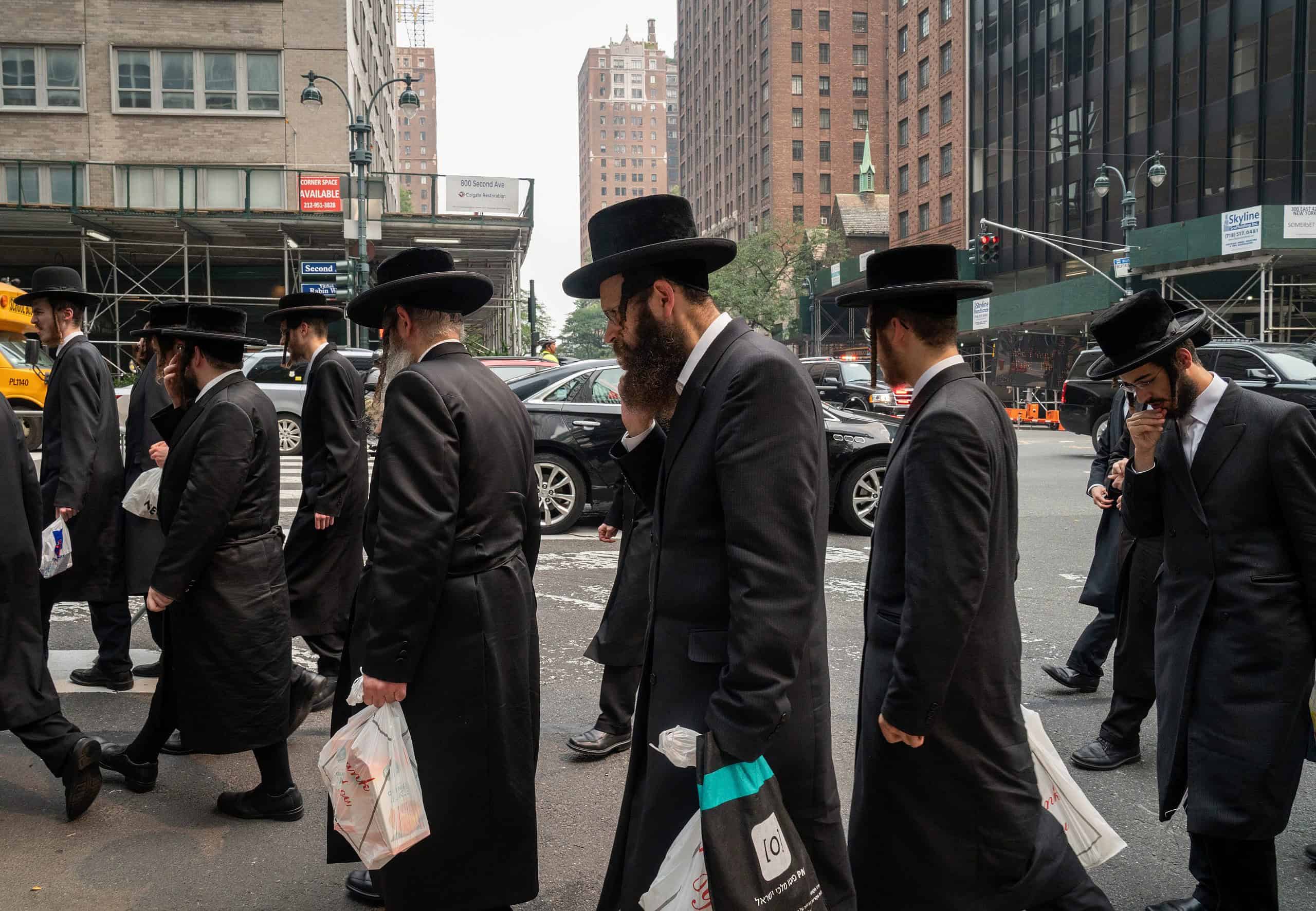
The distribution of this population is fascinating and offers distinct cultural experiences for visitors. Brooklyn is home to the largest and most concentrated Jewish communities, particularly in neighborhoods like Borough Park, Williamsburg, and Crown Heights. These areas are predominantly Orthodox and Hasidic, characterized by bustling streets, Yiddish spoken widely, numerous synagogues, yeshivas, and kosher establishments. Queens also has significant Jewish populations, particularly in neighborhoods like Forest Hills and Kew Gardens, offering a blend of Orthodox, Conservative, and Reform congregations. In Manhattan, while the overall percentage is smaller, significant communities thrive on the Upper West Side, Upper East Side, and the historic Lower East Side, home to some of the city’s oldest and most magnificent synagogues. This geographic spread ensures that Jewish culture and life are woven into the very fabric of New York City, offering endless opportunities for exploration and engagement for any traveler.
Exploring Jewish Culture Through New York City Tourism
For travelers interested in a unique cultural journey, New York City offers an unparalleled opportunity to explore Jewish heritage. From awe-inspiring architectural landmarks to world-class museums and a culinary scene that tantalizes the senses, the city provides a rich tapestry of experiences deeply rooted in Jewish tradition and history.
Iconic Landmarks and Synagogues
New York City boasts a collection of synagogues that are not just places of worship but also architectural marvels and historical landmarks. The Eldridge Street Synagogue on the Lower East Side is a must-visit. Built in 1887, this magnificent National Historic Landmark was the first grand synagogue erected by Eastern European Jews in the United States. Its stunning Moorish Revival and Gothic design, intricate stained-glass windows, and restored sanctuary offer a breathtaking glimpse into the immigrant experience and the aspirations of a community building a new life. It now operates as a museum and cultural center, hosting tours and events.
Another architectural masterpiece is Temple Emanu-El on Fifth Avenue in Manhattan. As the largest Reform synagogue in the world, its sheer scale and Romanesque Revival design are awe-inspiring. Completed in 1929, its grand interior, adorned with mosaics, stained glass, and a soaring vaulted ceiling, reflects the prosperity and integration of the German Jewish community. While less ornate but equally significant, the Central Synagogue, also in Manhattan, is another spectacular example of Moorish Revival architecture, having served its congregation since 1872. These synagogues, among many others, offer guided tours and often welcome visitors to experience their unique histories and spiritual beauty. Beyond individual structures, entire neighborhoods like Borough Park and Williamsburg in Brooklyn become living landmarks, where the rhythm of Jewish life, marked by numerous synagogues, yeshivas, and community centers, unfolds daily.

Culinary Journeys and Kosher Delights
No exploration of Jewish culture in New York City would be complete without indulging in its legendary culinary scene. Jewish food is deeply woven into the fabric of New York City cuisine, offering everything from classic comfort food to sophisticated kosher dining experiences. The iconic Katz’s Delicatessen, located on the Lower East Side, is a quintessential stop. While not strictly kosher today, it embodies the heritage of the Eastern European Jewish deli, famous for its towering pastrami and corned beef sandwiches, matzo ball soup, and nostalgic atmosphere. This establishment, open since 1888, offers a taste of culinary history.
For authentic kosher experiences, New York City is a global leader. Brooklyn neighborhoods like Borough Park and Flatbush are treasure troves of kosher restaurants, bakeries, and markets. From traditional Ashkenazi fare like knishes, kugel, and cholent to a burgeoning scene of kosher sushi, pizza, and fine dining, the options are endless. Popular spots like Russ & Daughters Cafe on the Lower East Side (or their original appetizing store) offer exquisite bagels, lox, and other appetizing essentials, representing a cornerstone of Jewish breakfast culture. Exploring these eateries is not just about eating; it’s about experiencing generations of culinary tradition and community life, making it a delicious highlight of any visit.
Museums and Cultural Institutions
To fully grasp the depth of Jewish history and culture in New York City, a visit to its specialized museums and cultural institutions is essential. The Museum of Jewish Heritage – A Living Memorial to the Holocaust, located in Battery Park City Manhattan, offers poignant exhibitions dedicated to documenting Jewish life before, during, and after the Holocaust. Its permanent collection, alongside rotating exhibits, tells powerful stories of survival, resilience, and the vibrant culture that was nearly extinguished, providing crucial historical context and lessons for humanity. The museum also frequently hosts cultural programs, film screenings, and lectures.
Further uptown, the Jewish Museum on Museum Mile on the Upper East Side focuses on art and culture, showcasing an extensive collection of Jewish art, artifacts, and media spanning over 4,000 years. Its exhibitions range from ancient archaeological finds to contemporary art, offering a broad perspective on Jewish creativity and identity across different eras and geographies. The museum also features family-friendly programs and a well-curated gift shop. These institutions, along with smaller historical societies and cultural centers scattered throughout the boroughs, serve as vital hubs for preserving, presenting, and celebrating the rich and multifaceted heritage of Jewish people in New York City and beyond, enriching the tourism experience for those seeking meaningful engagement.
Lifestyle and Community: Beyond the Tourist Trail
While landmarks and museums offer a structured look into Jewish life, truly experiencing the Jewish community in New York City involves venturing into its neighborhoods and understanding its daily rhythms and vibrant celebrations. This deeper dive offers insights into the lifestyle, communal bonds, and traditions that shape the lives of a significant portion of the city’s population.
Neighborhoods to Experience Jewish Life
The Jewish community in New York City is incredibly diverse, encompassing a wide spectrum of religious observance, cultural practices, and socio-economic backgrounds. This diversity is perhaps best observed by exploring specific neighborhoods where Jewish life flourishes.
In Brooklyn, Borough Park is world-renowned for its large concentration of Hasidic and Orthodox Jews. Walking through its streets, especially on a Friday afternoon before Shabbat or during a Jewish holiday, is an immersive cultural experience. The streets buzz with activity, filled with kosher bakeries, Judaica stores, modest fashion boutiques, and synagogues. Yiddish and Hebrew are commonly heard, and families stroll together, creating a palpable sense of community and tradition. Similarly, Williamsburg’s Hasidic community, particularly the Satmar sect, offers a distinct atmosphere. Here, centuries-old traditions are maintained amidst the backdrop of rapidly gentrifying Brooklyn, presenting a fascinating juxtaposition of old and new. The Chabad-Lubavitch World Headquarters in Crown Heights, also in Brooklyn, serves as a global hub for the Chabad movement, attracting followers and visitors from around the world and offering an opportunity to observe a dynamic, outreach-focused branch of Hasidic Judaism.
In Manhattan, while the Lower East Side largely retains its historical significance, the Upper West Side is known for its vibrant and eclectic Jewish community, home to numerous synagogues across denominations, kosher restaurants, Jewish bookstores, and cultural centers. It’s a place where diverse Jewish expressions coexist, reflecting a more modern, integrated urban Jewish identity. Visiting these neighborhoods allows travelers to witness the authentic daily life, social interactions, and enduring traditions that form the core of Jewish identity in New York City.
Festivals and Celebrations
Throughout the year, Jewish festivals and celebrations add another layer of cultural richness to New York City’s already packed calendar. Visitors can often observe or even participate in these joyous events, gaining deeper insight into Jewish traditions. During Hanukkah, giant menorahs are lit in public spaces across the city, including one of the world’s largest at Grand Army Plaza in Manhattan and another in Brooklyn. These public lightings, often accompanied by music and refreshments, create a festive atmosphere that is inclusive and welcoming.
Purim, a carnival-like holiday, sees communities dress in costumes and engage in lively celebrations, particularly noticeable in Hasidic neighborhoods. Passover brings with it the widespread sale of matzo and other kosher-for-Passover foods, transforming grocery stores and bakeries. The High Holy Days of Rosh Hashanah and Yom Kippur are observed with solemnity, leading to quieter streets as many Jewish businesses close, and residents attend services. Sukkot, the Feast of Tabernacles, is marked by the construction of temporary outdoor huts (sukkahs), which can be seen dotting balconies, backyards, and even sidewalks, particularly in Orthodox neighborhoods. These festivals are not merely religious observances; they are communal affairs that bring families and neighbors together, reinforcing bonds and preserving heritage. For travelers, observing or learning about these traditions provides a window into the spiritual and social lifeblood of New York City’s Jewish communities, offering a truly immersive cultural experience. Many local Jewish centers and synagogues also host public events and educational programs related to these holidays, welcoming those interested in learning more.
The Jewish presence in New York City is far more than a statistic; it is a vibrant, multifaceted story that contributes immeasurably to the city’s identity as a premier travel destination. From its deep historical roots and substantial demographic impact across all five boroughs to its profound influence on culture, cuisine, and urban lifestyle, the Jewish community offers a rich tapestry of experiences for any visitor. Whether you’re exploring the architectural grandeur of a historic synagogue, savoring a classic deli sandwich, delving into centuries of heritage at a museum, or simply soaking in the unique atmosphere of a bustling Brooklyn neighborhood, you’re engaging with a community that has helped shape and define the very soul of the Big Apple. New York City stands as a living testament to the resilience, creativity, and enduring spirit of its Jewish inhabitants, inviting travelers to discover this vital and fascinating dimension of one of the world’s most dynamic cities.
LifeOutOfTheBox is a participant in the Amazon Services LLC Associates Program, an affiliate advertising program designed to provide a means for sites to earn advertising fees by advertising and linking to Amazon.com. Amazon, the Amazon logo, AmazonSupply, and the AmazonSupply logo are trademarks of Amazon.com, Inc. or its affiliates. As an Amazon Associate we earn affiliate commissions from qualifying purchases.