
New York City, a global tapestry of cultures and communities, is home to the largest Jewish population outside of Israel. This vibrant presence is not merely a statistic; it’s a living, breathing component of the city’s identity, influencing its art, cuisine, politics, and daily rhythm. For travelers seeking a truly immersive cultural experience, understanding the Jewish community in New York offers a profound glimpse into a rich heritage that has shaped, and continues to shape, one of the world’s most dynamic metropolises. From the historic streets of the Lower East Side to the bustling neighborhoods of Brooklyn, the Jewish story in New York is one of resilience, community, and remarkable diversity, making it an unparalleled destination for cultural tourism and exploration.
A Vibrant Mosaic: Understanding New York’s Jewish Population
The sheer scale and diversity of the Jewish community in New York are astounding, transforming the city into a global epicenter of Jewish life. Far beyond mere numbers, this population represents a complex interplay of history, tradition, and modern dynamism. For visitors, delving into these layers offers a unique perspective on New York’s multifaceted character, inviting them to explore a heritage that is both deeply rooted and continuously evolving.
Historical Roots and Immigration Waves
The Jewish journey in New York began in 1654, when a small group of Sephardic Jews, fleeing persecution in Brazil, arrived in New Amsterdam, establishing the first Jewish community in North America. This initial settlement laid the groundwork for centuries of continuous growth, primarily fueled by successive waves of immigration. The mid-19th century saw an influx of Ashkenazi Jews from Germany and Central Europe, many of whom arrived with skills and capital, quickly integrating into the city’s economic and social fabric. They established synagogues, benevolent societies, and cultural institutions, many of which still thrive today.
However, the most transformative period occurred between the late 19th and early 20th centuries, when millions of Ashkenazi Jews, fleeing pogroms and poverty in Eastern Europe (particularly the Russian Empire and Poland), sought refuge in the United States. New York City, particularly the Lower East Side of Manhattan, became their primary port of entry. The iconic Ellis Island witnessed countless Jewish immigrants pass through its halls, forever altering the demographic landscape of the city. These new arrivals, often starting with little more than hope, transformed the Lower East Side into a bustling hub of Yiddish culture, small businesses, and political activism.
Later, the mid-20th century brought another significant wave: survivors of the Holocaust from Europe, followed by Jews fleeing repression in the Soviet Union in the latter half of the century. Each wave added unique dimensions to New York’s Jewish community, contributing to its unparalleled diversity and deepening its historical narrative. This continuous migration has made New York a living archive of Jewish history, a crucial travel destination for those interested in heritage and cultural journeys.
Current Demographics and Diversity
Today, the Jewish population of New York is estimated to be over 1.5 million people within the broader metropolitan area, making it the second-largest urban Jewish population globally, after Tel Aviv. This figure includes not only New York City’s five boroughs but also surrounding areas like Long Island and Westchester County, which have significant Jewish communities.
What truly defines New York’s Jewish community is its extraordinary internal diversity. It encompasses the full spectrum of Jewish life:
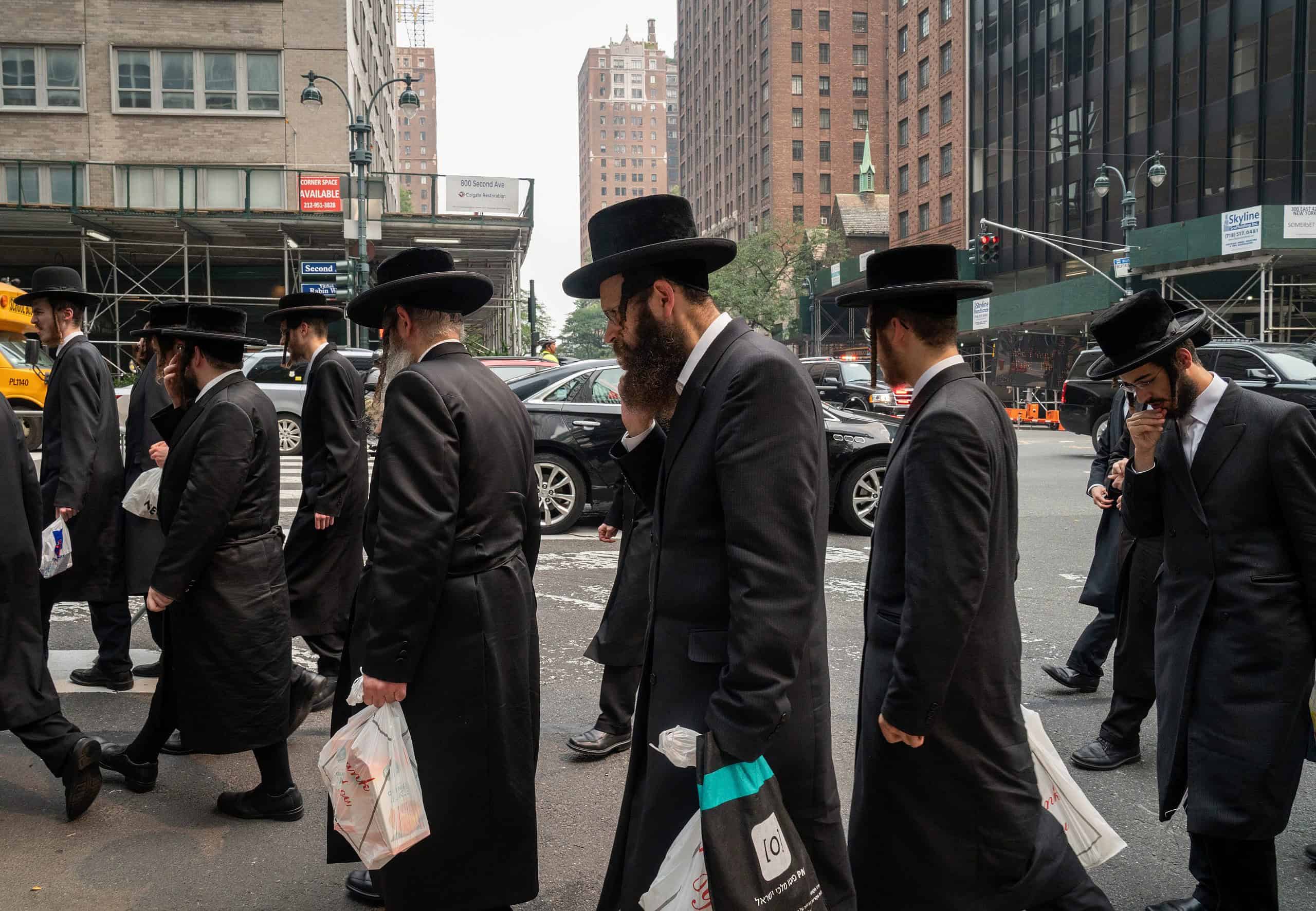
- Orthodox and Hasidic Jews: These communities, known for their strong adherence to Jewish law and distinctive traditional attire, are highly concentrated in neighborhoods like Borough Park, Williamsburg, and Crown Heights in Brooklyn. They represent a significant and visibly distinct segment, deeply impacting the cultural fabric of these areas.
- Conservative and Reform Jews: These denominations, representing more liberal interpretations of Jewish law, constitute a large segment of the Jewish population and are more widely dispersed across all boroughs, including Manhattan, Queens, and the Bronx, as well as the suburban counties. Their synagogues and community centers are pillars of civic and cultural life.
- Secular and Cultural Jews: Many individuals identify as culturally Jewish without strict religious observance, participating in Jewish life through arts, advocacy, and social connections.
- Sephardic and Mizrahi Jews: While Ashkenazi Jews form the majority, New York also hosts vibrant Sephardic communities from diverse backgrounds, including those from Syria, Egypt, and Iran, particularly in areas like Flatbush and Ocean Parkway in Brooklyn.
This incredible mosaic ensures that a journey through Jewish New York is never monolithic. It’s an exploration of myriad traditions, languages, and lifestyles, all contributing to the city’s unparalleled reputation as a global hub for diverse experiences and local culture.
Exploring Jewish Culture: Must-Visit Neighborhoods and Landmarks
For travelers, engaging with New York’s Jewish culture goes beyond statistics; it’s about experiencing the vibrant life within its neighborhoods, discovering its historical landmarks, and savoring its unique culinary contributions. This immersive journey offers a rich tapestry of sights, sounds, and tastes, making it an essential part of any cultural itinerary in the city.
Iconic Jewish Hubs
To truly grasp the essence of Jewish New York, certain neighborhoods stand out as essential destinations:

-
The Lower East Side, Manhattan: This historic district is the cradle of Jewish immigration in New York. While many Jewish residents have moved to other parts of the city and its suburbs, its legacy remains palpable. Visitors can explore the Tenement Museum, which offers poignant tours through the preserved homes of immigrant families, including Jewish ones, providing a vivid glimpse into their struggles and triumphs. The Museum at Eldridge Street Synagogue, a breathtaking National Historic Landmark, stands as a testament to the grandeur and aspiration of immigrant communities, offering tours that illuminate its stunning architecture and history. The streets still buzz with vestiges of the past, with iconic eateries and specialty shops that draw both locals and tourists.
-
Borough Park, Brooklyn: Often referred to as one of the largest Orthodox Jewish enclaves outside of Israel, Borough Park offers a profound cultural immersion. Streets are lined with kosher bakeries, Judaica shops, and busy synagogues. A walk through 13th Avenue reveals families dressed in traditional attire, especially on Fridays as preparations for Shabbat commence. While less overtly tourist-oriented, its authenticity provides an unparalleled window into the daily life of a thriving religious community.
-
Williamsburg, Brooklyn: North Williamsburg is renowned for its hipster culture, but South Williamsburg is home to one of the largest Hasidic Jewish communities in the world, primarily the Satmar Hasidim. This district offers a striking contrast and a deep dive into another facet of Orthodox Jewish life. With its unique shops, bakeries, and distinct community vibe, it presents a compelling area for respectful cultural observation.
-
Crown Heights, Brooklyn: This neighborhood is the global headquarters of the Chabad-Lubavitch movement. The central synagogue, 770 Eastern Parkway, serves as a spiritual and communal focal point, drawing thousands of adherents and visitors annually. Crown Heights is a bustling center of Jewish learning, outreach, and hospitality, offering a unique opportunity to witness the dynamism of the Chabad movement up close.
Cultural Institutions and Culinary Delights
Beyond specific neighborhoods, New York offers a wealth of institutions that celebrate and preserve Jewish heritage, complemented by a world-famous culinary scene that reflects its diverse traditions:
-
Museums and Cultural Centers:
- The Jewish Museum on Fifth Avenue in Manhattan presents a comprehensive collection of art and artifacts, spanning over 4,000 years of Jewish culture. Its exhibitions cover everything from ancient history to contemporary art, providing a broad educational experience for all visitors.
- The Museum of Jewish Heritage – A Living Memorial to the Holocaust, located in Battery Park City, offers a powerful and poignant exploration of modern Jewish life before, during, and after the Holocaust. It serves as an important educational site, emphasizing resilience and memory.
- Other notable institutions include the Center for Jewish History, home to several Jewish historical societies and archives, and numerous smaller galleries and community centers that host cultural events, lectures, and performances throughout the year.
-
Culinary Experiences: New York’s Jewish culinary scene is legendary, offering flavors that range from comforting classics to modern kosher gourmet.
- Delis: No visit is complete without experiencing a classic Jewish deli. Katz’s Delicatessen on the Lower East Side is an institution, famous for its towering pastrami sandwiches. Other beloved spots include Sarge’s Delicatessen & Diner and 2nd Ave Deli.
- Bagels and Lox: Iconic New York bagels, especially when paired with cream cheese and smoked salmon (lox), have deep Jewish roots. Establishments like Russ & Daughters, a “appetizing” store operating since 1914, offer an unparalleled taste of this tradition.
- Kosher Dining: From upscale kosher restaurants catering to various cuisines ( Italian, Mediterranean, Asian) to casual kosher pizza shops and bakeries, the city boasts an incredible array of kosher dining options, particularly in areas with large Orthodox populations. Trying a knish, rugelach, or challah from a local bakery is a must.
These landmarks and culinary havens not only tell the story of Jewish life in New York but also offer enriching experiences for any traveler interested in local culture, food, and history.
Travel Tips for Experiencing Jewish New York
Visiting New York’s diverse Jewish communities and cultural sites offers a uniquely enriching travel experience. To make the most of your journey and ensure a respectful and rewarding exploration, keeping a few practical tips in mind is essential. These guidelines will help you navigate cultural nuances and plan your visit effectively, aligning with the website’s focus on responsible tourism and informed travel.
Respectful Exploration and Engagement
When exploring Jewish neighborhoods, particularly Orthodox and Hasidic enclaves, respect for local customs and traditions is paramount.
- Dress Modestly: When visiting religious sites like synagogues or even simply walking through very religious neighborhoods such as Borough Park or South Williamsburg, it is advisable to dress modestly. This generally means covering shoulders and knees.
- Photography: Be mindful and respectful when taking photographs. Always ask permission before photographing individuals, especially children, and refrain from photographing people engaged in religious services or private moments. Some communities prefer not to be photographed at all.
- Shabbat and Jewish Holidays: During Shabbat (Friday sunset to Saturday sunset) and major Jewish holidays (Rosh Hashanah, Yom Kippur, Passover, etc.), many Jewish businesses, including kosher restaurants and shops in these neighborhoods, will be closed. Public transportation might also be less frequent. Planning your visits around these times can enhance your experience and avoid disappointment.
- Guided Tours: Consider joining a specialized walking tour of areas like the Lower East Side or Brooklyn’s Jewish neighborhoods. Knowledgeable guides can provide historical context, explain cultural practices, and offer insights that enrich your understanding while ensuring respectful engagement.

Accommodation and Logistics
Integrating your interest in Jewish New York into your broader travel plans can optimize your experience.
- Location for Accommodation: If your primary interest lies in the Jewish communities of Brooklyn, consider booking hotels or apartments in convenient locations in Downtown Brooklyn, Prospect Heights, or even within Crown Heights if you seek a deeply immersive stay (though options might be more limited). Many larger hotels in Manhattan are within easy reach of museums and historical sites.
- Transportation: New York City’s subway system is extensive and the most efficient way to travel between boroughs and neighborhoods. For longer journeys or to specific areas, ride-sharing services are readily available. Always check transit schedules, especially during weekends and holidays.
- Kosher Food Access: For travelers observing Kosher dietary laws, New York offers an unparalleled selection of kosher restaurants, groceries, and bakeries. Many hotels in and around Jewish neighborhoods may also offer kosher breakfast options or can recommend nearby kosher dining. Apps and online guides are excellent resources for locating kosher establishments.
- Booking and Reviews: As with any travel planning, leverage booking platforms and read reviews for hotels and accommodations to ensure they meet your specific needs and preferences, especially if you have particular requirements related to religious observance or cultural interests.
By following these tips, visitors can ensure a respectful, informed, and incredibly rewarding journey through the fascinating and vibrant Jewish heart of New York, enriching their understanding of both this remarkable community and the city itself.
The Jewish population of New York, numbering well over a million across the metropolitan area, is not just a demographic fact; it is a foundational pillar of the city’s global identity. From its earliest roots in New Amsterdam to its present-day status as a hub of unparalleled diversity, the Jewish community has profoundly shaped New York’s character, contributing immeasurably to its cultural, economic, and social landscape. For any discerning traveler, exploring this heritage offers more than just a tour of landmarks; it’s an invitation to immerse oneself in a living history, to savor unique culinary traditions, and to witness the enduring spirit of a community that thrives amidst the city’s constant evolution. Whether you are interested in history, food, or simply the vibrant tapestry of human experience, Jewish New York promises an unforgettable journey.
LifeOutOfTheBox is a participant in the Amazon Services LLC Associates Program, an affiliate advertising program designed to provide a means for sites to earn advertising fees by advertising and linking to Amazon.com. Amazon, the Amazon logo, AmazonSupply, and the AmazonSupply logo are trademarks of Amazon.com, Inc. or its affiliates. As an Amazon Associate we earn affiliate commissions from qualifying purchases.