
The New York City Marathon is more than just a race; it’s a pilgrimage for runners from across the globe, a vibrant spectacle that transforms the city into a living, breathing course. Every year, hundreds of thousands of participants and millions of spectators converge on the five boroughs of New York to witness this iconic event. For many, the burning question isn’t just about strategy or training, but a fundamental piece of information: how many miles does the New York City Marathon actually cover? The answer, while seemingly simple, unlocks a world of understanding about the immense challenge and the sheer scale of this athletic endeavor.

The official distance of the New York City Marathon is, in alignment with all major marathons worldwide, 26.2 miles. This standardized distance ensures that runners competing in different marathons are measured against the same benchmark, allowing for fair comparisons and the pursuit of global records. However, understanding this number is merely the starting point. The true magic of the New York City Marathon lies in how those 26.2 miles are distributed across the diverse and iconic landscapes of New York City. It’s a journey that weaves through a tapestry of neighborhoods, bridges, and landmarks, offering a unique perspective on one of the world’s most dynamic cities.
This renowned race is a testament to endurance, determination, and the spirit of human achievement. It draws elite athletes vying for victory and amateurs fulfilling lifelong dreams. The experience is profound, not just for the runners, but for the city itself, which embraces the event with unparalleled enthusiasm. From the early morning chill as runners gather on Staten Island to the triumphant cheers as they cross the finish line in Central Park, the marathon is an unforgettable experience.
The Iconic Course: A Journey Through the Five Boroughs
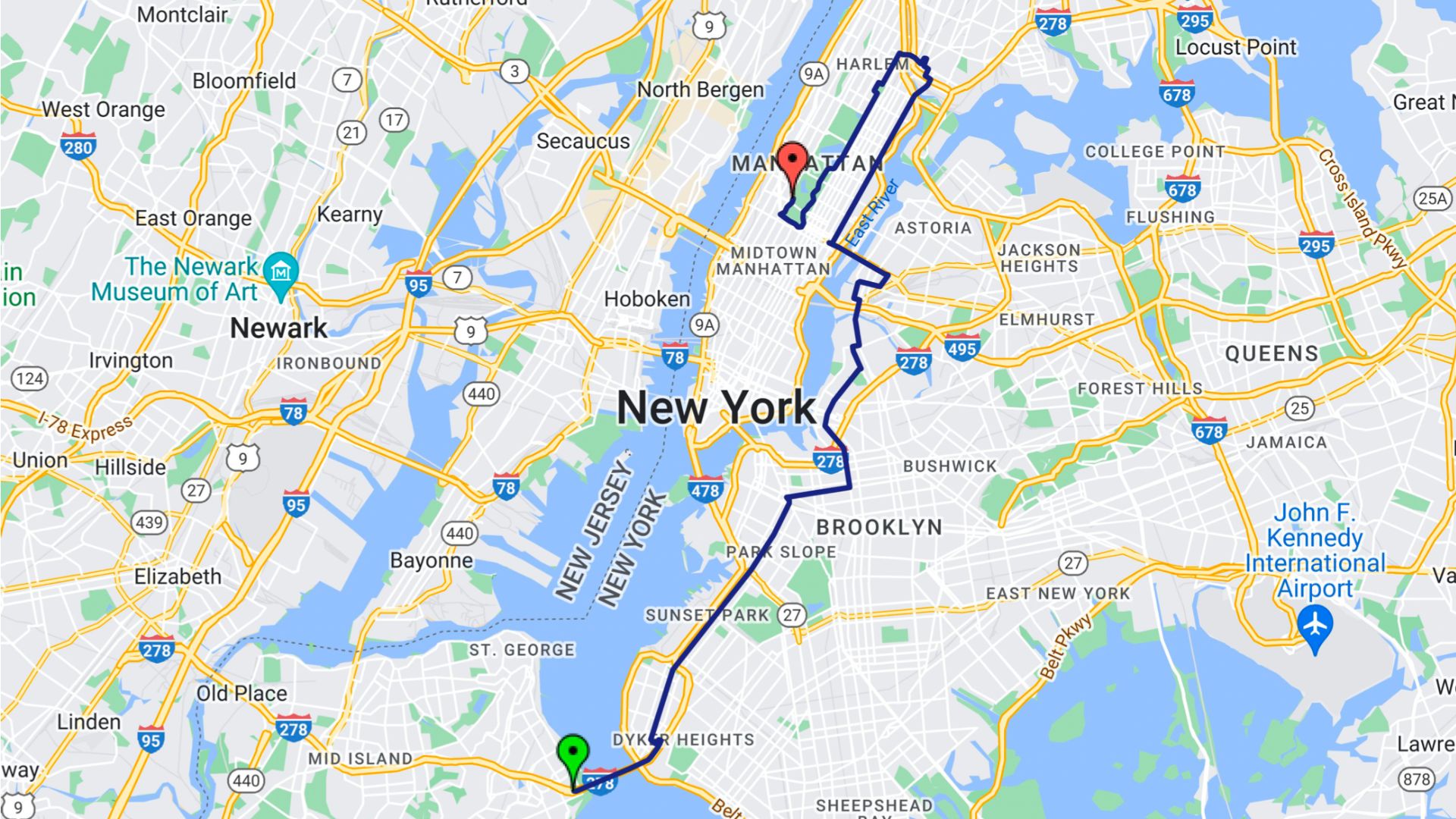
The New York City Marathon isn’t just a test of physical stamina; it’s a comprehensive tour of New York City’s distinct character. The 26.2-mile route is meticulously designed to showcase the city’s diversity, taking runners from the quiet, suburban beginnings on Staten Island to the bustling heart of Manhattan. Each mile presents a new vista, a new sound, and a new challenge, all contributing to the race’s legendary status.
The Start: Staten Island and the Verrazzano-Narrows Bridge
The marathon officially kicks off on Staten Island, with the starting line located near the toll plaza of the magnificent Verrazzano-Narrows Bridge. Runners begin their journey by ascending this iconic suspension bridge, offering breathtaking panoramic views of the New York Harbor, the Statue of Liberty, and the Manhattan skyline. This initial climb is often the first major physical test of the race, demanding focus and energy from the outset. The sheer spectacle of thousands of runners ascending the bridge, with the city spread out before them, is an unforgettable sight. This section of the course, though relatively short, is crucial for setting the tone for the rest of the race. The early miles are often characterized by a controlled pace as runners find their rhythm and navigate the initial crowds. The Verrazzano-Narrows Bridge itself is a landmark of engineering and a symbol of connection, perfectly setting the stage for the journey across the city.
Brooklyn: The Roar of the Crowd
Upon descending from the Verrazzano-Narrows Bridge, runners are immediately plunged into the vibrant streets of Brooklyn. This borough is renowned for its enthusiastic spectators, who line the roads in their hundreds of thousands, creating an electrifying atmosphere. Miles 2 through 13 are spent traversing the diverse neighborhoods of Brooklyn, from the historic brownstones of Park Slope to the eclectic enclaves of Williamsburg and Bushwick. The energy generated by the crowd is palpable, providing a crucial boost to runners as they face the challenging middle portion of the marathon. This is where the true heart of the community support for the New York City Marathon is felt. Local residents, families, and running clubs set up cheering stations, offering water, encouragement, and a deafening roar that propels participants forward. The flat terrain in much of Brooklyn allows runners to find a steady pace, but the sheer volume of people can also present a strategic challenge, requiring runners to weave and maintain composure.
Queens and the Queensboro Bridge: A Bridge to Manhattan

As the race progresses, runners enter Queens, the largest of New York’s boroughs. The miles through Queens offer a different flavor, with diverse communities and a strong sense of local pride. The course winds through neighborhoods like Long Island City, providing glimpses of the Manhattan skyline that now appears tantalizingly close. The next significant challenge arrives in the form of the Queensboro Bridge. This iconic bridge, also known as the 59th Street Bridge, offers another ascent, and while it may not be as visually dramatic as the Verrazzano-Narrows Bridge, it’s a crucial point in the race. The climb is gradual but demanding, and the relative quiet of the bridge—with fewer spectators allowed—can be a mental test for runners. Emerging from the Queensboro Bridge brings runners onto the fabled streets of Manhattan, specifically on the East Side. The transition is often met with a surge of renewed energy, fueled by the proximity to the race’s iconic finish.
Manhattan: The Final Frontier
The final stretch of the New York City Marathon unfolds on the iconic streets of Manhattan. After crossing the Queensboro Bridge, runners turn north and head up First Avenue. This long, straight avenue is famously lined with cheering crowds, creating a tunnel of sound and support. It’s a section where runners can often feel the collective spirit of the city lifting them. However, the miles in Manhattan are not without their challenges. Runners will eventually turn west and head towards Central Park. The course then leads participants through the winding paths and rolling hills of this legendary urban oasis. The final miles within Central Park are often described as the most grueling, as fatigue sets in and the natural terrain of the park demands a final surge of effort. The finish line is located on the west side of the park, near Tavern on the Green, a truly spectacular setting for runners to achieve their marathon dreams. The culmination of the 26.2 miles in the heart of New York is an experience that resonates long after the race is over.
Beyond the Miles: The Experience of the New York City Marathon
While the distance of 26.2 miles is the quantifiable measure of the New York City Marathon, the true essence of the event lies in the immersive experience it offers. This isn’t just about covering ground; it’s about engaging with the pulse of New York City, a destination that captivates millions with its unique blend of culture, history, and sheer dynamism. For travelers, participating in or spectating the marathon provides an unparalleled opportunity to explore the city’s diverse offerings.
Exploring the City and Its Landmarks
The marathon course itself acts as a curated tour of New York’s most famous sights. Runners and spectators alike are exposed to landmarks that define the city’s identity. From the majestic Statue of Liberty visible from the Verrazzano-Narrows Bridge to the iconic Empire State Building that often punctuates the Manhattan skyline, the marathon showcases the grandeur of New York. The journey through neighborhoods like Brooklyn Heights offers glimpses of historic architecture, while the final miles in Central Park immerse participants in one of the world’s most beloved urban parks. Beyond the race, New York boasts a wealth of attractions. Visitors can explore world-class museums like the Metropolitan Museum of Art and the Museum of Modern Art, marvel at the architectural wonders of Grand Central Terminal and the Chrysler Building, or experience the vibrant energy of Times Square. The city’s public transportation system makes it easy to navigate between these diverse locations, allowing travelers to extend their experience beyond race day.
Accommodation and Lifestyle Choices
The New York City Marathon attracts a global audience, and with it comes a significant demand for accommodation. Whether seeking luxury suites in Midtown Manhattan, charming apartments in Brooklyn, or family-friendly resorts, New York offers a vast array of lodging options. Popular areas for marathon attendees include hotels near Central Park for easy access to the finish line, or those in Staten Island or Brooklyn to experience the earlier stages of the race. Beyond the immediate race vicinity, New York caters to all travel lifestyles. Luxury travel enthusiasts can indulge in opulent hotels and fine dining, while budget travel seekers can find more affordable options in various neighborhoods, often enjoying the city’s incredible public transportation. Family trips can be enriched by the city’s numerous attractions, from the Bronx Zoo to the New York Transit Museum. Even business stays can be enhanced by the energy and excitement surrounding the marathon. The city’s diverse culinary scene, from street food vendors to Michelin-starred restaurants, offers an endless exploration for food lovers, mirroring the diversity of the marathon’s course.
The Tourism Impact and Local Culture
The New York City Marathon is a colossal event that significantly impacts tourism, bringing millions of dollars into the city’s economy. It’s a prime example of how major sporting events can catalyze local tourism. Visitors are not just drawn to the race itself but also to the opportunity to immerse themselves in the rich tapestry of New York’s local culture. The marathon route passes through communities that have their own unique identities, flavors, and traditions. Spectators can experience the distinct rhythms of Harlem, the artistic vibe of Williamsburg, or the community spirit of Queens. Beyond the race day excitement, New York offers a plethora of cultural experiences. From Broadway shows in the Theater District to live music venues in the Lower East Side, there’s always something to discover. The city’s history is etched into its landmarks, from Ellis Island and the National September 11 Memorial & Museum to the historic streets of Greenwich Village. Tips for enjoying the marathon as a spectator include arriving early to secure a good viewing spot, utilizing public transportation to navigate between boroughs, and embracing the local spirit by sampling food from street vendors or visiting neighborhood pubs. The New York City Marathon is more than just 26.2 miles; it’s an invitation to explore, to experience, and to be a part of something truly extraordinary in one of the world’s most iconic cities.