
The Boston Marathon is more than just a race; it’s an iconic event steeped in history and tradition, drawing elite athletes and enthusiastic runners from around the globe to the historic city of Boston. For those planning to participate, spectate, or simply understand the magnitude of this celebrated athletic endeavor, a fundamental question arises: “How many miles is the Boston Marathon?” The answer, deeply ingrained in the fabric of the event, is a precise 26.2 miles. This distance, a standard for all marathons globally, holds particular significance for the Boston Marathon due to its challenging course and the legendary status it has achieved over its long history.
The Storied History and Standard Marathon Distance
The Boston Marathon, organized by the Boston Athletic Association, is the world’s oldest annual marathon, first run in 1897. Its origins are rooted in the modern Olympic marathon, introduced at the 1896 Olympic Games in Athens, Greece. The marathon distance itself was standardized to approximately 26 miles and 385 yards (or 42.195 kilometers) for the 1908 London Olympics. This length was chosen to accommodate a route from Windsor Castle to the Olympic stadium. The Boston Marathon adopted this official distance, cementing its place within the established lore of long-distance running.
The Course: A Journey Through Massachusetts Towns
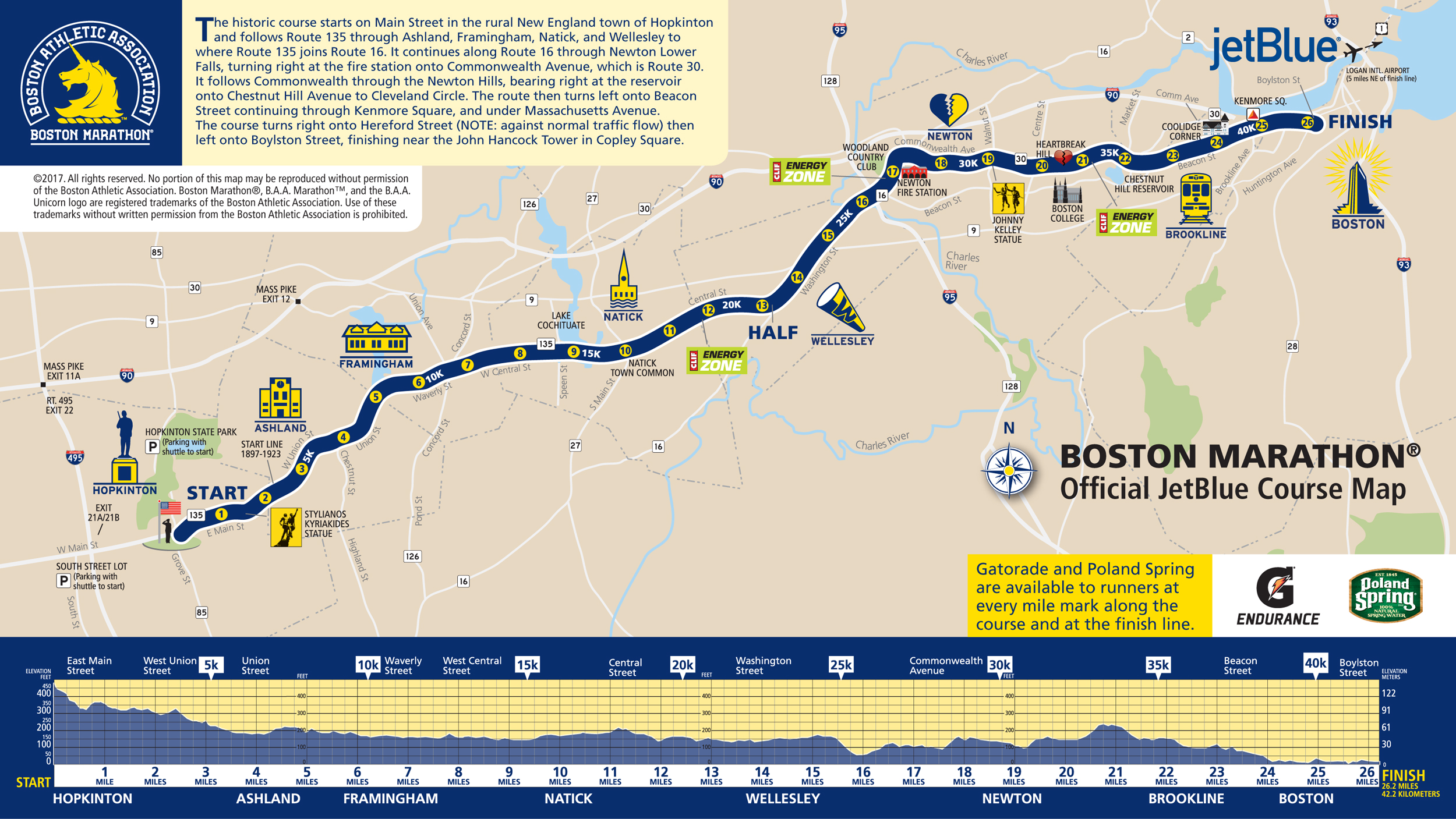
While the distance is constant, the journey itself is a significant part of the Boston Marathon experience. The race begins in the picturesque town of Hopkinton, Massachusetts, and winds its way through eight scenic New England communities before finishing on Boylston Street in the heart of Boston. Each town offers unique spectator opportunities and challenges for the runners.
The initial miles are often described as deceptively downhill, but the terrain soon becomes more undulating. Runners pass through Ashland, Framingham, Natick, and Wellesley, the latter famously known for its “Screaming Tunnel” of enthusiastic college students. The halfway point is typically around the town of Newton, which presents some of the most demanding hills, including the notorious Heartbreak Hill.
Wellesley College and the “Screaming Tunnel”
One of the most memorable sections for runners and spectators alike is the stretch through Wellesley. As runners approach Wellesley College, the noise level dramatically increases. Thousands of female students line the route, creating what is popularly known as the “Screaming Tunnel.” This wall of sound and energy is intended to provide a significant boost to runners as they tackle the challenging miles ahead. The sheer volume of cheers and the palpable excitement make this a defining moment of the race.
Heartbreak Hill and the Newton Lowlands
The hills of Newton are legendary in the Boston Marathon circuit. While there are several inclines, the most infamous is Heartbreak Hill. This long, gradual climb, situated around mile 20, tests the mental and physical fortitude of even the most seasoned runners. Conquering Heartbreak Hill is often seen as a turning point in the race, with the remaining miles generally trending downhill towards Boston. The physical exertion required to ascend this hill, coupled with the fatigue of having already run 20 miles, can indeed feel like a “heartbreak” for those who are not adequately prepared.
Beyond the Finish Line: Experiencing Boston
For those who travel to Boston to witness or participate in the marathon, the city offers a wealth of attractions and experiences. The marathon itself is a major tourist draw, bringing a vibrant atmosphere to the city in April.
Landmarks and Attractions for Visitors
Beyond the race itself, Boston boasts a rich history and numerous landmarks. Visitors can explore Freedom Trail, a 2.5-mile walking path that leads to 16 historically significant sites, including Faneuil Hall Marketplace, the Old North Church, and the site of the Boston Massacre. The historic Boston Common, the oldest city park in the United States, provides a green oasis in the urban landscape. For those interested in culture and arts, the Museum of Fine Arts and the Isabella Stewart Gardner Museum offer world-class collections.
The city is also a hub for higher education, home to prestigious universities like Harvard University and the Massachusetts Institute of Technology (MIT), both located across the Charles River in Cambridge. A visit to Beacon Hill, with its charming cobblestone streets and historic row houses, offers a glimpse into Boston‘s past.
Accommodation and Travel Tips
Planning a trip to Boston for the marathon, whether as a runner or a spectator, requires careful consideration of accommodation and travel. The event attracts a massive influx of visitors, making early booking essential.
Hotels and Accommodation Options
Boston offers a wide range of accommodation options to suit various budgets and preferences. From luxury hotels like the Fairmont Copley Plaza and the Four Seasons Hotel Boston to boutique hotels and more budget-friendly options, there are choices for everyone. Many hotels are conveniently located near the finish line on Boylston Street or along the race route, providing easy access for spectators. For those seeking extended stays or a more local experience, apartments and vacation rentals are also available. Popular areas to consider for accommodation include Back Bay, Downtown Boston, and the Seaport District.

Navigating Boston and Race Day Logistics
Getting around Boston during marathon week can be an adventure in itself. The city’s public transportation system, known as the MBTA or “the T,” is an efficient way to navigate the metropolitan area. However, expect crowds and potential delays, especially on race day. Many streets are closed to traffic, making walking or using the subway the most practical options for reaching viewing points.
For runners, understanding the logistics of race day, including transportation to the starting line in Hopkinton and bag check services, is crucial. Organizers provide shuttle buses from Boston to Hopkinton for registered participants. Spectators should plan their viewing locations in advance and arrive early to secure a good spot. The energy of race day in Boston is electric, with residents and visitors lining the streets to cheer on the thousands of runners as they complete the challenging 26.2 miles.
The Boston Marathon is more than just a race; it’s a testament to human endurance, a celebration of athleticism, and a cherished tradition that encapsulates the spirit of New England. Whether you are aiming to run the full 26.2 miles or simply to experience the unparalleled atmosphere, understanding the distance and the journey is key to appreciating this extraordinary event.
LifeOutOfTheBox is a participant in the Amazon Services LLC Associates Program, an affiliate advertising program designed to provide a means for sites to earn advertising fees by advertising and linking to Amazon.com. Amazon, the Amazon logo, AmazonSupply, and the AmazonSupply logo are trademarks of Amazon.com, Inc. or its affiliates. As an Amazon Associate we earn affiliate commissions from qualifying purchases.