
The question “How many miles is California to New York?” evokes more than just a numerical answer; it conjures images of epic cross-country road trips, the vastness of the United States, and the quintessential American adventure. Spanning the entire breadth of the continental nation, a journey from the sun-drenched beaches of California to the bustling streets of New York is an odyssey of discovery, contrasting landscapes, diverse cultures, and unforgettable experiences. While the exact mileage varies significantly depending on your starting point, your destination, and the route you choose, the essence of this journey lies in its profound scale and the myriad possibilities it presents for travelers.
The Great American Traverse: Defining the Distance
Understanding the distance from California to New York involves more than just a single number; it’s a multi-faceted calculation that depends on your mode of transport and the specific paths you take. This coast-to-coast trek is a dream for many, offering a unique perspective on the nation’s geography and heritage.
By Road: The Iconic American Road Trip
For most adventurers contemplating the journey, the road trip is the default. Driving across the country offers unparalleled freedom and the chance to truly immerse oneself in the changing scenery. The distance by road typically ranges from 2,700 to 3,000 miles (approximately 4,345 to 4,828 kilometers), depending on the route.
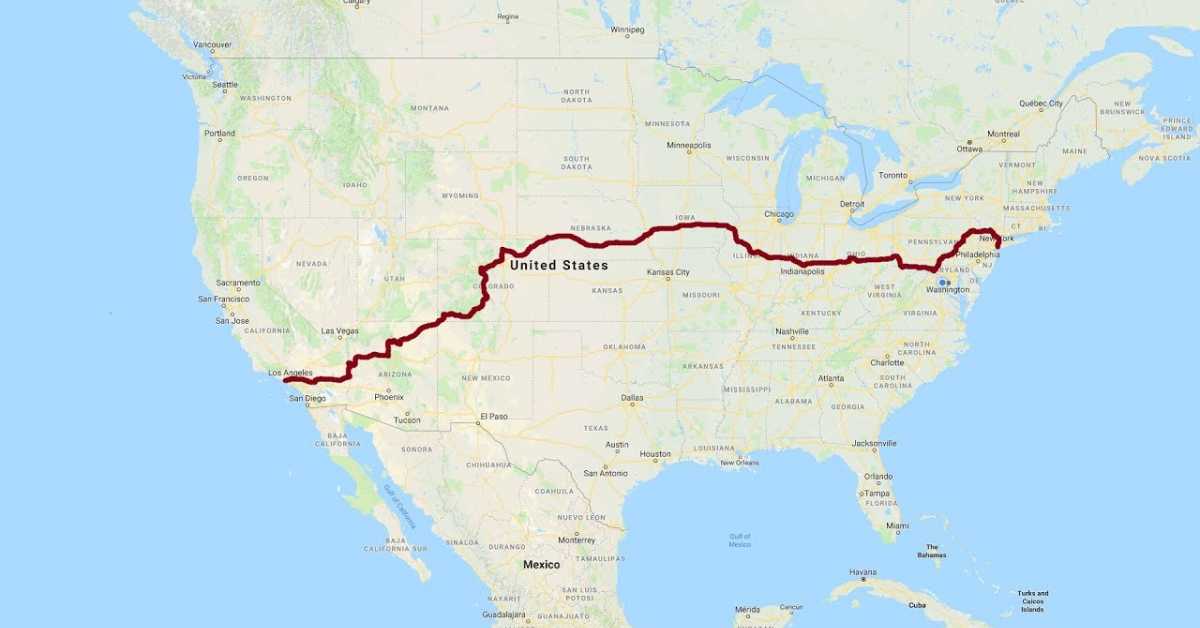
- Northern Routes: A popular northern route might take you from a city like San Francisco or Los Angeles through the upper Midwest. Following major interstates such as I-80 (which stretches from San Francisco all the way to New York City’s suburbs) is common. This path could take you through states like Nevada, Utah, Wyoming, Nebraska, Iowa, Illinois, Indiana, Ohio, Pennsylvania, and finally into New York. A journey from Los Angeles to New York City via I-80 typically spans around 2,800 miles, equating to roughly 42-45 hours of pure driving time.
- Southern Routes: Alternatively, a southern route might utilize I-40 or I-10 for part of the journey. For instance, traveling from Los Angeles to New York City via I-40 and then connecting to other interstates (like I-81 and I-78) might bring the total to around 2,900 miles, taking a similar amount of driving time. This route might pass through Arizona, New Mexico, Texas, Oklahoma, Arkansas, Tennessee, Virginia, and then north.
Considering average driving speeds and necessary stops for rest, meals, and sightseeing, a cross-country drive typically requires 5 to 7 days to complete comfortably, without rushing. Budget travelers might opt for more rustic accommodations, while those seeking a bit of luxury might integrate stays at exquisite boutique hotels or resorts along their chosen path.
As the Crow Flies: Straight-Line Distance
For a purely geographical perspective, the straight-line distance, or “as the crow flies,” between California and New York is considerably shorter. For example, the aerial distance between Los Angeles and New York City is approximately 2,450 miles (3,943 kilometers). While this figure is largely irrelevant for ground travel, it highlights the efficiency of air travel. A direct flight between these two major hubs typically takes around 5 to 6 hours, showcasing the significant difference from driving.
Other Modes of Transport: Rail and Air
While the focus is often on miles, it’s worth noting other travel options. Amtrak offers cross-country train routes, such as the California Zephyr or Southwest Chief connecting to other lines. These journeys provide a unique, scenic experience, often taking 3-4 days from coast to coast, but cover similar distances as driving routes due to track paths. For those prioritizing speed, flying is the most efficient, reducing the “miles” of travel time to mere hours.
Crafting Your Journey: Beyond the Miles
A cross-country trip is more than just covering distance; it’s about the adventure, the sights, and the experiences. Planning carefully ensures that your journey from California to New York is as memorable as the destinations themselves.
Route Selection: Choosing Your Adventure
The choice between a northern or southern route dramatically impacts the scenery and attractions you’ll encounter.
- Northern Route Highlights: A route through the northern states might offer views of the Rocky Mountains in Colorado or Wyoming, the vast plains of the Midwest, and eventually the rolling hills and forests of the Appalachian Mountains as you approach the East Coast. Cities like Denver, Omaha, and Chicago offer vibrant cultural stops, from museums and culinary scenes to historical landmarks.
- Southern Route Highlights: Opting for a southern path could lead you through the arid beauty of the Southwest, perhaps even with a detour to the Grand Canyon National Park in Arizona or the vibrant nightlife of Las Vegas in [Nevada]. Further east, you might experience the unique charm of Texas, the musical heritage of cities like Nashville in Tennessee, or the historical significance of places in Virginia. Cities like St. Louis with its iconic Gateway Arch also stand as potential stops.
- Seasonal Considerations: Your route choice should also factor in the time of year. Northern routes can face challenging snow and ice conditions in winter, making southern alternatives more appealing. Conversely, the summer heat in the Southwest can be intense.
Accommodation Along the Way: Where to Rest Your Head
One of the most enjoyable aspects of a long road trip is the variety of accommodations available. From basic motels to luxurious suites, your choices can shape the entire travel experience.
- Budget-Friendly Stays: For those on a tighter budget, countless chain motels and smaller, independently owned establishments line the major interstate highways. Websites and apps dedicated to accommodation booking can help you find affordable options, often with traveler reviews, ensuring you get decent value.
- Mid-Range Comfort: Many travelers prefer mid-range hotels like a Hilton Garden Inn or a Marriott Courtyard. These typically offer comfortable rooms, amenities like pools and fitness centers, and often complimentary breakfast. They are ideal for breaking up long driving days and recharging.
- Splurge Stays and Unique Experiences: If you’re looking to elevate your trip, consider splurging on a unique stay. This could be a charming boutique hotel in a picturesque small town, a luxury resort in a major city like Denver or Kansas City, or even a cabin rental near a national park. Platforms like Airbnb also offer an array of unique homes, apartments, and villas for a more personalized touch. For longer stops, perhaps an extended stay hotel could offer more home-like amenities.
- Booking Tips: It’s often wise to book accommodations a day or two in advance, especially during peak travel seasons or if you have specific preferences, to ensure availability and potentially better rates. Utilizing comparison websites can help find the best deals, while reading reviews offers insight into the quality and service.
Must-See Landmarks and Attractions
The journey from California to New York is punctuated by countless opportunities to explore incredible landmarks and immerse yourself in local culture.

- Natural Wonders: Beyond the Grand Canyon National Park, consider detours to Zion National Park or Bryce Canyon National Park in Utah, Yellowstone National Park in Wyoming, or Yosemite National Park in California. These destinations showcase the breathtaking diversity of the American landscape.
- Man-Made Marvels: Iconic landmarks like the Golden Gate Bridge in San Francisco, the Gateway Arch in St. Louis, and the Statue of Liberty in New York Harbor are quintessential American sights. Smaller towns often boast unique historical sites, quirky roadside attractions, and local museums that offer a glimpse into regional history and charm.
- Cultural and Culinary Experiences: Don’t forget to savor the local cuisine along the way. From California fusion and Southwestern flavors to Midwestern comfort food and East Coast seafood, your taste buds can embark on their own journey. Engaging with local communities, whether at a farmers market or a small-town festival, enriches the travel experience significantly.
Embracing the Journey: Tips for a Seamless Cross-Country Trip
While the miles from California to New York might seem daunting, careful planning and an adventurous spirit can make the trip seamless and enjoyable.
Budgeting for the Long Haul
A cross-country drive involves several key expenses:
- Fuel: This will likely be your largest expense. Research gas prices along your route and consider a fuel-efficient vehicle.
- Accommodation: As discussed, this can vary widely. Pre-booking or using loyalty programs can help manage costs.
- Food: Balance restaurant meals with snacks and picnic supplies from grocery stores to save money. Explore local diners for authentic and often affordable experiences.
- Attraction Fees: Factor in costs for national park entrances, museum tickets, and other activities. Many national parks offer annual passes, which can be cost-effective if you plan to visit multiple parks.
- Contingency Fund: Always have extra funds for unexpected vehicle issues or emergency accommodations.
Whether you’re planning a luxury travel experience with upscale resorts and fine dining or a budget travel adventure focusing on camping and roadside attractions, a clear budget is crucial.
Safety and Preparedness
Long-distance travel requires diligence:
- Vehicle Maintenance: Before you leave, ensure your vehicle is in top condition. Check tires, oil, fluids, and brakes. Carry an emergency kit with jumper cables, a first-aid kit, tools, and extra water.
- Navigation: While GPS is invaluable, always have a physical map or offline maps downloaded as a backup, especially in areas with poor cell service.
- Driver Fatigue: Share driving responsibilities if possible, and plan for regular breaks. Drowsy driving is dangerous.
- Valuables: Keep valuables out of sight in your vehicle and be aware of your surroundings, especially in unfamiliar areas.
Maximizing the Experience
Beyond the practicalities, focus on enjoying the journey:
- Flexibility: While a plan is good, be open to spontaneous detours. Some of the best memories come from unexpected discoveries.
- Local Immersion: Seek out local eateries, small towns, and non-touristy spots. Engage with locals to learn about their culture and recommendations.
- Documentation: Keep a journal, take plenty of photos, and perhaps even create a video diary to capture the evolution of your journey.
- Travel Companions: The right travel companions can make or break a trip. Ensure everyone is on the same page regarding pace, budget, and interests. Whether it’s a family trip, a couples getaway, or a solo adventure, understanding the dynamics is key.
Journey’s End: California to New York – The Destinations Themselves
As you traverse the thousands of miles, the journey ultimately leads you from one iconic state to another, each offering its own unique allure.
Starting Point: The Golden State
California, often called the Golden State, is a land of incredible diversity, from the redwood forests of the north to the deserts of the south. Whether you begin your journey in Los Angeles, San Francisco, or another vibrant city, California offers a fantastic prelude to your cross-country adventure.
- Attractions: Explore the magic of Disneyland Park or Universal Studios Hollywood, stroll along the Santa Monica Pier, hike in Yosemite National Park, or drive the scenic Big Sur coastline. In San Francisco, visit Alcatraz Island or ride a cable car. The wine regions of Napa Valley and Sonoma also offer exquisite experiences.
- Accommodation in California: From luxury beachfront resorts in Malibu to trendy boutique hotels in West Hollywood, California provides a spectrum of lodging. Consider the Beverly Wilshire, A Four Seasons Hotel for opulence in Beverly Hills or a charming inn in Carmel-by-the-Sea.

The Grand Finale: The Empire State
Arriving in New York, the Empire State, is a dramatic conclusion to your journey. Whether you’re drawn to the vibrant energy of New York City or the natural beauty of Upstate New York, the state offers a wealth of experiences.
- Attractions in New York: In New York City, explore Times Square, wander through Central Park, catch a Broadway show, visit world-class museums like the Metropolitan Museum of Art or the Museum of Modern Art, or take in the views from the Empire State Building or One World Trade Center. Beyond the city, the majestic Niagara Falls on the border with Canada is a spectacular natural wonder.
- Accommodation in New York: From the historic elegance of The Plaza Hotel overlooking Central Park to trendy boutique hotels in SoHo or Greenwich Village, New York City offers accommodations for every taste and budget. You can find luxury suites in Manhattan’s Financial District, family-friendly apartments in Brooklyn, or charming villas upstate.
Ultimately, the question of “how many miles is California to New York?” is answered not just by numbers on a map, but by the countless stories, vistas, and personal transformations that unfold across those thousands of miles. It’s a journey that embodies the spirit of exploration, inviting travelers to discover the rich tapestry of the United States, one mile at a time.