
For runners, spectators, and travel enthusiasts alike, the question “How many miles is the Boston Marathon?” carries a weight far beyond a simple numerical answer. It represents a challenge, a tradition, and an unparalleled travel experience. The definitive distance of the Boston Marathon is 26.2 miles, or precisely 42.195 kilometers. This iconic measurement is not just a standard; it’s a testament to endurance, a nod to ancient history, and the gold standard for marathons worldwide. But to truly understand the essence of this celebrated race is to delve deeper than the numbers – it’s to explore the historic course, the vibrant city of Boston that hosts it, and the rich tapestry of experiences that surround this global phenomenon.
Unraveling the Iconic Distance: The Boston Marathon’s True Length
The 26.2-mile distance, while now universal for marathons, has an interesting origin story, deeply intertwined with the Olympic Games. While the initial Olympic marathons in 1896 (Athens) and 1900 (Paris) were roughly 25 miles, inspired by the legend of Pheidippides, the modern 26.2-mile standard was cemented at the 1908 London Olympics. The race started at Windsor Castle to allow the royal children to watch from the nursery and finished in front of the royal box at White City Stadium, resulting in the precise distance of 26 miles and 385 yards. This measurement was then officially adopted by the International Amateur Athletic Federation (now World Athletics) in 1921, becoming the standard for all future marathons, including the venerable Boston Marathon.

The Boston Marathon, organized by the Boston Athletic Association (B.A.A.), proudly adheres to this international standard, meticulously measuring its course each year to ensure accuracy. It stands as the world’s oldest annual marathon, first run in 1897, just one year after the inaugural Olympic marathon. This enduring legacy is a powerful draw for elite athletes, dedicated amateurs, and countless spectators, transforming the city into a global hub of athletic aspiration and community spirit every Patriots’ Day.
A Legacy of Endurance: The Marathon’s Storied History
The story of the Boston Marathon is one of innovation, perseverance, and societal change. From its humble beginnings with 15 starters, it quickly grew in prominence, becoming a fixture on the American sporting calendar. It was revolutionary in its time, demonstrating the potential for long-distance running as a competitive sport. Over the decades, it has broken barriers, most notably with the unofficial run of Kathrine Switzer in 1967, paving the way for women’s official participation in 1972. The event has witnessed countless triumphs, heart-stopping finishes, and stories of human resilience that continue to inspire.
The Boston Marathon’s status as a qualifying race further elevates its prestige. Unlike many other major marathons, a significant portion of its field must meet stringent time standards for their age and gender, making it a dream race for competitive runners worldwide. This qualification process creates a unique atmosphere of shared achievement and respect among participants, fostering a strong sense of camaraderie on the course. For many, simply earning a spot at the starting line in Hopkinton is the culmination of years of dedicated training and sacrifice, embodying the ultimate lifestyle goal for an endurance athlete.
The Challenging Course: From Hopkinton to Copley Square
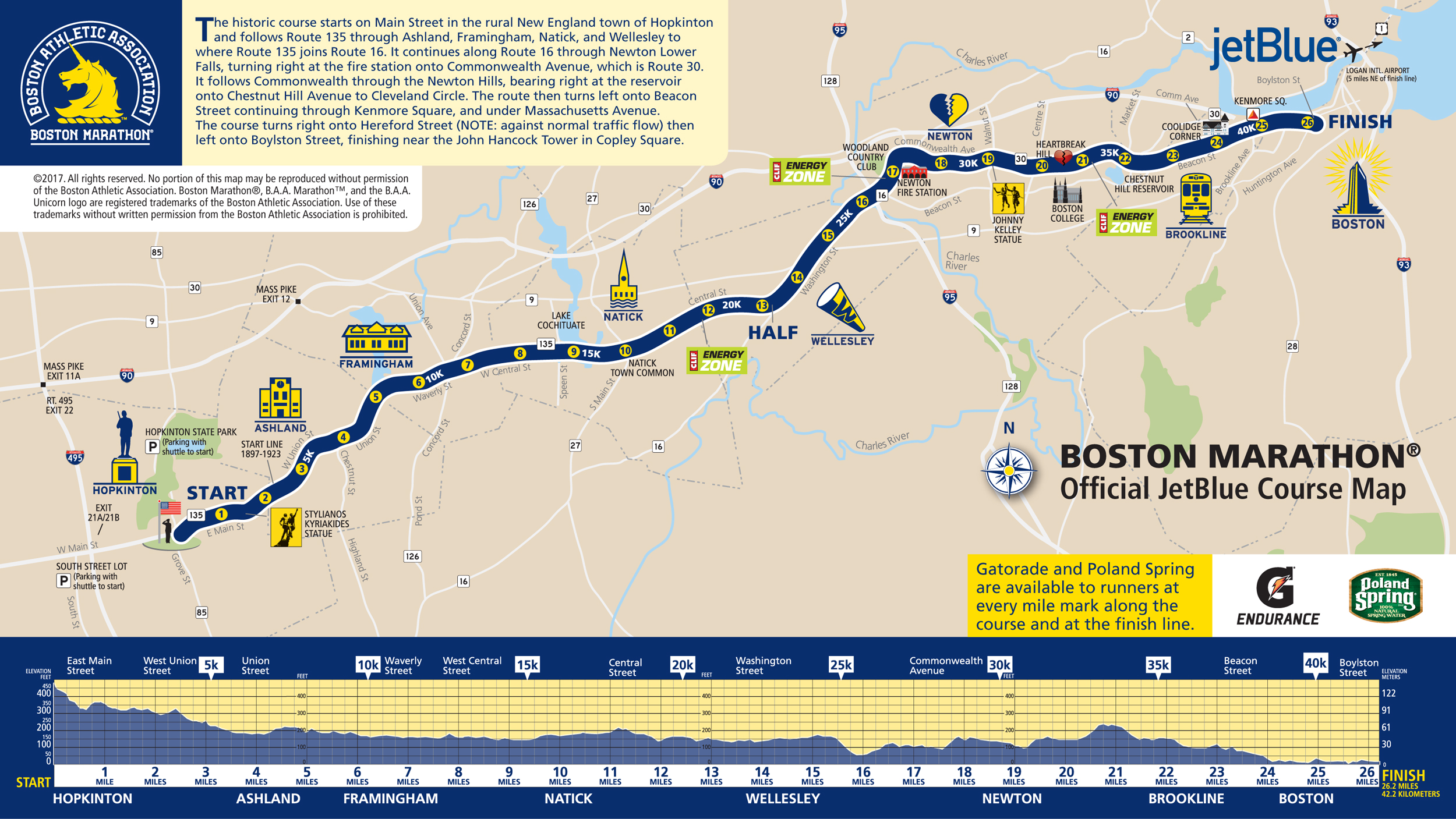
The 26.2 miles of the Boston Marathon are far from flat or uneventful. The point-to-point course, running generally east from Hopkinton to the finish line on Boylston Street in Boston, is renowned for its undulating terrain and challenging “Heartbreak Hill.”
The journey begins in the charming town of Hopkinton, where runners gather in anticipation of the official start. The early miles, through towns like Ashland and Framingham, are generally downhill, offering a fast start but often leading to runners expending too much energy too soon. As the course progresses through Natick and into Wellesley, runners encounter the famous “Scream Tunnel” near Wellesley College. Here, thousands of students line the street, offering high-fives and deafening cheers, providing an unparalleled energy boost around the halfway mark.
The true test, however, awaits in Newton, specifically from mile 16 to 21, known as the “Newton Hills.” This series of four challenging inclines culminates in the infamous Heartbreak Hill, a roughly 0.6-mile climb between miles 20 and 21. Coming at a point when runners are already deep into the race, facing both physical and mental fatigue, this hill earns its formidable reputation. Conquering Heartbreak Hill is often seen as a pivotal moment, a symbol of the mental fortitude required to complete the Boston Marathon.
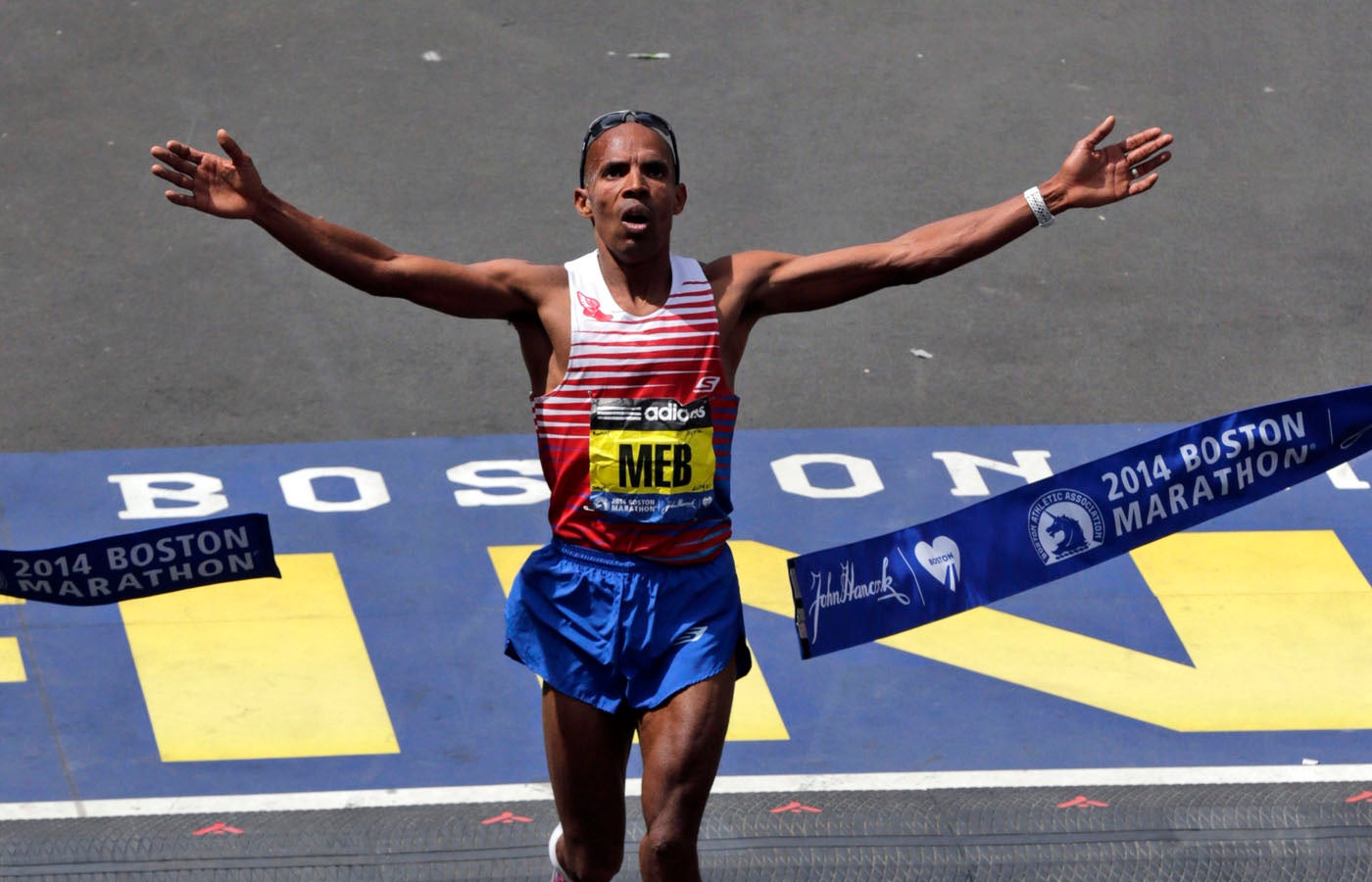
After descending Heartbreak Hill and passing through Brookline, the course flattens out, offering a final push towards the finish. The atmosphere intensifies as runners enter Boston’s city limits, passing iconic landmarks before making the final turn onto Boylston Street. The roar of the crowd here is indescribable, a crescendo of cheers propelling exhausted athletes towards the finish line in Copley Square, just past the Boston Public Library. Crossing that line, after 26.2 grueling yet exhilarating miles, is an emotional moment of triumph, a memory etched forever for every participant.
Planning Your Boston Marathon Experience: More Than Just the Race
Whether you’re running the 26.2 miles or traveling to cheer on a loved one, experiencing the Boston Marathon is an unforgettable travel adventure. Boston transforms into a vibrant festival of fitness, culture, and community during marathon weekend. Thoughtful planning, especially regarding accommodation and local travel, can elevate your visit from good to truly exceptional, allowing you to immerse yourself in the city’s unique charm and the marathon’s electric atmosphere.
Securing Your Stay: Top Accommodation Options in Boston
Finding the right place to stay is crucial for any trip, but particularly for a high-demand event like the Boston Marathon. Hotels book up months, if not a year, in advance, and prices can surge. Early booking is not just recommended; it’s essential. When considering accommodation, think about your priorities: proximity to the finish line, access to public transportation for spectating, or a quiet retreat away from the hustle and bustle.
For those wanting to be in the heart of the action, the Back Bay area is prime real estate. Hotels here offer unparalleled access to the finish line, Copley Square, and many of Boston’s main attractions. Luxury options like the Fairmont Copley Plaza or the Mandarin Oriental, Boston provide opulent stays with exceptional service, perfect for celebrating a monumental achievement or simply enjoying a sophisticated city break. The Lenox Hotel and Copley Square Hotel are also excellent choices, offering a blend of history and modern comfort just steps from the action.
Alternatively, areas like Downtown Boston or the Seaport District offer a slightly different vibe, with easy access to various attractions and a broader range of hotels. The historic Omni Parker House in Downtown Boston offers a glimpse into the city’s past, while the Seaport District boasts modern accommodations like the Hyatt Regency Boston with stunning waterfront views. For those seeking a more residential feel or a different perspective, staying across the Charles River in Cambridge can be a fantastic option. Hotels like the Kimpton Marlowe Hotel offer boutique experiences with easy access to Boston via public transport, and often at a slightly more competitive price point. Extended-stay apartments or vacation rentals are also popular for families or groups, providing amenities like kitchens and more space, which can be invaluable for pre-race meal preparation or a relaxed recovery.
When booking, consider amenities that cater to marathon runners or spectators, such as late check-out options, early breakfast services, or hotels with pools for post-race recovery. Comparing prices and reviews on accommodation platforms is always a smart move to ensure you find the perfect fit for your lifestyle and budget.
Navigating the City: Travel Tips for Runners and Spectators
Boston is a remarkably walkable city, particularly its historic core. However, during the marathon, certain streets will be closed, and public transportation (the “T”) becomes your best friend. The Massachusetts Bay Transportation Authority (MBTA) provides subway and bus services that connect key areas of the city and its surrounding towns.
For runners, transportation to the starting line in Hopkinton is typically provided by official buses from Boston Common. Details are provided in advance by the Boston Athletic Association. It’s crucial to familiarize yourself with these logistics well before race day. For spectators, the MBTA offers excellent opportunities to catch glimpses of the race at various points along the course. Taking the Commuter Rail to towns like Wellesley or Newton allows you to experience different sections of the race, then easily return to Boston for the grand finish. Just remember to purchase tickets in advance and anticipate crowds.
Beyond the race day itself, exploring Boston is a delight. Consider purchasing a multi-day MBTA pass for unlimited rides. Taxis and ride-sharing services are also widely available, though traffic can be significant around marathon weekend. Walking the Freedom Trail or strolling through the Boston Public Garden are quintessential Boston experiences that offer a break from the marathon excitement and allow you to soak in the city’s historic ambiance at a leisurely pace.
Beyond the Finish Line: Exploring Boston’s Rich Tapestry
The Boston Marathon is undoubtedly the highlight of Patriots’ Day weekend, but the city of Boston itself is a destination brimming with history, culture, and culinary delights that extend far beyond the 26.2 miles. Incorporating some of Boston’s incredible landmarks and local experiences into your trip is highly recommended, offering a comprehensive tourism experience.
Historical Landmarks and Cultural Gems
Boston is often called the “Cradle of Liberty,” and for good reason. The city played a pivotal role in the American Revolution, and its history is palpable on every street corner. A must-do is walking the Freedom Trail, a 2.5-mile-long path that leads to 16 historically significant sites. From the Massachusetts State House on Beacon Hill to Faneuil Hall, the Old North Church, and the site of the Boston Massacre, each stop offers a fascinating glimpse into America’s foundational narrative.
Beyond revolutionary history, Boston boasts world-class museums. The Museum of Fine Arts houses an impressive collection spanning centuries and cultures, while the Isabella Stewart Gardner Museum, designed to evoke a Venetian palace, offers a unique and intimate art experience. For families, the New England Aquarium provides an immersive dive into marine life, and the Museum of Science offers interactive exhibits for all ages. Don’t forget the USS Constitution Museum in Charlestown, where you can explore “Old Ironsides” itself. For sports fans, a visit to Fenway Park, the oldest ballpark in MLB, is an iconic experience, offering tours that delve into its rich history. The Boston Tea Party Ships & Museum offers a lively, interactive retelling of a pivotal moment in American history.
Savoring Boston: Culinary Delights and Local Experiences
Boston’s culinary scene is as rich and diverse as its history. No visit is complete without indulging in some classic New England fare. Fresh seafood is a must, with renowned clam chowder, lobster rolls, and fresh oysters readily available throughout the city. The North End, Boston’s oldest residential neighborhood, is a haven for Italian food lovers, boasting authentic trattorias, bakeries like Mike’s Pastry and Modern Pastry, and a vibrant atmosphere.
For a true taste of local culture, explore Quincy Market at Faneuil Hall, where you can sample various ethnic foods and local delicacies. Don’t leave without trying a slice of Boston Cream Pie, the official state dessert of Massachusetts. Beyond the food, simply wandering through neighborhoods like Beacon Hill with its gas-lit streets and federal-style rowhouses, or enjoying a leisurely stroll along the Charles River Esplanade, offers a genuine feel for Bostonian lifestyle. The city’s robust craft beer scene also provides ample opportunities for brewery tours and tastings, adding another dimension to your cultural exploration.
The Lifestyle of a Marathon Enthusiast: Why Boston Calls
The Boston Marathon is more than just a race; it’s a testament to a particular lifestyle—one that values discipline, perseverance, community, and the thrill of pushing personal boundaries. For many, earning the right to run those 26.2 miles in Boston is the pinnacle of their running journey, a validation of countless hours spent training, overcoming setbacks, and pursuing a grand ambition. The experience of the Boston Marathon extends far beyond the physical act of running; it encompasses the meticulous planning of a destination race, the exploration of a historic city, and the immersion in a global community of like-minded individuals.
It’s a lifestyle choice to embark on a journey that culminates in Copley Square. It involves dedicating oneself to training plans, often traveling for tune-up races, and making conscious decisions about nutrition and recovery. This dedication fosters a unique bond among runners, creating a supportive network that extends worldwide. When these individuals arrive in Boston, they are not just tourists; they are pilgrims on a sporting quest, ready to soak in every moment of their achievement.
For spectators, it’s also about a lifestyle of engagement and appreciation for human endeavor. They plan their travel, book their accommodation, and strategize their spectating spots not merely to watch a race, but to be part of a vibrant cultural event. They come to cheer, to be inspired, and to witness the indomitable spirit of thousands of runners. This collective energy creates an atmosphere of pure exhilaration and shared humanity, making the Boston Marathon a truly unique experience.
Ultimately, the 26.2 miles of the Boston Marathon serve as a powerful metaphor for life’s challenges and triumphs. It’s a journey that demands preparation, resilience, and an unwavering belief in oneself. And whether you’re racing through the Newton Hills or cheering from the sidelines on Boylston Street, the experience of the Boston Marathon is a profound reminder of what can be achieved when passion meets perseverance, all set against the backdrop of one of America’s most historic and captivating cities. Planning a trip around this event offers an unparalleled blend of athletic pursuit, cultural exploration, and memorable travel.
LifeOutOfTheBox is a participant in the Amazon Services LLC Associates Program, an affiliate advertising program designed to provide a means for sites to earn advertising fees by advertising and linking to Amazon.com. Amazon, the Amazon logo, AmazonSupply, and the AmazonSupply logo are trademarks of Amazon.com, Inc. or its affiliates. As an Amazon Associate we earn affiliate commissions from qualifying purchases.