
The Boston Marathon is not just a race; it’s an institution, a testament to human endurance, and a vibrant cultural cornerstone of Boston, Massachusetts. For runners and spectators alike, its iconic distance is a fundamental part of its mystique, a challenge that has captivated athletes and inspired millions for over a century. The simple answer to “How many miles was the Boston Marathon?” is 26.2 miles, or precisely 26 miles and 385 yards, which translates to 42.195 kilometers. This seemingly precise figure holds a rich history, deeply intertwined with the evolution of marathon running itself.
Beyond the numbers, the Boston Marathon offers an unparalleled travel experience, transforming Boston into a bustling hub of athleticism, tourism, and community spirit. Whether you’re a participant pushing the limits of your physical capabilities, a fervent supporter cheering from the sidelines, or a traveler simply soaking in the electric atmosphere, understanding the race’s core — its distance, its legendary course, and the city it calls home — is key to appreciating this extraordinary event. This article will delve into the historical context of the marathon distance, trace the celebrated route through picturesque New England towns, and guide you through the multifaceted experience of visiting Boston during this monumental occasion, from finding the perfect accommodation to exploring its rich tapestry of landmarks and local culture.
The Iconic Distance: More Than Just Miles
The standard marathon distance of 26.2 miles (42.195 km) is universally recognized today, but it wasn’t always so. The Boston Marathon, being the world’s oldest annual marathon, played a crucial role in cementing this distance as the global standard.
A Legacy Etched in 26.2 Miles
When the Boston Marathon was first run in 1897, inspired by the success of the inaugural Olympic marathon in Athens a year prior, its distance was approximately 24.5 miles (39.4 kilometers). This was largely based on the historical legend of Pheidippides, who is said to have run from the Battle of Marathon to Athens to announce the Greek victory. For years, various marathons around the world adopted slightly different distances.
The standardization to 26 miles, 385 yards came about during the 1908 Olympic Games held in London. The race started at Windsor Castle, covering 26 miles to the entrance of the Olympic stadium, White City Stadium. An additional 385 yards were added so the finish line could be placed directly in front of the British Royal Family’s royal box. This specific, somewhat arbitrary, distance captured the public’s imagination, thanks to dramatic finishes and widespread media coverage.
Following this memorable event, the International Amateur Athletic Federation (now World Athletics) officially recognized 26 miles and 385 yards as the standard marathon distance in 1921. The Boston Marathon promptly adjusted its course to meet this new global benchmark in 1924, and it has remained at 26.2 miles ever since. This legacy ensures that every runner who tackles the Boston Marathon is not just running a race, but participating in a tradition deeply rooted in sporting history and Olympic lore. For many, completing these 26.2 miles in Boston represents the pinnacle of their running aspirations, a true “bucket list” achievement within the lifestyle of dedicated athletes.
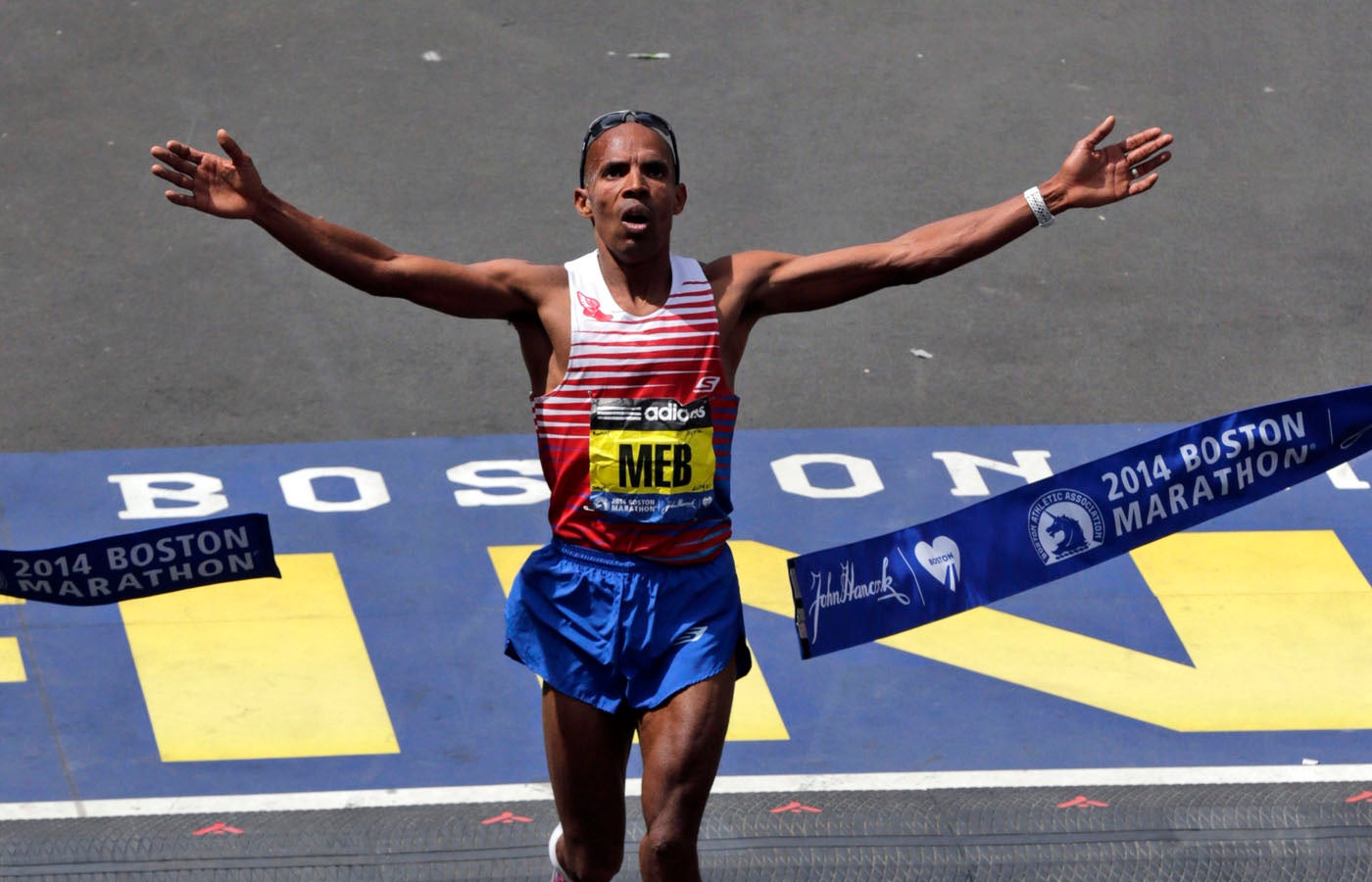
Navigating the Historic Boston Marathon Course
The Boston Marathon course is as iconic as its distance, a point-to-point journey that winds through eight Massachusetts cities and towns, starting in rural Hopkinton and ending triumphantly in the heart of Boston. Each segment of the route presents unique challenges and boasts its own character, making it a truly unforgettable experience for runners and spectators.
The race begins on Main Street in Hopkinton, where thousands of runners gather before the crack of the starting pistol. The initial miles are generally downhill or flat, allowing runners to find their rhythm before the more challenging sections. As the course progresses through Ashland, Framingham, and Natick, the energy from the cheering crowds along the roadside provides a powerful boost.
One of the most anticipated and grueling sections is the series of uphill climbs through Newton, collectively known as the Newton Hills. These hills, particularly after mile 16, test the resolve of even the most seasoned marathoners. The final and most famous of these is Heartbreak Hill, located between miles 20 and 21. It’s not the steepest hill on the course, but its placement late in the race, when fatigue is setting in, makes it particularly brutal and legendary. Many stories of triumph and despair have unfolded on its slopes.
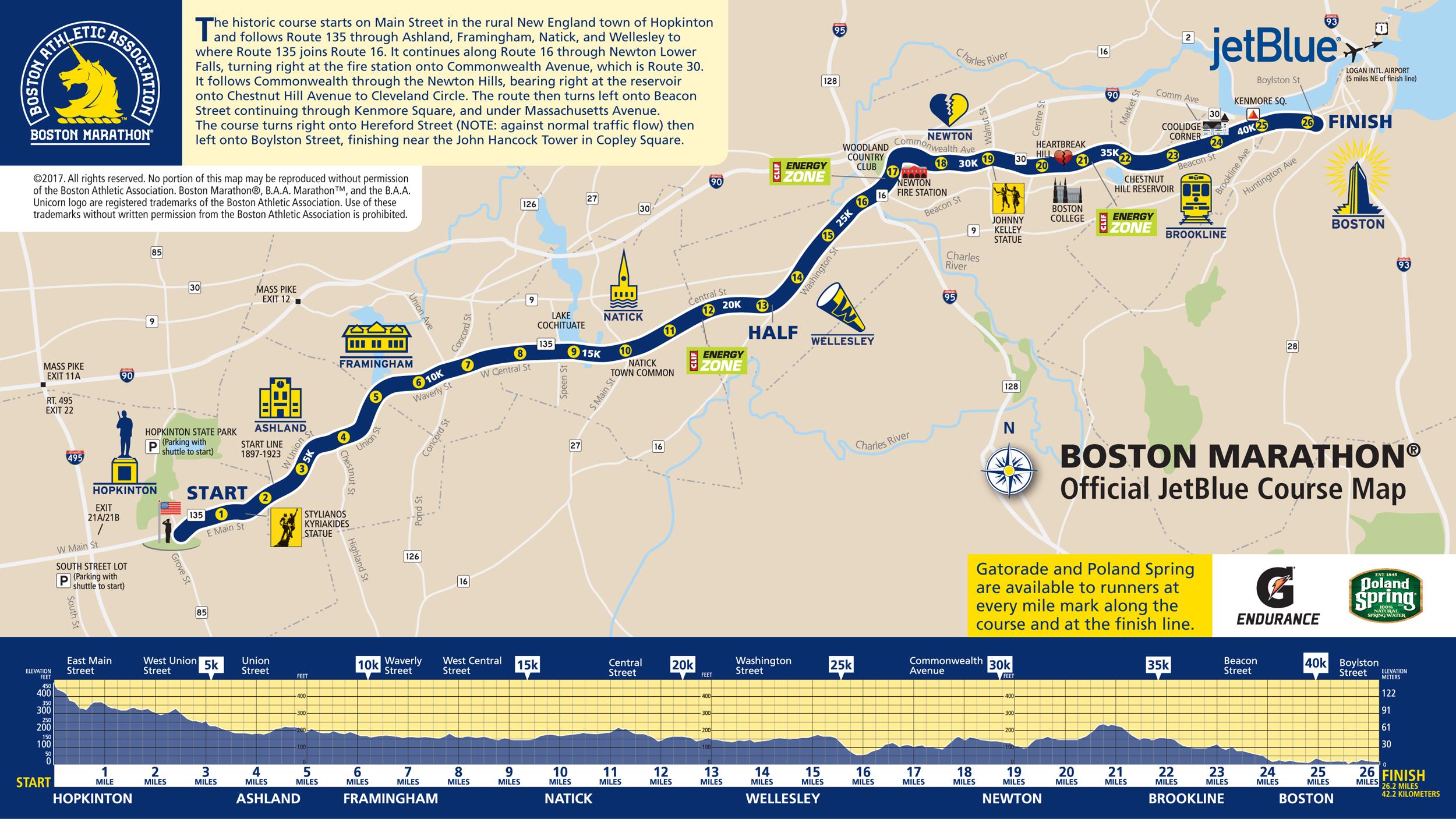
After conquering the Newton Hills, runners are treated to a long downhill stretch past Boston College, where enthusiastic students add to the electric atmosphere. The course then flattens out, passing through Cleveland Circle, Coolidge Corner in Brookline, and into Boston proper. The sight of the iconic Citgo Sign in Kenmore Square, around mile 25, signals to runners that the finish line is tantalizingly close. The final stretch down Boylston Street, with crowds roaring on both sides, is an emotional and unforgettable experience, culminating in the triumphant crossing of the finish line near the Boston Public Library. Understanding this course is essential for both runners in their training and spectators planning their viewing spots, enhancing the overall tourism experience.
Boston Beyond the Finish Line: A Traveler’s Guide
The Boston Marathon weekend is more than just a race day; it’s a prime opportunity for travel and exploration. Boston transforms into a vibrant destination, attracting visitors from all corners of the globe. Leveraging the city’s rich history, diverse neighborhoods, and world-class hospitality, travelers can craft an unforgettable experience that blends the excitement of the marathon with the charm of one of America’s oldest cities.
Planning Your Marathon Weekend Getaway
Attending the Boston Marathon requires careful planning, especially regarding travel and accommodation. Due to its popularity, hotels and flights book up quickly, often a year in advance. For the best selection and rates, consider booking your accommodation as early as possible.
Boston offers a wide range of accommodation options to suit every budget and lifestyle. For those seeking luxury and proximity to the finish line, areas like Back Bay and Downtown Boston boast renowned hotels such as the Fairmont Copley Plaza, the Mandarin Oriental, Boston, and the Four Seasons Hotel Boston. These establishments often provide premium amenities, exquisite dining options, and concierge services tailored for marathon participants and their families.
For a more boutique experience, consider charming hotels in the historic Beacon Hill neighborhood, offering a glimpse into old Boston with cobblestone streets and elegant architecture. The Seaport District offers modern, sleek hotels like the Omni Boston Hotel at the Seaport, popular for business and leisure travelers, with stunning waterfront views and easy access to contemporary dining and attractions. Budget-friendly options and extended-stay apartments can be found further afield in areas like Cambridge or Somerville, accessible via Boston’s efficient public transportation system, the “T.” Many travelers also opt for short-term vacation rentals or Airbnb for a more local and personalized stay, often providing greater flexibility for groups or families.
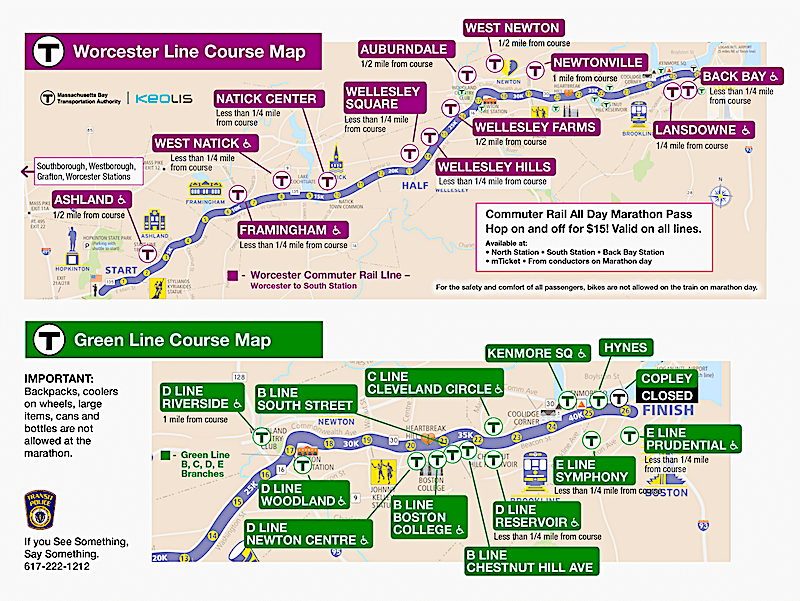
Beyond hotels, consider your transportation strategy. Boston’s Logan International Airport (BOS) is a major hub, and the city is well-connected by Amtrak for those traveling from other East Coast cities. During marathon weekend, traffic can be heavy, so planning public transport routes or walking where possible is advisable for spectators to reach optimal viewing spots along the course or to navigate the various marathon-related events like the Marathon Expo at the Hynes Convention Center.
Iconic Landmarks and Tourist Attractions
While the marathon is the main draw, Boston itself is a treasure trove of historical landmarks and cultural attractions. Embracing tourism in Boston allows visitors to delve into the very foundations of American history and enjoy a vibrant urban experience.
A must-do for any visitor is to walk the Freedom Trail, a 2.5-mile-long path marked by a red brick line that connects 16 historically significant sites. This self-guided tour takes you past the Massachusetts State House, Park Street Church, Granary Burying Ground (final resting place of Paul Revere, Samuel Adams, and John Hancock), King’s Chapel, and the site of the Boston Massacre. It continues to the Old State House, Faneuil Hall Marketplace, and Paul Revere House in the North End, culminating at the USS Constitution Museum and Bunker Hill Monument in Charlestown.
Beyond history, Boston offers world-class museums. The Museum of Fine Arts houses an encyclopedic collection spanning centuries and cultures, while the nearby Isabella Stewart Gardner Museum, designed in the style of a Venetian palazzo, offers a uniquely intimate art experience. For nature lovers and those seeking relaxation, the Boston Common and Public Garden provide serene green spaces perfect for a leisurely stroll, complete with swan boats in the Public Garden’s pond. The New England Aquarium is another popular attraction, especially for families. Each of these landmarks enriches the travel experience, allowing visitors to immerse themselves in the local culture and history.
Savoring Boston: Culinary Delights and Local Culture
No trip to Boston is complete without indulging in its celebrated culinary scene and experiencing its vibrant local culture. The city’s food landscape is a delicious blend of historic New England traditions and innovative modern cuisine, catering to all aspects of a luxurious or budget-conscious lifestyle.
For quintessential Boston flavors, you must try a bowl of creamy New England clam chowder and a succulent lobster roll. These staples are available from casual seafood shacks to upscale restaurants. The North End, Boston’s oldest residential neighborhood, is renowned as Little Italy, boasting an incredible array of authentic Italian restaurants, bakeries (like Mike’s Pastry and Modern Pastry), and gelato shops. Exploring its narrow, winding streets is a delightful cultural immersion.
Beyond seafood and Italian fare, Boston offers diverse dining experiences. The Seaport District is a hub for contemporary restaurants, often with stunning waterfront views, while Back Bay provides elegant dining options along Newbury Street. Don’t forget to sample a Boston cream pie, the official state dessert of Massachusetts.
The city’s cultural scene extends beyond its dining. Catch a show in the historic Theater District, enjoy live music in venues throughout the city, or explore the myriad of unique shops and boutiques. The energy during marathon weekend is palpable, with events, festivals, and celebrations adding to the city’s lively atmosphere. From pub crawls in Faneuil Hall to serene walks through the Esplanade along the Charles River, Boston promises a rich and varied experience for every traveler.
The Boston Marathon Lifestyle: A Journey of Grit and Community
The Boston Marathon is more than just a race; it embodies a lifestyle of dedication, perseverance, and community. For thousands of runners, qualifying for and completing the 26.2 miles in Boston is the culmination of years of training and a deeply personal journey. For the city and its residents, it represents a profound sense of pride and resilience.
The Allure of Running This Legendary Race
For amateur and professional runners worldwide, the Boston Marathon holds a singular allure. It is one of the few marathons that requires a qualifying time based on age and gender, making it an exclusive club for dedicated athletes. This “Boston Qualifier” (BQ) status becomes a central goal in the running lifestyle for many, dictating training plans, race selections, and overall fitness pursuits. The journey to earn a BQ is often long and arduous, demanding consistent effort, strategic racing, and unwavering commitment.
Beyond the qualifying standards, thousands of runners also participate to raise money for various charities. These “charity runners” often have personal connections to their causes, adding another layer of meaning to their 26.2-mile endeavor. Their fundraising efforts contribute significantly to local and national organizations, highlighting the marathon’s role as a powerful force for good within the community. The camaraderie among runners, whether striving for a personal best or running for a cause, creates a unique spirit of shared purpose that defines the Boston Marathon experience.
Resilience and Commemoration: The Enduring Spirit of Boston
The spirit of the Boston Marathon is perhaps best exemplified by its unwavering resilience. The tragic events of the Boston Marathon bombing in 2013 cast a dark shadow over the finish line, but they also ignited an extraordinary outpouring of courage, compassion, and unity. The phrase “Boston Strong” became a global rallying cry, symbolizing the city’s refusal to be defeated and its determination to heal and move forward.
Each year, the marathon serves as a poignant reminder of that resilience. Memorials along the course and at the finish line honor the victims and celebrate the heroes who emerged from the tragedy. Public art installations and plaques, such as those near the finish line on Boylston Street, offer a space for reflection and remembrance. These commemorations ensure that while the city remembers the pain, it also proudly showcases its enduring spirit and the strength of its community. The annual race is not just a sporting event; it’s a living memorial to courage, a celebration of life, and a powerful affirmation that even in the face of adversity, the human spirit, much like the marathon itself, will always find a way to finish strong.
In conclusion, the Boston Marathon is precisely 26.2 miles long, a distance steeped in history and athletic tradition. This iconic race offers far more than just a physical challenge; it is a gateway to exploring Boston’s rich past, its vibrant present, and its indomitable spirit. Whether you are aiming to conquer Heartbreak Hill, cheer on the runners, or simply immerse yourself in the unparalleled atmosphere of Boston during Marathon Monday, this event provides a profound and unforgettable travel experience, woven into the very fabric of American lifestyle and heritage.
LifeOutOfTheBox is a participant in the Amazon Services LLC Associates Program, an affiliate advertising program designed to provide a means for sites to earn advertising fees by advertising and linking to Amazon.com. Amazon, the Amazon logo, AmazonSupply, and the AmazonSupply logo are trademarks of Amazon.com, Inc. or its affiliates. As an Amazon Associate we earn affiliate commissions from qualifying purchases.