
Embarking on the journey to obtain a Texas driver’s license is a significant milestone, often associated with freedom and independence. For many, especially younger drivers, the culmination of learning to navigate the roads comes with the practical driving test. A common question that looms large for aspiring motorists is precisely how many mistakes are permissible during this crucial assessment. Understanding the Texas Department of Public Safety’s (DPS) evaluation criteria is key to not only passing the test but also to becoming a safe and confident driver. While the allure of far-flung travel destinations and the comfort of luxurious accommodations might be the ultimate goals for many, mastering local road rules and test procedures is the immediate prerequisite. This article delves into the specifics of the Texas driving test, shedding light on what constitutes a failing error and how to prepare for success.
The driving test in Texas, administered by the Texas Department of Public Safety, is designed to ensure that all licensed drivers possess the necessary skills and knowledge to operate a vehicle safely. It’s not merely about demonstrating familiarity with the rules of the road; it’s about practical application and good judgment in real-world driving scenarios. The examiners are trained to observe a wide range of driving behaviors, from basic maneuvers to complex decision-making.
Understanding the Driving Test Evaluation
The Texas driving test is divided into several components, each assessed for accuracy and safety. Examiners utilize a standardized checklist to evaluate the applicant’s performance. This evaluation is not a subjective assessment; it’s based on specific criteria outlined by the Texas DPS. The test typically covers a variety of situations, including residential streets, business districts, and potentially highway driving, depending on the applicant’s age and the specific testing location.
Critical Driving Errors and Their Consequences
The Texas driving test has a clear distinction between minor infractions and critical errors. Critical errors are those that pose an immediate danger to the driver, passengers, or other road users, or those that demonstrate a fundamental lack of understanding of safe driving practices. Accumulating too many critical errors will result in an automatic failure of the driving test.
Critical errors are generally defined as actions that:
- Cause a dangerous situation: This could include anything from nearly colliding with another vehicle to failing to yield the right-of-way when it’s absolutely necessary, thus creating a risk of an accident.
- Demonstrate a lack of control over the vehicle: Examples include inability to maintain proper lane position or significant swerving that is not due to road conditions.
- Indicate disregard for traffic laws: Running a red light or stop sign, even if no other vehicles are present, is a serious offense.
- Result in the examiner having to intervene: If the examiner has to grab the steering wheel or apply the brakes to prevent an accident, it’s a critical failure.
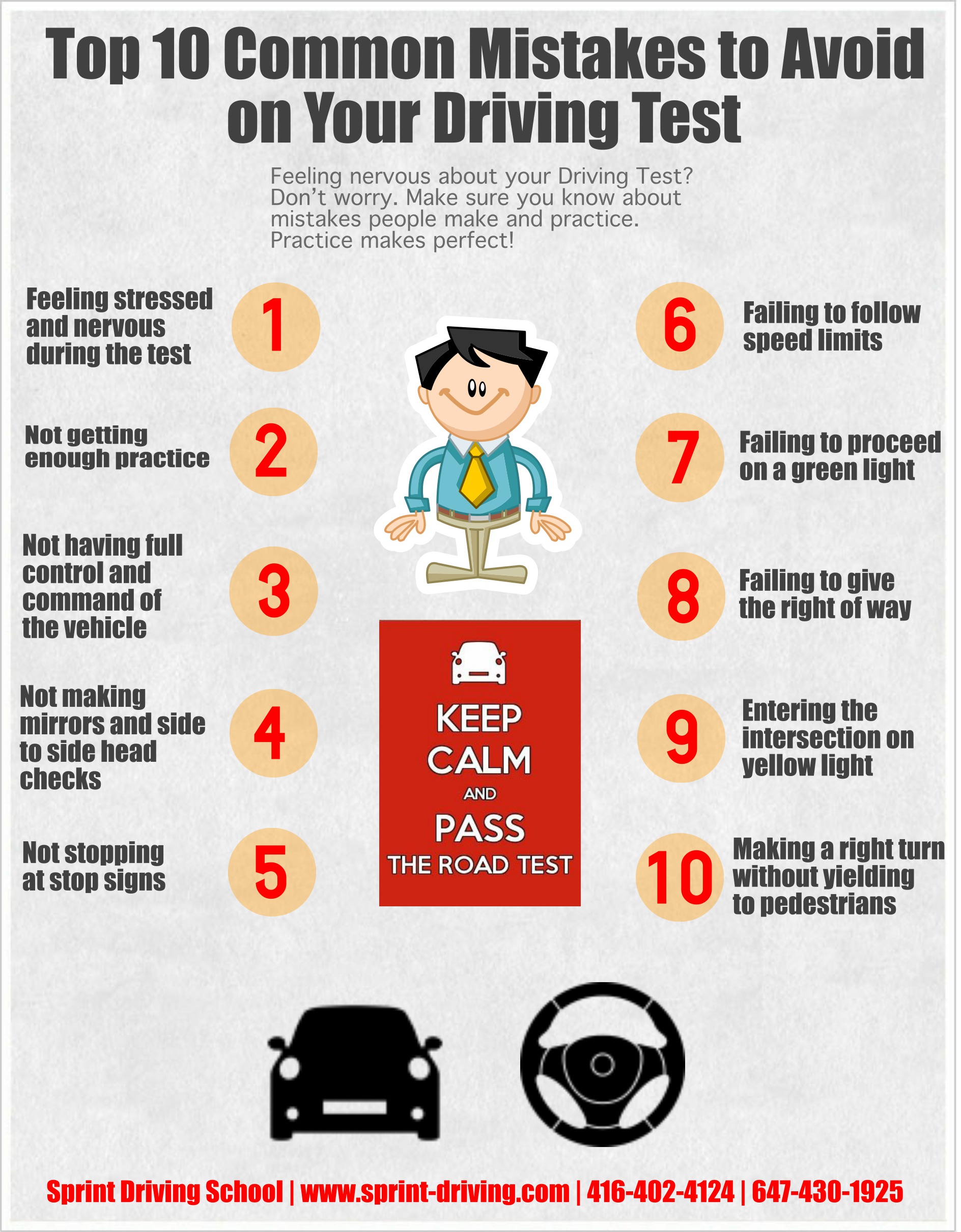
The Texas DPS has a specific list of actions that are classified as critical errors. These are often actions that would immediately lead to a citation or accident in real-world driving. For instance, failing to stop completely at a stop sign, making an illegal turn, or not yielding to pedestrians in a crosswalk are all critical errors. The severity of these errors means that even a single critical mistake can lead to a failed test.
Minor Driving Errors and De minimis Infractions
Beyond critical errors, there are also minor driving errors. These are less severe mistakes that demonstrate a lapse in attention or a slight deviation from perfect execution. The Texas DPS allows for a certain number of minor errors to be made without automatically failing the test. However, it’s important to understand that even minor errors can add up, and a pattern of minor mistakes can still influence the examiner’s overall assessment of the applicant’s readiness to drive.
A common misconception is that there’s a fixed number of “allowable” minor errors. While there isn’t a specific numerical limit explicitly published for minor errors in the same way there is for critical ones, the examiner is looking for a generally competent and safe driver. If an applicant commits multiple minor errors, it suggests they might not yet have the consistent focus and skill required for independent driving. For example, slightly exceeding the speed limit for a brief period, or not signaling a turn precisely on time, might be considered minor errors. While these might not lead to an immediate failure if isolated, a string of them could indicate a lack of attention or control.
The goal of the test is not to achieve perfection, but to demonstrate a level of proficiency that ensures safety. The examiners are looking for a driver who can navigate typical traffic situations competently and react appropriately to changing conditions.
Preparing for the Texas Driving Test
Success on the Texas driving test hinges on thorough preparation. This involves not only understanding the rules of the road but also practicing the specific maneuvers and skills that will be evaluated. Many driving schools and instructors in Texas offer tailored programs designed to prepare students for the practical test.
Key Skills to Master
The practical driving test in Texas assesses a range of skills, including:
- Vehicle Control: This includes starting, stopping, accelerating smoothly, and maintaining proper speed. It also encompasses precise steering and maneuvering, such as parking and navigating turns.
- Observation and Awareness: Examiners will watch to see if you are constantly scanning your surroundings, checking mirrors, and being aware of other vehicles, pedestrians, and road conditions. This includes checking blind spots before changing lanes or turning.
- Traffic Law Compliance: This is paramount. You must demonstrate a thorough understanding and application of traffic signals, signs, speed limits, right-of-way rules, and lane discipline.
- Maneuvering Skills: Specific maneuvers often tested include three-point turns (or K-turns), parallel parking, and backing up in a straight line. The ability to perform these maneuvers safely and efficiently is crucial.
- Decision-Making: The test will present various scenarios where you’ll need to make safe and sound decisions, such as merging into traffic, navigating intersections, and reacting to unexpected situations.
The Importance of Practice and Familiarity
Familiarity with the test route can be a significant advantage. Many driving schools offer practice sessions on routes commonly used by the local Texas DPS testing centers. This allows applicants to become comfortable with the specific traffic patterns, intersections, and potential challenges of that area.
Beyond practicing the specific maneuvers, consistent driving practice in various conditions is essential. This includes driving during different times of day, in varying weather conditions, and on different types of roads, from quiet residential streets to busier urban environments. The more diverse the driving experience, the better prepared an individual will be to handle the unexpected.
For those planning extensive travel experiences or seeking the perfect accommodation for a memorable lifestyle getaway, the ability to drive confidently and safely is often a prerequisite. While the dream of exploring the Alamo or enjoying the vibrant Austin music scene is exciting, mastering the fundamental skill of driving is the first step towards achieving such aspirations.
Final Review of Testing Requirements
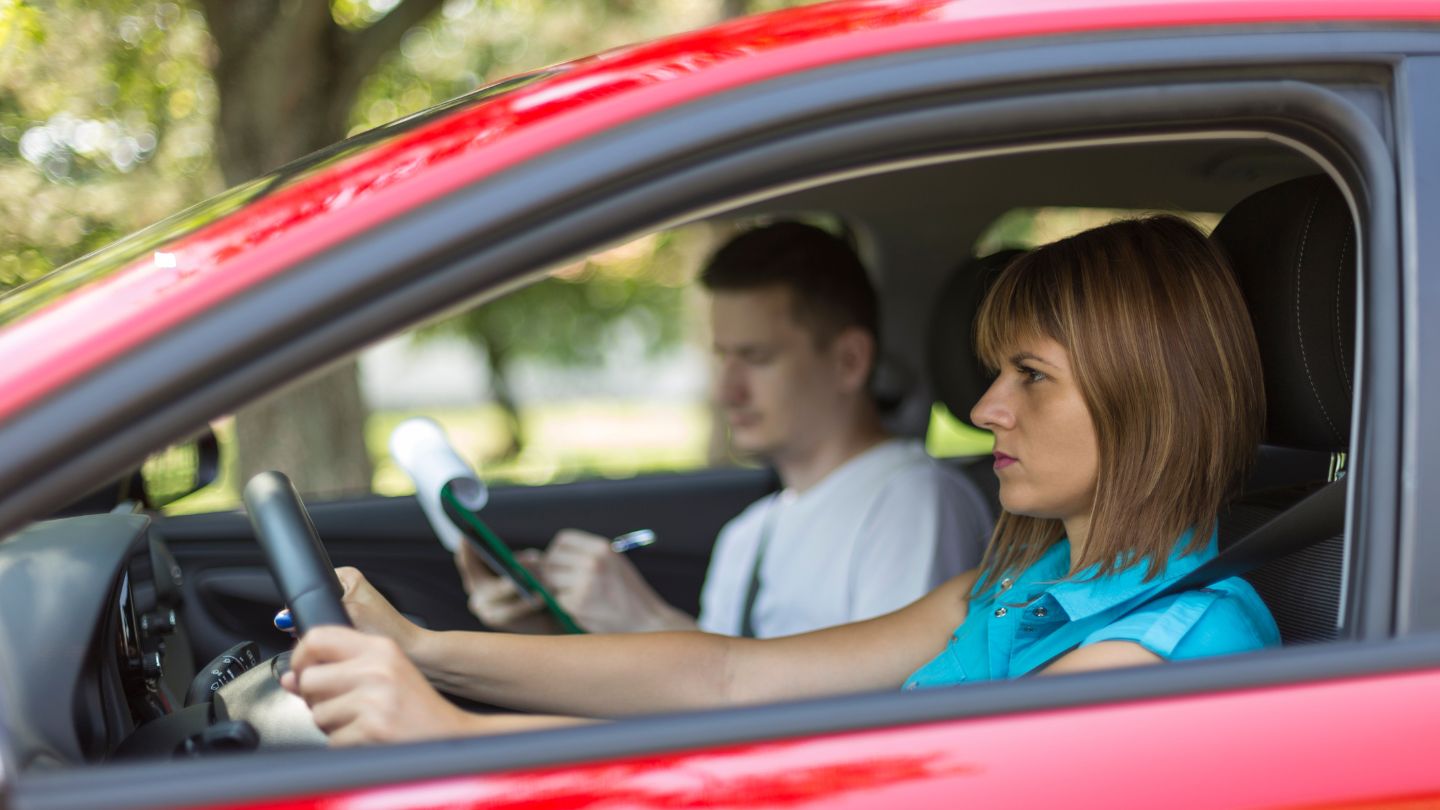
Before heading to the Texas DPS for your driving test, it’s wise to review the official requirements and guidelines provided by the department. This ensures you are aware of any specific documents needed, the vehicle requirements for the test (e.g., working lights, horn, adequate tire tread), and the exact criteria for evaluation. Understanding these details can help alleviate anxiety and allow you to focus on demonstrating your driving skills. The goal is to show that you are a responsible and capable driver, ready to contribute to the safety of Texas roads.