
When planning an escape into the wild, many intrepid travelers set their sights on the majestic landscapes preserved by the National Park Service. For those exploring the vast and diverse state of Texas, a common question arises: how many National Parks call this Lone Star State home? The answer, while seemingly straightforward, unveils a rich tapestry of natural wonders, historical treasures, and unique recreational opportunities that extend far beyond just the official “National Park” designation.
Texas is a land of extremes and incredible variety, boasting everything from arid deserts and towering mountains to lush pine forests and pristine coastlines. This geological and ecological diversity is perfectly reflected in its impressive array of protected areas. While the term “National Park” often conjures images of iconic destinations like Yellowstone or Yosemite, the National Park Service manages a broader system of sites, each with its own specific designation and significance. These include National Preserves, National Seashores, National Historic Sites, National Historical Parks, and National Recreation Areas, all contributing to the nation’s heritage and offering unparalleled travel experiences.

Understanding this distinction is key to truly appreciating the depth of outdoor adventure and cultural immersion awaiting visitors in Texas. Whether you’re a nature enthusiast seeking challenging hikes, a history buff eager to delve into the past, or a family looking for a memorable vacation, Texas’s contributions to the national park system provide a destination for every type of traveler and every lifestyle, from luxurious resort stays to rugged, budget-friendly camping.
Decoding the “National Park” Designation in Texas
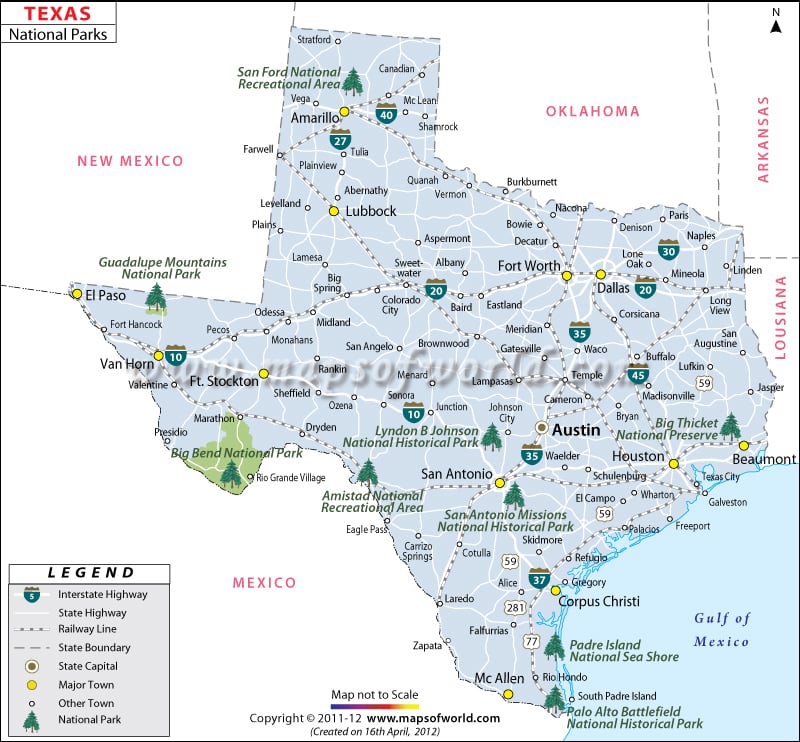
To precisely answer the question, Texas is home to two official National Parks: Big Bend National Park and Guadalupe Mountains National Park. These two extraordinary destinations represent the pinnacle of natural preservation in the state, offering vast, undeveloped landscapes and ecosystems of global significance. However, limiting one’s exploration to just these two would be to miss out on the other 12 sites managed by the National Park Service within Texas’s borders.
These 14 distinct units collectively protect and interpret a staggering range of environments and historical narratives. From ancient geological formations and vibrant wildlife habitats to crucial battlefields and pivotal presidential homesteads, each site offers a unique window into the natural and cultural legacy of Texas and the United States. For travelers, this means an abundance of choices when planning their next adventure, with opportunities for everything from multi-day backpacking trips and strenuous mountain climbs to leisurely historical tours and relaxing beach outings. These destinations not only promise breathtaking scenery but also provide a deep connection to the rich history and diverse ecology that define the region, making them prime attractions for both domestic and international tourism.
The sheer variety of these National Park Service sites ensures that every visitor can find an experience tailored to their interests and preferred lifestyle. Whether you prefer the solitude of a remote desert, the vibrant life of a coastal ecosystem, or the echoes of history in a preserved fort, Texas’s park system is a testament to the state’s commitment to conservation and education. Moreover, nearby towns often offer a range of accommodation options, from cozy hotels and budget-friendly motels to luxury resorts and charming boutique stays, ensuring comfort after a day of exploration.
Texas’s Iconic National Parks: A Journey into the Wild
The two undisputed jewels in Texas’s crown of protected lands are Big Bend National Park and Guadalupe Mountains National Park. These are the only sites within the state officially designated as “National Parks,” signifying their immense natural grandeur and ecological importance. Both offer profound experiences for those seeking to immerse themselves in the rugged beauty of West Texas.
Big Bend National Park: Where the Mountains Meet the Desert
Located in the remote southwestern corner of Texas, bordering Mexico along the Rio Grande, Big Bend National Park is a true wilderness experience. Spanning over 800,000 acres, it is one of the largest and least-visited national parks in the contiguous United States, offering unparalleled solitude and staggering vistas. The park encompasses a dramatic convergence of mountain ranges, desert landscapes, and a vibrant river ecosystem, making it a biodiversity hotspot within the vast Chihuahuan Desert.
Visitors to Big Bend can explore its diverse terrain through an extensive network of hiking trails. Popular routes include the challenging yet rewarding Lost Mine Trail, which offers panoramic views of the Chisos Mountains, and the multi-day South Rim Trail, renowned for its breathtaking overlooks. Scenic drives, such as the Ross Maxwell Scenic Drive, wind through captivating landscapes, leading to iconic spots like Santa Elena Canyon, where sheer cliff walls rise 1,500 feet from the Rio Grande. River trips, from tranquil floats to adventurous rafting, provide a unique perspective on the park’s natural boundaries. At night, Big Bend transforms into an International Dark Sky Park, offering some of the clearest, most spectacular stargazing opportunities in North America – a truly unforgettable experience for astrophotography enthusiasts and casual observers alike.
Accommodation within Big Bend National Park primarily consists of several campgrounds, offering everything from developed sites with amenities to primitive backcountry camping for seasoned adventurers. For those preferring more comfort, the nearby gateway town of Terlingua offers a range of hotels, lodges, and unique vacation rentals, including glamping tents and charming casitas. Luxury travelers might consider the historic Gage Hotel in Marfa, a bit further afield, or the Lajitas Golf Resort for a more upscale resort experience complete with amenities like a golf course and equestrian activities. Given its remote location, visitors should always come prepared with plenty of water, food, and fuel, as services are limited within and around the park. Early booking for accommodations, especially during peak seasons, is highly recommended.
Guadalupe Mountains National Park: Texas’s Sky Island
Nestled in far West Texas near the New Mexico border, Guadalupe Mountains National Park is a majestic “sky island” rising dramatically from the desert floor. This park is home to Guadalupe Peak, the highest point in Texas at 8,751 feet, offering a challenging yet immensely rewarding hike to the “Top of Texas.” The park preserves one of the best examples of an ancient fossil reef in the world, a testament to its geological significance.
The diverse landscape ranges from arid desert shrublands at lower elevations to lush ponderosa pine and Douglas fir forests in the high canyons. Hiking is the primary activity, with trails leading through deep canyons, across desert flats, and up to mountain summits. McKittrick Canyon is particularly famous for its stunning display of fall foliage, attracting photographers and nature lovers each autumn. History enthusiasts can explore the restored Frijole Ranch and learn about the early settlers of the area. The park’s rugged terrain makes it a haven for backpackers seeking solitude and challenging treks, with numerous backcountry campsites available.
Accommodation at Guadalupe Mountains National Park is limited to primitive campgrounds within the park itself. There are no hotels or lodges directly inside the park boundaries, emphasizing its untouched wilderness feel. Travelers seeking hotel amenities will need to look to nearby towns. Carlsbad, New Mexico, approximately an hour’s drive north, offers a wider selection of hotels, motels, and restaurants. To the south, Van Horn, Texas, also provides some lodging and dining options. Due to the lack of services within the park, visitors must bring all necessary supplies, including water, food, and appropriate gear for the elevation changes and often unpredictable weather conditions. Planning and preparation are crucial for a safe and enjoyable visit to this magnificent high-desert sanctuary.
Beyond the Parks: Exploring Texas’s Diverse NPS Sites
While Big Bend and Guadalupe Mountains stand as Texas’s official National Parks, the state’s other National Park Service units offer equally compelling experiences, spanning from coastal ecosystems to crucial historical landmarks. These sites provide a broader perspective on Texas’s natural beauty, rich history, and vibrant culture.
Coastal Wonders and Aquatic Adventures
For those drawn to the sea, Texas offers spectacular coastal and aquatic protected areas. Padre Island National Seashore protects the longest undeveloped barrier island in the world, stretching over 70 miles. This pristine coastal environment is a haven for migratory birds, a critical nesting ground for endangered Kemp’s ridley sea turtles, and a popular spot for fishing, birdwatching, and beach camping. It’s an ideal destination for family trips focused on nature and relaxation, offering a different kind of wilderness experience compared to the desert parks.
In Southwest Texas, straddling the border with Mexico, Amistad National Recreation Area revolves around Amistad Reservoir, a massive lake formed by the convergence of three rivers. This area is a mecca for water sports enthusiasts, offering excellent opportunities for boating, fishing, swimming, and scuba diving. Beyond the water, visitors can explore ancient rock art sites hidden in remote canyons, providing a glimpse into the region’s prehistoric past. The nearby city of Del Rio offers a variety of hotels and amenities for those looking for comfortable accommodation after a day on the lake.

Historical Narratives and Cultural Immersion
Texas’s history is as grand as its landscapes, and several National Park Service sites are dedicated to preserving its pivotal moments and cultural heritage.
One of the most significant is San Antonio Missions National Historical Park, a UNESCO World Heritage Site located within the vibrant city of San Antonio. This park preserves four Spanish colonial missions – Concepción, San José, San Juan, and Espada – which, along with the famous The Alamo, represent the largest concentration of Spanish colonial missions in North America. Visitors can explore their stunning architecture, learn about their role in the region’s development, and immerse themselves in the rich blend of Spanish and native cultures. San Antonio itself is a major tourist destination, offering a wide range of accommodation options, from luxury resorts along the Riverwalk to charming boutique hotels and budget-friendly stays, along with an incredible culinary scene celebrating local Tex-Mex flavors.
Further west, in the heart of the Davis Mountains, Fort Davis National Historic Site offers a fascinating look into frontier life. This impeccably preserved adobe fort served as a key military post during the Indian Wars of the 19th century. Visitors can walk through restored barracks, officers’ quarters, and administrative buildings, gaining insight into the daily lives of soldiers and settlers. The scenic location near the McDonald Observatory also makes it a great spot for combining history with stargazing.
Lyndon B. Johnson National Historical Park, situated in the picturesque Texas Hill Country, provides an intimate look into the life and legacy of the 36th U.S. President. The park includes his birthplace, boyhood home, and the historic LBJ Ranch, known as the “Texas White House,” where visitors can learn about his political career and his impact on American society. This is a perfect site for history buffs and those interested in American presidential history, offering a unique blend of historical insight and pastoral beauty.
Other significant NPS sites in Texas include Palo Alto Battlefield National Historical Park, preserving the site of the first major battle of the U.S.-Mexican War; Alibates Flint Quarries National Monument, showcasing ancient Native American flint quarries; El Camino Real de los Tejas National Historic Trail, tracing an historic trade route; and Big Thicket National Preserve, protecting a biologically diverse ecosystem often referred to as “America’s biological crossroads.” Each offers a distinct experience, from cultural tours to ecological exploration, making Texas a premier destination for diverse tourism.
Planning Your Texas National Park Getaway: Travel & Accommodation Insights
Embarking on a journey through Texas’s National Park Service sites requires careful planning, especially concerning travel logistics and accommodation, to ensure a smooth and memorable experience.
Travel Logistics
Best Time to Visit: The timing of your visit can significantly impact your experience. For the desert parks like Big Bend and Guadalupe Mountains, spring and fall offer the most pleasant temperatures for hiking and outdoor activities. Summers can be intensely hot, though high-elevation areas might be cooler. Winter brings milder temperatures to the desert but can see snow at higher altitudes. Coastal parks like Padre Island National Seashore are enjoyable in spring and fall, while summers are popular for swimming and beach activities, albeit with higher humidity and potential for hurricanes. For historical sites in cities like San Antonio, spring and fall also offer comfortable weather for exploring.
Transportation: Given the vast distances in Texas and the remote locations of many parks, a rental car is virtually essential for independent travel. Major airports such as El Paso International Airport, Midland International Air and Space Port, San Antonio International Airport, and Houston George Bush Intercontinental Airport serve as convenient entry points, depending on which park you plan to visit first.
Park Passes: Consider purchasing an America the Beautiful Pass if you plan to visit multiple fee-charging National Park Service sites within a year. This pass offers great value and allows unlimited entry to national parks and federal recreation sites.
Accommodation Choices
Texas’s National Park Service sites and their surrounding areas offer a spectrum of accommodation options to suit various preferences and budgets, from rugged camping to luxurious resort stays.
-
Camping: For the ultimate immersion in nature, camping is a fantastic option, especially in Big Bend, Guadalupe Mountains, and Padre Island. Reservations for developed campgrounds are highly recommended, often months in advance, particularly during peak seasons. Backcountry camping permits are available for a more solitary experience but require proper planning and adherence to Leave No Trace principles.
-
Hotels & Resorts: For those preferring the comforts of home or a touch of luxury, numerous hotel options are available in towns surrounding the parks and within major cities. Near Big Bend, charming boutique hotels and unique lodges can be found in Terlingua and Marfa, with the Lajitas Golf Resort offering an upscale experience. For Guadalupe Mountains, nearby Carlsbad, New Mexico, or Van Horn, Texas, provide standard hotel choices. In San Antonio, options range from historic hotels along the Riverwalk to modern downtown hotels and expansive luxury resorts like the JW Marriott San Antonio Hill Country Resort & Spa, offering a wide array of amenities for family trips or romantic getaways.
-
Unique Stays: Beyond traditional hotels, visitors can find unique accommodation experiences such as glamping setups near Big Bend, cabins in the Texas Hill Country near the LBJ National Historical Park, or vacation rentals that offer more space and privacy, ideal for longer stays or family groups. Always check reviews and compare options to find the best fit for your travel style.
Lifestyle & Experience
Texas’s national parks and NPS sites cater to a wide range of lifestyles. Adventurous travelers will relish the challenging hikes and remote wilderness of Big Bend and Guadalupe Mountains. Families can enjoy the sandy beaches of Padre Island or the historical richness of the San Antonio Missions. Budget travelers can leverage camping and self-catering options, while luxury seekers can find high-end resorts and curated tours in cities like San Antonio or boutique hotels in artsy towns like Marfa.
Don’t forget to savor the local culture and cuisine, especially Texas barbecue and authentic Tex-Mex, found in abundance in towns and cities throughout the state. Packing essentials like layered clothing, sturdy hiking shoes, sun protection, and plenty of water is crucial for any Texas adventure.
Conclusion
So, how many National Parks are in Texas? The answer is two: Big Bend National Park and Guadalupe Mountains National Park. However, this seemingly simple number barely scratches the surface of the incredible array of natural beauty, profound history, and diverse recreational opportunities protected by the National Park Service across the Lone Star State.
From the rugged, star-filled skies of the Chihuahuan Desert to the tranquil expanse of the Padre Island National Seashore, and from the Spanish colonial heritage of San Antonio to the frontier history of Fort Davis, Texas’s 14 National Park Service sites offer an unparalleled journey through some of America’s most treasured landscapes and historical narratives. These destinations cater to every travel style, providing options for adventurous backpacking, relaxing family trips, deep cultural immersion, and even luxurious getaways in nearby towns.
Whether you’re seeking solitude in the wilderness, an exhilarating outdoor challenge, a deep dive into history, or simply a beautiful escape, Texas’s contribution to the national park system promises an unforgettable experience. Plan your visit, embrace the vastness and diversity, and discover the many wonders that await you in the heart of Texas.
LifeOutOfTheBox is a participant in the Amazon Services LLC Associates Program, an affiliate advertising program designed to provide a means for sites to earn advertising fees by advertising and linking to Amazon.com. Amazon, the Amazon logo, AmazonSupply, and the AmazonSupply logo are trademarks of Amazon.com, Inc. or its affiliates. As an Amazon Associate we earn affiliate commissions from qualifying purchases.