
California, often hailed as the Golden State, is a land of unparalleled diversity, stretching from sun-drenched beaches to snow-capped peaks, and from ancient forests to arid deserts. This extraordinary geographical tapestry is precisely why California is home to more national parks than any other state in the United States. The answer to the question “How many national parks in California?” is a resounding nine. These incredible natural sanctuaries, protected by the National Park Service, offer a lifetime of exploration, adventure, and breathtaking beauty for travelers of all stripes.
From the iconic granite monoliths of Yosemite to the otherworldly landscapes of Death Valley and the vibrant marine ecosystems of the Channel Islands, each park presents a unique slice of America’s natural heritage. They serve as pivotal destinations for tourism, offering rich experiences that delve into local culture, outdoor activities, and serene escapes. Whether you’re a seasoned adventurer seeking rugged trails, a family looking for memorable road trips, or simply someone yearning to connect with nature’s grandeur, California’s national parks promise an unforgettable journey. This comprehensive guide will navigate you through these magnificent landmarks, helping you plan your perfect travel itinerary, choose the ideal accommodation, and discover the myriad activities that await.
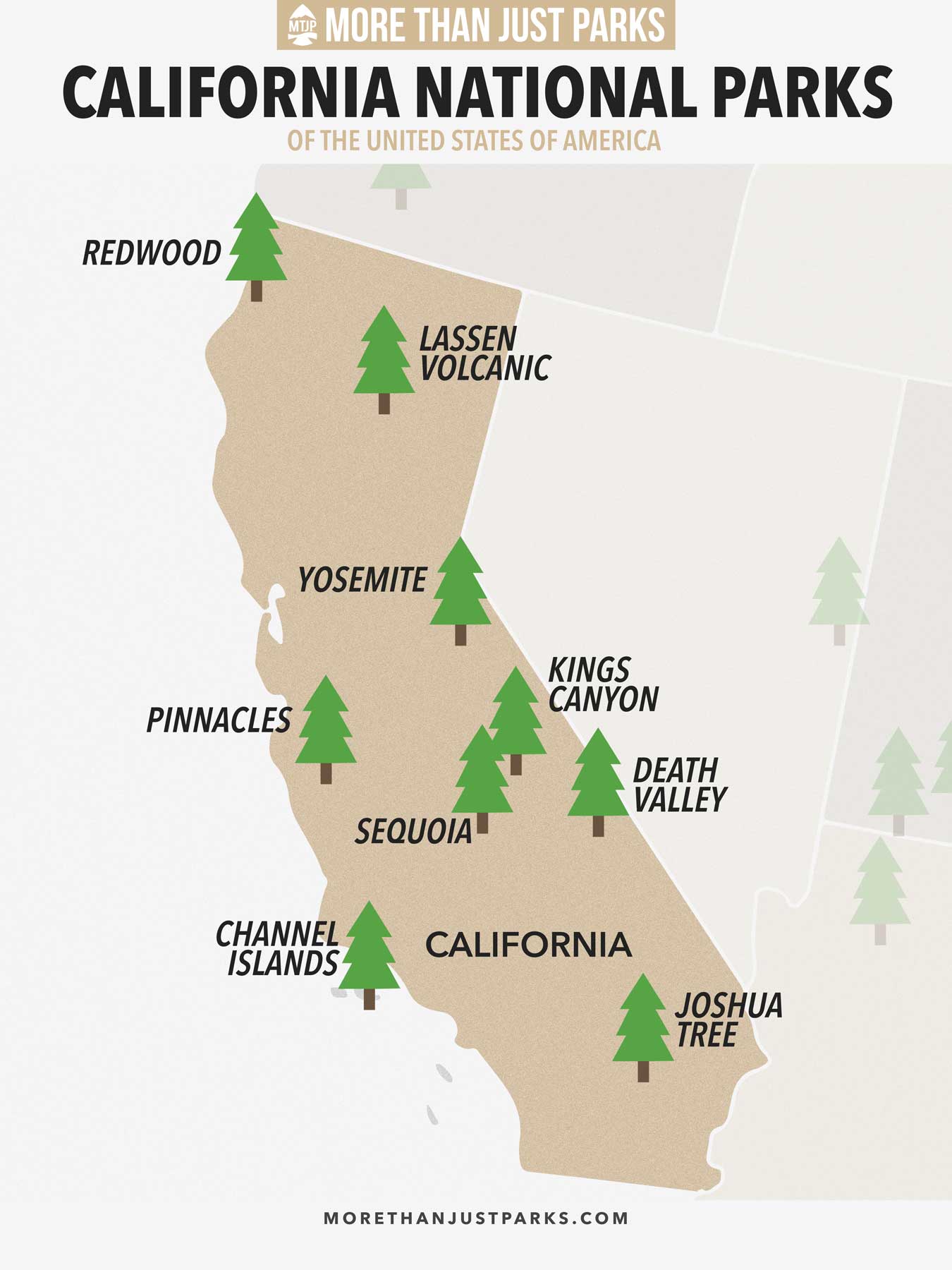
California’s Nine National Parks: A Golden State Tapestry
California’s nine national parks stand as testaments to the state’s incredible geological and ecological richness. Each park, a landmark in its own right, offers a distinct experience, inviting visitors to witness ancient wonders, diverse wildlife, and landscapes that stretch the imagination.
The Diverse Landscapes of Each Park
- Yosemite National Park: Perhaps the most famous of all, Yosemite is renowned for its majestic waterfalls, towering granite cliffs like Half Dome and El Capitan, and ancient giant sequoias. Its vast wilderness areas and iconic Yosemite Valley offer world-class hiking, climbing, and photography opportunities. The panoramic vista from Tunnel View is an image etched into the minds of millions.
- Sequoia National Park: Home to some of the largest trees on Earth, Sequoia National Park is a place of profound awe. The Giant Forest shelters the General Sherman Tree, the largest living tree by volume. Adjacent to Kings Canyon National Park, it provides deep canyons, soaring mountains, and an extensive network of trails.
- Kings Canyon National Park: Often considered a companion to Sequoia, Kings Canyon boasts one of the deepest canyons in North America, carved by glaciers. Its rugged backcountry and the stately General Grant Tree offer spectacular scenery and solitude for hikers and backpackers.
- Death Valley National Park: A land of extremes, Death Valley is the hottest, driest, and lowest national park. Despite its forbidding name, it harbors incredible beauty, from the salt flats of Badwater Basin and the colorful hills of Artists Palette to vast sand dunes and dramatic canyons. It’s an astronomer’s paradise with some of the darkest night skies.
- Joshua Tree National Park: Where the Mojave Desert meets the Colorado Desert, Joshua Tree is famous for its namesake trees, rugged rock formations, and stark, captivating beauty. It’s a mecca for rock climbers, hikers, and stargazers, offering a unique blend of ecology and stunning desert vistas.
- Lassen Volcanic National Park: A testament to the power of the Earth, Lassen Volcanic is one of the few places in the world where all four types of volcanoes can be found. Steaming fumaroles, boiling mud pots, and clear mountain lakes create a landscape of geothermal wonders and serene beauty.
- Redwood National and State Parks: Protecting nearly half of the world’s remaining old-growth coastal redwood forests, these parks are home to the tallest trees on Earth. Walking amongst these ancient giants is a humbling and awe-inspiring experience, transporting visitors to a primeval world of misty forests and verdant undergrowth near the Pacific Ocean.
- Channel Islands National Park: A unique archipelago often called “the Galapagos of North America,” the Channel Islands are a haven for endemic species, pristine marine environments, and rugged coastal beauty. Accessible by ferry from Ventura or Oxnard, it’s ideal for kayaking, snorkeling, hiking, and wildlife viewing.
- Pinnacles National Park: California’s newest national park, Pinnacles, is a landscape of dramatic rock spires, talus caves, and a vital sanctuary for the endangered California Condor. Hiking through its unique formations offers incredible views and a chance to witness these magnificent birds in flight.
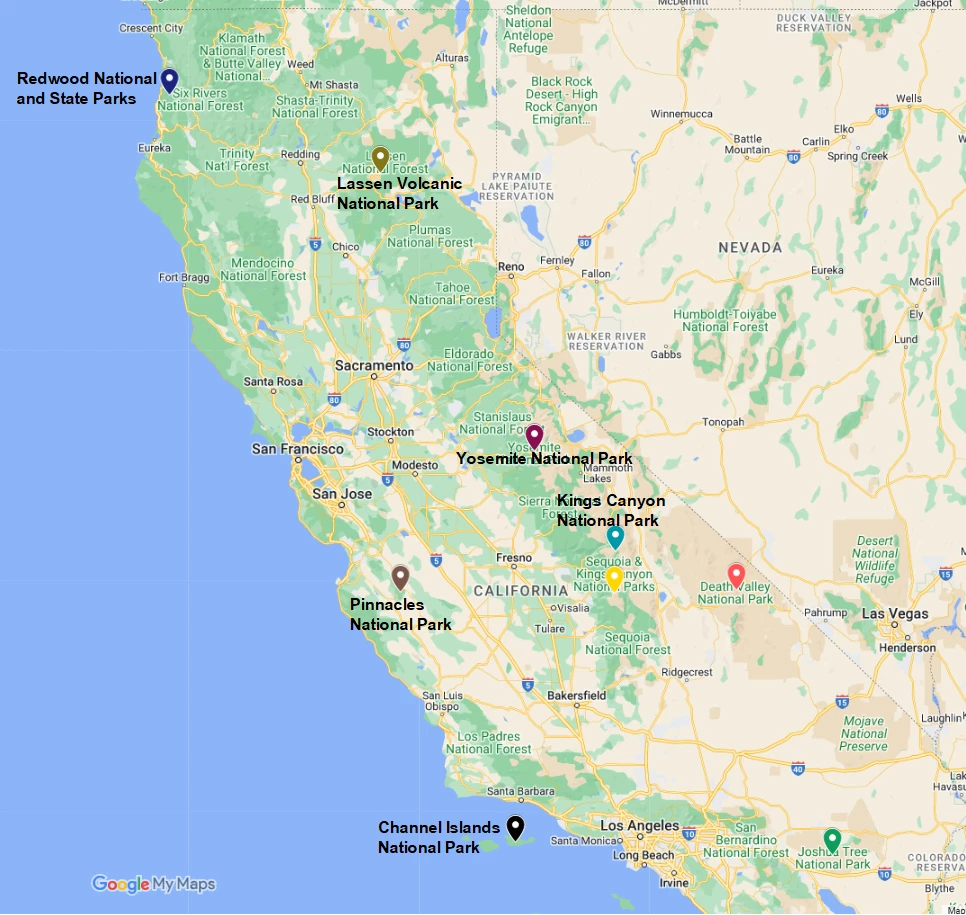
Unique Ecosystems and Historical Significance
The diversity among these parks is not merely aesthetic; it reflects California’s incredible range of ecosystems. From the sub-alpine meadows of the Sierra Nevada to the scorching sands of the Mojave and Great Basin Deserts, each park preserves critical habitats for countless species. The Channel Islands protect a unique insular ecosystem, while the Redwood forests are remnants of a bygone era, preserving trees that have stood for millennia.
Beyond their natural splendor, many of these parks hold significant historical and cultural relevance. Yosemite played a pivotal role in the early conservation movement, inspiring figures like John Muir. Death Valley is steeped in the history of pioneers and prospectors, while the native cultures of the various regions have deep, ancestral connections to these lands. Understanding this history enriches the visitor experience, adding layers of meaning to the stunning landscapes.
Planning Your Expedition: Navigating California’s Natural Wonders
Embarking on a journey through California’s national parks requires careful planning to maximize enjoyment and ensure a smooth experience. From crafting your itinerary to securing accommodation, preparation is key to unlocking the full potential of these iconic destinations.
Strategic Itinerary Planning and Best Times to Visit
Given the sheer size and geographical spread of California’s parks, combining multiple parks into one trip requires strategic planning. For instance, Sequoia and Kings Canyon National Parks are adjacent and can be explored together, often with a base in nearby towns like Three Rivers or Fresno. Similarly, Death Valley and Joshua Tree can be linked for a desert-themed adventure, with accessible accommodations in Ridgecrest, Twenty-nine Palms, or Palm Springs. Yosemite can be a standalone destination or combined with parts of the Sierra Nevada and Lassen Volcanic for a grander mountain expedition, with towns like Mammoth Lakes or Bishop offering excellent lodging options.
The best time to visit varies significantly by park. Spring (March to May) and Fall (September to November) generally offer the most pleasant weather across the board, avoiding the extreme heat of the deserts in summer and the heavy snows of the mountains in winter. Spring brings wildflowers to the deserts and roaring waterfalls to Yosemite. Fall foliage in the Sierra is spectacular. However, summer (June to August) is peak season for high-elevation parks like Yosemite, Sequoia, and Kings Canyon when all roads and trails are typically open. Winter (December to February) transforms mountain parks into snowy wonderlands for cross-country skiing and snowshoeing, while desert parks like Death Valley and Joshua Tree become much more hospitable for exploration.
Accommodation Choices: From Rustic Campsites to Luxurious Resorts
Accommodation options abound both within and surrounding California’s national parks, catering to every preference and budget.
- Inside the Parks: Many parks offer a range of options, from rustic tent-only campsites to more developed campgrounds suitable for RVs. Some, like Yosemite and Death Valley, also feature historic lodges and hotels, such as the grand Ahwahnee Hotel in Yosemite or the Furnace Creek Resort in Death Valley. These in-park accommodations offer unparalleled access to attractions but require advance booking, often a year in advance due to high demand.
- Nearby Towns and Cities: For those preferring more amenities or seeking a base to explore multiple parks, numerous towns and cities just outside park boundaries offer a vast selection of hotels, motels, bed & breakfasts, and vacation rentals. For example, San Francisco or Los Angeles can serve as jump-off points for various parks, though require a drive. Closer options include Three Rivers for Sequoia, Palm Springs for Joshua Tree, Fresno for the Sierra parks, Ventura or Santa Barbara for the Channel Islands, and Crescent City for Redwood National and State Parks.
- Unique Stays: Beyond traditional hotels and campgrounds, consider glamping (glamorous camping) for a blend of nature and comfort, or renting a cozy cabin or a full villa for larger groups. Websites dedicated to accommodation booking, reviews, and comparison are invaluable tools for finding the perfect stay.
Immerse Yourself: Activities and Experiences in the National Parks
California’s national parks are playgrounds for outdoor enthusiasts, offering a staggering array of activities that cater to all ages and fitness levels. From strenuous physical challenges to serene moments of reflection, there’s an adventure waiting for everyone.
Adventure and Exploration: What to Do and See
- Hiking and Backpacking: This is arguably the most popular activity. Trails range from easy, paved loops suitable for families (like the Big Trees Trail in Sequoia) to multi-day backcountry treks (such as the John Muir Trail that traverses Yosemite, Kings Canyon, and Sequoia). Each park offers distinct terrain, from desert washes to alpine peaks and dense forests.
- Wildlife Viewing: Spotting native fauna is a highlight. Look for bighorn sheep in Death Valley, black bears in Yosemite, elephant seals near the Channel Islands, and especially the majestic California Condor in Pinnacles National Park.
- Photography: With such dramatic landscapes, every park is a photographer’s dream. Capture the iconic Tunnel View in Yosemite, the mesmerizing light at Zabriskie Point in Death Valley, or the ethereal fog in the Redwoods.
- Stargazing: Far from city lights, parks like Death Valley and Joshua Tree offer some of the darkest night skies, perfect for astronomical observation. Many parks host ranger-led stargazing programs.
- Water Activities: Kayaking, snorkeling, and diving are popular in Channel Islands National Park, while fishing and swimming can be enjoyed in lakes and rivers in parks like Yosemite, Kings Canyon, and Lassen Volcanic.
- Climbing and Bouldering: Yosemite and Joshua Tree National Park are world-renowned for their climbing opportunities, attracting enthusiasts from across the globe.
Essential Tips for a Seamless Park Visit
- Book in Advance: Permits for popular hikes (like Half Dome in Yosemite) and all accommodations, especially campsites, must be booked well in advance, sometimes months or even a year ahead. Check the National Park Service website for specific park requirements.
- Check Park Conditions: Road closures (especially due to snow in winter or fires in summer), weather advisories, and trail conditions can change rapidly. Always check the official park website before and during your visit.
- Pack Smart: Depending on the park and season, bring layers of clothing, sturdy hiking boots, plenty of water, sunscreen, hats, and appropriate gear for your planned activities. Deserts require extra water, mountains require warmth.
- Leave No Trace: Practice responsible tourism by packing out everything you pack in, staying on marked trails, respecting wildlife, and minimizing your impact on these pristine environments.
- Stay Safe: Inform someone of your itinerary, be aware of your surroundings, carry a map and compass/GPS, and know your physical limits. Cell service can be spotty in remote areas.
- Entrance Fees: Most national parks charge an entrance fee, either per vehicle or per person. Consider an America the Beautiful Pass if you plan to visit multiple parks within a year.
The California National Park Lifestyle: Tailored Experiences
The allure of California’s national parks extends beyond their natural beauty; it encapsulates a lifestyle of adventure, discovery, and connection. Whether you envision a rugged wilderness expedition or a relaxed scenic drive, these parks offer flexible experiences to suit every traveler’s preference and budget.
Catering to Every Traveler: Budget, Luxury, Family, and Solo Journeys
- Budget Travel: Exploring California’s national parks can be surprisingly affordable. Camping within the parks or in nearby national forests is the most budget-friendly accommodation. Packing your own food, utilizing free ranger programs, and focusing on hiking and scenic drives keeps costs down. Many small towns surrounding parks offer affordable motels and diners.
- Luxury Travel: For those seeking comfort and upscale experiences, several parks, particularly Yosemite and Death Valley, boast historical lodges and resorts offering exquisite dining, guided tours, and premium amenities. Outside the parks, towns like Palm Springs near Joshua Tree or Mammoth Lakes near the Sierra parks provide luxurious hotels, spas, and gourmet restaurants, perfect for a refined escape. Glamping options, offering amenities like comfortable beds and private bathrooms in a natural setting, bridge the gap between camping and luxury.
- Family Trips: National parks are ideal for creating lasting family memories. Many parks feature accessible trails, junior ranger programs, and visitor centers with educational exhibits. Activities like wildlife spotting, easy nature walks, and picnicking are perfect for all ages. Renting an apartment or villa near a park can provide the space and convenience families need.
- Solo Adventures and Group Tours: For the solo traveler, the parks offer profound solitude and opportunities for introspection, particularly on less-trafficked trails. Group tours, on the other hand, provide a hassle-free way to explore, with transportation, guides, and accommodations often included, fostering camaraderie among fellow travelers.
Cultivating Sustainable and Memorable Adventures
Regardless of your travel style, a visit to California’s national parks is an investment in experiences that enrich the soul. The memories forged amidst ancient sequoias, under starry desert skies, or by thundering waterfalls are truly invaluable. Beyond personal enjoyment, responsible tourism within these parks contributes to their preservation for future generations. Supporting park facilities, adhering to regulations, and practicing Leave No Trace principles are crucial aspects of the national park lifestyle.
In conclusion, California’s nine national parks offer an unparalleled spectrum of natural beauty and adventure. From the towering redwoods to the deep canyons and volcanic landscapes, each park is a unique landmark waiting to be explored. By leveraging detailed travel guides, choosing the right accommodation, and embracing the diverse activities available, every traveler can curate their perfect California national park experience. So pack your bags, prepare your itinerary, and set out to discover the magnificent natural heritage of the Golden State.
LifeOutOfTheBox is a participant in the Amazon Services LLC Associates Program, an affiliate advertising program designed to provide a means for sites to earn advertising fees by advertising and linking to Amazon.com. Amazon, the Amazon logo, AmazonSupply, and the AmazonSupply logo are trademarks of Amazon.com, Inc. or its affiliates. As an Amazon Associate we earn affiliate commissions from qualifying purchases.