
When you envision the vast landscapes of Texas, images of sprawling prairies, rugged deserts, and bustling cities often come to mind. But what about lakes? The Lone Star State boasts an impressive number of beautiful aquatic expanses, beloved by residents and travelers alike for recreation, relaxation, and scenic beauty. However, the answer to “How many natural lakes are in Texas?” is more nuanced than most might expect. The surprising truth is that while Texas is home to well over 100 major lakes, the vast majority of them are not natural formations. They are, in fact, man-made reservoirs, strategically engineered to serve the state’s burgeoning population and diverse needs.
This distinction is crucial for anyone planning to explore the aquatic attractions of Texas. Understanding the origins of these lakes sheds light on their unique characteristics, the activities they offer, and how they’ve shaped the tourism and lifestyle within the state. From serene fishing spots to vibrant water sports hubs, Texas’s lakes, natural or otherwise, offer a wealth of experiences for every type of visitor.
The Peculiar Reality of Texas’s Natural Lakes
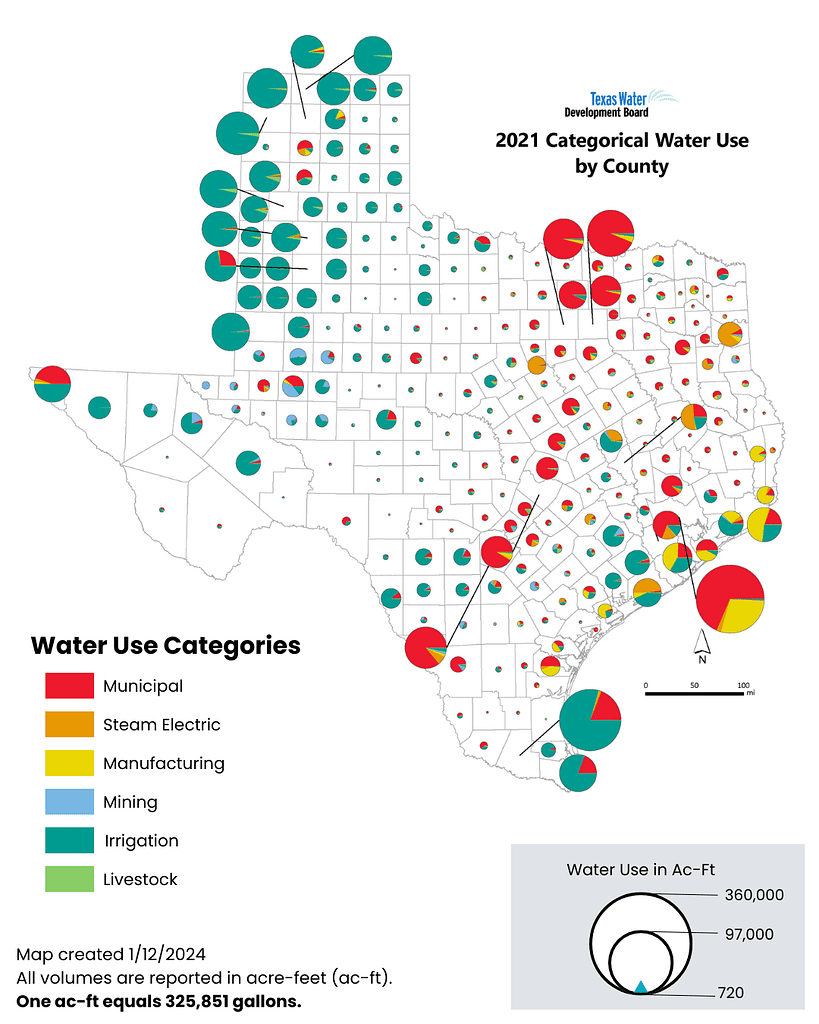
Texas’s unique geography and climate are not conducive to the formation of numerous large, permanent natural lakes. Unlike states with glaciated landscapes or abundant rainfall distributed evenly throughout the year, Texas experiences extended periods of dry weather and geological conditions that primarily foster river systems rather than expansive lake beds. Most natural depressions simply don’t hold water long enough to be classified as permanent lakes. The natural waterways here are predominantly rivers and streams, which carve paths across the state’s diverse terrain, from the arid west to the humid east.
This means that if you’re picturing vast, ancient bodies of water like the Great Lakes or those found in more mountainous regions, Texas presents a different reality. The few natural lakes that do exist are typically small, often temporary, and differ significantly in formation and appearance from their man-made counterparts. They offer a glimpse into the state’s untouched natural history and are often ecologically distinct, supporting unique flora and fauna adapted to their specific conditions.
The Elusive Oxbow Lake: Texas’s Primary Natural Lake Type
When we speak of natural lakes in Texas, we are primarily referring to what are known as oxbow lakes. These fascinating geological features are formed over centuries as meandering rivers change course. As a river flows across a relatively flat flood plain, it often develops dramatic curves and loops. Over time, the erosion on the outside bend and deposition on the inside bend can cause a loop to become so exaggerated that the river eventually cuts a new, straighter path during a flood, abandoning the old loop. This isolated loop of water forms an oxbow lake, often crescent-shaped and typically found in the floodplains of major rivers.
While numerous small oxbow lakes exist along the Trinity River, Red River, and other major Texas waterways, they are generally not considered major attractions for large-scale tourism due to their size and often remote locations. They are, however, vital ecological habitats, supporting diverse aquatic life and migratory bird populations.
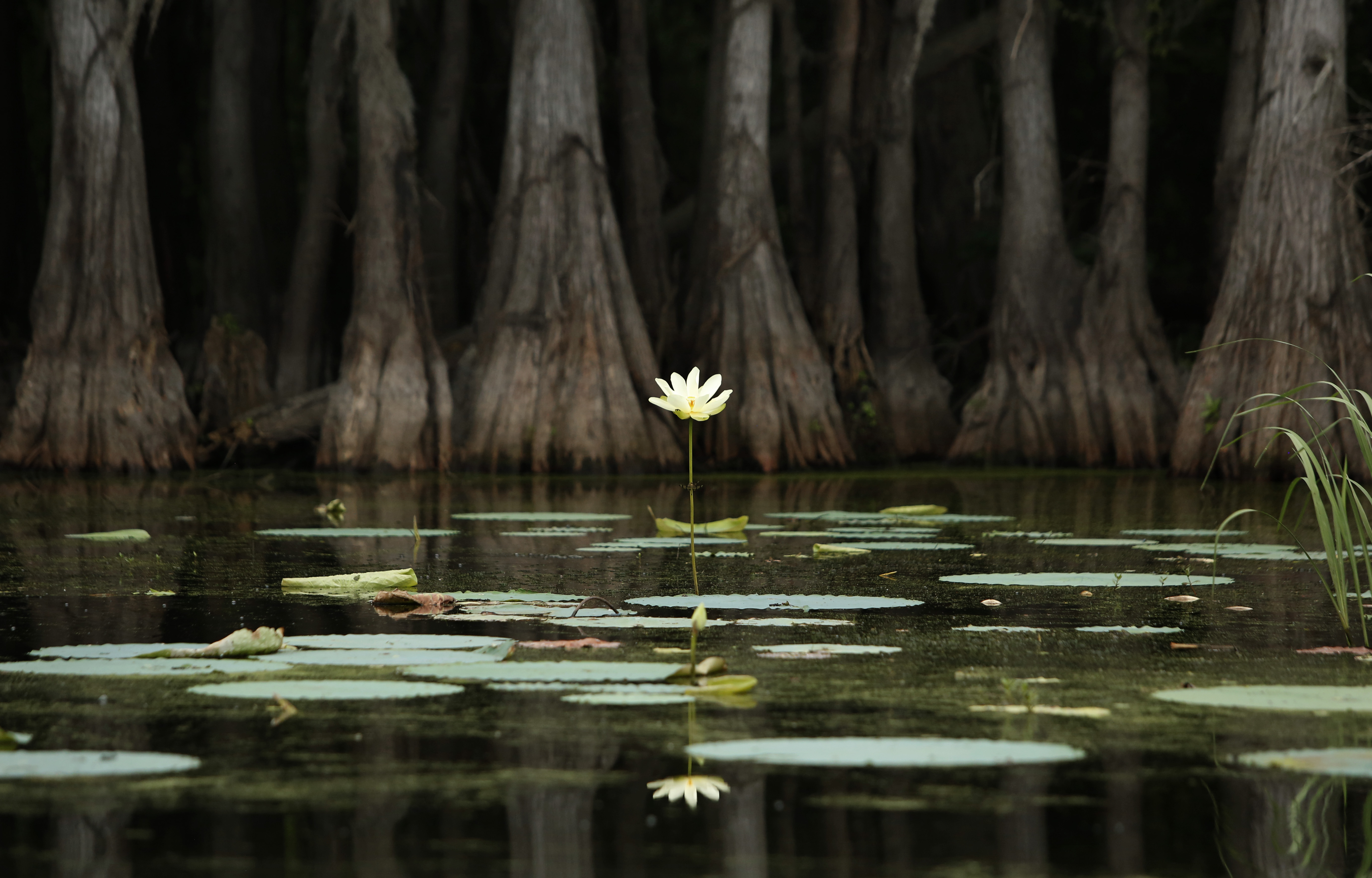
The most famous—and often debated—case of a “natural” lake in Texas is Caddo Lake, located on the border with Louisiana. Caddo Lake is unique; it’s considered by many to be the state’s only large, naturally formed lake. Its origins are tied to a massive logjam known as the Great Raft, which naturally dammed the Red River and its tributaries centuries ago, creating a sprawling cypress swamp lake. However, even Caddo Lake has been extensively modified by human intervention, including the construction of a dam in the early 20th century to manage its water levels and facilitate navigation. This blend of natural formation and significant human alteration makes Caddo Lake a fascinating anomaly, often cited as a natural landmark despite its complex history. Its ethereal beauty, characterized by ancient cypress trees draped in Spanish moss rising from the murky waters, offers a truly unique experience for nature lovers and photographers.
The Rise of Reservoirs: Engineering Texas’s Aquatic Playground
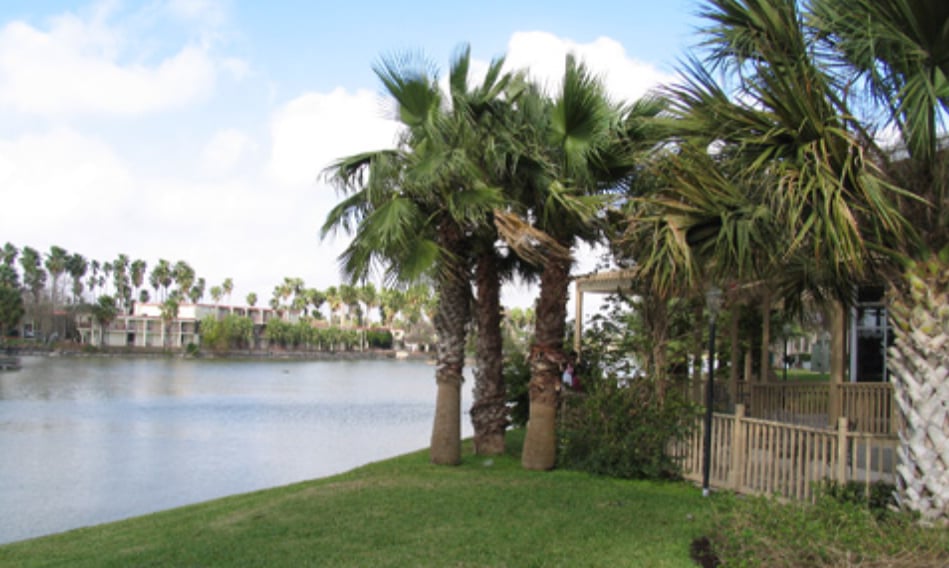
Given the scarcity of natural lakes and the inherent challenges of water management in a state prone to both droughts and floods, Texas has embraced engineering solutions to create its vast network of lakes. These man-made reservoirs were primarily constructed to fulfill critical needs: providing reliable drinking water for rapidly growing cities, controlling devastating floods, and generating hydroelectric power. Over time, these functional bodies of water have also blossomed into immensely popular recreational destinations, becoming the aquatic heart of Texas.
The sheer number of these artificial lakes is impressive, with over 100 major reservoirs spread across the state. Each one boasts its own character, attracting different types of visitors and supporting a wide array of water sports and leisure activities. From the rolling hills of the Texas Hill Country to the piney woods of East Texas, these lakes are now integral landmarks and economic drivers, shaping the tourism industry and offering a vibrant lifestyle for those who choose to live or vacation near their shores.
Iconic Artificial Lakes and Their Allure for Travelers
The numerous reservoirs across Texas serve as economic engines and recreational havens, drawing millions of visitors annually. Each has its own distinct personality, catering to various preferences from luxury retreats to rugged outdoor adventures.
-
Lake Travis: The Austin Playground
Just a short drive from Austin, Lake Travis is perhaps the most famous of Texas’s man-made lakes. Known for its clear blue waters and dramatic cliffs, it’s a hub for water sports enthusiasts. From boating, jet skiing, and paddleboarding to parasailing and scuba diving, there’s no shortage of activities. Lake Travis is also famous for its vibrant party scene, with numerous lakeside bars and restaurants offering live music and stunning sunset views. For those seeking luxury accommodations, there are opulent resorts and high-end vacation rentals dotting its shores, making it a prime destination for an upscale Texas escape. -
Lake Lewisville: North Texas’s Recreational Giant
Located just north of Dallas-Fort Worth, Lake Lewisville is one of the largest lakes in North Texas and a popular retreat for urban dwellers. It offers expansive areas for boating, fishing (especially for bass and crappie), and swimming. The lake is surrounded by numerous parks, marinas, and public access points, making it incredibly accessible for a day trip or a longer stay. Camping and RV parks are abundant, providing budget-friendly accommodations for families and outdoor enthusiasts. Its vastness ensures there’s always a quiet cove to discover or a lively beach to enjoy. -
Lake Grapevine: Family Fun and Festive Charm
Nestled near the charming city of Grapevine, this lake offers a blend of recreational activities and vibrant local culture. Lake Grapevine is perfect for family trips, with dedicated swimming areas, picnic spots, and a network of biking trails and hiking paths around its perimeter. The nearby city of Grapevine itself is a major attraction, known for its historic downtown, wineries, and annual festivals. Visitors can find a range of accommodation options, from well-known hotels to boutique stays that cater to different preferences and budgets. -
Possum Kingdom Lake: A Scenic Gem in the Heart of Texas
Located west of Fort Worth, Possum Kingdom Lake is renowned for its striking natural beauty, particularly the iconic Hell’s Gate rock formation. Carved into rugged limestone cliffs, Hell’s Gate is a popular spot for boaters and cliff jumpers. The lake’s clear, deep waters are ideal for scuba diving and fishing, while the surrounding wilderness offers excellent opportunities for hiking and wildlife viewing. Accommodation ranges from lakeside cabins and private villas to the historic Possum Kingdom State Park, which offers camping and scenic viewpoints. Its more remote location fosters a tranquil, nature-focused lifestyle for visitors.
Planning Your Texas Lake Adventure: Travel, Accommodation, and Experiences
Exploring Texas’s lakes, whether natural or man-made, offers a rich tapestry of travel possibilities. From action-packed family trips to serene solo retreats, there’s a lake experience waiting for every adventurer. Planning your trip around these aquatic destinations means considering the diverse activities available and the wide array of accommodation options that cater to every lifestyle and budget.
Activities and Experiences on Texas Lakes
The appeal of Texas’s lakes lies in the sheer variety of recreational opportunities they provide. No matter which lake you choose, you’re likely to find something to spark your interest.
- Water Sports Extravaganza: Most major lakes are prime locations for boating, jet skiing, kayaking, and paddleboarding. Many marinas offer equipment rentals, making it easy for even first-timers to get out on the water. For the more adventurous, some lakes like Lake Travis and Possum Kingdom Lake are known for scuba diving and cliff jumping.
- Fishing Paradise: Texas lakes are renowned for their excellent fishing. Anglers can pursue a variety of species, including largemouth bass, catfish, crappie, and sunfish. Many lakes host fishing tournaments throughout the year, attracting enthusiasts from across the country. Guided fishing tours are also widely available.
- Swimming and Sunbathing: With miles of shoreline, many lakes offer designated swimming beaches and coves perfect for relaxing under the Texas sun. Public parks around the lakes often provide picnic areas and playgrounds, ideal for family trips.
- On-Shore Adventures: Beyond the water, the areas surrounding these lakes are rich with opportunities. Hiking and biking trails wind through scenic landscapes, offering breathtaking views of the water and surrounding nature. Wildlife viewing is also a popular pastime, with many lakes supporting diverse bird populations and other local fauna.
- Local Culture and Food: Nearby towns often provide a taste of authentic Texas culture, with charming shops, local restaurants serving up delicious barbecue or Tex-Mex, and community events that showcase the region’s unique heritage. Visiting these towns adds another layer to the overall travel experience.
Where to Stay: Hotels, Resorts, and Unique Stays
When it comes to accommodation near Texas lakes, options are as diverse as the lakes themselves. Whether you’re planning a luxury travel escape or a budget-friendly adventure, you’ll find suitable lodging.
- Luxury Resorts and Hotels: For those seeking upscale comfort and premium amenities, many popular lakes, especially near Austin (Lake Travis, Lake Austin) and Grapevine (Lake Grapevine), boast exquisite resorts and boutique hotels. These often feature spas, golf courses, fine dining, and direct lake access, perfect for a indulgent getaway or business stays with a view.
- Vacation Rentals: Lake houses, cabins, and apartments are incredibly popular, offering privacy, space, and often stunning lake views. Websites dedicated to booking vacation rentals provide a wide selection, from cozy retreats for couples to large villas suitable for big groups or family trips. This option allows for a more personalized and often more immersive experience of lake life.
- Camping and RV Parks: For the outdoor enthusiast or those on a budget travel plan, Texas State Parks and numerous private campgrounds offer excellent camping facilities. From primitive tent sites to full-service RV parks with hookups, these options provide direct access to nature and a chance to truly disconnect. Many also offer cabins or SCREENED shelters.
- Budget-Friendly Hotels and Motels: In smaller towns surrounding the lakes, you’ll find a range of affordable hotels and motels that offer comfortable stays without breaking the bank. These are often great bases for exploring multiple nearby attractions and local culture. Comparison sites and reviews can help in finding the best deals and ensuring a pleasant stay.
When preparing for your trip, remember to check current lake levels, as these can fluctuate significantly due to weather conditions and water management practices. Many online guides and official park websites provide up-to-date tips and information to ensure a smooth and enjoyable Texas lake experience.
The Enduring Appeal of Texas’s Aquatic Wonders
The question “How many natural lakes are in Texas?” reveals a unique aspect of the state’s geography and its human ingenuity. While truly natural lakes are rare, the engineering marvels of its extensive reservoir system have transformed the landscape, creating a vibrant network of aquatic destinations. These man-made landmarks have become indispensable for water supply, flood control, and, perhaps most importantly for travelers and residents, for providing unparalleled recreational opportunities.
From the cypress-laden mystique of Caddo Lake to the lively shores of Lake Travis and the serene beauty of Possum Kingdom Lake, Texas’s lakes are more than just bodies of water. They are central to the state’s tourism economy, foster a beloved outdoor lifestyle, and offer a refreshing escape for anyone seeking adventure, relaxation, or a deeper connection with the vast and varied heart of Texas. So, pack your bags, choose your lake, and prepare for an unforgettable Texas aquatic experience.