
The distinctive administrative divisions of Louisiana, known as parishes, hold a unique place in the American landscape. Unlike the counties found in most other U.S. states, Louisiana’s parishes are a direct inheritance from the French and Spanish colonial past, where a similar ecclesiastical division of territory, the parish, was prevalent. This historical legacy is a cornerstone of understanding the state’s cultural and governmental fabric. For those planning a journey through the captivating bayous and vibrant cities of Louisiana, grasping the concept and number of these parishes is not just an academic exercise; it’s a key to unlocking a deeper appreciation of the state’s geography, history, and local life. So, to directly answer the question that sparks this exploration: Louisiana is divided into 64 parishes.
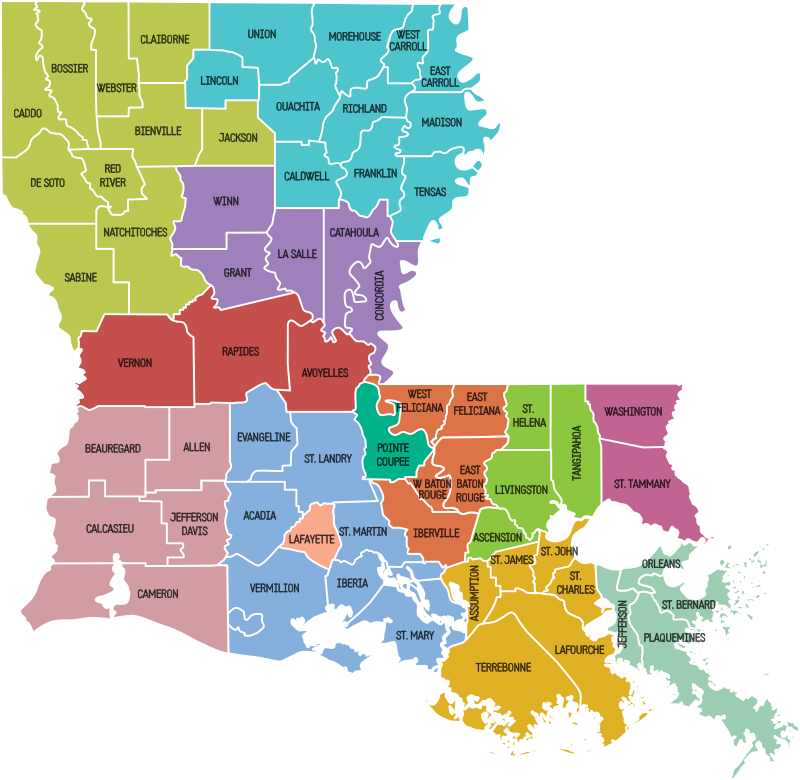
This seemingly simple number, 64, belies a rich tapestry of history and a unique administrative structure that sets Louisiana apart. Each parish, much like a county elsewhere, has its own government, sheriff, and various elected officials responsible for local services. However, the very name “parish” hints at a deeper connection to the spiritual and administrative organization that existed long before Louisiana became a state within the United States. Understanding this heritage is crucial for anyone interested in Louisiana’s distinctive culture, from the jazz clubs of New Orleans to the historic plantations along the Mississippi River.
The Historical Roots of Louisiana’s Parishes
The designation of Louisiana’s administrative divisions as parishes stems directly from the state’s colonial history. When the French first established settlements in the Louisiana territory, they organized the land along the lines of the Roman Catholic Church’s ecclesiastical parishes. These were geographical areas centered around a church, with a priest responsible for the spiritual and often social welfare of the inhabitants. This system was deeply ingrained in the French way of life and was naturally imported to their new world colonies.
Following the Louisiana Purchase in 1803, the United States inherited this unique organizational structure. While the concept of counties was the norm in other territories and states, Louisiana’s established parish system was deemed significant enough to preserve. Early American administrators recognized the deep-seated nature of the parish system and the administrative frameworks that had already been put in place. Instead of imposing a foreign system, they largely adapted the existing parish structure to fit the needs of a U.S. territory and eventually, a state.
From Ecclesiastical to Civil Authority
The transition from purely ecclesiastical units to civil administrative bodies was a gradual but definitive process. As Louisiana evolved and its population grew, the responsibilities of the parishes expanded far beyond their original religious functions. The French and later Spanish colonial governments recognized the utility of these defined territories for purposes of governance, taxation, and law enforcement. Over time, the civil authority vested in parish governments solidified, mirroring the functions of county governments in other states, but retaining the distinct nomenclature.
This dual heritage, where a civil structure carries the name of a religious division, is a fascinating aspect of Louisiana’s identity. It contributes to the state’s unique cultural mosaic, blending French, Spanish, African, and Native American influences. When exploring Louisiana, whether you’re visiting the historic French Quarter in New Orleans, exploring the Cajun Country, or venturing into the more remote marshlands, the boundaries and identities of these parishes play a subtle yet significant role in shaping regional character and local customs.
Exploring the 64 Parishes: A Journey Through Louisiana
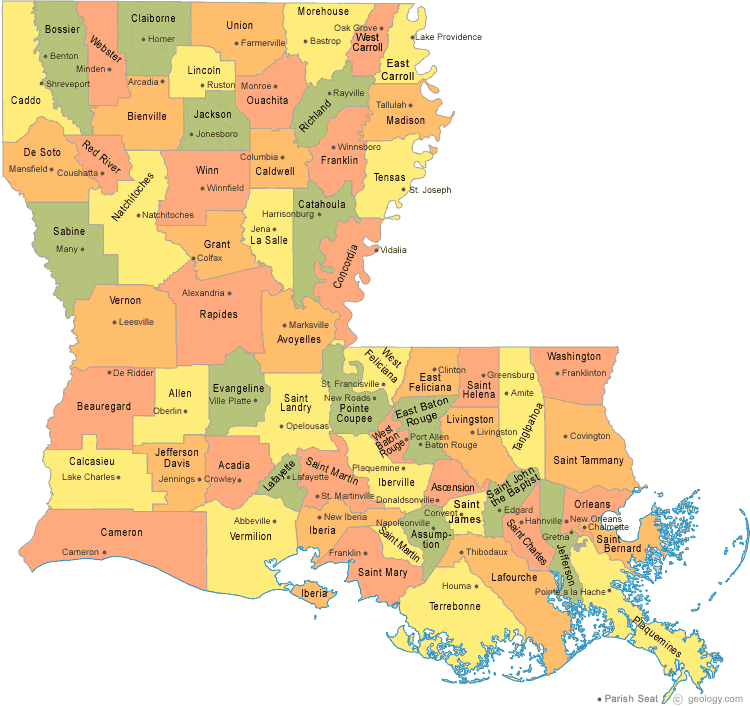
With 64 parishes making up the state of Louisiana, there’s an incredible diversity of landscapes, cultures, and attractions to discover. Each parish boasts its own unique charm, influenced by its history, geography, and the people who call it home. From the bustling urban centers to the tranquil rural expanses, understanding the parish system can enhance any travel itinerary, allowing for a more nuanced exploration of Louisiana’s rich offerings.
Northern Louisiana: Hills, History, and the Red River Valley
The northern part of Louisiana offers a different flavor compared to the southern bayous. Parishes in this region, such as Caddo and Ouachita, are characterized by rolling hills, pine forests, and the vital Red River. Shreveport, located in Caddo Parish, is a major cultural and economic hub, known for its casinos, live music venues, and a burgeoning arts scene. The Louisiana Boardwalk Outlets offer a popular shopping destination. Further east, Monroe, in Ouachita Parish, serves as another important center, with a rich history tied to the timber and agricultural industries. This part of the state often evokes a sense of Southern hospitality, with a focus on outdoor recreation and a slower pace of life. For history buffs, exploring the sites related to the Civil War or the early oil boom in these parishes provides a fascinating glimpse into America’s past.
Central Louisiana: Crossroads and Cane Fields
Central Louisiana acts as a transitional zone, blending influences from both the north and the south. Parishes here often feature a mix of piney woods, fertile farmlands, and the meandering waterways that are characteristic of the state. Rapides Parish, home to Alexandria, is a significant commercial and transportation hub. The area is dotted with historical sites, including remnants of Civil War battles and the ancestral lands of various Native American tribes. The agricultural heritage is strong, with sugarcane and cotton fields being a common sight. Travelers might find themselves exploring charming small towns, discovering local festivals, and experiencing the warm, welcoming nature of Central Louisiana’s communities.
Southern Louisiana: Bayous, Beaches, and the Heart of Cajun Country
Southern Louisiana is perhaps the most iconic and internationally recognized region of the state, largely due to its unique Cajun and Creole cultures, and the vast, mysterious bayou landscape. New Orleans, the crown jewel, is located in Orleans Parish and is a global destination renowned for its music, cuisine, architecture, and vibrant festivals like Mardi Gras. Beyond New Orleans, the parishes that form the heart of Acadiana (Cajun Country) offer a distinct cultural experience.
Parishes like Lafayette, St. Martin, and Vermilion are steeped in the traditions of the Acadians, French colonists expelled from Canada in the 18th century. Here, visitors can savor authentic Cajun cuisine, dance to the infectious rhythms of Cajun music, and explore the intricate network of bayous and swamps. The ecological richness of this region is astonishing, providing habitats for a diverse array of wildlife, including alligators and numerous bird species. Travel through these parishes often involves boat tours through the swamps, visits to historic Acadian villages, and immersion in a culture that celebrates community, family, and a deep connection to the land and water. The coastal parishes, bordering the Gulf of Mexico, offer opportunities for fishing, birdwatching, and enjoying the natural beauty of the Louisiana coast.
The Significance of Parish Boundaries for Travelers
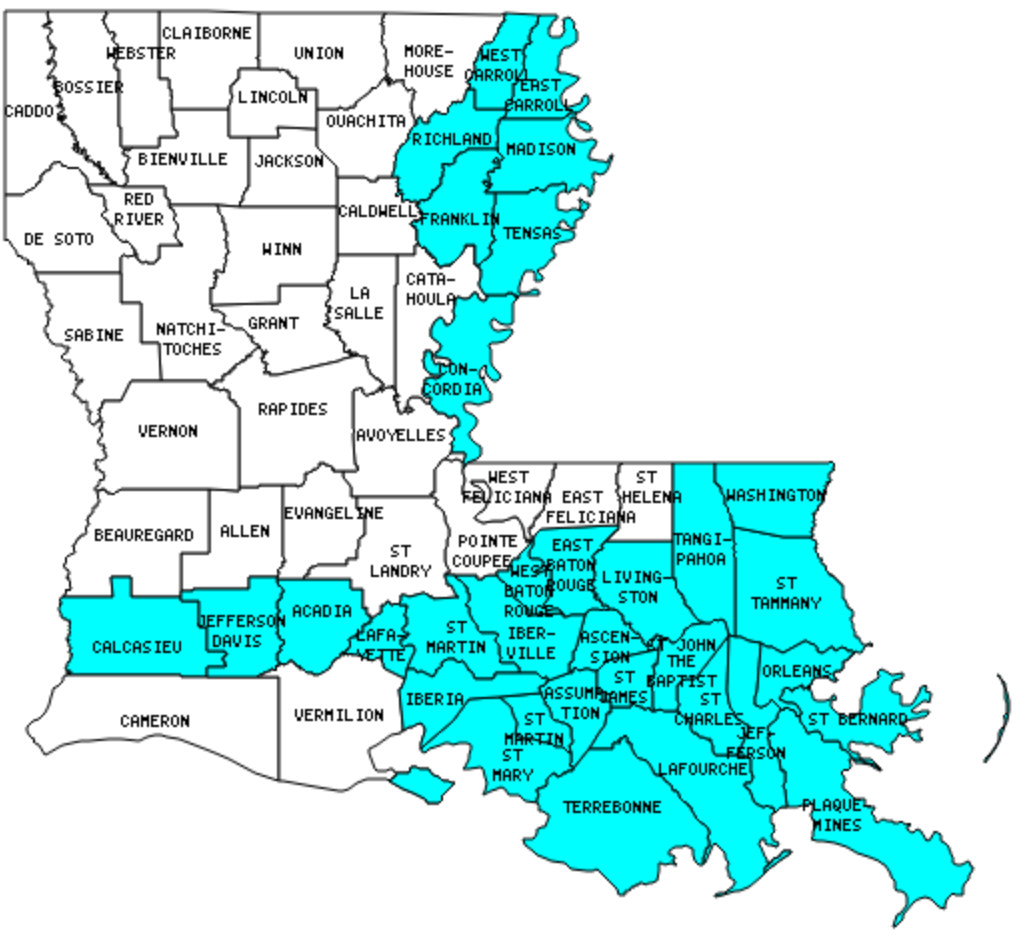
For travelers, understanding Louisiana’s 64 parishes can significantly enrich their experience. While major cities like New Orleans, Baton Rouge (in East Baton Rouge Parish), and Shreveport are often primary destinations, the true essence of Louisiana lies in exploring the smaller towns and rural landscapes that make up the individual parishes.
When planning your journey, consider how parish boundaries might align with specific attractions or experiences. For example, if you’re interested in jazz music and Creole history, focusing your exploration on Orleans Parish and neighboring parishes like Jefferson would be ideal. If Cajun food and culture are your priority, then the heart of Acadiana, encompassing parishes like Lafayette and St. Landry, will be your focus.
The distinction between parishes also influences the type of accommodation you might seek. In larger cities, you’ll find a wide range of hotels, from luxury resorts to budget-friendly options. In more rural parishes, you might opt for charming bed and breakfasts, vacation rentals, or even unique stays like houseboat rentals on the bayous, offering a more immersive lifestyle experience. The local tourism boards and visitor centers within each parish are invaluable resources for discovering local attractions, events, and insider tips.
Ultimately, the 64 parishes of Louisiana are more than just administrative divisions; they are the building blocks of the state’s diverse identity. Each one contributes a unique chapter to the grand narrative of Louisiana, from its colonial past to its vibrant present. Whether you’re a seasoned traveler or embarking on your first Louisiana adventure, taking the time to appreciate the distinct character of each parish will undoubtedly lead to a more profound and memorable journey.
LifeOutOfTheBox is a participant in the Amazon Services LLC Associates Program, an affiliate advertising program designed to provide a means for sites to earn advertising fees by advertising and linking to Amazon.com. Amazon, the Amazon logo, AmazonSupply, and the AmazonSupply logo are trademarks of Amazon.com, Inc. or its affiliates. As an Amazon Associate we earn affiliate commissions from qualifying purchases.