
Understanding the demographic pulse of a city is fundamental to grasping its essence, particularly for those interested in its cultural landscape, daily life, and the underlying vibrancy that draws visitors. While the question “How Many People Are In Houston, Texas?” might seem straightforward, the answer unveils a dynamic tapestry of population figures, growth trends, and the sheer scale of this Texan metropolis. This exploration delves into the population of Houston, offering insights relevant to understanding its role as a significant destination.
The Ever-Expanding Metropolis: Houston’s Population Snapshot
The population of a city is a dynamic indicator, constantly shifting due to births, deaths, and migration. For Houston, understanding these numbers is key to appreciating its status as the fourth-largest city in the United States and the most populous in Texas. This section will provide a current overview and historical context for the city’s resident count.

Current Population Estimates and Projections
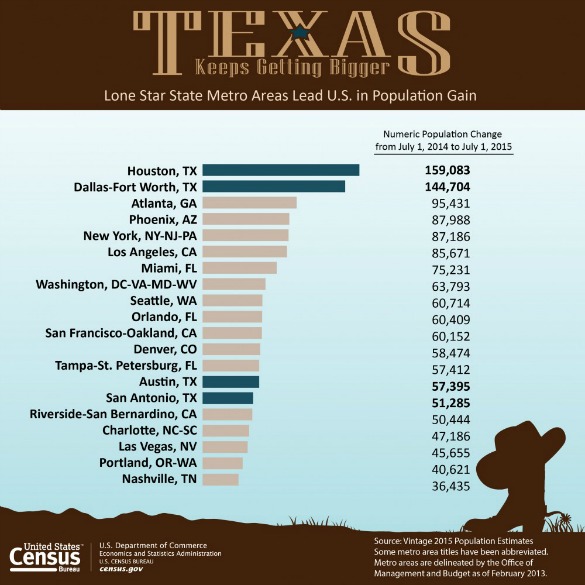
As of recent estimates, the population of the city of Houston itself hovers around the 2.3 million mark. However, this figure represents the incorporated city limits. To truly understand the scale of the Houston metropolitan area, one must consider the surrounding counties that form a cohesive economic and social unit. The Houston–The Woodlands–Sugar Land metropolitan statistical area (MSA) is significantly larger, encompassing several counties, including Harris, Fort Bend, Montgomery, and Waller. This expansive region is home to well over 7 million residents, making it one of the largest and fastest-growing metropolitan areas in the nation. This growth is fueled by a robust economy, a relatively low cost of living compared to other major US cities, and a diverse job market. Projections consistently show continued expansion, indicating that Houston will remain a significant population center for the foreseeable future. This steady influx of new residents contributes to the city’s evolving cultural mosaic and its expanding urban footprint.
Historical Population Growth Trends
Houston‘s population journey is a remarkable story of rapid expansion. Founded in 1836, the city experienced its first significant population boom in the early 20th century, driven by the discovery of oil and the subsequent development of the petroleum industry. By the mid-20th century, Houston had already established itself as a major urban center. The latter half of the 20th century and the beginning of the 21st century have seen sustained, high rates of growth, often outpacing national averages. Factors contributing to this sustained growth include the city’s diverse economic base, which extends beyond oil and gas to include aerospace, healthcare, and technology, and its strategic location on the Gulf Coast. This historical trajectory of expansion is not merely a statistical curiosity; it is the very force that has shaped the infrastructure, the cultural institutions, and the overall character of Houston, transforming it from a regional hub into a global city. The continuous growth underscores the city’s enduring appeal and its capacity to absorb and integrate new populations.
The Demographics of a Diverse Metropolis
Beyond raw numbers, the demographic makeup of Houston is a critical aspect that contributes to its unique character. This section explores the ethnic, age, and socioeconomic composition of its residents, highlighting the diversity that defines the city.
Ethnic and Racial Composition
Houston is renowned for its exceptional diversity, often cited as one of the most ethnically diverse cities in the United States. This rich tapestry is reflected in its population statistics. The city is home to significant Hispanic or Latino, Black or African American, and Asian American populations, alongside a substantial White population. This multicultural environment is not just a matter of statistics; it permeates the city’s neighborhoods, its culinary scene, its festivals, and its everyday interactions. The Houston Independent School District, for instance, serves students from over 150 countries speaking more than 140 languages. This demographic dynamism creates a vibrant and complex urban experience, offering a unique glimpse into a truly globalized American city. The interplay of these various cultures enriches the city’s identity and contributes to its reputation as a welcoming place for people from all backgrounds.
Age Distribution and Household Structures
The age distribution within Houston reflects a blend of younger demographics, drawn by educational and economic opportunities, and established families. While specific age brackets fluctuate with annual data, the city generally exhibits a relatively young median age compared to some older, more established cities. This youthful energy is evident in its universities, its burgeoning tech scene, and its active cultural life. Household structures in Houston are as varied as its population, ranging from single-person households to multi-generational families. The prevalence of affordable housing options in certain areas, combined with a strong job market, makes Houston an attractive place for individuals and families seeking to establish roots. The diversity in household structures further adds to the city’s dynamic social fabric, reflecting the myriad ways people choose to live and build communities within this large urban environment.
Implications of Population Size for Urban Life
The substantial population of Houston has profound implications for various facets of urban life, from infrastructure and services to the cultural and economic landscape. Understanding these impacts provides a more nuanced appreciation of what it means to live in or visit such a large and thriving city.
Infrastructure and Public Services
A population of over 2 million within the city limits, and over 7 million in the greater metropolitan area, places significant demands on Houston‘s infrastructure and public services. This includes transportation networks, utilities, education systems, and emergency services. The city’s extensive freeway system, while crucial for mobility, can experience considerable traffic congestion, a common characteristic of large urban centers. Public transportation initiatives, such as the Metropolitan Transit Authority of Harris County (METRO), play a vital role in connecting communities and mitigating some of the challenges associated with a large car-dependent population. The provision of water, waste management, and energy services must be robust to support such a dense and dispersed population. Similarly, the Houston Independent School District, one of the largest in the nation, faces the ongoing challenge of educating a vast and diverse student body. The sheer scale of the population necessitates continuous investment and strategic planning to ensure these essential services remain effective and accessible to all residents.

Economic Vitality and Cultural Richness
The large and growing population of Houston is a direct driver of its economic vitality and cultural richness. A substantial consumer base supports a vast array of businesses, from multinational corporations to small local enterprises. The diversity of its residents translates into a rich tapestry of cultural expressions, from world-class museums like the Museum of Fine Arts, Houston, and the Houston Museum of Natural Science, to a vibrant performing arts scene, including the Houston Symphony and the Alley Theatre. The culinary landscape is a direct reflection of its multicultural population, offering an incredible range of international cuisines that attract food enthusiasts from around the globe. This dynamic interplay between population size and cultural output makes Houston a city of immense opportunity and constant discovery. The sheer number of people contributes to a lively atmosphere, fostering innovation, entrepreneurship, and a constant influx of new ideas and perspectives that keep the city at the forefront of urban development and cultural exchange. The presence of major sports teams, such as the Houston Texans and the Houston Astros, further adds to the city’s energetic atmosphere and provides common ground for community engagement.
LifeOutOfTheBox is a participant in the Amazon Services LLC Associates Program, an affiliate advertising program designed to provide a means for sites to earn advertising fees by advertising and linking to Amazon.com. Amazon, the Amazon logo, AmazonSupply, and the AmazonSupply logo are trademarks of Amazon.com, Inc. or its affiliates. As an Amazon Associate we earn affiliate commissions from qualifying purchases.