
The question “How Many People Are In New York?” is a deceptively simple one, capable of sparking curiosity about the sheer scale and vibrancy of one of the world’s most iconic metropolises. It’s a question that goes beyond mere census data, hinting at the pulsating energy, the constant flow of movement, and the incredible diversity that defines this global hub. To truly grasp the answer, we need to look at New York from multiple perspectives, considering its resident population, its transient visitors, and the sheer dynamism of its everyday existence.
Unpacking the Numbers: A Look at New York’s Resident Population
When we talk about “how many people are in New York,” the most straightforward interpretation refers to the permanent residents. The State of New York is a populous entity, but it’s the city, New York City, that truly captures the imagination and drives the perception of overwhelming numbers.

The Five Boroughs: A Demographic Snapshot
New York City is comprised of five distinct boroughs, each with its own unique character and significant population. These are:
- Manhattan: Often seen as the heart of New York City, Manhattan is densely populated, a bustling center of commerce, culture, and entertainment. Its iconic skyscrapers house a substantial number of residents who navigate the daily rhythm of urban life.
- Brooklyn: Historically a distinct city before merging with New York City, Brooklyn is now the most populous borough. It’s known for its diverse neighborhoods, vibrant arts scene, and growing residential appeal, attracting a wide range of inhabitants.
- Queens: The largest borough in terms of land area and home to major airports like John F. Kennedy International Airport and LaGuardia Airport, Queens is incredibly diverse, boasting a rich tapestry of cultures and communities.
- The Bronx: The only mainland borough, the Bronx is a significant contributor to New York City‘s population, known for its parks, its role as the birthplace of hip-hop, and its distinct neighborhood identities.
- Staten Island: While the least populated of the five boroughs, Staten Island still adds a considerable number of residents to the New York City total, offering a slightly more suburban feel within the metropolitan expanse.
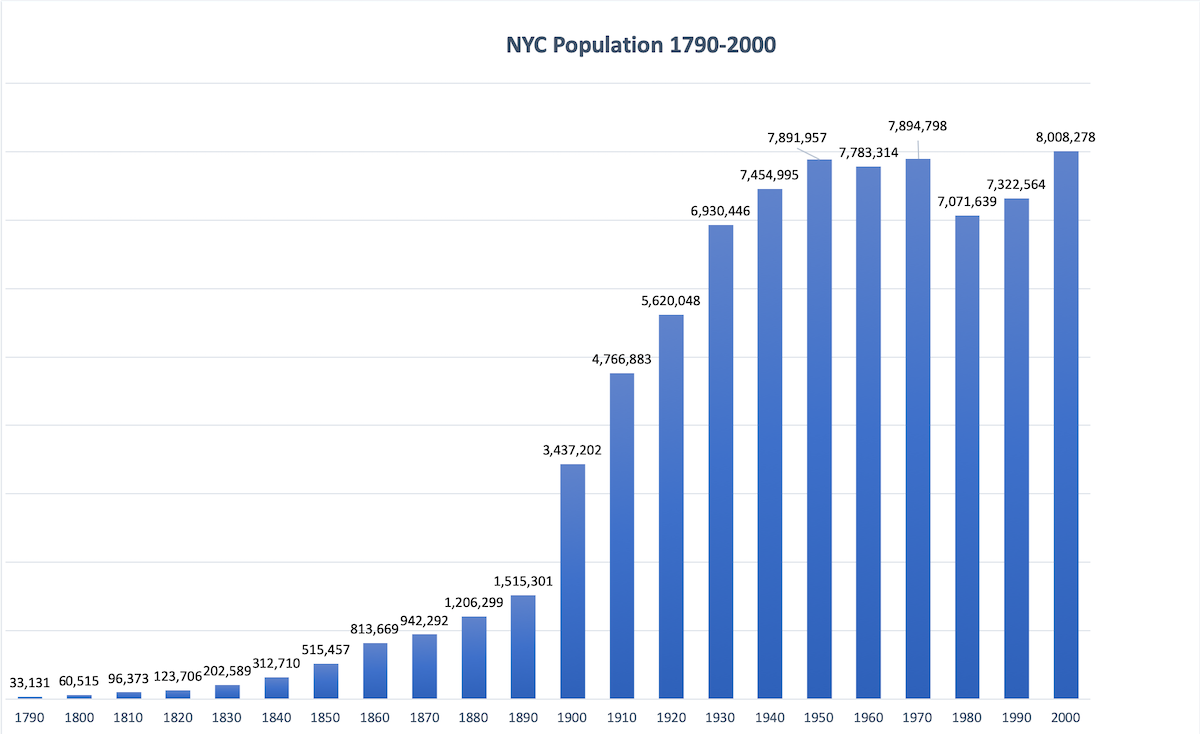
According to recent estimates, the population of New York City hovers around 8.8 million people. This figure represents the individuals who call this dynamic urban landscape home, contributing to its economic, social, and cultural fabric. This number, however, is a snapshot in time, constantly fluctuating due to births, deaths, and migration.
The Broader Context: New York State
It’s also worth noting the population of New York State as a whole. While New York City accounts for a significant majority, the state encompasses a much larger geographical area and includes numerous other cities and towns, such as Buffalo, Rochester, and Syracuse. The total population of New York State is estimated to be around 20 million people. This highlights that the impact of “New York” extends far beyond the immediate confines of its most famous city.
Beyond Residents: The Ever-Present Stream of Visitors
The question “How Many People Are In New York?” cannot be fully answered without acknowledging the colossal number of visitors who flock to the city every year. New York City is a premier global destination, drawing millions of tourists, business travelers, and temporary residents. This influx significantly increases the number of people present within its limits at any given time.
Tourism: A Vital Economic Engine
The tourism industry is a cornerstone of New York City‘s economy, and the sheer volume of visitors is staggering. Pre-pandemic figures often saw New York City welcoming over 60 million visitors annually. While the numbers have been recovering, they consistently remain in the tens of millions. These visitors are drawn by a plethora of attractions, from world-renowned landmarks to its unparalleled culinary scene and diverse cultural offerings.
- Iconic Landmarks: Tourists flock to see landmarks like the Empire State Building, the Statue of Liberty, Times Square, and Central Park. These places are not just points of interest; they are hubs of human activity, often teeming with people from all corners of the globe.
- Cultural Experiences: Museums like the Metropolitan Museum of Art and the Museum of Modern Art, along with Broadway theaters and countless galleries, attract a steady stream of art enthusiasts and culture seekers.
- Culinary Adventures: New York City‘s status as a global food capital means that diners, from Michelin-starred restaurants to street food vendors, are a constant presence, contributing to the vibrant street life.
Business and Conferences
Beyond leisure tourism, New York City is a major center for international business and conventions. The Jacob K. Javits Convention Center and numerous hotels host thousands of events annually, bringing a consistent flow of business professionals to the city. These individuals, while not residents, are very much “in New York” during their stay, contributing to the bustling atmosphere.
Temporary and Transitory Populations
The city also hosts a significant number of students attending its many prestigious universities, individuals undergoing medical treatments at its world-class hospitals, and those visiting family and friends. This constant ebb and flow of people, whether for a few hours, days, weeks, or months, means that the actual number of people present in New York City on any given day is considerably higher than its resident population alone.
The Dynamic Pulse: Daily Movement and Peak Times
To truly understand “How Many People Are In New York?”, one must consider the dynamic nature of the city’s population. It’s not a static figure but a constantly shifting entity.
Rush Hour and Commuting Patterns
During typical weekdays, the population of New York City swells dramatically during morning and evening rush hours. Millions of commuters, residents and non-residents alike, travel into the city for work. This includes individuals who live in the surrounding suburbs of New York, New Jersey, and Connecticut, utilizing the extensive public transportation network, including the Long Island Rail Road, Metro-North Railroad, and PATH trains. The subway system alone carries millions of passengers daily, illustrating the sheer scale of daily movement.
Weekend Vibrancy and Special Events
Weekends often see a surge in population due to leisure activities, shopping, and events. Major sporting events at stadiums like Yankee Stadium or Citi Field, concerts, festivals, and parades can temporarily concentrate hundreds of thousands of people in specific areas. The atmosphere in popular districts like SoHo or Greenwich Village can feel particularly dense on a Saturday afternoon.

Understanding the “In New York” Concept
Ultimately, the answer to “How Many People Are In New York?” depends on the definition of “in.”
- Resident Population: Approximately 8.8 million people in the city itself, and around 20 million in the state.
- Daily Workforce: This number can increase by several million during weekdays due to commuters.
- Annual Visitors: Over 60 million tourists visit each year, meaning that at any given time, a substantial portion of the population is temporary.
When you combine these figures, it’s clear that New York City is a place where millions of lives intersect daily. It is a city that thrives on this constant influx and movement, a testament to its enduring appeal as a global center for culture, commerce, and connection. The numbers are impressive, but they only begin to tell the story of the human energy that makes New York so undeniably alive.