
California, often celebrated as the Golden State, is a land of superlatives: home to towering redwood forests, sun-drenched beaches, dramatic deserts, and vibrant metropolises. It’s a global leader in innovation, culture, and economic output, drawing millions of visitors and residents alike. But beyond its iconic landmarks and diverse landscapes, one fundamental question helps frame the sheer scale and dynamic nature of this state: how many people are living in California?
As of recent estimates, the population of California hovers around 39 million people. This colossal figure makes it the most populous state in the United States, a demographic reality that profoundly shapes everything from its economy and infrastructure to its unique travel experiences and diverse lifestyle offerings. This isn’t just a number; it represents a vibrant tapestry of cultures, aspirations, and daily lives that define the Californian spirit and significantly influence how visitors explore and engage with the state. For travelers, understanding this population density and diversity is key to appreciating the richness of local culture, navigating bustling attractions, and discovering the hidden gems that only a state of this magnitude can offer. Whether you’re planning a luxurious escape, a budget-friendly adventure, a family trip, or a business stay, California’s vast population impacts every facet of your journey.
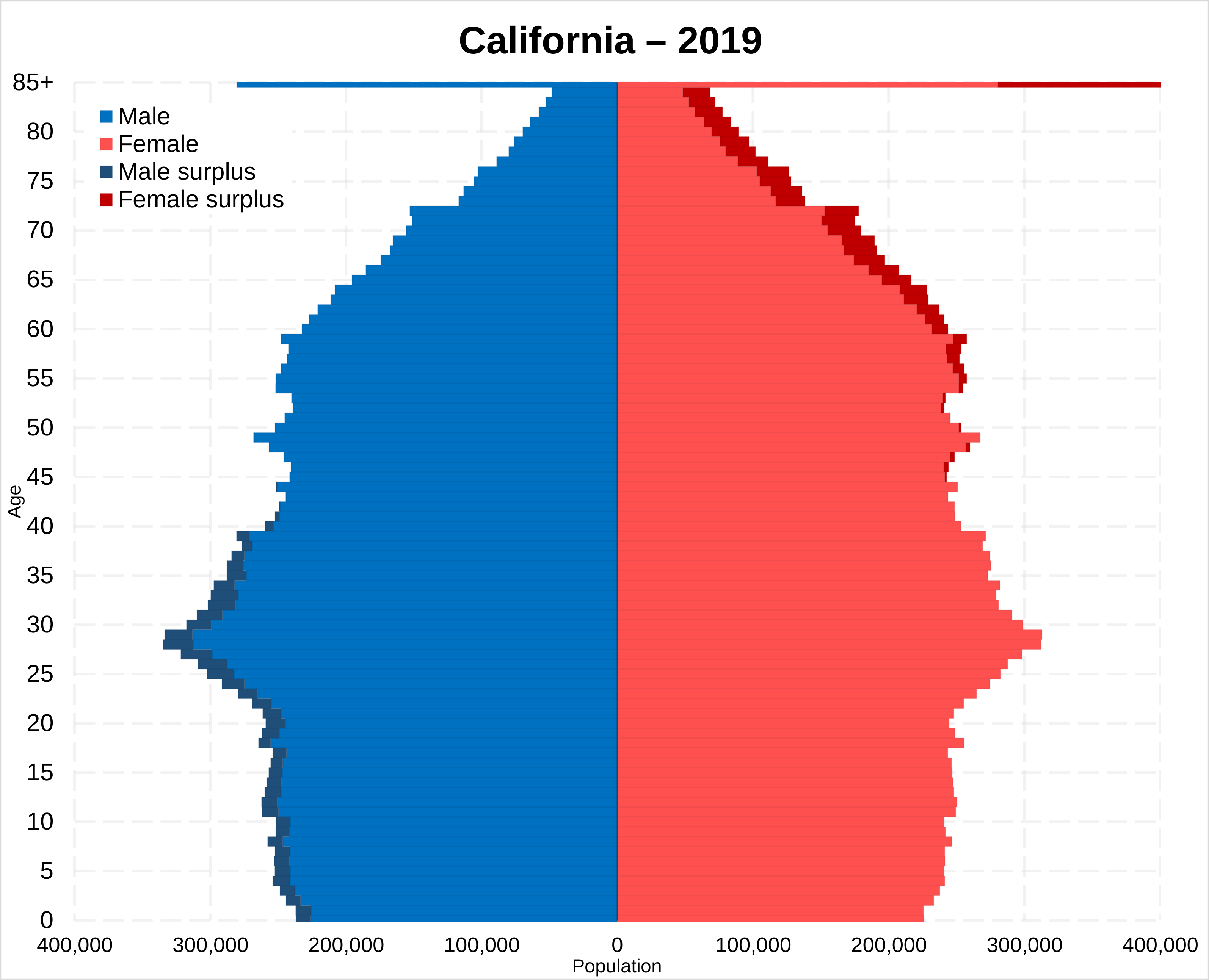
California’s Diverse Population: A Tapestry of Cultures and Experiences
The almost 39 million residents of California are not a monolithic group; rather, they represent an incredible mosaic of ethnicities, languages, and socio-economic backgrounds. This unparalleled diversity is not just a demographic fact; it’s a cornerstone of the Californian identity, permeating its local culture, culinary scene, arts, and daily life, creating a truly unique environment for both residents and visitors.
Understanding the Demographic Landscape
California’s population is a microcosm of the world. No single ethnic group constitutes a majority, contributing to a truly multicultural environment. Los Angeles, San Francisco, and San Diego, among other major cities, are melting pots where various communities thrive side-by-side. This demographic mix is a result of historical migrations, its position as a gateway to the Pacific Rim, and its reputation as a land of opportunity, drawing people from every corner of the globe.
The state’s population centers are primarily concentrated along the coast and in major inland valleys like the San Joaquin Valley. Urban areas are home to a majority of residents, leading to high population densities in places like Los Angeles County and the San Francisco Bay Area. This concentration directly influences travel, as these areas are also prime destinations for tourism, offering an abundance of attractions, dining, and accommodation options. From the tech hubs of Silicon Valley to the agricultural heartlands, each region contributes to the state’s vibrant character, shaped by the people who call it home.
The Impact on Local Culture and Cuisine
One of the most immediate and delightful impacts of California’s diverse population is evident in its local culture and, perhaps most notably, its food scene. Culinary exploration in California is an adventure in itself, reflecting a global palate influenced by Mexican, Asian, European, and Latin American traditions, alongside a strong emphasis on farm-to-table freshness. Visitors can embark on a gastronomic journey without ever leaving the state, sampling authentic regional dishes from across the world in a single city. From the bustling taco trucks of Southern California to the Michelin-starred restaurants of San Francisco and the vibrant ethnic eateries of Little Saigon in Orange County, the options are endless.
Beyond food, the diverse population fuels a rich calendar of festivals, arts, and cultural events. Music festivals, film premieres, art exhibitions, and community celebrations dedicated to various cultural heritages happen year-round. This cultural vibrancy offers travelers unique experiences, from exploring historic neighborhoods like Chinatown in San Francisco to witnessing traditional dance performances or participating in colorful parades. This deep cultural tapestry allows travelers to not just visit a destination, but to immerse themselves in a living, breathing experience, making every trip a journey of discovery into the heart of human diversity. The state’s commitment to arts and culture, often supported by its dynamic populace, ensures there’s always something new and exciting to explore, whether you’re interested in avant-garde performances or historical reenactments.
Population Density and Its Influence on Travel
With nearly 39 million residents spread across a vast and varied landscape, California presents a unique paradox for travelers: bustling urban centers brimming with energy and opportunity, contrasted with expansive natural wilderness areas offering serene escapes. This significant population density profoundly shapes the travel experience, dictating everything from transportation logistics to the availability of accommodation and the overall atmosphere of popular destinations.
Navigating California’s Bustling Metropolises
California’s major cities are significant population hubs, and for good reason: they are centers of commerce, culture, and innovation, and home to some of the state’s most iconic attractions. Los Angeles, with its sprawling urban landscape, is a prime example. Home to Hollywood, world-class museums, and miles of beaches, it’s a magnet for tourists. However, its high population density means navigating traffic can be a significant part of the travel experience, especially during peak hours. Travelers often plan their itinerary around traffic patterns or opt for public transport and ride-sharing services to explore areas like Downtown LA, Santa Monica, or Beverly Hills. Accommodation in these cities, ranging from luxury suites to budget-friendly hotels and long-term stay apartments, is abundant but often in high demand, necessitating advance booking, particularly during peak travel seasons.
Similarly, San Francisco, with its iconic Golden Gate Bridge, historic cable cars, and vibrant neighborhoods like Fisherman’s Wharf, sees millions of visitors annually. Its compact size relative to its population makes it feel incredibly vibrant and walkable, but also means attractions can be crowded, and accommodation prices can be higher due to demand. San Diego, known for its beautiful beaches and family-friendly attractions like the San Diego Zoo, experiences similar patterns. For travelers, understanding these dynamics means embracing the energy of crowded places, planning ahead for popular activities, and utilizing diverse transport options to make the most of their urban explorations. This is where detailed travel guides and tips become invaluable for navigating the unique challenges and rewards of city tourism.
The Allure of Less-Populated Regions
Despite the state’s massive population, California also offers vast expanses of less-populated regions that provide a stark contrast to its urban centers. These areas are often where the state’s most breathtaking natural landmarks are found, offering serene escapes for those seeking tranquility, outdoor adventure, or a different kind of California experience. Iconic national parks like Yosemite National Park, Sequoia National Park, and Death Valley National Park attract millions of visitors, yet their sheer size allows for moments of solitude and immersion in nature.

The majestic coastline along the Pacific Coast Highway, including the dramatic cliffs of Big Sur, offers scenic drives and secluded spots despite its popularity. Inland, regions like Napa Valley and Sonoma County provide a more relaxed pace for wine enthusiasts, while the deserts around Palm Springs and Joshua Tree National Park draw visitors with their unique landscapes and vibrant art scenes. Even these less-populated regions experience peak seasons, influenced by holidays and school breaks from the state’s major population centers, making early booking of resorts, villas, or camping sites crucial. The contrast between California’s bustling cities and its serene natural landscapes offers a comprehensive travel experience, allowing visitors to tailor their trip to their preferred pace and interests, whether that involves high-energy city life or quiet communion with nature.
Accommodation and Infrastructure: Catering to Millions
The presence of nearly 39 million residents, coupled with the millions of annual tourists, necessitates a robust and diverse accommodation and infrastructure network across California. From sprawling urban centers to secluded natural retreats, the state has developed an extensive system to support its vast population and cater to a myriad of visitor needs and preferences, embodying the full spectrum of the website’s themes around hotels, accommodation, and tourism.
A Spectrum of Lodging Options
To cater to such a massive and diverse population of both permanent residents and transient visitors, California offers an unparalleled array of accommodation options. Travelers can choose from ultra-luxury hotels and resorts in destinations like Beverly Hills and Laguna Beach, complete with every amenity imaginable, including spas, gourmet dining, and concierge services. For those seeking more independence or longer stays, serviced apartments and private villas in popular areas like Malibu or near major attractions offer a home-away-from-home experience. Budget travelers are not left out, with numerous motels, hostels, and more affordable hotel chains available throughout the state, particularly in urban fringes and along major highways.
The rise of the sharing economy has also added significantly to California’s accommodation landscape, offering unique stays in residential areas that allow visitors to experience local culture more intimately. Booking platforms are essential tools for comparison, reviews, and securing the perfect spot, whether it’s a quaint bed and breakfast in Napa Valley or a modern suite overlooking the San Francisco Bay. Resorts around Lake Tahoe and coastal towns like Monterey and Carmel-by-the-Sea cater to specific leisure interests, offering specialized amenities for outdoor activities or romantic getaways. This vast choice ensures that every traveler, regardless of their budget or preferred style, can find suitable lodging, a direct reflection of the state’s capacity to host its immense population.
Tourism’s Role in Economic Growth and Infrastructure Development
Tourism is a colossal industry in California, directly employing millions and generating billions in revenue annually. This economic engine is crucial for the continuous development and maintenance of the state’s infrastructure, which serves both its residents and its visitors. Airports like Los Angeles International Airport (LAX), San Francisco International Airport (SFO), and San Diego International Airport (SAN) are constantly being upgraded to handle the enormous flow of people. Roads, highways, and public transportation systems are also under continuous development to facilitate movement across the densely populated areas and to connect them with remote attractions.
The constant demand from residents and tourists drives innovation in services and amenities. From local eateries expanding to cater to diverse palates to new attractions being developed, the impact is pervasive. Investment in tourism also helps preserve California’s natural landmarks and cultural sites, as the revenue generated can be reinvested into conservation efforts and historical preservation. This symbiotic relationship ensures that California can continue to offer world-class experiences, balancing the needs of its large population with the desires of its global visitors. The focus on sustainable tourism practices is also growing, aiming to mitigate the environmental impact of such high population and visitor numbers, ensuring that the Golden State remains a beautiful and accessible destination for generations to come.
Lifestyle and Travel Trends in the Golden State
The sheer number of people living in California profoundly influences its unique lifestyle and, consequently, the prevailing travel trends within and to the state. This vast populace drives demand for diverse experiences, from thrilling adventures to serene retreats, shaping California into a dynamic hub for all types of travelers. The Californian lifestyle, characterized by an emphasis on health, innovation, and an appreciation for the outdoors, is not just for residents but is actively sought after by visitors.
Popular Destinations Shaped by Population and Preferences
With nearly 39 million residents, California’s population directly contributes to the popularity and vibrancy of its major tourist destinations. Theme parks like Disneyland Resort in Anaheim and Universal Studios Hollywood in Los Angeles are consistently among the most visited attractions globally, drawing in both local families and international tourists. The allure of Hollywood, with its iconic Hollywood Walk of Fame and movie studio tours, remains strong, embodying the dream-chasing lifestyle often associated with California.
Beyond entertainment, the state’s natural beauty beckons. The beaches of Santa Monica and Huntington Beach are frequented by millions seeking sun, surf, and relaxation. The iconic Golden Gate Bridge and the historic island of Alcatraz Island in San Francisco remain top draws, showcasing the state’s blend of natural splendor and human ingenuity. The demand for diverse experiences, fueled by the preferences of its large population, has also led to the growth of niche tourism, such as wine tasting in Napa Valley, outdoor adventures in Lake Tahoe, or wellness retreats in Palm Springs. Whether it’s luxury travel, budget exploration, or family-focused trips, California offers an experience tailored to every lifestyle, constantly evolving to meet the demands of its dynamic populace.

Sustainable Tourism and Future Outlook
The sheer scale of California’s population and its popularity as a tourist destination also bring significant challenges, particularly concerning environmental sustainability and resource management. As more people live in and visit the state, the pressure on its natural resources, transportation networks, and waste management systems increases. This has led to a growing emphasis on sustainable tourism practices across the state. Many hotels and resorts are adopting eco-friendly operations, national parks are implementing stricter visitor management, and local communities are promoting responsible travel behaviors.
The future outlook for travel and lifestyle in California is intrinsically linked to how these challenges are addressed. Efforts are underway to develop more sustainable transportation options, promote conservation, and encourage visitors to explore lesser-known areas to help disperse crowds and reduce impact on popular sites. The innovative spirit inherent in California’s population is also driving solutions, from renewable energy initiatives to advanced waste recycling programs. For travelers, this means a growing number of opportunities to engage in responsible tourism, supporting local economies and minimizing their environmental footprint while experiencing the wonders of the Golden State. As California continues to grow and evolve, its ability to integrate its vast population with a thriving, sustainable tourism industry will define its future, ensuring that its unparalleled beauty and vibrant culture remain accessible for generations to come.
In conclusion, the question of “How Many People Are Living In California?” is far more than a simple numerical inquiry. At approximately 39 million, this figure serves as a profound indicator of the state’s immense cultural diversity, its dynamic economic landscape, and the sheer scale of its travel and tourism industry. This massive population shapes every facet of the Californian experience, from the vibrant culinary scenes and diverse cultural festivals to the comprehensive accommodation options and the exhilarating array of attractions. For anyone planning a visit, understanding the implications of California’s impressive population is key to unlocking the full potential of this endlessly fascinating and Golden State.
LifeOutOfTheBox is a participant in the Amazon Services LLC Associates Program, an affiliate advertising program designed to provide a means for sites to earn advertising fees by advertising and linking to Amazon.com. Amazon, the Amazon logo, AmazonSupply, and the AmazonSupply logo are trademarks of Amazon.com, Inc. or its affiliates. As an Amazon Associate we earn affiliate commissions from qualifying purchases.