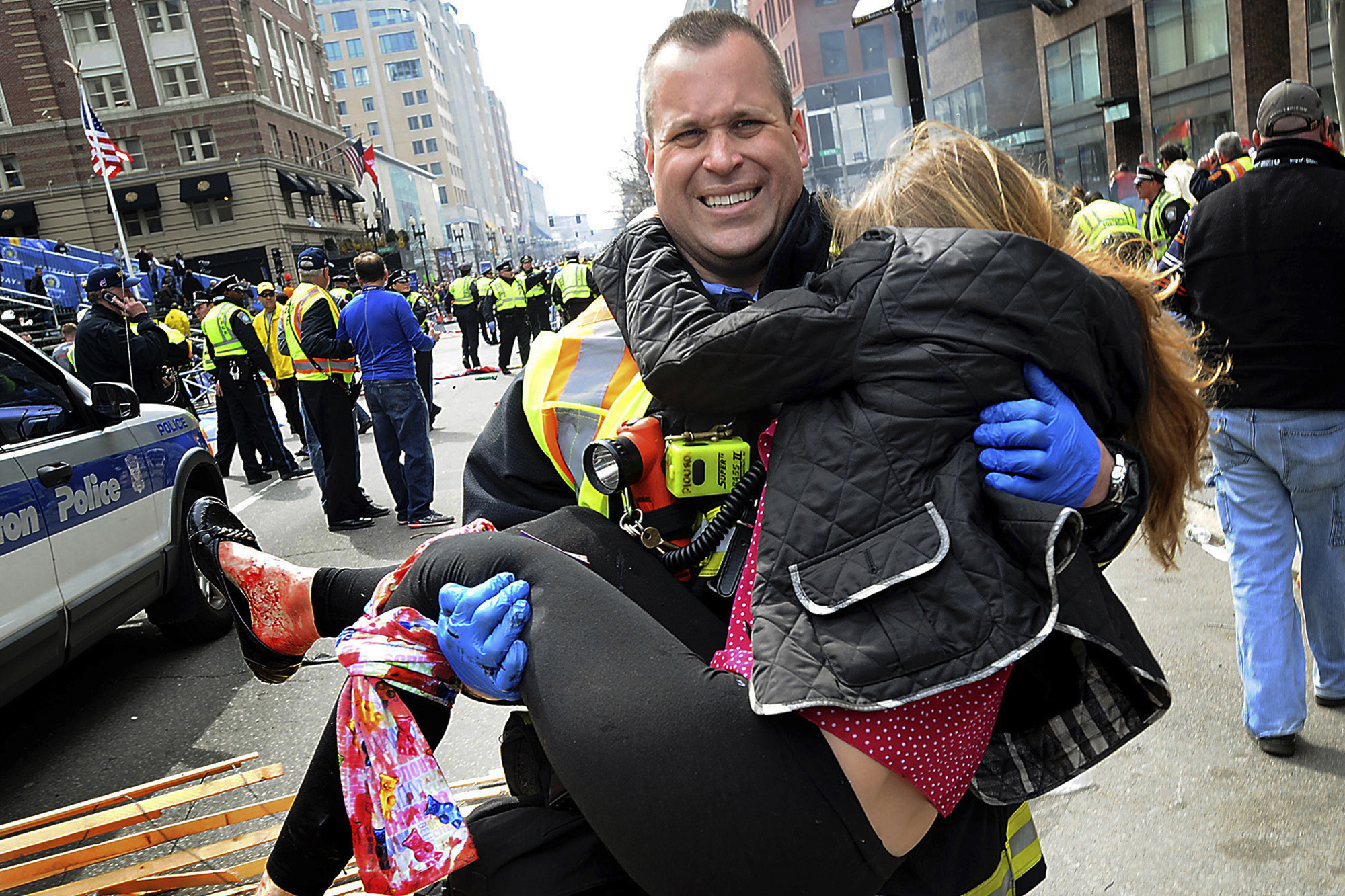
The question “How many people died at the Boston Marathon?” carries with it a profound weight, immediately calling to mind the tragic events of April 15, 2013. While the immediate answer focuses on a specific number, it’s crucial to understand that the impact of that day extends far beyond mere statistics, touching countless lives and forever altering the fabric of a city known for its resilience and spirit. On that day, three spectators lost their lives directly as a result of the bombings near the finish line, and an MIT police officer was killed days later by the perpetrators. Hundreds more suffered injuries, many of them life-altering. This article delves into the details of that fateful day, explores the enduring legacy of the marathon, and highlights how visitors can experience the city of Boston today, honoring its past while embracing its vibrant future.
The Tragic Day: Remembering April 15, 2013
The 2013 Boston Marathon began as it always had: a celebration of athleticism, endurance, and community spirit. Thousands of runners, cheered on by an estimated half-million spectators, converged on Boston from around the globe. The atmosphere was electric, filled with the joyous sounds of cheers, music, and the rhythmic pounding of feet on pavement. However, this joyous occasion took a devastating turn when two homemade pressure-cooker bombs detonated just seconds apart near the finish line on Boylston Street, plunging the festive scene into chaos and horror.
The Immediate Impact and Lives Lost
The explosions were instant, indiscriminate, and horrific. The immediate aftermath was a scene of pandemonium: smoke, debris, and the screams of the injured. First responders, medical personnel, and even ordinary citizens rushed into the fray, demonstrating extraordinary courage and compassion in the face of unspeakable terror.
Three innocent lives were tragically cut short that day:
- Krystle Campbell: A 29-year-old restaurant manager from Medford, Massachusetts, who was at the finish line cheering on a friend.
- Lu Lingzi: A 23-year-old graduate student from Shenyang, China, studying at Boston University, who was watching the race with friends.
- Martin Richard: An 8-year-old boy from Dorchester, Massachusetts, who was at the finish line with his family. His famous message, “No more hurting people. Peace,” became a symbol of the city’s healing process.
In the days that followed, the search for the perpetrators led to a massive manhunt that gripped the nation. During this pursuit, another life was lost:
- Sean Collier: A 27-year-old police officer for the Massachusetts Institute of Technology (MIT), who was ambushed and killed by the bombers in Cambridge.
Beyond these four tragic fatalities, approximately 264 people were injured, many sustaining catastrophic wounds, including loss of limbs, severe burns, and shrapnel injuries. The ripple effect of these injuries – the long-term physical, emotional, and psychological trauma – continues to impact survivors and their families to this day. The bombings cast a long shadow, not just over Boston, but across the globe, prompting a global outpouring of grief and solidarity.
The Spirit of “Boston Strong”
In the immediate aftermath of the attacks, a remarkable spirit of unity and defiance emerged. The phrase “Boston Strong” quickly became a rallying cry, symbolizing the city’s unwavering resolve to recover, rebuild, and not be defined by the actions of terrorists. This spirit was evident in every facet of the response: from the heroic actions of first responders and healthcare workers who tirelessly treated the wounded, to the countless volunteers who offered assistance, comfort, and support.
Local businesses, charities, and individuals mobilized rapidly, establishing funds to aid victims and their families. The medical community in Boston, renowned worldwide, played a critical role in treating complex injuries and pioneering rehabilitation efforts. The sense of community transcended typical boundaries, as neighbors helped neighbors, strangers comforted strangers, and the entire metropolitan area came together with a singular purpose: to heal and demonstrate resilience. The unity showcased by the people of Boston in the face of such adversity served as an inspiration to cities around the world, proving that even in the darkest of times, the human spirit can shine brightest.
The Enduring Legacy of the Boston Marathon
While forever marked by the tragedy of 2013, the Boston Marathon’s legacy is far older and richer, rooted in tradition, athletic excellence, and deep community ties. The marathon has, in fact, become an even stronger symbol of perseverance and triumph since the bombings.
A Race Steeped in History and Tradition
Founded in 1897, the Boston Marathon is the world’s oldest annual marathon, making it a cornerstone of both athletic history and Boston culture. Its challenging course, stringent qualifying standards, and celebrated Patriots’ Day timing (the third Monday in April) elevate it to a premier global running event. Runners from over 100 countries vie for the opportunity to toe the starting line in Hopkinton.
The 26.2-mile route is iconic, winding through eight Massachusetts towns and cities before culminating in the heart of Boston’s Copley Square. Along the way, runners navigate legendary sections like the “Scream Tunnel” at Wellesley College, where enthusiastic students offer cheers and kisses, providing a much-needed surge of energy. Further along, the infamous Heartbreak Hill in Newton tests the mettle of even the most seasoned marathoners, offering a formidable challenge in the race’s later stages. Successfully conquering these landmarks is a rite of passage for runners and a highlight for spectators. The marathon’s enduring popularity is a testament not only to its athletic prestige but also to the powerful sense of shared experience it fosters among participants and the wider community.

Beyond the Finish Line: Culture and Community
The Boston Marathon is more than just a race; it’s a profound cultural phenomenon embedded in the identity of Massachusetts. For many residents, Patriots’ Day is synonymous with the marathon, transforming the entire city into a vibrant festival. Thousands line the streets, not just to watch elite athletes, but to cheer on friends, family members, and strangers, offering water, orange slices, and words of encouragement. The sheer volume of volunteers, working tirelessly to ensure the smooth operation and safety of the event, underscores the deep community involvement.
Local businesses, from restaurants to hotels, experience a significant boost, reflecting the economic impact of the event as visitors flock to the city. The marathon also serves as a powerful fundraising platform, with thousands of runners dedicating their efforts to various charities, raising millions of dollars for causes ranging from medical research to educational programs. In the aftermath of 2013, the charity aspect took on even greater significance, with many running specifically to honor victims and support organizations dedicated to healing and community resilience. The marathon embodies the spirit of public engagement, fostering a profound sense of collective pride and shared endeavor that resonates throughout the year.
Visiting Boston: Honoring the Past, Embracing the Future
For travelers planning a visit to Boston, the city offers a unique blend of historical depth, cultural richness, and modern vibrancy. While the memory of the 2013 marathon bombings remains a part of its story, Boston welcomes visitors to explore its many facets, including sites that respectfully acknowledge the tragedy while celebrating the city’s indomitable spirit.
Landmarks and Memorials: A Journey of Remembrance
Visitors interested in understanding the legacy of the Boston Marathon tragedy can visit a poignant memorial located near the finish line on Boylston Street. The Boston Marathon Memorial, unveiled in 2019, consists of two limestone pillars adorned with bronze olive branches, symbolizing peace and remembrance. These are situated close to the sites of the two bomb detonations, offering a quiet place for reflection and remembrance. Small plaques embedded in the sidewalk mark the exact locations of the explosions.
Nearby, the Boston Public Library in Copley Square, an architectural masterpiece, served as a triage center during the immediate chaos and now stands as a symbol of strength. The historic Fairmont Copley Plaza hotel and the site where the Forum Restaurant once stood (one of the explosion sites) are also part of the immediate vicinity, illustrating how the mundane quickly became historic. When exploring Copley Square and Boylston Street, visitors can pay their respects while appreciating the vibrant urban landscape that continues to thrive around these hallowed spots. It’s a journey that combines historical learning with an appreciation for human resilience.
Experiencing Boston’s Vibrant Tourism Scene
Beyond the solemn reflection, Boston is a bustling travel destination brimming with attractions that cater to every interest. History buffs will revel in walking the Freedom Trail, a 2.5-mile-long path through downtown Boston that connects 16 historically significant sites, including the Paul Revere House, the Old North Church, and Faneuil Hall Marketplace. This iconic marketplace is not only a historical landmark but also a lively hub for shopping, dining, and street performances.
Art enthusiasts will find themselves captivated by the extensive collections at the Museum of Fine Arts and the contemporary exhibits at the Institute of Contemporary Art. For those seeking relaxation, the tranquil expanses of Boston Common and the adjacent Public Garden offer beautiful green spaces perfect for a leisurely stroll or a swan boat ride.
When it comes to accommodation, Boston boasts an impressive array of options to suit every preference and budget. Luxury travelers can indulge in the opulent amenities of the Ritz-Carlton Boston overlooking the Public Garden, or experience refined elegance at the Four Seasons Hotel Boston. For those seeking a boutique experience, charming hotels can be found nestled among the historic brownstones of Beacon Hill or the sophisticated streets of Back Bay. Visitors looking for more budget-friendly stays can explore options further from the city center or consider apartment rentals for a longer stay. Booking well in advance, especially during peak season or around events like the marathon, is always advisable to secure the best rates and availability.

Boston’s tourism scene is also defined by its incredible local culture and diverse food scene. From freshly caught seafood and traditional New England clam chowder to the authentic Italian flavors of the historic North End, culinary adventures await. The city is also a global hub for education and innovation, home to world-renowned institutions like Harvard University and the Massachusetts Institute of Technology (MIT), whose campuses are easily accessible and offer fascinating insights into academic excellence. Whether embarking on family trips to explore museums, planning business stays with convenient access to the city’s financial district, or indulging in luxury travel experiences, Boston promises a truly memorable and enriching visit. Its blend of revolutionary history, academic prowess, and vibrant contemporary life ensures that every visitor leaves with a deeper appreciation for this dynamic New England gem.
The question of “How many people died at the Boston Marathon?” will always carry a somber answer, reminding us of the immense human cost of that terrible day in 2013. Three lives were tragically cut short at the finish line, and another brave officer lost his life in the aftermath, along with hundreds injured. However, the lasting narrative of the Boston Marathon is not one of tragedy, but of extraordinary resilience, unity, and an unwavering commitment to peace. The race continues to thrive, a powerful symbol of strength and hope that transcends its athletic origins. For visitors, Boston stands as a testament to this spirit, offering a rich tapestry of history, culture, and vibrant urban life. It invites travelers to not only reflect on its moments of challenge but also to celebrate its enduring triumphs and experience the unique charm of a city that truly is, in every sense, strong.