
The date of April 15, 2013, is etched into the collective memory of Boston, the state of Massachusetts, and indeed the entire United States. What began as a joyous celebration of athleticism, perseverance, and community spirit at the annual Boston Marathon tragically transformed into a scene of terror and devastation. The Boston Marathon Bombing was a horrific act that claimed innocent lives, injured hundreds, and irrevocably altered the city’s sense of security. Yet, amidst the unimaginable pain, the event also showcased an extraordinary outpouring of courage, compassion, and resilience that came to define the “Boston Strong” spirit.
For those planning to visit Boston, understanding this pivotal moment in its modern history offers a deeper appreciation for the city’s character. While Boston is rightly celebrated for its rich historical landmarks, vibrant culture, and world-class attractions, the legacy of the bombing is a testament to the strength of its community. This article seeks to answer the somber question of how many lives were lost, acknowledging not only the immediate victims but also the broader human cost and the enduring impact on the city, ensuring that their memory is honored while recognizing Boston’s enduring appeal as a resilient and welcoming destination.
The Immediate Tragedy: Lives Lost at the Finish Line
On that fateful Marathon Monday afternoon, two homemade pressure-cooker bombs detonated near the finish line of the Boston Marathon on Boylston Street. The area, typically packed with cheering spectators, exhausted runners, and supportive families, instantly became a chaotic scene of smoke, screams, and severe injuries. In the immediate aftermath, three innocent civilians lost their lives due to the blast. Their stories, though tragically cut short, resonate as a reminder of the human toll of this senseless act.
Krystle Campbell was a 29-year-old restaurant manager from Medford, Massachusetts, who had gone to watch the marathon with her friend. Described by her family and friends as a vibrant, generous, and loving person, Krystle was known for her infectious laugh and warm spirit. She was there to cheer on a friend running the race, embodying the celebratory atmosphere that defines the Boston Marathon for so many. Her untimely death left a profound void in the lives of those who knew her and in the wider community.
Lu Lingzi was a 23-year-old graduate student from China, attending Boston University. She had come to the United States to pursue her dreams, studying mathematics and statistics. Friends and professors remembered Lingzi as a bright, ambitious, and delightful young woman, full of promise and eager to experience life in America. Like Krystle, she was a spectator, enjoying the festive atmosphere of one of Boston’s most iconic annual events. Her death was a stark reminder of the global reach of such tragedies and the universal impact on aspiring individuals.
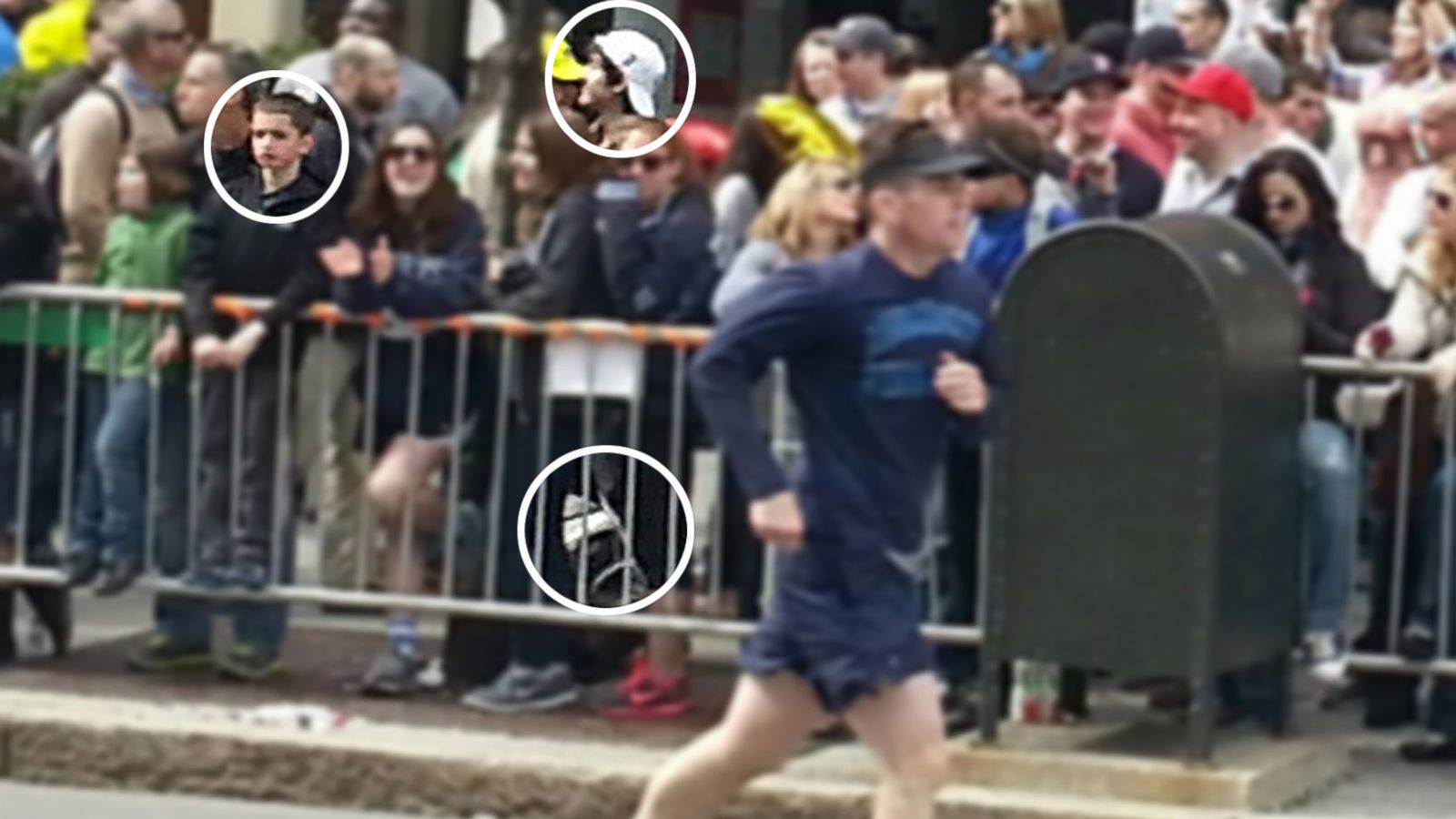
Martin Richard was an 8-year-old boy from Dorchester, Massachusetts. He had been watching the race with his family, just a few feet from the second explosion. Martin was a typical energetic and playful child, known for his bright smile and love for sports. In the wake of his death, a photograph of him holding a handmade sign that read “No More Hurting People. Peace” became an enduring symbol of the tragedy and a powerful call for peace. The loss of such a young life particularly resonated with people worldwide, highlighting the innocence shattered by the act of violence. His parents and sister were also severely injured in the blast, underscoring the ripple effect of the bombings.
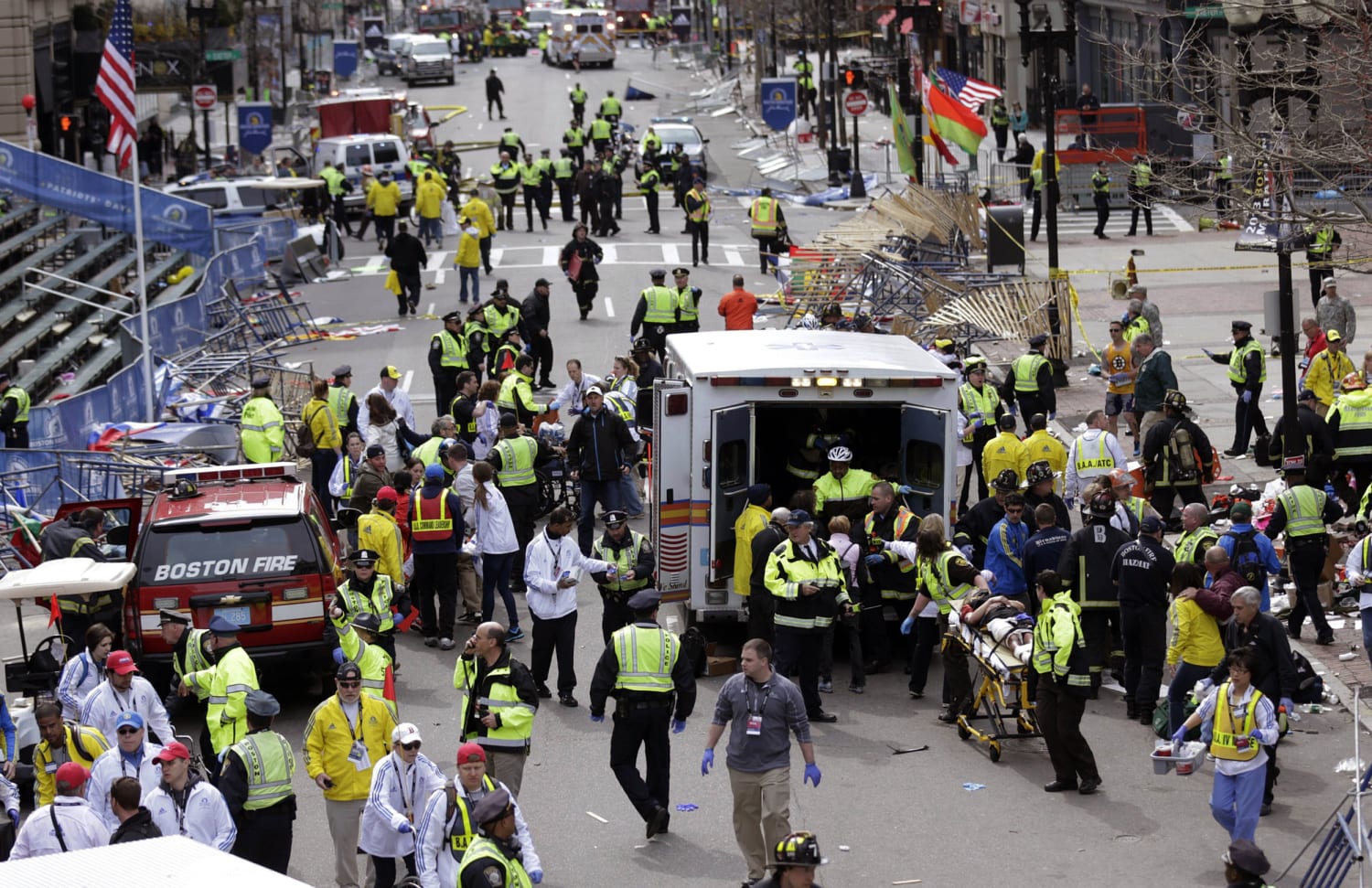
These three individuals represent the direct, immediate fatalities on April 15, 2013, their lives tragically cut short by the senseless act of terrorism. Beyond those who died, more than 260 people were injured, many suffering life-altering trauma, including severe burns, shrapnel wounds, and amputations. The scale of the injuries placed an immense burden on Boston’s world-class medical facilities, but the heroic efforts of first responders, medical professionals, and ordinary citizens saved countless lives. The scene at the finish line, usually a place of joyous celebration, became a profound symbol of suffering, but also of immediate human courage and solidarity.
The Aftermath and Lasting Impact: A City United
The immediate chaos on Boylston Street was only the beginning of a gripping, days-long saga that captivated the nation. The search for justice, the city’s unwavering resolve, and the ultimate triumph of community spirit became defining features of the aftermath.
The Heroic Response and the Manhunt
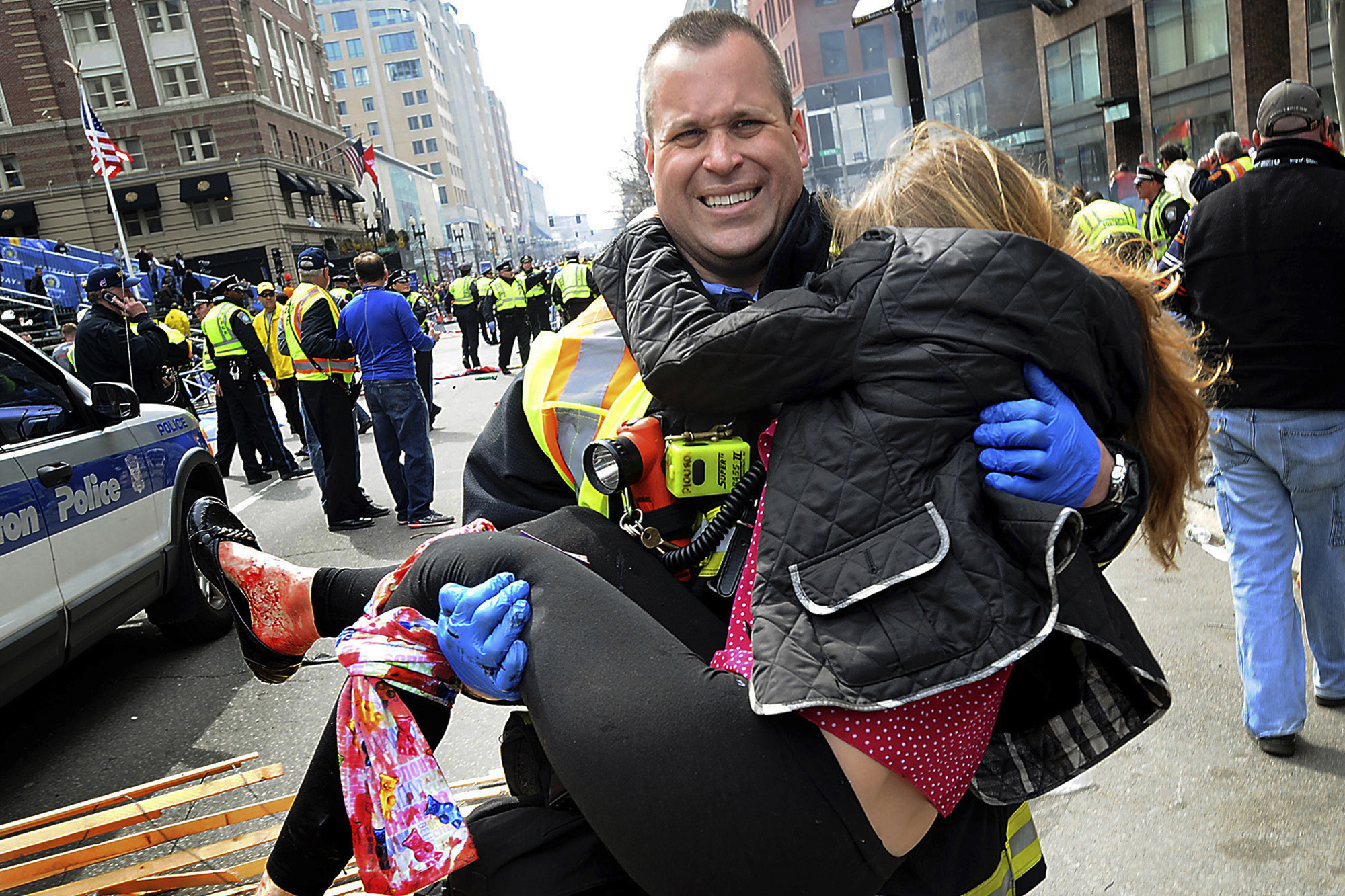
In the moments following the explosions, ordinary citizens, runners, and emergency personnel rushed towards danger, providing aid to the wounded. Paramedics, firefighters, and police officers from the Boston Police Department and Massachusetts State Police were on the scene almost immediately, establishing triage centers and transporting the injured to hospitals across the Longwood Medical Area and beyond. The seamless coordination of these efforts, often referred to as “the Boston model” for disaster response, was instrumental in minimizing further casualties.
Within hours, an extensive investigation was launched by the Federal Bureau of Investigation (FBI) and local authorities to identify the perpetrators. Surveillance footage from businesses along Boylston Street and around Copley Square quickly provided clues, leading to the identification of brothers Tamerlan Tsarnaev and Dzhokhar Tsarnaev as the primary suspects.
The manhunt intensified dramatically in the early hours of April 19, when the brothers fatally shot Massachusetts Institute of Technology (MIT) Police Officer Sean Collier in Cambridge as they attempted to steal his firearm. Officer Collier, 27, was ambushed in his patrol car near the MIT campus. His death, a direct consequence of the terrorists’ actions during their flight from justice, brought the total number of immediate fatalities linked to the bombing and its aftermath to four. This tragic loss underscored the bravery and sacrifice of law enforcement officers who protect communities daily.
The pursuit continued into the suburb of Watertown, where a violent confrontation ensued. Tamerlan Tsarnaev was killed in the shootout, while Dzhokhar Tsarnaev managed to escape, prompting an unprecedented lockdown of the entire city of Boston and surrounding communities. Public transportation was halted, businesses closed, and residents were instructed to shelter in place. This eerie silence over a bustling metropolitan area spoke volumes about the gravity of the threat. Later that evening, Dzhokhar Tsarnaev was discovered hiding in a boat in a Watertown backyard, severely wounded, bringing the intense four-day manhunt to a close. His capture brought a collective sigh of relief and a powerful sense of resolution to a terrified city.
A Legacy of Resilience: “Boston Strong”
In the wake of the attacks, the rallying cry “Boston Strong” emerged, symbolizing the unwavering spirit and collective resilience of the city. It encapsulated the determination of Bostonians not to be defined by terror, but by their unity and courage. This mantra was more than just a slogan; it became a lived experience. Donations poured in from around the world to support the victims and their families through funds like “The One Fund Boston.” Communities organized events, runs, and fundraisers to help those affected by the bombings.
The following year, the 2014 Boston Marathon became a poignant testament to this resilience. With heightened security and an even larger turnout of runners and spectators, it was a powerful statement of defiance and hope. The cheers were louder, the emotions more intense, and the collective desire to reclaim the joyous spirit of the marathon was palpable. The return of the race symbolized Boston’s refusal to let fear triumph over its traditions and its community. For many, participating in or watching the marathon became an act of remembrance and solidarity, transforming the race into a global symbol of overcoming adversity.
The “Boston Strong” ethos continues to permeate the city’s identity, influencing how visitors experience its vibrant culture and history. It’s not merely about remembrance but about an enduring civic pride that faced its darkest hour and emerged with renewed strength. This spirit is visible in the everyday interactions of its people and the way the city continues to thrive as a hub for innovation, education, and tourism.
Remembering and Honoring: Memorials and Reflection for Visitors
For travelers interested in understanding the full scope of Boston’s history, acknowledging the Boston Marathon Bombing is an important, albeit somber, part of that journey. The city has taken steps to create spaces for remembrance, allowing visitors and residents alike to pay their respects and reflect on the lives lost and the lessons learned.
Sites of Remembrance in Boston
The most significant official tribute is the Boston Marathon Memorial, situated on Boylston Street, near the site of the first explosion and the historic Boston Public Library in Copley Square. This thoughtfully designed memorial features two elegant, bronze and glass spires, symbolizing resilience and hope, with the names of the four victims etched into stone. It also includes individual granite markers for each victim, surrounded by plantings that change with the seasons, encouraging quiet contemplation. The memorial serves as a permanent reminder of the tragedy, offering a dignified space for reflection in the heart of the city where the events unfolded.
Visitors can approach this site with respect, perhaps leaving a small token of remembrance or simply taking a moment of silence. Its location amidst the bustling city life on Boylston Street, a popular area for shopping and dining, means it is easily accessible and serves as a constant, quiet reminder. Nearby, the Rose Kennedy Greenway, though not directly related, offers another space for quiet reflection and appreciation of urban green spaces.
Experiencing Boston Beyond the Tragedy: A Vibrant City Endures
While the memory of the bombing is a profound part of Boston’s recent history, the city itself remains an incredibly dynamic and welcoming destination. Travelers can seamlessly integrate a moment of remembrance with exploring the countless other attractions that make Boston a top-tier travel spot.
From walking the historic Freedom Trail, which winds through iconic Revolutionary War sites like Faneuil Hall Marketplace and the Old North Church, to catching a game at the legendary Fenway Park, the oldest baseball park in Major League Baseball, Boston offers a rich tapestry of experiences. Art lovers can immerse themselves in the collections of the Museum of Fine Arts or the unique ambiance of the Isabella Stewart Gardner Museum.
For those seeking leisure and beauty, a stroll through the serene Boston Common and the adjacent Public Garden offers picturesque views, particularly famous for its swan boats. The charming, cobblestoned streets of the North End invite exploration, boasting some of the best Italian food in the country, from historic bakeries to renowned trattorias. Meanwhile, the upscale boutiques and cafes of Newbury Street and the architectural grandeur of the Back Bay neighborhood, home to landmarks like the Prudential Center and the John Hancock Tower, showcase Boston’s modern vibrancy.
The city’s resilient spirit ensures that its diverse neighborhoods, from the historic waterfront to the academic corridors of Cambridge, continue to thrive and welcome visitors. Boston is a place where history meets innovation, where local culture flourishes, and where every corner tells a story. The acts of terrorism on April 15, 2013, are a part of that story, but they do not define the entirety of this remarkable New England gem.
The Long-Term Toll: An Enduring Shadow
The impact of the Boston Marathon Bombing extends far beyond the immediate fatalities, casting a long shadow over the hundreds who survived but were forever changed. Understanding this broader toll is crucial for appreciating the depth of the tragedy and the ongoing efforts to support those affected.
The Death of Officer Sean Collier
As previously mentioned, the murder of MIT Police Officer Sean Collier during the manhunt for the bombers is undeniably a direct consequence of the attack. Officer Collier’s death on April 18, 2013, just days after the marathon blasts, brought the total number of individuals whose lives were lost as a direct result of the Tsarnaev brothers’ actions to four. His sacrifice, made in the line of duty as he protected the community, is honored with a striking memorial on the MIT campus, a testament to his bravery and the dangers faced by law enforcement. Visitors to Cambridge can visit this site to pay their respects to a hero who fell protecting others from a terroristic threat.
Lingering Physical and Psychological Scars
While the immediate death toll was four, the number of people severely injured was staggering. Over 260 individuals suffered physical wounds, many of them catastrophic. These included amputations, severe burns, shrapnel wounds, hearing loss, and traumatic brain injuries. For many, these injuries required extensive surgeries, long-term rehabilitation, and permanent lifestyle adjustments. The journey to recovery for these survivors has been arduous, marked by incredible resilience and strength.
Beyond the visible wounds, hundreds more suffered profound psychological trauma. Witnesses, first responders, and even those who followed the events remotely experienced varying degrees of post-traumatic stress disorder (PTSD), anxiety, and depression. The mental health consequences of such a widespread and public act of terror are far-reaching, impacting families and communities for years. Support systems and counseling services were established to address these invisible scars, recognizing that true healing extends beyond physical recovery.
The Boston Marathon Bombing also spurred a heightened awareness of security at large public events, influencing how cities worldwide approach event planning and crowd management. It became a painful lesson in the vulnerability of open public spaces, leading to visible changes in security measures at marathons, concerts, and festivals globally. These measures, while necessary for public safety, serve as a constant reminder of the enduring threat of terrorism.
Ultimately, the Boston Marathon Bombing claimed four lives directly and forever altered the lives of countless others. It stands as a somber chapter in Boston’s illustrious history, a testament to both human cruelty and extraordinary human compassion. For anyone traveling to Boston, understanding this event offers a profound insight into the city’s identity – a place of enduring strength, memory, and an unwavering commitment to community. By remembering those lost and acknowledging the enduring impact, visitors can more fully appreciate the vibrant, resilient city that Boston continues to be.
LifeOutOfTheBox is a participant in the Amazon Services LLC Associates Program, an affiliate advertising program designed to provide a means for sites to earn advertising fees by advertising and linking to Amazon.com. Amazon, the Amazon logo, AmazonSupply, and the AmazonSupply logo are trademarks of Amazon.com, Inc. or its affiliates. As an Amazon Associate we earn affiliate commissions from qualifying purchases.