
The majestic landscapes of California, renowned for their unparalleled beauty and drawing millions of travelers each year, are paradoxically home to some of the most powerful and destructive natural phenomena: wildfires. These blazes, a natural part of the state’s ecosystem, have unfortunately grown in intensity, frequency, and devastating impact in recent decades, casting a somber shadow over its otherwise vibrant allure. While the immediate aftermath of a wildfire often focuses on the heroic efforts of first responders and the scale of property destruction, the most tragic consequence is the loss of human life. Understanding the toll these fires take is essential, not just for commemorating victims, but also for comprehending the broader implications for communities, the environment, and the future of tourism in the Golden State.
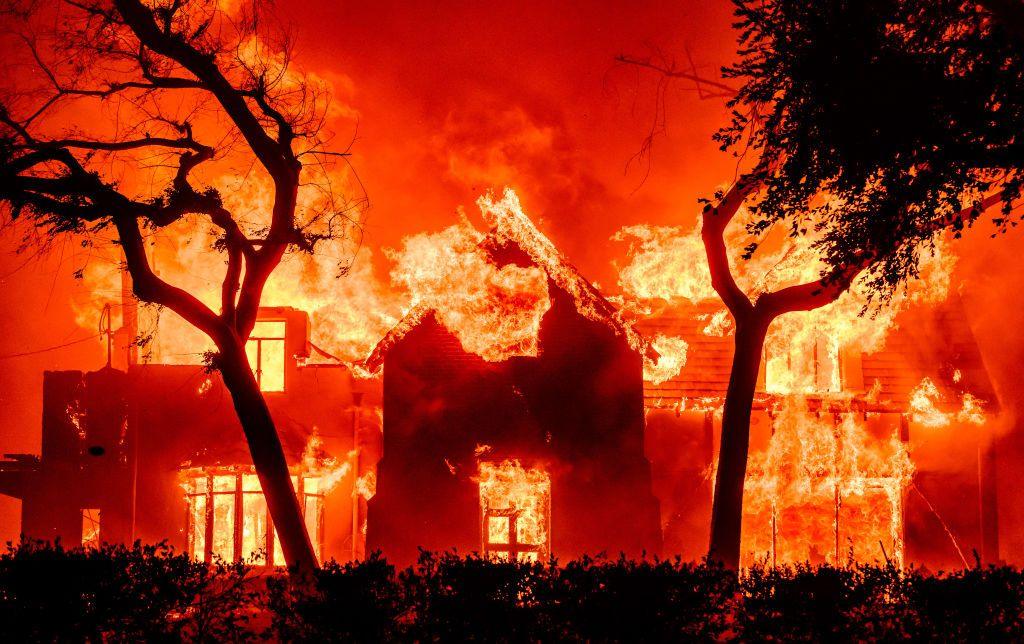
The question of “how many people died in the California wildfires” doesn’t have a single, static answer, as the numbers sadly accumulate year after year. Each fire season brings its own grim statistics, etching itself into the state’s history. These events serve as stark reminders of both nature’s immense power and the increasing vulnerabilities faced by human populations living in wildland-urban interface areas. From devastating infernos like the 2018 Camp Fire, which virtually erased the town of Paradise from the map, to widespread blazes across Napa Valley and Sonoma County, the human cost has been profound.
The Devastating Human Toll and Environmental Impact
The impact of California wildfires extends far beyond charred land and collapsed structures. It fundamentally alters lives, displaces communities, and leaves an indelible mark on the landscape and the collective psyche of the state. The fatalities recorded each year represent individuals, families, and dreams tragically cut short, often with little to no warning.
Understanding the Scope of the Tragedy
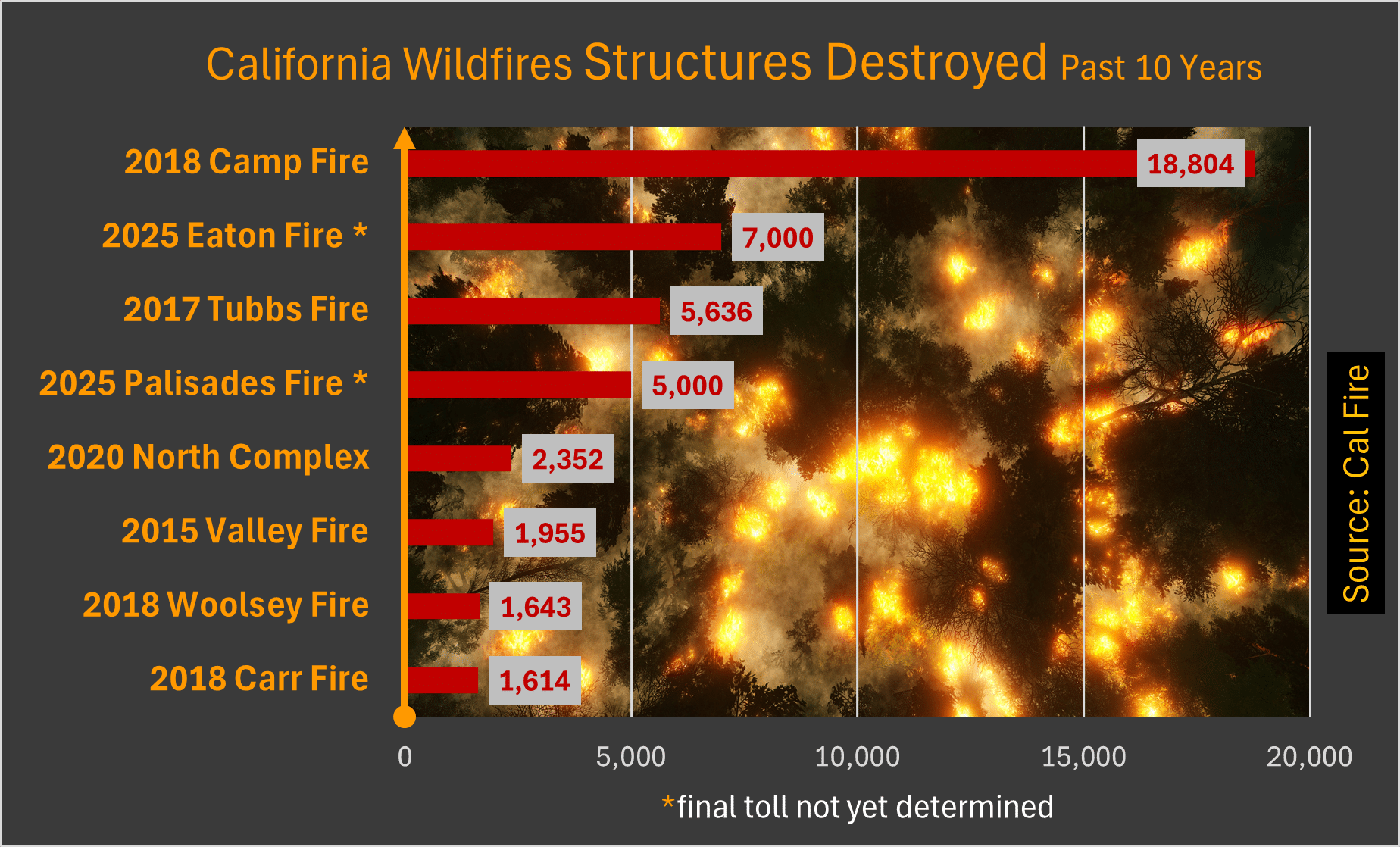
Historically, a single major wildfire can result in dozens, sometimes even hundreds, of fatalities. The 2018 Camp Fire stands as the deadliest in California’s history, claiming 85 lives and destroying over 18,000 structures in and around the town of Paradise in Butte County. This single event highlighted the rapid spread and intense heat of modern wildfires, leaving residents with precious little time to evacuate. Similarly, the 2017 Northern California wildfires, particularly those impacting the wine country of Napa and Sonoma, resulted in 44 deaths. The Woolsey Fire in 2018, sweeping through Ventura County and Los Angeles County and reaching the celebrity enclaves of Malibu, caused three fatalities but forced the evacuation of nearly 300,000 people and destroyed thousands of homes.
These numbers, while stark, only tell part of the story. Many victims are elderly or mobility-impaired, trapped as fires advance at terrifying speeds. Others are emergency personnel, bravely battling the blazes to protect others. Beyond direct fatalities, the long-term health impacts of smoke inhalation, respiratory illnesses, and mental health trauma affect countless more, adding a silent, protracted toll to the overall tragedy. The environmental devastation is equally staggering, leading to significant habitat loss, soil erosion, and increased risk of mudslides in subsequent rainy seasons, further threatening communities and infrastructure.
Beyond the Immediate Loss: Long-Term Repercussions
The human cost of wildfires extends to the profound disruption of lives. Survivors often lose everything—homes, cherished possessions, and their sense of security. The displacement of entire communities, as seen in Paradise, leads to complex challenges in rebuilding not just structures, but also social networks and economic stability. Businesses are destroyed, jobs are lost, and the very fabric of community life is torn apart. For travelers and those in the tourism sector, these fires can lead to widespread cancellations, closures of popular attractions, and a general downturn in visitor numbers, compounding the economic hardship faced by affected regions. The rebuilding process is arduous and can take years, sometimes even decades, requiring immense resources and resilience from both individuals and governmental bodies.
California’s Enduring Appeal: Navigating Travel Amidst Challenges
Despite the inherent challenges posed by wildfires, California remains one of the world’s premier destinations, attracting millions with its diverse landscapes, vibrant cities, and iconic landmarks. The state’s natural beauty, from the towering redwoods of Redwood National Park to the desert expanses of Death Valley and the pristine beaches of San Diego, continues to captivate. However, a responsible approach to travel in California now includes an awareness of wildfire risks and a commitment to sustainable practices.
Impact on Iconic Destinations and Tourist Infrastructure
Wildfires frequently impact or threaten some of California’s most beloved tourist areas. Smoke plumes can obscure views at Yosemite National Park, force closures of hiking trails in Sequoia National Park, or lead to evacuations in popular coastal towns along Big Sur or Santa Barbara. Wine regions like Napa Valley and Sonoma County have faced not only direct fire damage to vineyards and wineries but also the economic fallout from smoke taint on grapes and diminished visitor numbers. Road closures along scenic routes, disruptions to public transport, and temporary shutdowns of hotels, resorts, and other forms of accommodation are common occurrences during severe fire seasons. This can significantly alter travel itineraries and affect the overall experience for visitors.
Major urban centers like Los Angeles and San Francisco can also be affected by poor air quality from distant fires, impacting outdoor activities and general lifestyle. While the state’s main attractions are resilient and typically recover, the temporary disruptions underscore the importance of staying informed and flexible when planning a trip to California.

The Role of Tourism in Recovery and Rebuilding
Despite the immediate negative impacts, tourism plays a crucial role in the long-term recovery and rebuilding efforts of fire-affected regions. When it is safe to do so, visitors returning to these areas bring vital economic support, helping local businesses, restaurants, hotels, and wineries get back on their feet. Responsible travel choices, such as staying in locally-owned accommodation and supporting small businesses, directly contribute to the economic revitalization of communities that have suffered immensely.
Many wineries in Napa and Sonoma, for instance, have shown incredible resilience, rebuilding their facilities and re-establishing their visitor experiences. National and State Parks, once reopened, welcome visitors who come to witness the beauty of regrowth and contribute to the park’s operational funds. By visiting these areas during their recovery, travelers can play an active role in showing solidarity and helping communities heal.
Safety First: Planning Your California Adventure Responsibly
For those planning a trip to California, prioritizing safety and responsible travel is paramount. It involves several key steps:
- Stay Informed: Before and during your trip, monitor official sources like Cal Fire, the National Weather Service, and local news for wildfire updates, air quality alerts, and road closures. Websites for National Parks (Yosemite, Sequoia, Redwood) and State Parks provide real-time operational status.
- Flexibility is Key: Be prepared to alter your itinerary if conditions change. Have backup plans for accommodation and activities. Travel insurance that covers natural disasters can offer peace of mind.
- Practice Fire Safety: Exercise extreme caution, especially in natural areas. Adhere to all fire bans, properly extinguish campfires, never discard cigarette butts, and be mindful of anything that could spark a blaze, from vehicle catalytic converters to power tools.
- Know Your Evacuation Routes: If you’re staying in or near a high-risk area, familiarize yourself with local evacuation procedures and routes.
- Support Local Efforts: Consider visiting areas that have recently recovered. Your presence and patronage make a significant difference.
Resilience and Renewal: Experiencing California’s Comeback
The narrative of California and its wildfires is one of persistent challenge but also profound resilience. The human spirit, coupled with dedicated efforts in conservation and community rebuilding, ensures that the state’s natural and cultural attractions continue to thrive and evolve. For those who seek meaningful travel experiences, witnessing this renewal can be deeply inspiring.
Supporting Local Communities Through Responsible Travel
One of the most impactful ways travelers can contribute is by engaging in responsible tourism. This means choosing hotels and resorts that employ local staff, dining at independent restaurants, and purchasing goods from local artisans. In areas like Lake Tahoe or communities around Yosemite that have faced fire threats, sustained visitor interest helps ensure economic stability and the preservation of unique local lifestyles. Many organizations are dedicated to wildfire recovery and prevention; supporting these efforts through donations or by participating in volunteer programs, where available, can also be a rewarding aspect of a trip.
Discovering Restored Beauty and New Experiences
Nature has an incredible capacity for regeneration. After wildfires, landscapes often undergo a dramatic transformation. While the immediate aftermath can be stark, wildflowers often bloom prolifically in the burned areas in subsequent seasons, creating a unique and poignant beauty. Forests begin to regrow, and wildlife slowly returns. Exploring these areas offers a different perspective on nature’s cycles and the power of renewal. Many parks and reserves are actively engaged in reforestation projects and ecological restoration, offering opportunities for educational experiences that highlight conservation efforts. The landmarks of California, whether natural wonders like the Golden Gate Bridge or cultural icons in Los Angeles, remain open and vibrant, continually inviting exploration.
Proactive Measures: Fire Prevention and Sustainable Tourism
The ongoing battle against increasingly severe wildfires has spurred significant advancements in fire prevention, early detection, and suppression techniques across California. From enhanced forest management practices to improved building codes in high-risk areas, the state is continually adapting. For the tourism industry, this means integrating fire safety into operations, educating visitors, and promoting sustainable practices that reduce human impact on vulnerable ecosystems. Accommodation providers are increasingly investing in fire-resistant construction and landscaping, while tour operators emphasize Leave No Trace principles.
By acknowledging the severity of wildfires and the profound human toll they exact, yet choosing to engage with California responsibly and thoughtfully, travelers can contribute to a future where its natural beauty and vibrant communities continue to thrive. The state’s appeal is undeniable, and with informed choices, visitors can enjoy its wonders while also supporting its ongoing resilience and renewal.