
California, often referred to as the Golden State, is not just a geographical expanse of diverse landscapes; it is a vibrant tapestry woven from the lives of millions. As the most populous state in the United States, its demographic footprint profoundly shapes everything from its economy to its culture, and perhaps most pertinently for travelers and tourism enthusiasts, its vast and varied travel landscape. Understanding “How Many People In California?” goes beyond a simple number; it delves into the intricate relationship between a massive resident population and the dynamic tourism industry, influencing everything from the availability of hotels and accommodation to the unique local experiences that define California as a premier travel destination.
From the bustling streets of Los Angeles and the iconic landmarks of San Francisco to the serene vineyards of Napa Valley and the majestic beauty of Yosemite National Park, California’s population density and distribution play a critical role in shaping the visitor experience. It impacts infrastructure, culinary diversity, cultural events, and the very essence of what makes a Californian getaway so distinct. This article will explore California’s demographic realities, connecting the dots between its vast population and the opportunities and challenges it presents for travel, tourism, and lifestyle choices within the state.
California’s Dynamic Population Landscape
At the heart of any discussion about California’s identity lies its immense population. Far from being static, the state’s demographic profile is a constantly evolving narrative of growth, migration, and unparalleled diversity. These shifts directly influence the type of travel experiences available, the demand for various accommodation options, and the general vibe of its myriad destinations.
The Latest Figures and Historical Growth
As of recent estimates, the population of California hovers around 39 million people. This staggering figure means that roughly one in eight Americans calls the Golden State home. To put this into perspective, California alone has a larger population than most countries in the world. This wasn’t always the case, of course. The state’s population trajectory is a story of explosive growth, largely fueled by historical events such as the Gold Rush in the mid-19th century, which drew prospectors and pioneers from across the globe, establishing California as a land of opportunity.
Throughout the 20th century, successive waves of migration – from agricultural workers drawn to the fertile Central Valley to innovators flooding Silicon Valley during the tech boom – ensured a continuous upward trend. While recent years have seen a slight deceleration or even a marginal decrease due to factors like high cost of living and domestic out-migration, international immigration continues to play a significant role in replenishing and diversifying its populace. This constant flux of residents, whether arriving or departing, keeps the state’s culture and economy remarkably dynamic, impacting everything from the demand for luxury travel to the expansion of public transportation in major cities.
Demographics and Diversity
Beyond the sheer numbers, the demographic makeup of California is arguably its most defining characteristic and a major draw for tourists seeking authentic cultural immersion. California is a global microcosm, boasting an unparalleled level of ethnic and cultural diversity. No single ethnic group constitutes a majority, leading to a rich tapestry of traditions, languages, and cuisines that are celebrated across the state. This diversity is a boon for tourism, offering visitors a chance to experience global cultures without leaving the state’s borders, from vibrant Chinatown in San Francisco to the bustling Little Italy in San Diego.
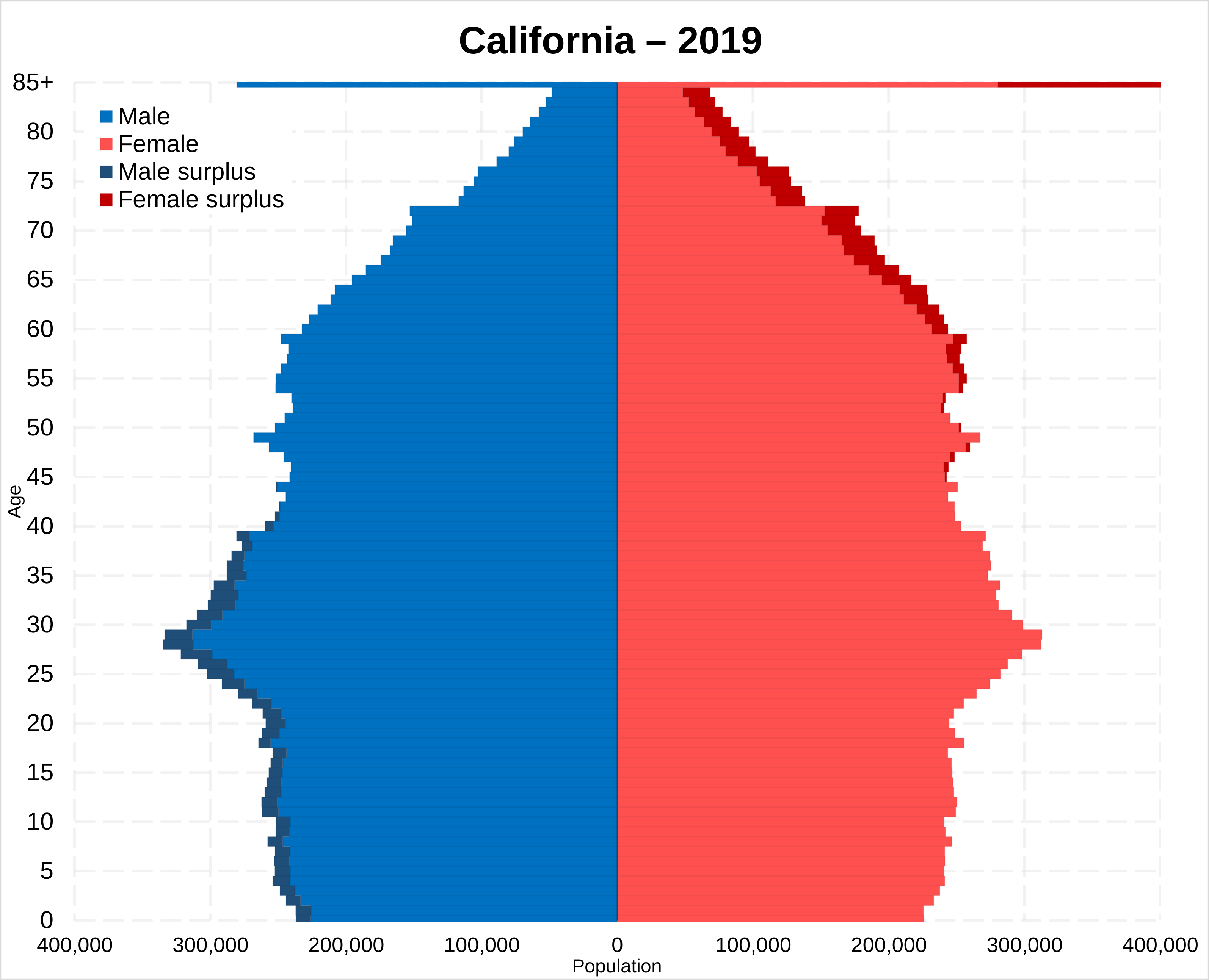
Age distribution also plays a crucial role in shaping the travel market. A large population of young professionals contributes to a lively nightlife and demand for boutique hotels and modern attractions in urban centers. Simultaneously, a significant retiree population, particularly in Southern California areas like Palm Springs, drives demand for golf resorts, wellness retreats, and accessible attractions. Families, a substantial segment of the population, gravitate towards theme parks like Disneyland Resort and LEGOLAND California Resort, as well as family-friendly beach towns. This diverse resident profile ensures that California offers a myriad of lifestyle and travel options catering to every taste and budget, making it an ideal destination for family trips and solo adventures alike.
Population Distribution and Its Impact on Travel & Tourism
California’s vast population is not evenly distributed; it clusters in major metropolitan areas, leaving expansive natural landscapes relatively untouched. This unique pattern of distribution profoundly influences how and where people travel within the state, shaping everything from urban tourism experiences to wilderness adventures.
Major Urban Centers as Tourist Hubs
The overwhelming majority of Californians reside in a handful of major urban centers, which consequently become major magnets for tourism.
- Los Angeles: With over 10 million people in its metropolitan area, Los Angeles is not only California’s largest city but also a global icon. Its immense population supports an expansive array of attractions, from the glitz of Hollywood and the historic Santa Monica Pier to cultural landmarks like the Getty Center and the Walt Disney Concert Hall. The sheer number of residents fuels a vibrant culinary scene, diverse neighborhoods, and a vast selection of hotels and resorts catering to every budget, including luxurious options in Beverly Hills near Rodeo Drive.
- San Francisco: Known for its fog, hills, and iconic Golden Gate Bridge, the San Francisco Bay Area is home to nearly 8 million people. This dense urban environment offers unique travel experiences, including visits to Alcatraz Island, Fisherman’s Wharf, and Pier 39. The compact nature of the city, coupled with a large resident base, contributes to its bustling public transport, diverse dining scene, and a plethora of boutique hotels that blend seamlessly into its historic architecture, such as those near the Palace of Fine Arts.
- San Diego: Further south, San Diego and its surrounding county house over 3 million people, famous for its laid-back coastal lifestyle. The large local population supports world-class attractions like the San Diego Zoo in Balboa Park, numerous beaches in La Jolla, and a thriving craft beer scene. The city’s residents contribute to its vibrant local culture and a demand for diverse accommodation, from beachfront villas to family-friendly resorts.
- Sacramento: As the state capital, Sacramento and its metropolitan area are home to over 2 million residents. While often overlooked for coastal glamour, its population supports a rich historical district, Old Town Sacramento, and a burgeoning farm-to-fork culinary movement. The city offers a different slice of Californian life, focusing on history, river tourism, and a more accessible, local experience.

Other significant population centers like Orange County (home to Disneyland Park and Disney California Adventure Park) and the high-tech hub of Silicon Valley (San Jose) further illustrate how dense resident populations fuel diverse tourism economies.
From Dense Cities to Sprawling Wilderness
While urban centers are bustling with millions, California is also home to vast expanses of unparalleled natural beauty. The population distribution allows for the existence and preservation of iconic natural landmarks and national parks, offering a stark contrast to the urban sprawl.
- National Parks: Places like Yosemite National Park, Redwood National Park, Death Valley National Park, Sequoia National Park, and Joshua Tree National Park remain relatively undeveloped. The distance from major population centers helps protect their pristine environments, attracting visitors seeking outdoor adventures, hiking, and wildlife viewing.
- Coastal Gems: The rugged coastline of Big Sur and the pristine waters of Lake Tahoe or Catalina Island draw residents and tourists alike for their natural beauty. These areas, while popular, maintain a balance with nature due to careful planning and a lower resident population compared to the major cities. The challenge remains to manage the influx of tourists from both within and outside the state to preserve these fragile ecosystems.
The stark contrast between dense urban populations and sprawling natural wilderness defines California’s travel landscape. It creates a demand for all types of accommodation, from five-star city hotels to rustic cabins, and offers an incredible range of experiences for every type of traveler.
The Interplay of Residents and Visitors: Accommodation and Local Culture
The sheer number of people living in California—and their diverse backgrounds—fundamentally shapes the state’s travel and tourism sector. This interaction is most visible in the availability and type of accommodation options, as well as the vibrant local cultures that enrich visitor experiences.
Meeting Accommodation Demands
With nearly 39 million residents, California’s housing market is perpetually under pressure, which in turn influences the broader accommodation landscape for tourists. The extensive resident population necessitates a robust infrastructure of apartments, long-term rental units, and various housing developments. This resident-driven demand often translates into higher property values, which can impact the cost of short-term vacation rentals and hotel stays, particularly in desirable urban or coastal areas.
However, this also means a diverse and sophisticated market exists for both residents and visitors. In places like Downtown Los Angeles or San Francisco, the constant influx of business travelers and new residents fuels the development of modern high-rise hotels, extended-stay suites, and serviced apartments designed to meet a variety of needs, from business stays to luxury getaways. Conversely, the preferences of residents for weekend escapes or longer holidays drive the demand for boutique hotels in wine regions like Sonoma Valley, luxurious villas in Malibu, or rustic lodges near Lake Arrowhead and Big Bear Lake. The high population ensures a continuous need for development, leading to innovative accommodation solutions and a competitive market that ultimately benefits discerning travelers seeking variety and quality.
Enhancing Local Culture and Tourist Experiences
Perhaps one of the most significant impacts of California’s massive and diverse population is its contribution to the state’s rich local culture, which, in turn, deeply enriches tourist experiences. The sheer number of people from various backgrounds means an incredible fusion of traditions, arts, music, and—most notably—food.
- Culinary Landscape: California’s population drives an unparalleled culinary scene. In Los Angeles, you can find authentic cuisine from virtually every corner of the globe, from Korean BBQ in Koreatown to vibrant Mexican food trucks. San Francisco is renowned for its Michelin-starred restaurants and innovative farm-to-table dining, a testament to a local population that appreciates fine dining and diverse palates. Even smaller cities like Temecula Valley develop distinct food and wine cultures, fueled by local demand and a willingness to experiment.
- Arts and Festivals: A large and engaged population means a thriving arts scene, with countless museums, galleries, theaters, and music venues across the state. Major cities host year-round festivals, parades, and cultural events, many of which are deeply rooted in the traditions of their diverse communities. These events offer visitors unique activities and an authentic glimpse into California’s vibrant community life.
- Authentic Experiences: The local populace is the backbone of “authentic” tourism experiences. From discovering hidden gems recommended by locals to participating in community events, residents often provide the most valuable “insider tips” and insights into a destination. This organic interaction fosters a more profound connection between visitors and the places they explore, moving beyond superficial attractions to meaningful cultural engagement. However, balancing the needs of a large local population with the demands of a robust tourism industry also presents challenges, requiring thoughtful urban planning and sustainable tourism practices.
Future Trends: Population Shifts and the Evolving California Experience
Looking ahead, California’s population will continue to evolve, presenting both opportunities and challenges for its travel and tourism sectors. Understanding these future trends is crucial for anyone planning to visit or invest in the Golden State.
Migration Patterns and Their Effects
Recent years have seen nuanced shifts in California’s migration patterns. While international immigration continues to be a significant contributor to the state’s population, there has been an observable trend of domestic out-migration, particularly from the more expensive coastal areas. Residents are often moving to other states or to more affordable inland regions within California, such as the Central Valley, seeking lower housing costs and a different quality of life.
These internal and external shifts have several implications for tourism. Areas experiencing population growth may see an increase in demand for local attractions, restaurants, and accommodation options, fostering the development of new destinations. Conversely, areas with declining populations might need to innovate to maintain their tourism appeal, perhaps by emphasizing unique cultural heritage or niche experiences. For instance, less populated regions like Mammoth Lakes or Lake Tahoe might focus on attracting visitors seeking outdoor adventure and serene escapes, diversifying beyond traditional urban tourism. These demographic realignments will undoubtedly shape future travel guides and influence where development in hotels and infrastructure will occur.
Sustainability and Innovation in Tourism
The immense and growing population of California, coupled with the constant influx of tourists, places significant pressure on the state’s natural resources and urban infrastructure. This necessitates a strong focus on sustainable tourism practices. From eco-friendly resorts in sensitive natural areas to initiatives promoting public transportation in crowded cities, sustainability will increasingly guide the future of travel in California.
Moreover, a tech-savvy population and innovative spirit, especially prevalent in areas like Silicon Valley, drive innovation in the travel industry. This includes advancements in booking platforms, personalized digital guides, virtual reality tours, and smart city technologies designed to manage traffic and visitor flow more efficiently. The younger generations within California’s population are often early adopters of these technologies, pushing the tourism sector to adapt and evolve. This blend of environmental consciousness and technological prowess promises to create a more efficient, responsible, and enjoyable travel experience for future visitors to the Golden State. It highlights a lifestyle that values both cutting-edge convenience and respect for the environment.

In conclusion, “How Many People In California?” is a question that unlocks a deeper understanding of this iconic state. Its nearly 39 million residents are not just a statistic; they are the vibrant force that shapes its diverse landscapes, dynamic cities, rich cultural tapestry, and evolving travel experiences. From the bustling metropolitan hubs of Los Angeles and San Francisco to the serene beauty of its national parks and the charming allure of its wine regions, California’s population underpins every aspect of its appeal as a global destination. For travelers, understanding this demographic backdrop provides invaluable context, enriching their journey and revealing the complex interplay between people, place, and the unforgettable adventures that await in the Golden State.