
The Lone Star State stands as a titan in the American landscape, not just in its vast geographical expanse but increasingly in its burgeoning population. For anyone planning a visit, considering a relocation, or simply curious about one of the United States’ most dynamic regions, understanding Texas’s demographic profile is crucial. It’s a state in perpetual motion, attracting millions with its promise of economic opportunity, diverse culture, and a distinct way of life. This remarkable growth profoundly shapes every aspect of the state, from its urban skylines to its remote natural wonders, influencing everything from available accommodations to the very fabric of its local tourism experiences.

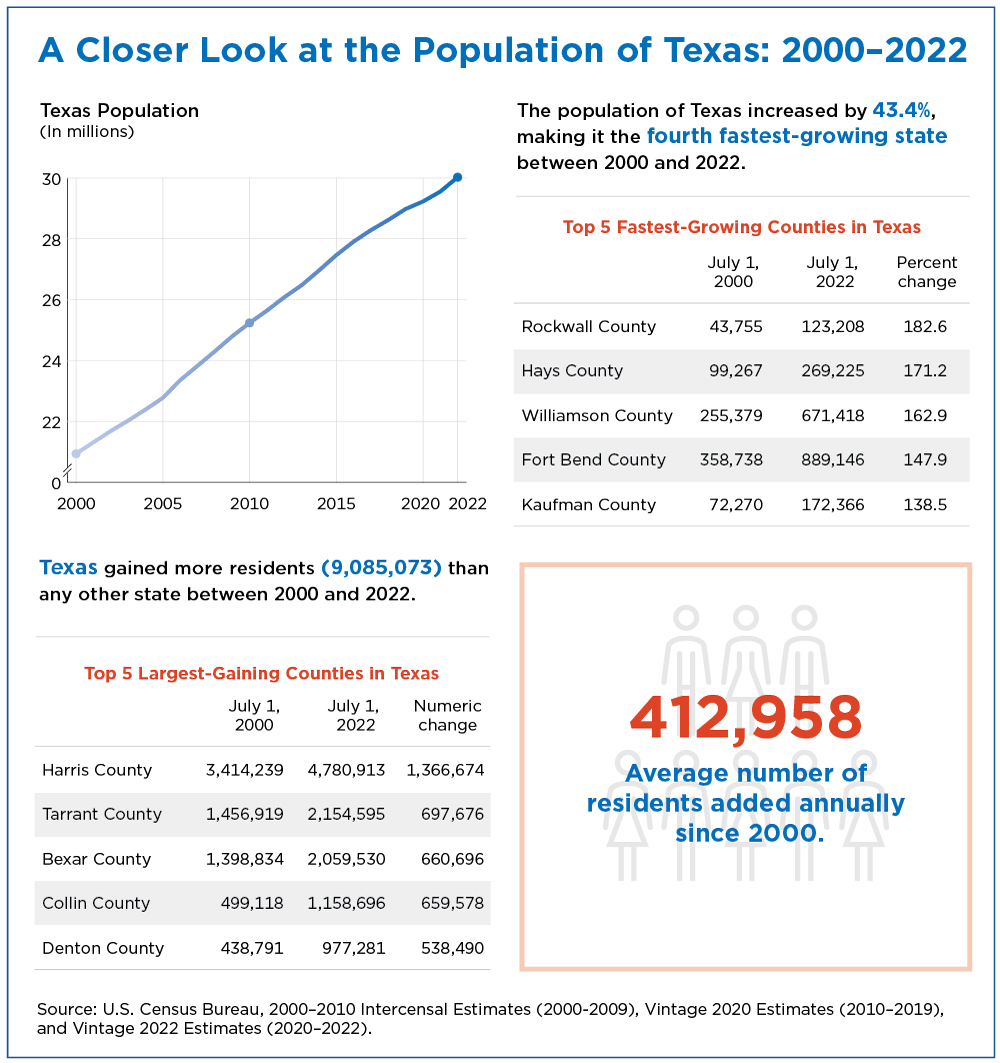
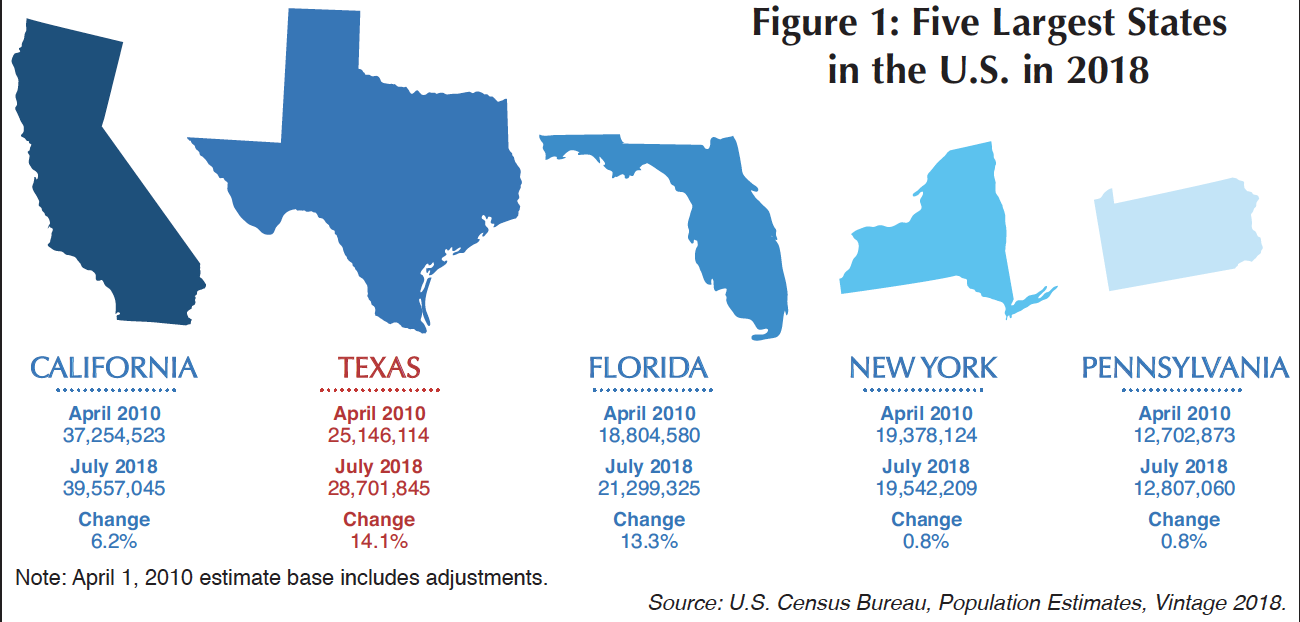
As of the most recent estimates, Texas proudly boasts a population exceeding 30.5 million people. This figure not only solidifies its position as the second-most populous state in the nation, trailing only California, but also highlights an unprecedented period of expansion. The state has consistently ranked among the fastest-growing in the U.S., adding hundreds of thousands of new residents annually through a combination of domestic migration, international immigration, and natural increase. This demographic surge is not just a statistical anomaly; it’s a fundamental force redefining Texas’s identity and presenting both exciting opportunities and unique challenges for its infrastructure, culture, and, most notably, its vibrant travel and tourism sectors.
Texas’s Booming Population: A Demographic Overview
The story of Texas’s population is one of rapid ascent, driven by a confluence of economic, social, and geographical factors. This growth isn’t uniform across the state but rather concentrated in its major metropolitan areas, creating bustling urban centers surrounded by expansive rural landscapes. Understanding these demographic shifts is key to appreciating the state’s evolution and planning any engagement with its diverse offerings.
The Latest Numbers and Growth Trends
The U.S. Census Bureau provides the most authoritative data, consistently placing Texas at the forefront of national population growth. While the exact numbers fluctuate with continuous estimates, the trajectory remains clear: upward. Since the 2010 census, Texas has added over 5 million residents, a testament to its powerful magnet-like appeal. This growth is predominantly fueled by migration from other states, particularly from coastal regions experiencing higher costs of living, and significant international immigration, particularly from Latin America and Asia. These newcomers bring with them a rich tapestry of cultures, languages, and traditions, further enhancing the state’s already diverse demographic makeup.
The majority of this expansion is concentrated in the so-called “Texas Triangle,” an area encompassing the metropolitan regions of Dallas-Fort Worth, Houston, and San Antonio-Austin. Houston, the largest city in Texas, is a global energy hub and a beacon for medical innovation. Dallas and Fort Worth anchor a sprawling metropolis known for its corporate headquarters, financial services, and logistics industries. Austin, the state capital, has transformed into a tech powerhouse and cultural mecca, often dubbed “Silicon Hills.” San Antonio, rich in history and culture, also contributes significantly to the population surge. These urban centers act as economic engines, drawing talent and investment, which in turn fuels further population growth and diversification. The consistent growth projections suggest that Texas will continue to be a national leader in population expansion for decades to come, profoundly impacting its infrastructure, housing markets, and demand for services, including tourism.
Why Texas is Growing: A Magnet for Opportunity
The reasons behind Texas’s sustained population boom are multifaceted, appealing to a broad spectrum of individuals and businesses. At its core, the state offers a compelling proposition of economic vitality and a relatively accessible lifestyle, especially when compared to other major economic centers in the United States. One of the primary draws is its robust and diversified economy. Texas is not just about oil and gas anymore, though that industry remains a cornerstone. It has become a dominant force in technology, with major companies establishing significant presences in Austin and Dallas. Aerospace, advanced manufacturing, healthcare, and education sectors also thrive, providing a wide array of job opportunities across various skill levels. This economic dynamism translates into a vibrant job market, making it an attractive destination for career growth and professional development.
Beyond employment, the cost of living in Texas, while rising, generally remains more affordable than in many coastal states. Housing, in particular, tends to be more attainable for middle-income families, despite significant appreciation in recent years. Furthermore, the absence of a state income tax is a significant financial incentive for both individuals and businesses, contributing to higher disposable incomes and a more favorable business climate. The state’s pro-business policies, coupled with a growing skilled workforce, continue to attract corporate relocations and expansions, creating a virtuous cycle of job creation and population influx. Culturally, Texas offers a unique blend of Southern hospitality, Western grit, and a strong sense of local identity, enriched by its diverse immigrant communities. This blend translates into a vibrant cultural scene, from world-class museums and performing arts centers in cities like Houston and Dallas to the live music capital of Austin and the historic charm of San Antonio. The combination of economic opportunity, relative affordability, and a rich cultural tapestry forms a powerful magnet, ensuring Texas’s continued growth and appeal for years to come.
The Impact on Travel and Tourism in the Lone Star State
The sheer volume of people calling Texas home fundamentally reshapes the state’s travel and tourism landscape. A larger resident population means more domestic tourism, a greater demand for recreational activities, and an increased need for diverse amenities catering to both locals and visitors alike. This demographic shift influences everything from the development of new attractions to the preservation of natural landmarks, creating a dynamic environment for travelers.
Destinations and Attractions for a Growing Populace
With over 30 million residents, the demand for recreational and leisure activities within Texas is immense, driving significant investment in attractions that appeal to a broad demographic. This internal market ensures a robust foundation for the tourism industry, complementing the influx of out-of-state and international visitors. Major cities serve as primary hubs for both residents and tourists. Houston draws crowds to Space Center Houston, a compelling journey into the United States’ space exploration history, and its vibrant Museum District. Dallas offers cultural depth with the Sixth Floor Museum at Dealey Plaza and the sprawling Dallas Arts District, along with family-friendly attractions like the Dallas World Aquarium. In San Antonio, the historic Alamo and the enchanting River Walk are perennial favorites, while Austin captivates with its live music venues and outdoor activities along Lady Bird Lake.
Beyond the urban centers, Texas’s natural beauty attracts millions. The remote grandeur of Big Bend National Park offers unparalleled hiking and stargazing experiences in the Chihuahuan Desert. The dramatic cliffs and canyons of Palo Duro Canyon State Park provide stunning vistas and outdoor adventure in the Texas Panhandle. Along the Gulf Coast, destinations like Galveston Island with its historic Pleasure Pier and Moody Gardens, and Corpus Christi with its beaches and the USS Lexington Museum, offer seaside escapes. The Texas Hill Country is dotted with charming towns like Fredericksburg and New Braunfels, renowned for their wineries, scenic drives, and water activities on rivers like the Guadalupe and Comal. The sheer number of people residing in Texas creates a self-sustaining ecosystem for these attractions, prompting continuous innovation and expansion to meet diverse leisure preferences, from luxury travel to budget-friendly family trips.
Catering to Diverse Travelers: From Local Culture to Modern Amenities
The incredible diversity of Texas’s 30.5 million residents is mirrored in its tourism offerings, ensuring that the state caters to a broad spectrum of travelers with varied interests and backgrounds. This demographic mosaic fuels a rich cultural landscape that is itself a major draw. For culinary enthusiasts, Texas is a paradise, boasting world-famous Texas BBQ joints, authentic Tex-Mex cuisine rooted in generations of tradition, and an increasingly sophisticated fine dining scene in its major cities. Food tours, cooking classes, and vibrant farmers’ markets allow visitors to immerse themselves in this delicious aspect of local culture. The state’s deep musical heritage, particularly in Austin, the “Live Music Capital of the World,” offers countless opportunities to experience everything from country and blues to rock and indie performances in iconic venues like Gruene Hall and The Continental Club.
Beyond food and music, Texas embraces a blend of historical preservation and modern entertainment. History buffs can delve into the state’s storied past at mission trails, historic forts, and museums documenting the Republic of Texas era. Art lovers can explore world-class galleries in the Dallas Arts District or discover vibrant street art in Houston’s neighborhoods. The burgeoning population also demands and supports a wide range of modern amenities and experiences. From high-end shopping districts like Uptown Dallas and Galleria Houston to state-of-the-art sports stadiums hosting professional teams, the urban centers are equipped to satisfy contemporary tastes. Adventure seekers find opportunities for everything from paddleboarding on Austin’s lakes to ziplining in the Hill Country. This blend of authentic local culture, historical depth, and modern conveniences ensures that whether visitors seek a deep dive into Texas’s heritage, an exciting urban escape, or a tranquil natural retreat, the state has something tailored to every preference, constantly evolving to meet the demands of its growing and diverse population.
Accommodation and Hospitality: Meeting the Demand
The exponential growth of Texas’s population, coupled with its booming tourism industry, places significant pressure on its accommodation sector. This has spurred a dynamic response from developers and hospitality providers, leading to a rich and varied landscape of lodging options designed to cater to every taste and budget, from luxury travelers to those seeking long-term stays.
Expanding Hotel and Resort Options
To keep pace with its rapidly expanding population and increasing visitor numbers, Texas’s urban centers and popular tourist destinations have seen a consistent surge in hotel and resort development. Major hotel chains recognize the immense potential of the Texas market, investing heavily in new properties across all segments. In cities like Dallas, you’ll find an array of upscale options such as the Omni Dallas Hotel with its direct connection to the Dallas Convention Center, or boutique hotels in the Deep Ellum district that offer a more unique, localized experience. Houston boasts luxurious properties like the Post Oak Hotel at Uptown Houston, catering to business and luxury travelers, while Austin continues to see new developments, including design-forward hotels in the downtown area and historic gems like The Driskill Hotel.
Beyond city centers, the Texas Hill Country is home to world-class resorts, such as the JW Marriott San Antonio Hill Country Resort & Spa, which combines luxury amenities with scenic beauty, perfect for family vacations or romantic getaways. On the Gulf Coast, resorts in Galveston and South Padre Island offer beachfront access and a variety of family-friendly activities. The growth isn’t limited to luxury; mid-range and budget-friendly hotels from brands like Hilton, Marriott, and Hyatt are also expanding their footprint to accommodate the diverse financial considerations of both residents traveling within the state and visitors. This ensures that whether travelers are seeking opulent suites, convenient apartments for a city break, or comfortable villas for an extended family stay, the options in Texas are more abundant and varied than ever before, reflecting the state’s dynamic growth.
Alternative Stays and Long-Term Trends
The rapid population increase in Texas has not only fueled the traditional hotel sector but has also significantly bolstered the market for alternative accommodations and long-term stays. The rise of platform-based rentals, such as Airbnb and VRBO, has transformed the landscape, offering travelers a more localized and often more spacious experience. These vacation rentals range from cozy apartments in urban neighborhoods to expansive ranches in the Hill Country, providing flexibility and privacy that hotels sometimes cannot match. For individuals or families relocating to Texas for work or seeking extended visits, these options are particularly appealing, allowing them to experience local life more authentically. The influx of new residents also means a consistent demand for furnished apartments and extended-stay hotels, especially for corporate travelers, new hires, or those undergoing home renovations. Brands specializing in long-term stays, often featuring kitchenettes and separate living areas, have found a fertile market in Texas’s major metropolitan areas.
Furthermore, the state’s vibrant festival culture and growing number of major events—from SXSW in Austin to the Houston Livestock Show and Rodeo—create peak demand periods where alternative accommodations become crucial. This includes everything from pop-up glamping sites near festival grounds to a temporary surge in private home rentals. The increasing number of visitors also drives interest in unique accommodation experiences, such as historic bed-and-breakfasts in towns like Granbury or Jefferson, or eco-lodges closer to natural attractions like Big Bend Ranch State Park. This trend towards diversified lodging options reflects a broader shift in traveler preferences, where authenticity, flexibility, and a sense of “home away from home” are increasingly valued. As Texas continues to grow, so too will the ingenuity and variety of its accommodation offerings, ensuring there is a perfect place for every type of visitor and resident, whether for a short vacation or a prolonged stay.
Lifestyle and Infrastructure: Navigating a Populous Texas
The impressive growth of Texas’s population brings with it a complex interplay of lifestyle changes and infrastructural demands. While a larger population fosters a more vibrant and diverse cultural scene, it also presents challenges related to urban planning, environmental conservation, and maintaining the quality of life that initially attracted so many.
The Challenge of Infrastructure and Conservation
The rapid influx of over 30.5 million people into Texas has undeniably strained existing infrastructure. Traffic congestion in metropolitan areas like Houston, Dallas, and Austin has become a significant concern, prompting massive investments in road expansion, public transportation initiatives, and innovative traffic management solutions. The urban sprawl associated with this growth also places immense pressure on resources such as water and energy, leading to ongoing debates about sustainable development and long-term resource management. Providing adequate utilities, schools, and public services for a continually expanding populace requires constant planning and significant capital expenditure.
Moreover, the growing human footprint encroaches upon Texas’s invaluable natural landscapes and wildlife habitats. State parks, like Enchanted Rock State Natural Area or Mustang Island State Park, experience increased visitation, necessitating careful management to prevent degradation. Conservation efforts become paramount to preserve the state’s biodiversity and ecological integrity, from the unique ecosystems of the Big Thicket National Preserve to the coastal wetlands critical for migratory birds. The balance between accommodating growth and protecting Texas’s natural heritage is a perpetual challenge, requiring thoughtful policy, community engagement, and sustainable development practices. For travelers, this means being mindful of their environmental impact and supporting eco-friendly tourism initiatives that help maintain the pristine beauty of Texas’s natural landmarks for future generations.
Embracing the Texas Lifestyle: Opportunities and Experiences
Despite the infrastructural challenges, a population of over 30.5 million creates an incredibly dynamic and diverse lifestyle in Texas, offering unparalleled opportunities and experiences for both residents and visitors. The sheer number of people from various backgrounds—Hispanic and African American communities, Asian immigrants, and transplants from across the U.S.—contributes to a vibrant cultural tapestry. This diversity is reflected in everything from the incredibly varied culinary scene, expanding far beyond traditional Tex-Mex and Texas BBQ to include global cuisines, to the thriving arts and music scenes in cities like Austin, Houston, and Dallas. Major cities host international film festivals, grand opera productions, and a constant stream of live performances, ensuring that cultural enrichment is always within reach.
For those interested in a bustling urban environment, Texas’s major cities offer a sophisticated lifestyle with world-class shopping, diverse nightlife, and an abundance of recreational activities, from city parks to professional sports events featuring teams like the Houston Rockets or Dallas Cowboys. Meanwhile, the smaller towns and rural areas provide a different kind of charm, with their historic downtowns, local festivals, and access to outdoor adventures like fishing in the Piney Woods or exploring caverns in the Hill Country. The state’s large population supports a wealth of options for every lifestyle, whether one prefers luxury travel and high-end experiences or budget travel focused on natural beauty and authentic local interactions. From family-friendly attractions to vibrant business districts, Texas offers a spectrum of experiences. Engaging with this diverse, energetic population is key to truly understanding the modern Texas lifestyle and discovering the countless opportunities it presents for memorable travel and immersive cultural encounters.
In conclusion, Texas’s journey past the 30.5 million population mark is not merely a demographic statistic; it is a profound transformation that echoes through every facet of the Lone Star State. This explosive growth has solidified its status as an economic powerhouse and a cultural melting pot, influencing everything from the development of new attractions and the expansion of hotel and resort options to the vibrant local experiences awaiting travelers. While presenting challenges for infrastructure and conservation, the sheer volume and diversity of its residents also foster an unparalleled richness in lifestyle and tourism opportunities. For anyone considering a visit, understanding the scale and dynamics of Texas’s population is crucial; it helps to contextualize the bustling urban centers, the rich tapestry of cultures, and the vast natural landscapes that define this extraordinary state. Texas today is a testament to growth, opportunity, and an ever-evolving identity, promising a unique and unforgettable experience for every traveler.
LifeOutOfTheBox is a participant in the Amazon Services LLC Associates Program, an affiliate advertising program designed to provide a means for sites to earn advertising fees by advertising and linking to Amazon.com. Amazon, the Amazon logo, AmazonSupply, and the AmazonSupply logo are trademarks of Amazon.com, Inc. or its affiliates. As an Amazon Associate we earn affiliate commissions from qualifying purchases.