
Boston, a city steeped in history and buzzing with modern innovation, is a captivating destination that draws millions of visitors annually. But beyond its iconic landmarks and vibrant culture, a fundamental question often arises: “How many people live in Boston?” The answer is more than just a number; it’s a living, breathing testament to the city’s appeal, its economic engine, and the diverse tapestry of life that defines this New England gem. Understanding Boston’s population offers invaluable insights for travelers, prospective residents, and anyone interested in the dynamics of urban living, from navigating its bustling streets to choosing the perfect accommodation.
The city of Boston proper, as of recent estimates, is home to roughly 675,000 to 690,000 residents. This figure positions it as the most populous city in Massachusetts and a significant urban center in the United States. However, this number only tells part of the story. The greater Boston metropolitan area, often referred to as Greater Boston or [Boston]-Cambridge-Newton, MA-NH Metropolitan Statistical Area, encompasses a much larger population of approximately 4.9 million people. This broader demographic includes numerous surrounding cities and towns, all interconnected with the core city through commerce, culture, and daily commutes. Whether you’re exploring Beacon Hill’s historic streets or seeking a long-term stay in a suburban apartment, the sheer volume of people in and around Boston profoundly shapes its lifestyle, travel experience, and overall atmosphere.
A Snapshot of Boston’s Vibrant Population
The population density of Boston is remarkably high, especially for a city of its size in the United States. With approximately 14,000 people per square mile within the city limits, it’s a bustling urban landscape where history coexists with cutting-edge innovation. This density contributes to the vibrant energy felt throughout its neighborhoods, from the historic North End to the academic hubs of Cambridge and the financial district. For travelers, this means a compact city where many attractions are walkable or easily accessible via public transport, but also one where popular spots can be crowded, especially during peak tourist seasons.
The Core Numbers: Current Population and Density
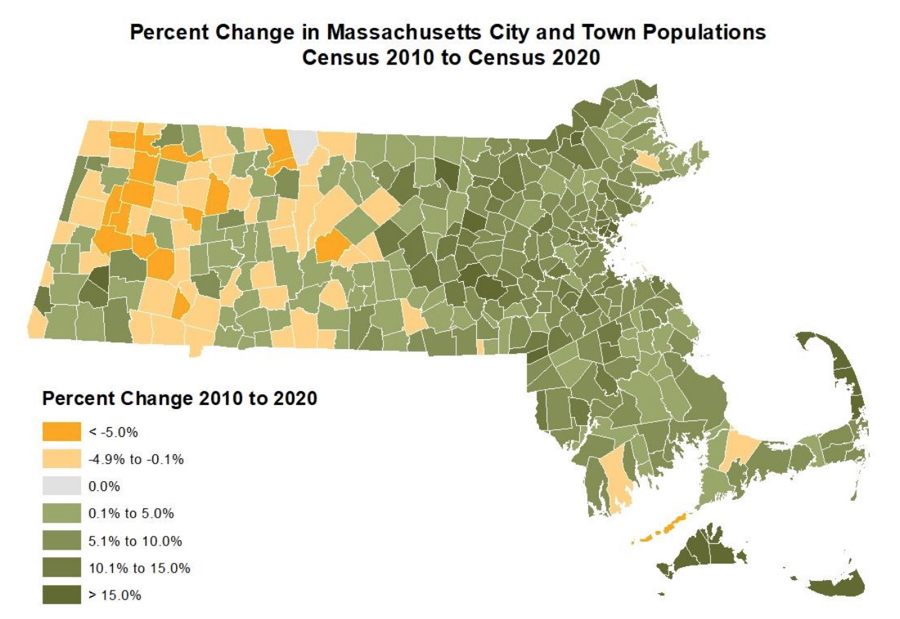
While the exact numbers fluctuate, the population of Boston has shown steady growth over the past few decades, reversing a trend of urban decline seen in many American cities in the mid-20th century. This resurgence is largely attributed to its robust economy, world-class educational institutions, and a high quality of life. The city’s relatively small geographical footprint means that its nearly 700,000 residents are packed into a dynamic and diverse urban environment. This concentration of people creates a demand for efficient transportation, varied dining options, and a wide array of accommodation choices, catering to everything from luxury hotels in Back Bay to budget-friendly guesthouses in Allston.
The high population density also fosters a strong sense of community within Boston’s distinct neighborhoods. Each area, from the charming brownstones of Beacon Hill to the artistic enclave of South End, possesses its own unique character, largely shaped by the residents who call it home. Understanding this allows travelers to choose a district that best suits their desired experience, whether they seek historical immersion, culinary adventures, or a lively nightlife scene.
Demographics and Diversity
Boston’s population is remarkably diverse, reflecting its long history as a gateway city and its modern status as a global hub for education and innovation. The city is a mosaic of different ethnic, racial, and socio-economic backgrounds. A significant portion of the population is white, followed by substantial Black, Hispanic, and Asian communities. This rich diversity is evident in Boston’s culinary scene, with authentic restaurants representing cuisines from around the world, as well as its vibrant cultural festivals and artistic expressions.
Furthermore, Boston has a relatively young and highly educated population, driven by the presence of over 50 colleges and universities in the greater metropolitan area. Institutions like Harvard University, the Massachusetts Institute of Technology (MIT), Boston University, and Northeastern University attract students and researchers from across the globe, contributing to a dynamic intellectual atmosphere. This influx of young talent fuels the city’s burgeoning tech and biotech industries, making Boston a magnet for professionals and entrepreneurs. For visitors, this translates into a city that is both historically rich and forward-thinking, with a lively arts scene, innovative eateries, and a general atmosphere of intellectual curiosity. The presence of such a large student body also impacts the lifestyle offerings, ensuring a vibrant nightlife and a continuous stream of new businesses and ideas.
Population Dynamics: Growth, Influx, and Economic Impact
The story of Boston’s population is one of continuous evolution, marked by periods of significant growth and shifts in its demographic makeup. This dynamic nature is intrinsically linked to the city’s economic vitality and its role as a regional and global center. Understanding these population trends helps to contextualize the city’s development, its challenges, and its enduring appeal.
Driving Factors Behind Boston’s Population Trends
Several key factors contribute to Boston’s population growth and its unique demographic profile. Firstly, its unparalleled concentration of top-tier universities acts as a constant engine, drawing tens of thousands of students each year. While many students eventually move elsewhere, a significant portion chooses to stay post-graduation, drawn by job opportunities and the city’s quality of life. This steady infusion of young, educated individuals is crucial for maintaining a vibrant workforce and fostering innovation.
Secondly, Boston’s economy is remarkably robust, anchored by leading sectors such as biotechnology, healthcare, finance, and technology. Major companies and startups alike find a fertile ground for growth here, creating high-paying jobs that attract professionals from around the United States and beyond. The presence of world-renowned medical institutions like Massachusetts General Hospital and the Brigham and Women’s Hospital also makes Boston a global center for medical research and care, drawing a significant number of skilled professionals and their families. This economic strength fuels migration into the city, keeping its population on an upward trajectory. For business travelers and those considering long-term stays, Boston offers a plethora of opportunities, reflected in its diverse range of corporate accommodation and serviced apartments.

The Economic Engine: How People Shape the City’s Future
The ever-increasing population and its diverse professional makeup have a profound impact on Boston’s economic landscape. The demand for housing, services, and infrastructure continually reshapes the city. Urban development projects, from new residential towers to expanded public transport systems, are a direct response to accommodating a growing populace. This growth also drives the real estate market, making Boston one of the most expensive cities in the United States for both renting and buying property.
For the tourism and hospitality industries, a growing population translates into a larger local customer base in addition to the influx of visitors. This supports a thriving restaurant scene, a vibrant retail sector along streets like Newbury Street, and a diverse array of entertainment options. The city’s dynamic economy ensures a constant flow of both business and leisure travelers, making the hotel sector particularly robust. From historic establishments like the Omni Parker House to modern boutique hotels and luxury resorts, Boston offers a spectrum of choices to meet the needs of its diverse visitors and long-term residents seeking temporary lodging. The continuous innovation driven by its educated populace also contributes to Boston’s reputation as a hub for new experiences and attractions.
Boston’s Population and the Traveler’s Experience
For any traveler, understanding a city’s population dynamics is crucial to planning an enjoyable trip. In Boston, the dense and diverse population significantly shapes the visitor experience, from navigating its historic streets to choosing the ideal place to stay. The interplay between residents and tourists creates a unique energy that is both charming and occasionally challenging.
Navigating a Bustling Metropolis: Travel and Tourism
With nearly 700,000 residents within its city limits, plus millions more in the metropolitan area and a steady stream of tourists, Boston can be a bustling place. This density affects everything from public transportation to crowd levels at major attractions. Popular sites like the Freedom Trail, Faneuil Hall Marketplace, and the Museum of Fine Arts can draw large crowds, especially during peak seasons like summer and fall. Savvy travelers often plan visits for early mornings or weekdays to avoid the busiest times.
Despite the density, Boston is remarkably walkable. Many of its historic neighborhoods and key landmarks are close enough to explore on foot, allowing visitors to soak in the atmosphere and discover hidden gems. The city’s public transportation system, the “T,” is also extensive, connecting downtown with various districts and making it easy to get around without a car. For those arriving by air, Logan International Airport serves as a major gateway, efficiently handling millions of passengers each year, a testament to the city’s status as a major travel destination. The blend of historical charm and modern convenience makes Boston an exciting place to explore, where every corner seems to tell a story.

Accommodation Choices Reflecting Diverse Lifestyles
The large and varied population of Boston, coupled with its status as a major tourism and business hub, has fostered a rich and diverse accommodation landscape. Whether you are traveling for a luxury getaway, a budget-conscious adventure, a family trip, or a business stay, Boston offers options to suit every preference and budget.
For those seeking the pinnacle of comfort and service, Boston boasts numerous luxury hotels like The Ritz-Carlton, Boston overlooking the Boston Common, or the historic Fairmont Copley Plaza in Copley Square. These establishments often provide world-class amenities, fine dining, and prime locations near major attractions. Boutique hotels also thrive in Boston, offering unique designs and personalized experiences, particularly in neighborhoods like the South End and the Seaport District.
Mid-range and budget hotels are plentiful as well, providing comfortable and convenient stays without breaking the bank. For families or those planning a longer stay, serviced apartments and vacation rentals have become increasingly popular, offering the comforts of home with more space and flexibility. The presence of a large student population also means there are numerous hostels and more affordable options, especially closer to university campuses. This extensive range of hotels, suites, and apartments ensures that every visitor can find ideal accommodation that aligns with their specific travel style and financial plan.
Living Like a Local: Culture, Community, and Cuisine
To truly understand Boston, one must look beyond its population figures and delve into the vibrant culture and community that its residents have cultivated. The city’s inhabitants are the heartbeat of its local scene, shaping everything from its culinary offerings to its enduring traditions and daily lifestyle.
The Pulse of Local Culture and Culinary Delights
The diverse population of Boston is arguably its greatest asset when it comes to local culture and cuisine. From the historic North End’s authentic Italian restaurants and bakeries, reflecting generations of Italian-American heritage, to the thriving Chinatown district, Boston offers an incredible gastronomic journey. Seafood, naturally, is a staple, with fresh catches from the Atlantic Ocean gracing menus across the city, from casual clam shacks to upscale dining establishments. Beyond these well-known enclaves, the city’s immigrant communities have introduced a rich tapestry of global flavors, with restaurants serving Ethiopian, Vietnamese, Irish, and Latin American cuisines, among many others. This culinary diversity is a direct reflection of the people who live and work here, constantly enriching the city’s food scene.
Beyond food, Boston’s culture is deeply intertwined with its history, sports, and intellectual pursuits. Residents are fiercely proud of their city’s revolutionary past, evident in the preserved landmarks and widespread appreciation for colonial architecture. The city’s sports teams — the Red Sox at Fenway Park, the Celtics, and the Bruins — inspire a passionate loyalty that permeates local life. Art and music also flourish, with numerous galleries, theaters, and concert venues reflecting the creative spirit of Bostonians. Engaging with these cultural facets, whether through catching a game or exploring a local art gallery, offers visitors a genuine glimpse into the soul of the city.
Beyond the Numbers: The Quality of Life in Boston
While population figures provide a quantitative measure, the true essence of living in Boston lies in its quality of life. Despite its urban density, the city offers numerous green spaces such as the historic Boston Common and the Public Garden, providing residents with vital oases for relaxation and recreation. The scenic Charles River Esplanade is a popular spot for jogging, biking, and enjoying waterfront views.
Boston’s commitment to education and healthcare ensures a high standard of living for its residents. The presence of world-class hospitals and research institutions makes it a leader in medical innovation and provides excellent healthcare access. Additionally, the city’s emphasis on public education, combined with its many private and charter schools, offers diverse educational opportunities. For those considering a long-term stay or even relocation, these factors contribute significantly to Boston’s enduring appeal. The city masterfully balances its historical legacy with a forward-looking perspective, making it a compelling place to live, work, and explore. Its vibrant communities, intellectual atmosphere, and rich cultural offerings make it much more than just a collection of buildings; it is a dynamic home shaped by the diverse individuals who reside within its boundaries.
In conclusion, the question “How many people live in Boston?” leads to a multifaceted answer that reveals the city’s demographic richness and its profound impact on the urban experience. With nearly 700,000 residents in the city proper and millions more in its greater metropolitan area, Boston is a vibrant hub of activity, diversity, and innovation. This dense population fuels its robust economy, shapes its unique cultural landscape, and influences every aspect of travel and lifestyle within its historic confines. Whether you are visiting for a short trip or contemplating a long-term residence, understanding the people of Boston is key to unlocking the full potential of this extraordinary city.
LifeOutOfTheBox is a participant in the Amazon Services LLC Associates Program, an affiliate advertising program designed to provide a means for sites to earn advertising fees by advertising and linking to Amazon.com. Amazon, the Amazon logo, AmazonSupply, and the AmazonSupply logo are trademarks of Amazon.com, Inc. or its affiliates. As an Amazon Associate we earn affiliate commissions from qualifying purchases.