
California, often referred to as the Golden State, has long captivated imaginations with its diverse landscapes, innovative spirit, and vibrant cultural tapestry. From the sun-drenched beaches of Southern California to the towering redwoods of the north, and from the bustling urban centers to the serene wilderness, California represents a myriad of experiences. Understanding the human footprint within this expansive state is crucial not only for residents but also for travelers, tourism operators, and anyone interested in the evolving dynamics of one of the world’s largest economies. As we step into 2024, the question of “How many people live in California?” unveils a fascinating story of growth, migration, and the intricate relationship between a vast population and the unique lifestyle, travel, and accommodation opportunities it presents.
Understanding California’s Current Population Landscape
California’s population figures are more than just numbers; they reflect complex demographic trends that impact everything from traffic patterns to housing markets, and from the availability of luxury resorts to the charm of local food scenes. In 2024, the state continues to be the most populous in the United States, a title it has held for decades. However, recent years have seen a slight shift in its long-standing growth narrative.
The Latest Population Figures
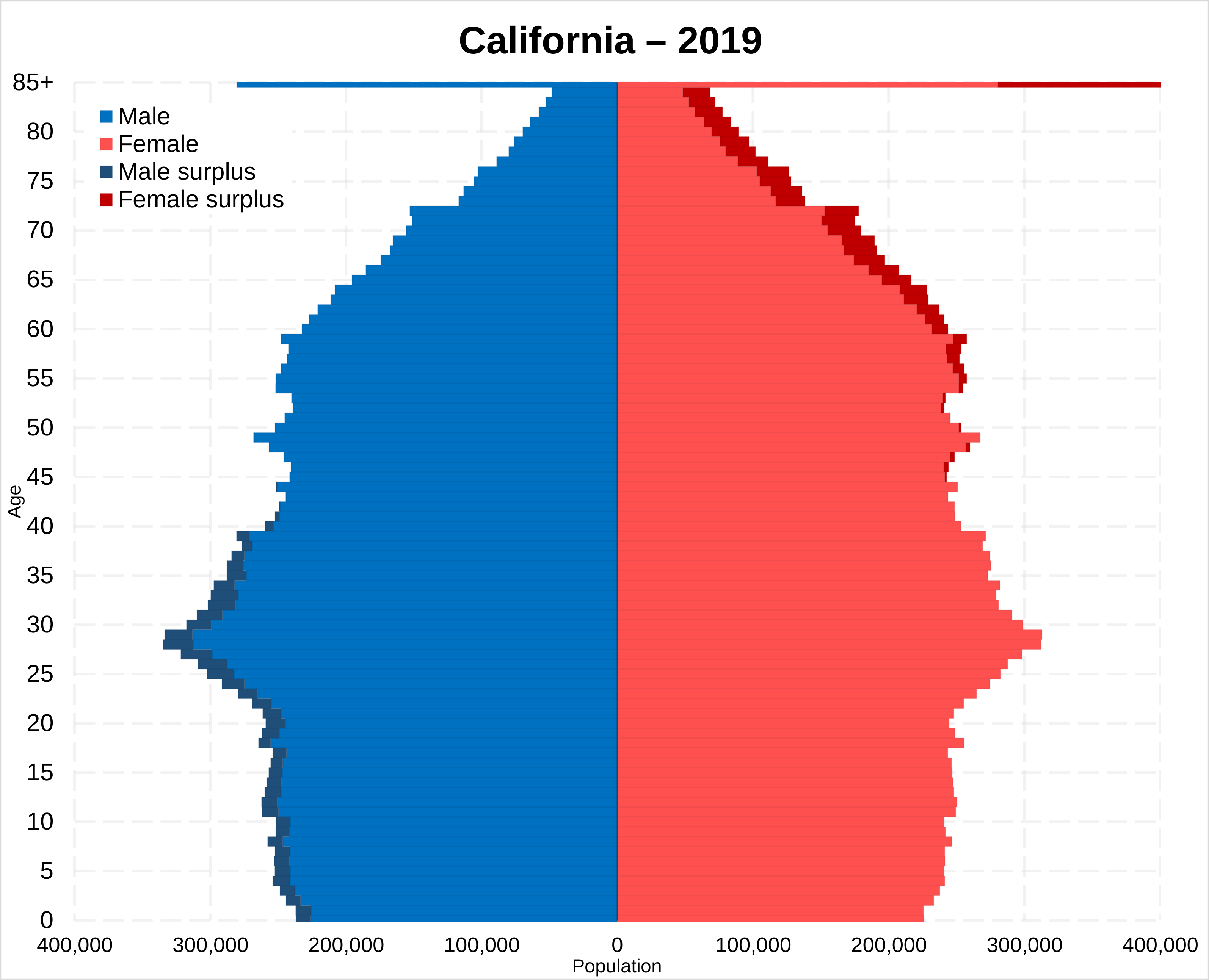
While official census data provides snapshots every ten years, annual estimates offer a more dynamic view of population changes. For 2024, estimates place California’s population at approximately 38.9 million people. This figure represents a slight decrease from its peak in 2020, primarily due to various socioeconomic factors influencing migration patterns. Despite this minor dip, the state remains a demographic powerhouse, with a population larger than that of many countries.
To put this into perspective for a global audience, imagine a population roughly equivalent to that of Canada or Poland residing within a single U.S. state. This sheer volume of people contributes to California’s immense cultural diversity, economic might, and its status as a significant global hub for tourism and innovation. For those planning a visit, understanding this vast demographic landscape helps appreciate the scale of its cities, the demand for hotels, and the sheer variety of experiences available.

Factors Shaping Demographic Shifts
The slight decline in California’s population from its pre-pandemic peak is attributed to several key factors, demonstrating the intricate push and pull of modern living. High cost of living, particularly housing, has been a significant driver of out-migration, with some residents moving to more affordable states. Economic opportunities, while abundant in sectors like technology in Silicon Valley or entertainment in Hollywood, often come with a substantial price tag, influencing individuals’ decisions on where to settle down or raise families.
Conversely, California continues to attract people from around the globe due to its vibrant job market in tech, entertainment, agriculture, and green energy, as well as its world-class educational institutions. The state’s unparalleled natural beauty, from the majestic Sierra Nevada mountains to the picturesque Pacific Coast Highway, also remains a powerful draw, offering a quality of lifestyle that many aspire to. Birth rates and death rates also play a role, with a general trend of lower birth rates observed across many developed regions. These shifting demographics impact everything from urban planning to the types of accommodations (e.g., more apartments versus single-family homes) and tourism experiences (e.g., demand for family trips vs. business stays) that are developed and promoted.
The Influence of Population on California’s Lifestyle and Economy
A population of nearly 39 million means a bustling, diverse, and dynamic environment. This massive human presence directly shapes the economy, defines local cultures, and influences the very fabric of daily life and travel within the state. From the innovative spirit of its tech hubs to the relaxed vibe of its beach towns, California’s population is its most defining characteristic.
Urban Centers: Hubs of Activity and Diversity
California’s population is heavily concentrated in its major metropolitan areas. Los Angeles County alone is home to over 10 million people, making it the most populous county in the United States. The Greater Los Angeles Area, encompassing cities like Long Beach, Anaheim, and Santa Monica, forms a vast urban sprawl teeming with diverse neighborhoods, cultural attractions, and an endless array of dining options. Similarly, the San Francisco Bay Area, including San Francisco, San Jose, and Oakland, is a densely populated region known for its tech industry, progressive culture, and iconic landmarks.
Further south, San Diego offers a more laid-back metropolitan experience with its beautiful beaches and vibrant Gaslamp Quarter. The state capital, Sacramento, and the agricultural hub of Fresno also contribute significantly to the state’s population distribution. Each of these urban centers, shaped by their residents, offers a unique lifestyle and a distinct appeal for visitors. The sheer diversity of these populations — a melting pot of cultures from across the globe — is evident in the local culture, festivals, and the incredibly varied food scenes found throughout the state. This cultural richness is a major draw for tourism, providing authentic experiences beyond standard tourist fare.
Implications for Travel and Tourism
The vast population of California has profound implications for its thriving travel and tourism industry. A large local population means a significant domestic tourism market, with Californians themselves frequently exploring their own state, creating demand for everything from weekend getaways to long-term stays in different regions. This internal demand helps sustain a wide array of attractions and businesses, ensuring year-round vibrancy.
For international and out-of-state visitors, the population density in popular destinations like Disneyland Park, Hollywood, or Fisherman’s Wharf in San Francisco means experiences can be bustling. Planning ahead for hotel bookings and attraction tickets, especially during peak seasons, becomes essential. The diversity of the population also translates into a rich array of tourism offerings. Visitors can delve into vibrant ethnic neighborhoods for authentic culinary journeys, discover unique art scenes, or participate in festivals that celebrate the state’s multicultural heritage. From luxury travel experiences in Napa Valley to budget travel options along the coast, the offerings are as varied as the people who call California home.
Navigating Accommodation and Landmarks in a Populous State
With almost 39 million residents, the logistics of providing accommodation and managing access to beloved landmarks are continuous undertakings. The demand for places to live and places to visit is immense, shaping the hospitality sector and conservation efforts across the state.
Hotel and Accommodation Trends
The vast population and constant flow of tourists make California a highly competitive market for hotels and accommodation. In major cities like Los Angeles, San Francisco, and San Diego, travelers can find everything from boutique hotels and luxury suites to budget-friendly motels and extended-stay apartments. The advent of short-term rental platforms has also flourished in California, offering visitors a chance to experience local lifestyles by staying in residential areas.
The high population density, particularly in coastal and urban regions, often means that accommodation prices can be higher than in other parts of the United States. This is especially true in popular tourist hubs like Beverly Hills, Malibu, or near major attractions like Universal Studios Hollywood. Travelers seeking value often consider staying slightly outside the most central areas or exploring lesser-known destinations. The competitive nature of the market also drives innovation in hotel amenities and guest experiences, ensuring a high standard of hospitality across various price points. Reviews and comparison tools become invaluable for making informed booking decisions.
Preserving and Experiencing California’s Landmarks
California is home to an incredible array of iconic landmarks, both natural and man-made. From the architectural marvel of the Golden Gate Bridge to the awe-inspiring beauty of Yosemite National Park, these sites are treasures cherished by residents and tourists alike. The large population, however, presents challenges for preservation and sustainable tourism.
Managing visitor flow to protect natural wonders like Lake Tahoe or the ancient trees of Big Sur requires careful planning and often involves reservation systems or limited access during peak times. Urban landmarks also experience high traffic, requiring robust infrastructure and ongoing maintenance. For travelers, understanding the impact of their visits and adhering to responsible tourism tips is vital for ensuring these sites can be enjoyed by future generations. Many landmarks also offer interpretive programs and guided tours that delve into their history and natural significance, enriching the visitor experience while promoting conservation awareness. Exploring options for off-peak travel can often provide a more serene experience at popular attractions like Death Valley National Park or the historic missions.
The Future of California’s Population and its Enduring Appeal
Looking ahead, California’s population narrative is expected to continue its dynamic evolution. While the state confronts challenges associated with high living costs and climate change, its fundamental allure as a place of opportunity, innovation, and diverse lifestyles remains strong.
Projections and Challenges
Demographic projections suggest that California’s population growth will likely remain modest in the coming years, with potential fluctuations depending on economic conditions and policy changes. The state is actively working on solutions to address housing affordability, improve infrastructure, and mitigate the impacts of climate change, all of which could influence future migration patterns. While the population may not grow at the explosive rates seen in past decades, it will remain substantial, maintaining California’s influence on the national and global stage.
Challenges such as water scarcity, wildfire management, and traffic congestion in metropolitan areas will continue to be significant concerns that require innovative solutions. For residents, this means adapting to a changing environment and participating in efforts to build more sustainable communities. For tourism, it means a continued focus on sustainable practices, promoting eco-friendly travel, and encouraging visitors to explore diverse destinations beyond the most overcrowded hotspots.
California’s Allure: A Lifestyle Destination
Despite the challenges of managing such a large population in a geographically diverse state, California’s appeal as a premier lifestyle destination is undeniable. It continues to attract those seeking an active outdoor lifestyle, from surfing in Huntington Beach to skiing in the Sierra Nevadas. Its cultural vibrancy, fueled by a diverse populace, offers an endless array of arts, music, and food experiences.
The state remains a global leader in innovation, providing opportunities and inspiration that draw people and businesses worldwide. For travelers, this translates into a destination that constantly reinvents itself, offering new attractions, culinary trends, and unique cultural insights. Whether one is planning a family trip to see the wonders of San Diego Zoo, a luxury getaway to Palm Springs, or an adventurous eco-tourism expedition into its national parks, California offers a rich tapestry of options. The sheer number of people living in California in 2024 is a testament to its enduring charm and its multifaceted identity as a place to live, work, and explore.