
Chicago, often referred to as the “Windy City,” is a bustling metropolis renowned for its stunning architecture, vibrant cultural scene, and a skyline that pierces the clouds. As a pivotal hub for travel, tourism, and lifestyle, understanding the demographic landscape of this magnificent city is crucial for both potential residents and visitors alike. When we ask, “How many people live in Chicago in 2024?”, we’re not just seeking a number; we’re unlocking insights into the city’s dynamic character, its economic pulse, and the myriad experiences it offers. The population figure is a foundational metric that influences everything from the availability of accommodation and the diversity of its food scene to the vitality of its famous landmarks and the unique lifestyle it affords.

For 2024, estimates place Chicago’s population within its city limits at approximately 2.6 to 2.7 million residents. This figure positions Chicago as the third-largest city in the United States, a testament to its enduring appeal and economic strength. However, to truly grasp the scale of its influence and the breadth of its offerings, one must also consider the broader metropolitan area. The Chicago metropolitan statistical area (MSA), which encompasses numerous surrounding suburbs and towns across parts of Illinois, Indiana, and Wisconsin, boasts a population exceeding 9 million people. This expansive reach significantly amplifies the city’s cultural melting pot, its economic footprint, and its draw as a prime destination for travel and tourism. This article will delve into what these numbers mean for those looking to explore, reside in, or simply understand the heart of the Midwest.
Chicago’s Dynamic Demographics: A Snapshot for 2024
The population of Chicago is not static; it’s a living, breathing entity shaped by births, deaths, and, significantly, migration patterns. These demographic shifts play a critical role in shaping the city’s character, influencing everything from urban planning to the types of businesses that thrive. Understanding these dynamics is key to appreciating Chicago’s evolving identity.
Understanding the Latest Population Figures
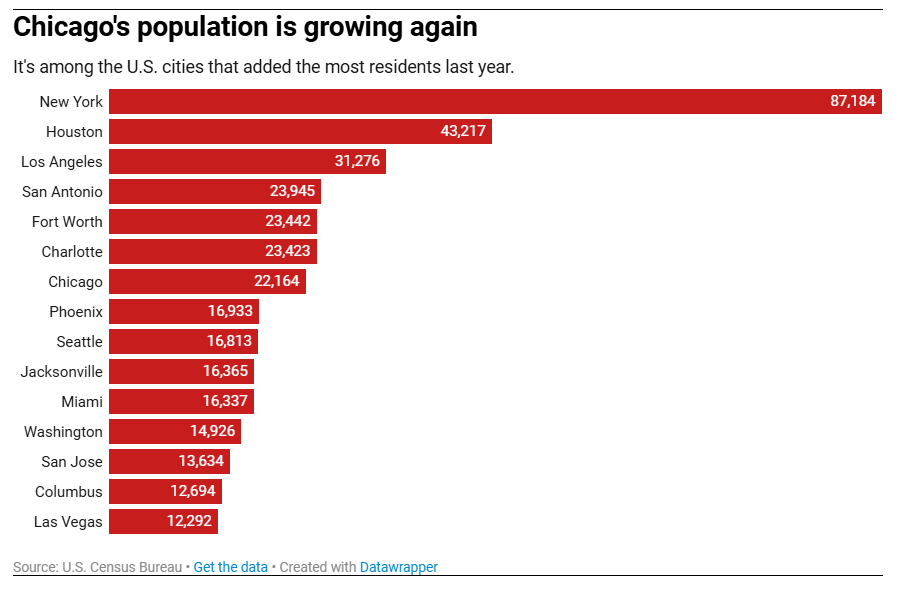
As of 2024, the city of Chicago proper continues to maintain its status as one of America’s largest urban centers. While exact real-time figures fluctuate, the current estimations hover around 2.66 million people. This number reflects a period of relatively stable population trends, with ongoing discussions about factors like suburbanization, gentrification, and internal migration within the United States. The city’s diverse population is a mosaic of various ethnic, racial, and socio-economic groups, each contributing to the rich tapestry that defines Chicago’s unique appeal. This diversity is not just a statistical point; it’s the engine behind the city’s renowned culinary scene, its world-class museums, and its vibrant arts and music festivals.
The stability or subtle changes in population are often influenced by economic opportunities, the cost of living, quality of life, and the city’s ability to attract and retain talent. Chicago’s robust job market, particularly in sectors like finance, technology, healthcare, and education, continues to draw individuals seeking professional growth. Moreover, its top-tier educational institutions, such as the University of Chicago and Northwestern University, attract students globally, many of whom decide to make Chicago their home post-graduation, further enriching its demographic profile.
The Metropolitan Area vs. City Proper
Distinguishing between the population of the city proper and its surrounding metropolitan area is vital for a comprehensive understanding of Chicago’s magnitude. While the city of Chicago is home to roughly 2.66 million residents, the greater Chicago metropolitan area, often referred to as Chicagoland, extends its reach significantly. This vast region includes numerous suburbs, exurbs, and even parts of neighboring states, bringing the total population to over 9.5 million people.
This distinction is particularly important for travel and tourism. Many attractions, business centers, and residential communities that contribute to the “Chicago experience” are situated within this broader metropolitan footprint. For instance, while downtown Chicago is the epicenter of many tourist activities, visitors often venture into charming suburban towns for unique shopping, dining, or cultural events. This expanded population base means a larger consumer market, a more diverse talent pool, and a greater overall economic impact, all of which contribute to Chicago’s status as a global city. For businesses, this translates to a massive potential customer base and a rich talent pool. For travelers, it means an extensive range of experiences, from the high-energy urban core to the quieter, family-friendly suburban landscapes, all easily accessible.
Population Impact on Chicago’s Travel and Tourism Landscape
The millions of people who call Chicago home, coupled with the influx of tourists, fundamentally shape its travel and tourism industry. From the diversity of its cultural offerings to the availability and type of accommodation, the city’s population is a silent, yet powerful, determinant of the visitor experience.
Vibrant Local Culture and Diverse Experiences
One of the most immediate and palpable impacts of Chicago’s diverse population is the richness of its local culture. The convergence of various ethnicities, backgrounds, and traditions has created a truly cosmopolitan atmosphere, evident in every facet of city life. This diversity is the bedrock of Chicago’s famed culinary scene, offering an incredible array of international cuisines that range from authentic deep-dish pizza and classic Chicago-style hot dogs to Michelin-starred dining experiences and bustling ethnic neighborhoods like Pilsen (Mexican), Argyle Street (Vietnamese), and Devon Avenue (Indian/Pakistani). Each area tells a story through its food, music, and local businesses, providing an immersive experience for any traveler.
Beyond food, the city’s population fuels its vibrant arts and entertainment landscape. The numerous theaters in the Theatre District, world-class institutions like the Art Institute of Chicago, and live music venues, from historic blues clubs to modern concert halls, thrive on the patronage of both residents and tourists. Festivals like Lollapalooza and the Taste of Chicago draw millions annually, showcasing the city’s celebratory spirit and its capacity to host large-scale events, all made possible by the collective energy of its inhabitants. This blend of local and global influences ensures that there’s always something new to discover, making Chicago a perpetual delight for the curious traveler.
Accommodation Demand and Availability
The substantial population of Chicago, coupled with its magnetic appeal as a tourist destination and business hub, significantly impacts the demand for and availability of accommodation. With millions of residents and tens of millions of visitors each year, the city’s lodging sector is robust and diverse. From luxurious five-star resorts to budget-friendly hostels and extended-stay apartments, Chicago caters to every type of traveler and long-term resident.
Major hotel chains like Marriott, Hilton, and Hyatt have a strong presence, particularly in areas like River North and the Magnificent Mile. Boutique hotels, such as The Peninsula Chicago or The Langham Chicago, offer unique, high-end experiences, often housed in architecturally significant buildings. For those seeking a home-away-from-home feel, serviced apartments and short-term rentals have become increasingly popular, especially for families or business travelers on extended stays. The sheer volume of people in the city ensures a constant demand, driving innovation and competition within the accommodation sector. Travelers are advised to book well in advance, especially during peak seasons or major convention dates, to secure their preferred lodging at competitive rates. The variety of options means that finding suitable accommodation in Chicago is not just about finding a bed, but about choosing an experience that complements your visit.
Lifestyle and Economic Vibrancy
The massive population of Chicago is inextricably linked to its vibrant lifestyle and robust economic health. A large, diverse population means a thriving job market, a constant influx of new ideas, and a dynamic consumer base. This translates into a city teeming with entrepreneurial spirit, world-class dining, shopping, and entertainment options that cater to a wide range of tastes and budgets. The economic opportunities available in Chicago are a significant draw for people across the United States and globally, contributing to its continuous growth and regeneration.
For residents, Chicago offers a quality of life that balances urban excitement with accessible green spaces like Lincoln Park and Millennium Park. The city’s extensive public transportation system, including the iconic ‘L’ train, ensures that its millions of residents can navigate the city with relative ease, connecting diverse neighborhoods and business districts. This connectivity is crucial for a metropolitan area of its size, fostering community and enabling the rich cultural exchanges that define the city. From luxury travel experiences along the Gold Coast to budget-friendly explorations of Wicker Park’s bohemian boutiques, the population dictates a need for a multifaceted lifestyle infrastructure that truly caters to everyone. Business stays are particularly common given Chicago’s status as a convention capital, with its hotels often equipped with comprehensive amenities to support the needs of corporate travelers.
Exploring Chicago’s Landmarks and Attractions through a Population Lens
Chicago’s iconic landmarks and diverse neighborhoods are not just architectural marvels or picturesque locales; they are vital spaces that resonate with the millions who interact with them daily. The city’s population profoundly influences how these sites are preserved, utilized, and experienced, creating a unique blend of historical reverence and contemporary vitality.
Iconic Landmarks and Their Significance to Residents and Visitors
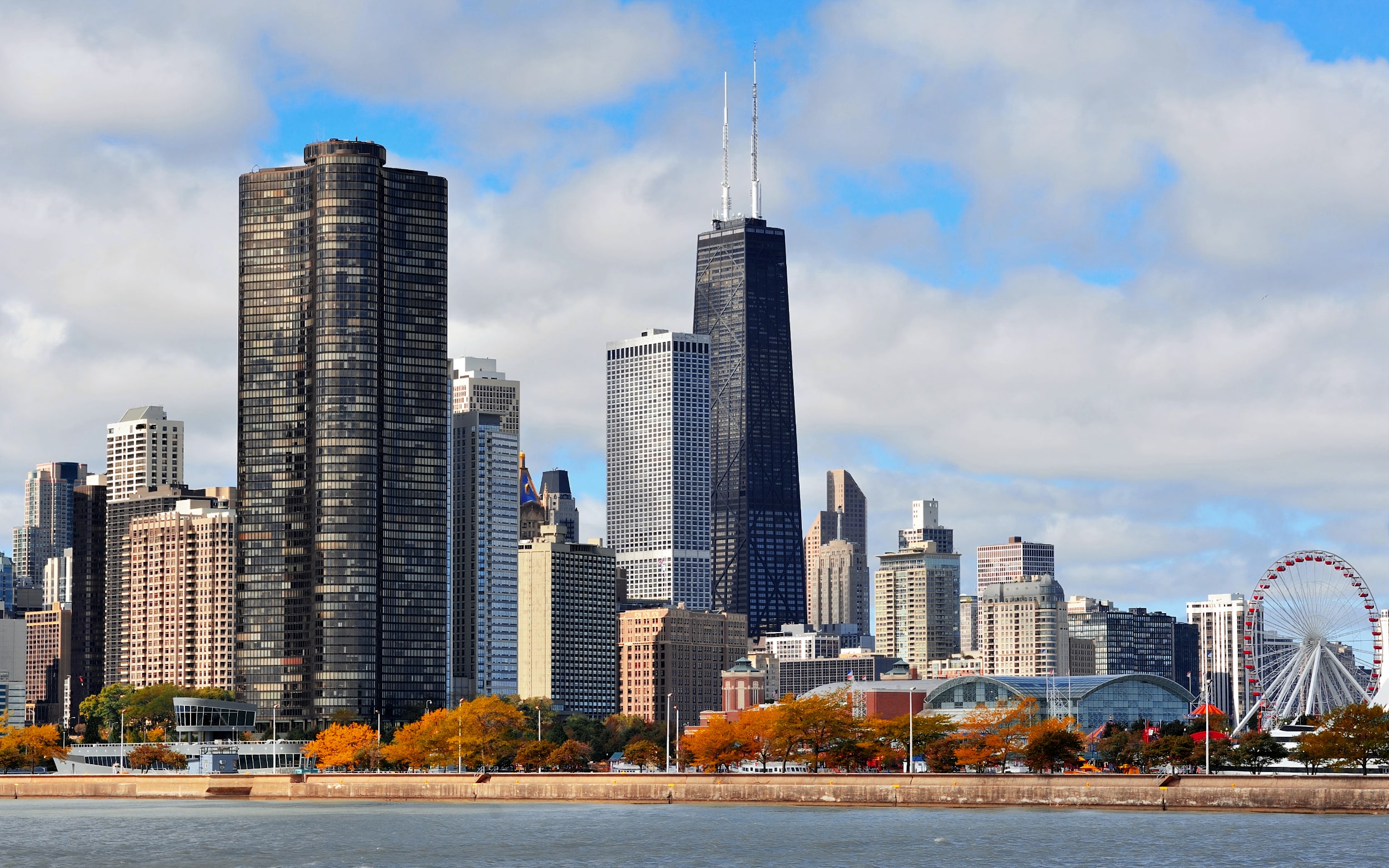
Chicago’s skyline is instantly recognizable, punctuated by architectural masterpieces that stand as testaments to its rich history and innovative spirit. Landmarks such as the Willis Tower (formerly Sears Tower), offering breathtaking panoramic views from its Skydeck, and Cloud Gate, affectionately known as “The Bean” in Millennium Park, are magnets for tourists. Yet, they also serve as beloved backdrops for local life, from lunchtime strolls to weekend family outings. The existence of a large local population ensures these sites remain relevant and integrated into daily urban life, preventing them from becoming mere historical artifacts.
Similarly, cultural institutions like the Shedd Aquarium, the Field Museum, and the Adler Planetarium, all nestled along the scenic Museum Campus, are frequented by both out-of-town visitors and generations of Chicagoans. These institutions rely on local support for membership, volunteering, and educational programs, which in turn enhance the visitor experience by fostering a sense of community ownership and pride. Navy Pier, with its Ferris wheel, shops, and restaurants, is another example of a landmark that seamlessly blends tourist appeal with local recreation, serving as a vibrant gathering place for millions throughout the year. The sheer volume of people ensures these landmarks remain bustling, dynamic spaces, continuously evolving to meet the needs and desires of their diverse audience.
Neighborhoods: The Heartbeat of Chicago’s Population
While the towering landmarks define Chicago’s silhouette, its numerous neighborhoods are where the true pulse of its population can be felt. Each neighborhood possesses a distinct personality, shaped by its residents, history, and unique blend of businesses and cultural institutions. From the historic brownstones and vibrant student life of Lincoln Park to the trendy boutiques and thriving nightlife of Wicker Park and Bucktown, these areas offer a microcosm of Chicago’s diversity.
The Gold Coast and Streeterville neighborhoods boast luxurious hotels, high-end shopping, and fine dining, catering to a sophisticated demographic and business travelers. Hyde Park, home to the University of Chicago and the Museum of Science and Industry, offers a blend of academic rigor, historical significance, and diverse community life. Even outside the immediate city center, neighborhoods like Andersonville with its Swedish roots, or Chinatown with its authentic Asian culture, demonstrate how communities have flourished and evolved thanks to the distinct populations that have settled there. Exploring these neighborhoods allows visitors to experience the true local culture, sample authentic cuisines, and discover hidden gems far removed from typical tourist trails, offering a deeper, more personal connection to the city.
Planning Your Chicago Visit: Leveraging Population Insights
Understanding Chicago’s population dynamics isn’t just an academic exercise; it’s a practical tool for planning an unforgettable trip. By anticipating how millions of residents and fellow travelers might impact your experience, you can optimize your itinerary, avoid unnecessary delays, and fully immerse yourself in all the city has to offer.
Navigating Busy Periods and Peak Seasons
With a metropolitan area exceeding 9 million people and tens of millions of tourists annually, Chicago can experience significant crowds, particularly during peak seasons. Summer, with its pleasant weather and numerous outdoor festivals like Lollapalooza and the Chicago Blues Festival, sees a surge in both local activity and tourism. Similarly, major conventions and trade shows can drastically increase demand for hotels and restaurants, leading to higher prices and fuller venues. Knowing this, savvy travelers might consider visiting during the shoulder seasons (spring or fall) when the weather is still agreeable, the crowds are thinner, and prices for flights and accommodation can be more favorable.
Even during peak times, strategizing your visits to popular attractions can make a big difference. Early morning or late afternoon visits often mean shorter lines at the Art Institute of Chicago or the Skydeck at Willis Tower. Making reservations for popular restaurants well in advance, especially for evening dining, is highly recommended. Leveraging Chicago’s efficient public transport system can also save time, allowing you to bypass traffic and parking challenges inherent in a city of this size.
Finding Your Perfect Accommodation
The sheer size and diversity of Chicago’s population directly contribute to the vast array of accommodation options available. Whether you’re seeking luxury travel experiences, a budget-friendly stay, or family-friendly resorts, Chicago has something to suit every preference and pocket. For those craving opulence, the Magnificent Mile and Gold Coast offer world-class hotels like The Langham Chicago or Four Seasons Hotel Chicago, known for their exquisite amenities and impeccable service. Business stays often gravitate towards hotels in the Loop or River North, providing convenient access to corporate offices and convention centers.
Budget travelers can find comfortable and stylish options in areas slightly outside the immediate downtown core, or explore hostels and guesthouses that offer great value. For longer stays or families, serviced apartments and vacation rentals, particularly in residential-leaning neighborhoods like Lincoln Park or Wicker Park, provide more space and a local living experience. When choosing accommodation, consider not only your budget and desired amenities but also the neighborhood’s character and its proximity to the attractions most important to your trip. Online booking platforms and reviews are invaluable tools for comparing options and ensuring your choice aligns with your travel style.
Immersive Cultural Experiences
With a population as diverse as Chicago’s, the opportunities for immersive cultural experiences are boundless. Beyond the major museums and landmarks, much of Chicago’s’s charm lies in its neighborhoods, each offering a distinct cultural flavor. Take the time to explore Pilsen for its vibrant street art and Mexican heritage, or delve into Andersonville for its unique Swedish history and thriving LGBTQ+ community. Attend a local jazz or blues show, catch a improv comedy performance at The Second City, or simply enjoy a leisurely stroll through one of the city’s many parks, observing local life unfold.
Engaging with the local food scene is another vital aspect of cultural immersion. Beyond the famous deep-dish pizza, sample dishes from the myriad of ethnic restaurants, visit farmers’ markets, or take a food tour that highlights the culinary diversity shaped by generations of immigrants. These experiences not only offer a taste of Chicago’s incredible gastronomy but also provide direct interactions with the city’s residents, offering authentic insights into their daily lives and traditions. The richness of Chicago’s population ensures that every corner you turn, every street you wander, holds the potential for a new and enriching cultural discovery.
In conclusion, Chicago in 2024 is more than just a city of millions; it is a vibrant ecosystem where its diverse population breathes life into its landmarks, shapes its unparalleled cultural scene, and dictates the rhythm of its tourism and lifestyle offerings. Whether you’re drawn by its architectural grandeur, its culinary delights, or its dynamic neighborhoods, understanding the people who call Chicago home is the first step towards truly experiencing this magnificent global destination.