
Florida, often dubbed the Sunshine State, has long captivated the imagination of people worldwide. Known for its pristine beaches, vibrant cities, and world-class theme parks, it’s a magnet for tourists and a dream destination for those seeking a new place to call home. But beyond the allure of its attractions and tropical climate lies a dynamic demographic story. In 2024, the question of “How many people live in Florida?” reveals not just a number, but a complex narrative of rapid growth, evolving lifestyles, and profound impacts on everything from the travel industry to urban development.
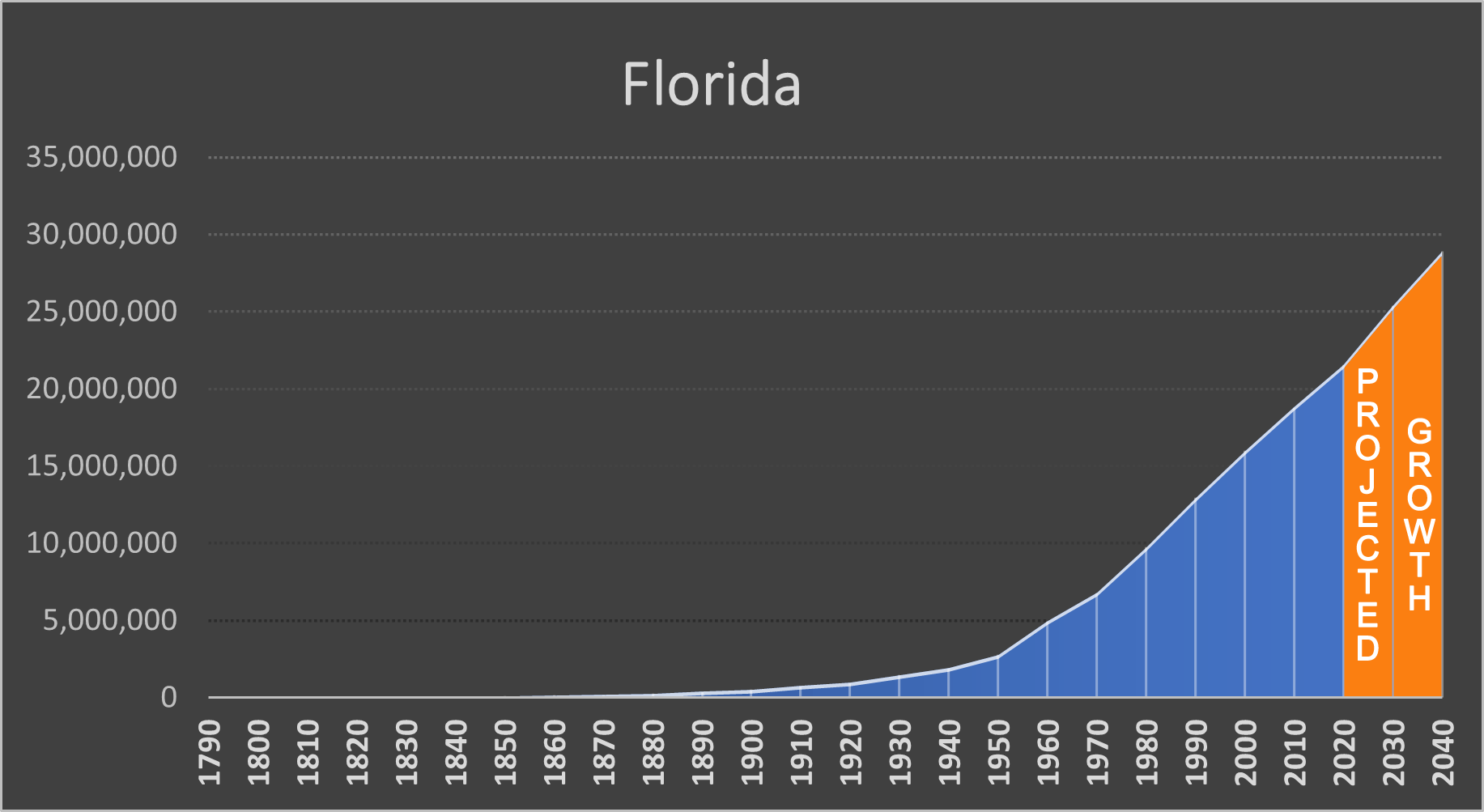
As of early 2024, projections place Florida’s population well over 22 million residents, solidifying its position as the third most populous state in the United States. This impressive figure reflects a continuing trend of robust population growth, with thousands of new residents arriving each week. This influx is reshaping the state’s identity, creating both exciting opportunities and significant challenges across all facets of life and industry. For anyone interested in travel, tourism, accommodation, or the very lifestyle of this unique state, understanding its demographic landscape is paramount.

Florida’s Ever-Growing Population: A Demographic Snapshot
Florida’s’s population surge isn’t a new phenomenon, but it continues at a pace that keeps demographers and urban planners on their toes. The state consistently ranks among the fastest-growing in the United States, a testament to its enduring appeal.
The Latest Figures and Growth Drivers
In 2024, the estimated population of Florida hovers around 22.8 million, with an annual growth rate that consistently outpaces the national average. This growth is driven by several powerful factors, creating a continuous migratory stream into the state. Foremost among these is the state’s desirable climate, offering year-round sunshine and mild winters that are particularly attractive to retirees and those looking to escape colder northern climates. Beyond the weather, Florida’s economic landscape plays a crucial role. Its business-friendly environment, coupled with no state income tax, acts as a significant draw for individuals and companies alike. Major metropolitan areas like Orlando, Miami, Tampa, and Jacksonville are booming with job opportunities in diverse sectors such as technology, healthcare, logistics, and, of course, tourism.
The allure of coastal living, combined with a relatively lower cost of living compared to other major coastal states, further fuels this migration. Many new residents are drawn by the promise of an active outdoor lifestyle, access to world-class beaches, and a vibrant cultural scene. Educational institutions also contribute, attracting students and faculty, who often choose to remain in the state after graduation. This continuous inflow of people from other U.S. states and international destinations ensures that Florida’s population continues its upward trajectory, making it a critical hub for economic activity and cultural exchange.
A Diverse Tapestry of Residents
The demographic profile of Florida in 2024 is as diverse and colorful as its landscape. While often associated with retirees, the state is experiencing a significant influx of younger families and professionals, contributing to a more balanced age distribution. This demographic shift is particularly noticeable in major urban centers and their surrounding suburbs, where new schools, parks, and family-oriented amenities are constantly being developed. The cultural tapestry is exceptionally rich, influenced by a long history of immigration, particularly from Latin America and the Caribbean. Cities like Miami are renowned for their vibrant multiculturalism, where Spanish is often spoken as widely as English, and the culinary and artistic scenes reflect a global heritage.
This diversity extends beyond national origin, encompassing a wide range of socioeconomic backgrounds, lifestyles, and interests. From luxury seekers in Palm Beach to eco-tourists exploring the Everglades National Park, and from bustling urban dwellers in Tampa to laid-back beach enthusiasts in Sarasota, Florida offers a myriad of living experiences. This blend of ages, cultures, and aspirations contributes to a dynamic social environment, constantly evolving and redefining the “Florida lifestyle.” It ensures that whether you’re looking for a quiet retirement haven or a fast-paced career opportunity, a diverse community awaits, adding depth and richness to the state’s character.
The Impact on Florida’s Tourism and Travel Landscape
The sheer number of people living in Florida in 2024 has a profound and multifaceted impact on its world-renowned tourism and travel sectors. A larger resident base not only means more internal tourism but also provides the infrastructure and support services necessary to sustain the massive influx of external visitors.
Fueling Demand for Destinations and Attractions
A growing local population serves as a crucial backbone for Florida’s tourism industry. Residents themselves are frequent visitors to the state’s numerous attractions, theme parks, natural wonders, and cultural sites. For instance, families living in Orlando might hold annual passes to Walt Disney World Resort or Universal Orlando Resort, contributing year-round revenue. Similarly, residents of Tampa might regularly visit Busch Gardens Tampa Bay or explore the nearby beaches of Clearwater Beach and St. Petersburg. This consistent local demand helps stabilize the industry during off-peak tourist seasons and supports local businesses that cater to both residents and visitors.
Furthermore, a larger population means a larger workforce, critical for staffing the vast array of hotels, restaurants, shops, and attractions that define Florida’s appeal. The state’s diverse residents also bring with them varied tastes and preferences, encouraging the development of new and niche attractions, from eco-tourism experiences in the Everglades National Park to burgeoning arts districts in cities like Sarasota. The cumulative effect is a robust ecosystem where local life and tourism are deeply intertwined, each feeding and strengthening the other, ensuring that Florida’s position as a premier global destination remains unchallenged. Iconic landmarks like the Kennedy Space Center Visitor Complex continue to attract a blend of curious residents and awe-struck international tourists, demonstrating this seamless integration.

Evolving Travel Experiences and Infrastructure
The sustained population growth in Florida necessitates continuous evolution in its travel experiences and infrastructure. To accommodate both residents and visitors, investments in transportation are paramount. Major airports like Orlando International Airport (MCO) and Miami International Airport (MIA) are constantly expanding and modernizing to handle increasing passenger volumes, serving as crucial gateways not just for domestic travel but also for international flights from Europe, Latin America, and Asia. Road networks are continually being upgraded and expanded to manage growing traffic, especially in major corridors connecting popular destinations along the Atlantic Coast and Gulf Coast.
Beyond infrastructure, the nature of travel experiences itself is diversifying. With a more diverse resident base, there’s a growing demand for a broader range of activities. This includes an increase in cultural tourism, with museums, art galleries, and performance venues thriving in cities like Fort Lauderdale and St. Petersburg. Adventure tourism, including kayaking, paddleboarding, and wildlife tours, is gaining traction, particularly in areas like the Florida Keys and around natural springs in Central Florida. The culinary scene, too, has exploded, with world-class restaurants and diverse ethnic eateries emerging to cater to sophisticated local palates and curious tourists. This ongoing adaptation ensures that Florida remains at the forefront of the travel industry, offering something for every type of traveler and resident.
Accommodation and Hospitality: Adapting to Demand
The rapid population increase, coupled with robust tourism, places immense pressure on Florida’s accommodation and hospitality sectors. Developers, hoteliers, and rental property owners are in a constant race to meet the escalating demand, leading to significant innovation and expansion.
The Booming Hotel and Resort Market
In 2024, Florida’s hotel and resort market is characterized by relentless growth and diversification. From opulent five-star resorts to budget-friendly chains, the landscape is expanding to cater to every segment of the traveler and resident market. Luxury brands like the Waldorf Astoria Orlando, The Breakers Palm Beach, and the Ritz-Carlton Orlando, Grande Lakes continue to flourish, offering high-end amenities and bespoke experiences for those seeking indulgence. These establishments are not just for tourists; they frequently host business conferences, weddings, and local events, becoming integral parts of the community. Mid-range and extended-stay hotels are also seeing significant development, particularly near business districts and growing suburban areas, serving corporate travelers, relocating families, and project-based workers.
The theme park corridors in Orlando remain a hotbed for hotel development, with properties such as the Four Seasons Resort Orlando at Walt Disney World Resort and Loews Portofino Bay Hotel at Universal Orlando Resort constantly innovating to attract families and vacationers. Boutique hotels are emerging in historic districts and cultural hubs, offering unique and personalized experiences that appeal to modern travelers seeking authentic local engagement. The competition is fierce, driving hotels to continuously upgrade their amenities, from enhanced wellness centers and innovative dining options to smart room technology and eco-friendly practices. This continuous investment ensures that Florida maintains its reputation for world-class hospitality, capable of welcoming millions with comfort and style.
The Rise of Alternative Accommodations
While traditional hotels continue to thrive, the growing population and evolving travel habits have also fueled the rapid expansion of alternative accommodation options. Vacation rentals, including entire homes, apartments, and villas available through platforms like Airbnb and Vrbo, have become incredibly popular. These options appeal to families, groups, and those seeking a more “local” experience, often providing more space, a kitchen, and a residential feel. Cities like Kissimmee near Orlando and coastal towns like Siesta Key are particularly popular for vacation home rentals, catering to tourists who prefer self-catering options.
For new residents or those on extended stays, long-term rentals and furnished apartments are in high demand. These options bridge the gap between temporary lodging and permanent housing, providing flexibility for individuals or families who are relocating, undertaking temporary work assignments, or simply exploring different areas of the state before committing to a purchase. The Margaritaville Resort Orlando even blends hotel amenities with private cottage rentals, showcasing an innovative hybrid approach. This diversification in the accommodation market reflects the diverse needs of Florida’s growing population and visitor base, ensuring that there’s a suitable lodging solution for every budget, duration, and preference.
Challenges and Innovations in the Sector
The booming hospitality sector in Florida isn’t without its challenges. One of the most significant is staffing. With such rapid growth, finding and retaining skilled labor for hotels, resorts, and vacation rentals has become a competitive endeavor. Properties are investing more in employee training, benefits, and workplace culture to attract and keep talent. Another critical challenge is sustainability. As tourism and population grow, the demand for resources and the environmental impact increase. Many hotels and resorts are adopting green practices, from energy-efficient systems and water conservation to waste reduction and local sourcing of food, aiming to protect Florida’s’s natural beauty that draws so many.
Innovation is key to overcoming these hurdles. Technology plays a massive role, with hotels implementing smart room controls, contactless check-ins, and AI-powered customer service to enhance efficiency and guest experience. The Hyatt Regency Orlando, for example, continually updates its technology to streamline operations. The design of new accommodations is also evolving, focusing on multi-functional spaces, wellness amenities, and integrating local culture into the guest experience. Furthermore, destination marketing organizations are working closely with local communities to manage growth responsibly, promoting off-peak travel and highlighting lesser-known areas to distribute tourist traffic more evenly. Through these innovations and strategic planning, Florida’s accommodation sector continues to adapt and thrive in a landscape defined by continuous expansion.
Lifestyle and Community: The Florida Way of Life in 2024
With over 22 million residents, the “Florida lifestyle” in 2024 is more varied and dynamic than ever before. It’s a mosaic of different experiences, shaped by regional characteristics, cultural influences, and individual choices.
From Beaches to Urban Hubs: Diverse Lifestyles
The sheer scale of Florida’s population means that it encompasses a vast spectrum of lifestyles. Along the Gulf Coast and Atlantic Coast, the quintessential beach lifestyle prevails, with towns like Clearwater Beach and Daytona Beach offering endless opportunities for sunbathing, swimming, and water sports. These areas often blend laid-back charm with vibrant beachfront entertainment. In contrast, major urban centers such as Miami, Orlando, and Tampa buzz with metropolitan energy, offering sophisticated dining, thriving arts scenes, and bustling nightlife. These cities are magnets for young professionals and diverse families, providing ample career opportunities and a cosmopolitan atmosphere.
South Florida is often associated with luxury living, golf courses, and yachting, while Central Florida is family-centric, revolving around theme parks and suburban comforts. North Florida, with its more traditional Southern charm and proximity to the Georgia border, offers a different pace of life, often centered around outdoor recreation and historical sites in cities like Tallahassee and Jacksonville. The Florida Keys, with Key West at its tip, cultivate a unique, bohemian, and relaxed island culture. This geographical and cultural diversity means that residents can truly choose a lifestyle that resonates with them, whether it’s the quiet solitude of a fishing village, the vibrant pulse of a major city, or the planned community feel of a retirement haven.
Cultural Enrichment and Culinary Scene
One of the most exciting outcomes of Florida’s’s burgeoning population is the incredible cultural enrichment it brings. With residents hailing from all corners of the United States and countries like Mexico, Cuba (not in list, but implied by Miami), Colombia (not in list), and beyond, the state has become a true melting pot of traditions, languages, and artistic expressions. This diversity is most palpable in the state’s burgeoning culinary scene. From authentic Cuban sandwiches in Miami to fresh seafood shacks on the Gulf Coast, and from upscale farm-to-table restaurants in Orlando to vibrant street food festivals in Tampa, Florida offers an epicurean journey for every palate. The state’s food festivals, farmers’ markets, and diverse restaurant offerings reflect this rich tapestry of cultures, making dining out an adventure in itself.
Beyond food, the arts and entertainment landscape has flourished. Museums, theaters, and music venues across the state host international acts and showcase local talent. Art Basel in Miami is a global event, while smaller galleries and art walks in cities like St. Petersburg foster local artistic communities. Major sporting events, from professional football, basketball, and hockey to NASCAR races in Daytona Beach, provide entertainment for passionate fans. This vibrant cultural ecosystem ensures that residents always have access to a rich array of activities, fostering a sense of community and providing endless opportunities for exploration and engagement, further solidifying Florida’s reputation as a dynamic place to live and visit.
Balancing Growth with Preservation
The rapid population growth in Florida also brings significant challenges, particularly concerning urban planning, resource management, and environmental preservation. Ensuring that new infrastructure — housing, roads, schools, and utilities — can keep pace with demand is a constant balancing act. Maintaining affordable housing is another critical issue, as property values and rental costs often rise with increased population density. Urban planners are increasingly focused on smart growth initiatives, promoting mixed-use developments, public transportation, and walkable communities to manage expansion sustainably.
Environmental preservation is perhaps the most pressing concern. Florida’s’s unique ecosystems, from the Everglades National Park to its fragile coral reefs and pristine beaches, are under constant pressure from development and increased human activity. Conservation efforts are crucial, including protecting natural habitats, managing water resources, and preparing for the impacts of climate change, such as rising sea levels. State and local governments, along with numerous environmental organizations, are working diligently to implement policies that balance economic development with ecological responsibility. The goal is to preserve the natural beauty and ecological diversity that makes Florida so special, ensuring that future generations can enjoy the same quality of life and access to natural wonders that attract so many to the state today. This commitment to sustainable growth is vital for maintaining the enduring appeal of the Sunshine State.
In conclusion, the question of “How many people live in Florida 2024?” goes far beyond a simple statistic. The answer — over 22 million and steadily rising — encapsulates a narrative of a state in perpetual motion, continually redefining itself. This population boom is the driving force behind Florida’s’s dynamic travel and tourism industries, its evolving accommodation landscape, and the rich, diverse lifestyles enjoyed by its residents. While presenting challenges, particularly in infrastructure and environmental stewardship, Florida’s resilience and innovative spirit ensure its continued prominence as a leading destination for both living and leisure. From the bustling streets of Miami to the tranquil shores of the Gulf Coast, the Sunshine State remains a vibrant, expanding hub of opportunity and exploration.
LifeOutOfTheBox is a participant in the Amazon Services LLC Associates Program, an affiliate advertising program designed to provide a means for sites to earn advertising fees by advertising and linking to Amazon.com. Amazon, the Amazon logo, AmazonSupply, and the AmazonSupply logo are trademarks of Amazon.com, Inc. or its affiliates. As an Amazon Associate we earn affiliate commissions from qualifying purchases.