
Los Angeles, often simply referred to as L.A., is a sprawling metropolis that embodies the quintessential Californian dream for millions. From its sun-kissed beaches to its towering skyscrapers, the city of angels is a vibrant tapestry of cultures, industries, and dreams. For anyone planning to visit this iconic destination, understanding its sheer scale, particularly its population, is not just a statistical curiosity but a crucial factor that shapes every aspect of the travel experience – from navigating its famous attractions to finding the perfect accommodation.
The question of “how many people live in Los Angeles City?” is more complex than it first appears, as there’s a significant difference between the population of the City of Los Angeles itself, Los Angeles County, and the broader Greater Los Angeles metropolitan area. Each figure tells a different story about the region’s vastness and the incredible density of life within its bounds. As a hub for travel, tourism, and diverse lifestyles, L.A.’s population directly influences everything from the availability of hotel suites and resorts to the local culture, the bustle of its landmarks, and the unique experiences it offers.
Unpacking Los Angeles’ Population Figures
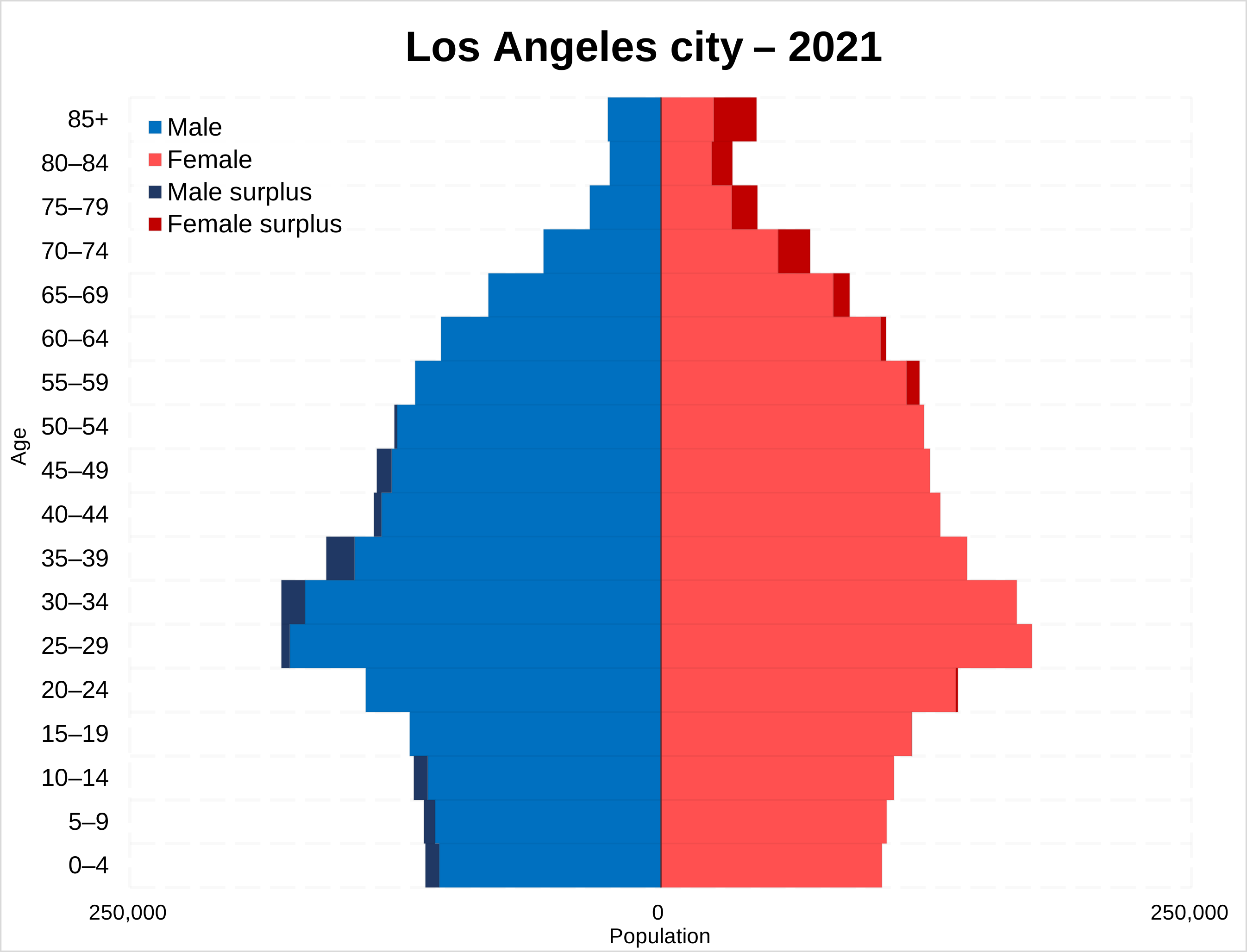
Delving into the demographics of Los Angeles requires a nuanced approach, acknowledging the distinct geographical and administrative boundaries that define its population. For travelers, these figures paint a picture of the city’s scale, helping to set expectations for everything from traffic congestion to the sheer variety of local culture and activities available.
The City of Los Angeles: A Megacity in Its Own Right
The City of Los Angeles proper is the second-most populous city in the United States, a testament to its enduring appeal and economic prowess. As of the most recent estimates (around 2023-2024, based on 2020 Census data projections), the population within the city limits hovers around 3.8 to 3.9 million people. This makes it a monumental urban center, a true megacity by global standards. This impressive number means that within its boundaries, visitors will find an endless array of attractions, from the glitz of Hollywood to the artistic enclaves of Downtown Los Angeles, each district contributing to the city’s vibrant pulse. The density creates a dynamic environment where diverse communities thrive, offering a rich tapestry of food, music, and art.
This core population density translates into a competitive market for accommodation. Whether you’re seeking luxury travel experiences in a five-star hotel or searching for budget travel options like cozy apartments or boutique hotels, the sheer number of residents and visitors means that early booking is often advisable.
Los Angeles County and the Broader Metropolitan Area: A Sprawling Urban Tapestry
While the city proper is significant, it’s merely one piece of a much larger puzzle. Los Angeles County is by far the most populous county in the United States, encompassing not only the City of Los Angeles but also 87 other incorporated cities and numerous unincorporated areas. The population of Los Angeles County is a staggering 10 million people. This colossal figure makes it larger than many U.S. states and several countries.
Expanding even further, the Greater Los Angeles metropolitan area, which includes Orange County, Riverside County, San Bernardino County, and Ventura County, boasts a total population exceeding 18 million individuals. This vast urban sprawl is one of the largest economic, cultural, and demographic regions on the planet.
For travelers, understanding this distinction is key. When people speak of “L.A.,” they often colloquially refer to the entire county or even the metropolitan area, which includes iconic destinations like Anaheim (home to Disneyland Resort), the pristine beaches of Malibu, and the serene beauty of the San Gabriel Mountains. This enormous population base fuels a ceaseless demand for tourism activities, dining experiences, and accommodation options, from luxurious villas to family-friendly resorts with extensive amenities. The sheer number of people also means a highly competitive job market, drawing talent globally and contributing to the incredible diversity of the region.
The Dynamics of Los Angeles’ Population: Growth, Migration, and Influence
The population of Los Angeles is not static; it’s a living, breathing entity that evolves with national and global trends. Understanding the factors that drive its growth and shifts provides deeper insights into the city’s character and the experiences it offers.
Factors Influencing Los Angeles’ Population Trends
Los Angeles’ population growth has historically been fueled by a blend of natural increase and, more significantly, migration. The city’s allure as a global center for entertainment, technology, trade, and education draws people from all corners of the United States and the world. Key industries like film and television, digital media, aerospace, and international trade create a powerful magnet for professionals seeking opportunities. This constant influx of talent and ambition reinforces Los Angeles’ status as a premier destination for business stays and career development.
However, recent years have also seen a shift in these dynamics. While Los Angeles continues to attract many, factors such as the high cost of living, particularly housing, and persistent traffic congestion have led to out-migration for some residents seeking more affordable locales or a different quality of life. This ebb and flow of people continuously reshapes the city’s demographics and impacts its infrastructure planning, from public transportation networks like METRO to housing developments. The constant need for urban planning and development directly affects the landscape of accommodation and the availability of diverse housing types for long-term stays, which can influence where visitors choose to base themselves for extended visits.
How Population Shapes Urban Life and Infrastructure
The immense population of Los Angeles profoundly impacts its urban fabric. Traffic is legendary, a direct consequence of millions of people moving across a vast metropolitan area daily. This reality makes careful planning for travel and transportation essential for visitors. Utilizing ride-shares, public transport, or strategically choosing accommodations near desired attractions can significantly enhance the experience.
Beyond traffic, the population drives the need for extensive public services, utilities, and infrastructure projects. The city is a mosaic of distinct neighborhoods, each with its own character, amenities, and community services, from the vibrant Koreatown to the historic Chinatown and the artistic energy of Venice Beach. This urban sprawl and density also contribute to the incredible variety of experiences available, from world-class museums like the Getty Center to bustling farmers’ markets and serene parks such as Griffith Park. Each neighborhood offers a unique perspective on L.A. life, reflecting the city’s diverse inhabitants and their contributions to its identity.
Los Angeles’ Diverse Demographics: A Melting Pot of Cultures
One of the most defining characteristics of Los Angeles, directly attributable to its vast population, is its incredible cultural diversity. It is truly a global city, where more than 100 languages are spoken and communities from every corner of the world contribute to its unique character.
A Global Tapestry: Cultures and Communities
Los Angeles is celebrated as one of the most ethnically diverse cities in the world. This demographic richness is not just a statistic; it’s a palpable force that shapes the city’s identity, making it an unparalleled destination for travelers seeking authentic cultural experiences. From the vibrant street life and culinary delights of Little Ethiopia to the historic charm of Olvera Street, the city offers a passport to global exploration without ever leaving its borders.
The presence of diverse communities fuels a phenomenal culinary scene, with authentic food from virtually every country imaginable. It also means a calendar packed with cultural festivals, parades, and events that showcase traditions from around the globe, providing unique activities for both residents and visitors. This vibrant cultural exchange is a core aspect of Los Angeles” allure, making it a rich environment for exploring new perspectives and enjoying a truly global lifestyle. The variety extends to shopping, entertainment, and even the architecture found in different districts, each telling a story of migration and settlement.
Economic and Social Implications of Diversity
The diverse population of Los Angeles is not just a cultural asset; it’s a significant economic driver. The city’s multicultural workforce brings a wide array of skills, languages, and entrepreneurial spirit, fostering innovation and economic growth across various sectors. This diversity also enriches the tourism sector, as visitors are drawn to explore the unique offerings of its many distinct neighborhoods.
Socially, the city’s vastness and diversity create a dynamic environment where different communities coexist and interact, though sometimes in their own enclaves. This complex social fabric contributes to a wide range of urban experiences, from bustling community markets to quiet, historic residential areas. For visitors, engaging with this diversity, perhaps through guided local culture tours or by simply exploring different neighborhoods, offers a much deeper understanding of the city beyond its famous landmarks like the Hollywood Walk of Fame or Universal Studios Hollywood.
Planning Your Los Angeles Visit: Navigating a Bustling Metropolis
For prospective travelers, understanding the scale of Los Angeles” population is paramount to planning a successful trip. It influences everything from how you get around to where you stay and what you can expect from the atmosphere.
Travel Tips for a Populous Destination
Given the millions of people who call Los Angeles home and the additional millions who visit annually, strategic planning is essential.
- Transportation: While public transport options like the METRO Rail and Bus system are expanding, many visitors still opt for rental cars or ride-sharing services. Be prepared for traffic, especially during peak hours, and factor in extra travel time between destinations. Utilizing navigation apps with real-time traffic updates is highly recommended.
- Timing Your Visit: Consider visiting during off-peak seasons (e.g., late fall or early spring) to avoid the largest crowds at popular attractions like Santa Monica Pier or Griffith Observatory, though Los Angeles’ is generally bustling year-round.
- Booking in Advance: For popular tours, dining experiences at sought-after restaurants, and especially for accommodation, securing your plans well in advance is a crucial travel tip. This ensures availability and often better pricing, particularly for unique suites or resorts with specific amenities like a rooftop pool or ocean views.
These guides help ensure that the city’s population doesn’t overwhelm your visit, allowing you to focus on the myriad of experiences rather than logistical challenges.
Accommodation Choices Amidst High Demand
The robust population and steady stream of visitors mean that Los Angeles offers an incredibly diverse range of accommodation options to suit every preference and budget.
- Hotels and Resorts: From iconic luxury hotels in Beverly Hills like the Beverly Wilshire, A Four Seasons Hotel to more budget-friendly hotels near LAX, the choices are extensive. Many resorts offer comprehensive amenities catering to family trips or business stays.
- Apartments and Villas: For those seeking a more authentic local experience, long-term stay apartments or vacation villas are popular, especially in areas like West Hollywood or Santa Monica. These options often come with kitchen facilities, providing greater flexibility and a home-away-from-home feel.
- Booking and Reviews: Utilizing online booking platforms and checking reviews are vital steps. Given the scale of the city, comparing options (comparison) for location, price, and specific amenities will help travelers find the perfect match for their travel style. Whether it’s a luxury hotel for a special occasion or a cozy guesthouse for a more intimate experience, the options are as diverse as the city’s population itself.
In conclusion, the question of “how many people live in Los Angeles City?” reveals a tale of immense scale and dynamic growth. With millions within its city limits and tens of millions in the broader metropolitan area, Los Angeles stands as a testament to urban vibrancy. This massive population is not just a number; it’s the engine that drives its diverse culture, fuels its economy, shapes its urban landscape, and defines the unique character of its travel destinations and tourism experiences. By understanding this fundamental aspect of the city, visitors can better prepare to immerse themselves in all the wonders that the City of Angels has to offer, from its famous places and history to its breathtaking nature and unparalleled lifestyle.
LifeOutOfTheBox is a participant in the Amazon Services LLC Associates Program, an affiliate advertising program designed to provide a means for sites to earn advertising fees by advertising and linking to Amazon.com. Amazon, the Amazon logo, AmazonSupply, and the AmazonSupply logo are trademarks of Amazon.com, Inc. or its affiliates. As an Amazon Associate we earn affiliate commissions from qualifying purchases.