
Louisiana, often referred to as the Pelican State, is a vibrant tapestry of cultures, histories, and natural beauty. From the bustling streets of New Orleans to the serene bayous of Cajun Country, the state offers an unparalleled array of experiences for residents and visitors alike. But behind the allure of its unique charm lies a fundamental question that shapes its identity, economy, and infrastructure: How many people call Louisiana home? Understanding the population dynamics of Louisiana is not merely a statistical exercise; it’s a deep dive into the forces that drive its travel industry, define its tourism appeal, influence its accommodation sector, and craft its distinctive lifestyle.
As of recent estimates, the population of Louisiana hovers around 4.6 million people. This figure, while seemingly static, is a dynamic representation of continuous shifts, influenced by births, deaths, internal migration, and even external events like natural disasters. For travelers and those interested in the diverse offerings of the state, these population figures and their distribution are crucial. They dictate where the vibrant cultural centers are, where demand for hotels and resorts is highest, and where unique local experiences can be most authentically discovered. This article will explore the demographic landscape of Louisiana, delving into its distribution, trends, and the profound ways in which its human inhabitants shape its appeal as a prime destination for travel, tourism, and distinct lifestyles.
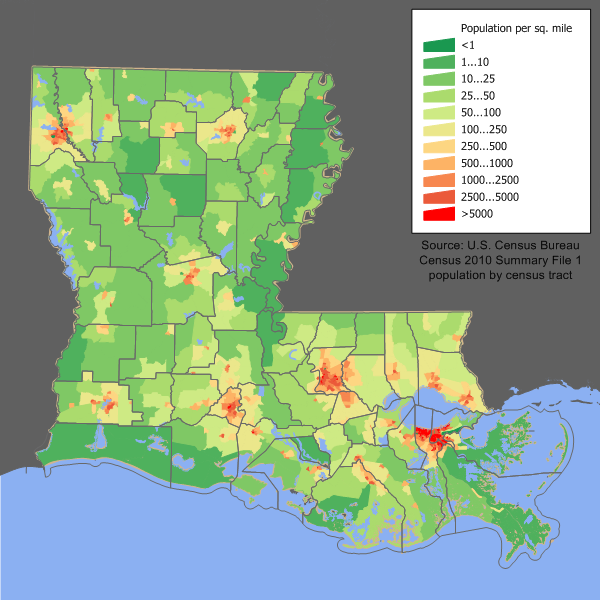
The Demographic Heartbeat of the Pelican State: Current Population and Distribution
Louisiana’s population of approximately 4.6 million places it in the middle tier of U.S. states by population size. However, the raw number tells only part of the story. The true essence of Louisiana’s demography lies in how these millions are distributed across its diverse parishes and regions, creating distinct cultural and economic hubs. This distribution significantly influences everything from the availability of local food experiences to the type of accommodation travelers can expect to find.
Key Demographic Trends and Figures Shaping Louisiana
Over the past few decades, Louisiana has experienced fluctuating population trends. While there have been periods of modest growth, the state has also faced challenges such as out-migration, particularly following major natural disasters like Hurricane Katrina in 2005, which significantly impacted the population of New Orleans. More recently, population growth has been slow, with some urban centers experiencing modest gains while certain rural areas see declines. The overall population remains relatively stable, but a closer look reveals interesting internal shifts.
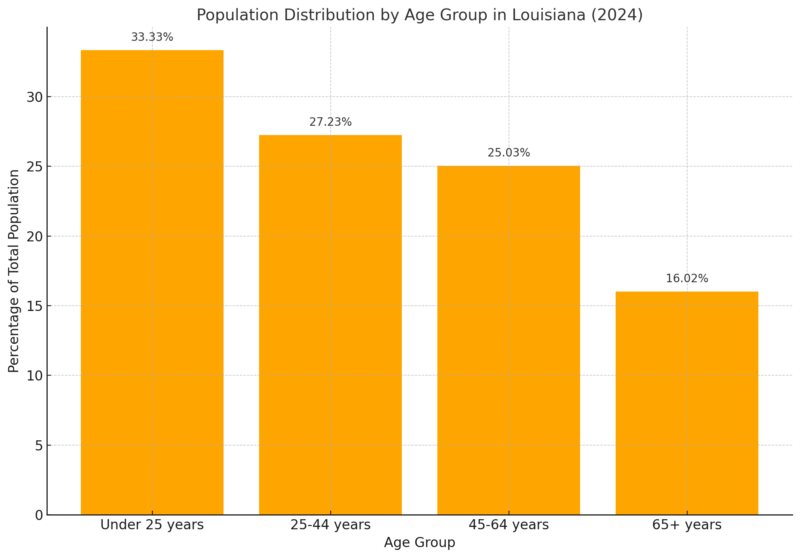
The state’s population is characterized by a rich ethnic and cultural diversity, a legacy of its French, Spanish, African, and Native American roots. This cultural mosaic is particularly evident in the unique traditions, music, and culinary scene that define Louisiana. An aging population in some areas, coupled with a younger demographic concentrating in university towns and major cities, also plays a role in shaping local economies and the services demanded, including those within the hospitality and travel sectors. Understanding these underlying demographic currents is essential for anyone seeking to truly grasp the character of Louisiana.
Population Distribution Across Louisiana’s Parishes
The vast majority of Louisiana’s population is concentrated in a handful of key metropolitan areas and their surrounding parishes. These urban centers act as gravitational pulls for residents seeking employment, education, and cultural amenities, and consequently, they are also the primary magnets for tourists.
- New Orleans Metropolitan Area: The most populous city and metropolitan area, New Orleans (primarily Orleans Parish, along with surrounding Jefferson Parish and St. Tammany Parish), is home to roughly one-quarter of the state’s total population. This dense concentration fuels its world-renowned tourism industry, creating a high demand for a vast array of hotels, resorts, and unique accommodation options, from historic boutique hotels in the French Quarter to modern suites in the Central Business District. The vibrant local culture, driven by its large resident population, ensures an endless calendar of festivals, live music, and culinary delights that attract millions of visitors annually.
- Baton Rouge Metropolitan Area: As the state capital and home to Louisiana State University (LSU), Baton Rouge (East Baton Rouge Parish) is the second-largest population center. Its population base supports a robust business travel sector and a growing leisure tourism market, focusing on its historical sites, museums, and collegiate sports culture. Accommodation in Baton Rouge caters to both business travelers and families, offering a mix of corporate hotels, budget-friendly options, and some upscale resorts.
- Shreveport-Bossier City Metropolitan Area: Located in Northwest Louisiana, this twin-city region (Caddo Parish and Bossier Parish) serves as a commercial and cultural hub for the Ark-La-Tex region. Its population supports a significant casino and entertainment industry, drawing visitors from neighboring states. Hotels here often feature extensive amenities catering to entertainment-seekers and convention attendees.
- Lafayette Metropolitan Area: Situated in the heart of Cajun Country, Lafayette (Lafayette Parish) is a crucial center for the state’s oil and gas industry, but more importantly for tourism, it is the epicenter of Cajun and Creole culture. Its resident population actively preserves and promotes its unique heritage, making it an authentic destination for food, music, and cultural experiences. The demand for accommodation in Lafayette ranges from comfortable hotels to charming bed and breakfasts that immerse guests in the local ambiance.
- Lake Charles Metropolitan Area: In Southwest Louisiana (Calcasieu Parish), Lake Charles is another key player in the energy sector and has a burgeoning casino resort industry. Its population supports both industrial needs and a growing tourism sector, with major resorts offering luxury amenities and entertainment.
Beyond these major urban centers, Louisiana’s population is distributed in smaller towns and rural areas, each contributing to the state’s rich tapestry. These areas, while less dense, often offer unique attractions, from historic plantations like Oak Alley Plantation and Myrtles Plantation along the Mississippi River to the natural wonders of the Atchafalaya Basin, which appeal to niche travelers seeking tranquility, history, or ecological adventures.
Population’s Influence on Travel and Tourism in the Pelican State
The sheer number and distribution of people in Louisiana have a profound and multifaceted impact on its travel and tourism industry. From defining popular destinations to shaping local culture and the economic landscape, the resident population is an invisible hand guiding the tourist experience.
Urban Hubs: Magnets for Visitors and Cultural Centers
It’s no coincidence that Louisiana’s most populous areas are also its most visited. Cities like New Orleans, Baton Rouge, and Lafayette concentrate cultural institutions, entertainment venues, culinary talent, and historical landmarks. The large resident populations in these cities sustain a vibrant arts scene, a diverse restaurant industry, and the infrastructure necessary to host major events and festivals, such as Mardi Gras and the New Orleans Jazz & Heritage Festival, which draw millions of visitors globally.
In New Orleans, for example, the resident population’s dedication to preserving its unique Creole and Cajun heritage, jazz music traditions, and distinct architectural styles (like those found in the French Quarter and Garden District) is what makes it such a compelling destination. The daily lives of its people, their customs, and their resilience contribute directly to the “authentic” experience travelers seek. Similarly, Lafayette’s population, largely descended from Acadian exiles, keeps the Cajun language, music (Zydeco and Cajun genres), and culinary traditions alive, offering visitors an immersive cultural journey.
Regional Variations: From Cajun Country to Northern Louisiana
The diverse population groups across Louisiana create distinct regional tourism offerings. Southwest Louisiana is defined by its strong Cajun and Creole roots, manifested in swamp tours, delicious seafood boils, and lively dance halls (fais do-dos). Central and Northern Louisiana, with different historical influences, offer experiences focused more on Southern charm, antebellum history, and outdoor activities around lakes and forests.
The varying population densities also play a role. In densely packed urban areas, tourism can be a fast-paced, high-energy experience, with a multitude of options within a small radius. In contrast, less populated rural areas often provide a more serene, slower-paced travel experience, emphasizing nature, historical sites, and intimate local encounters. For instance, visiting the Tabasco Factory on Avery Island offers a glimpse into a very specific, localized industry deeply tied to the land and a smaller community. These regional differences, directly attributable to the composition and distribution of the resident population, allow Louisiana to cater to a broad spectrum of traveler preferences, from adventurous foodies to history buffs and nature lovers.
The Economic Impact of Population and Visitors
The synergy between Louisiana’s resident population and its visitor numbers is a cornerstone of the state’s economy. Tourism is a multi-billion dollar industry in Louisiana, supporting hundreds of thousands of jobs and generating significant tax revenue. The resident population provides the workforce for hotels, restaurants, attractions, and tour operators, ensuring that the infrastructure and services are in place to accommodate tourists. Moreover, the local population’s demand for certain services and amenities (e.g., public transport, parks, cultural venues) often benefits tourists as well, enhancing their overall experience.
A strong local population base creates a stable market for businesses, which in turn fosters growth and innovation within the tourism sector. This includes the development of new attractions, the expansion of existing facilities, and the creation of unique experiences that entice repeat visitors. The ongoing interaction between residents and visitors also leads to a dynamic exchange of ideas, helping to keep Louisiana’s culture vibrant and accessible.
Accommodation and Lifestyle: Catering to Louisiana’s Residents and Visitors
The diverse population of Louisiana, combined with the influx of tourists, creates a multifaceted demand for accommodation and shapes various lifestyle choices. From luxury resorts to budget-friendly stays, the hospitality sector in Louisiana is finely tuned to cater to this broad spectrum.
Diverse Accommodation Options Driven by Demographics
The type and availability of accommodation in Louisiana are directly influenced by where people live and where visitors choose to go. In high-density areas like New Orleans, the demand is incredibly varied. Here, one can find opulent, historic hotels such as The Roosevelt New Orleans or The Windsor Court Hotel catering to luxury travelers, alongside countless charming boutique hotels, guesthouses in the Marigny and Bywater neighborhoods, and budget-conscious hostels near Bourbon Street. The city’s large resident population also creates a market for long-term apartment rentals and residential-style accommodations, particularly for those on extended business trips or relocating.
In Baton Rouge, with its significant student population and role as the state capital, accommodation often includes university-affiliated hotels, business-centric hotels with extensive conference facilities, and mid-range options for visiting families. Lake Charles and Shreveport, known for their casino resorts, offer a distinct type of accommodation focused on entertainment, dining, and gaming, attracting a specific demographic of visitors. Even in less populated areas, charming bed and breakfasts or rustic cabin rentals near natural attractions (like the Kisatchie National Forest) cater to the preferences of specific travelers seeking unique, off-the-beaten-path experiences. The variety ensures that every traveler, regardless of their budget or preference, can find suitable lodging.

Lifestyle Choices Reflected in Travel Patterns
The lifestyle choices of Louisiana’s residents, and those of its visitors, are intertwined with the state’s demographics and its offerings.
For residents, particularly those in bustling cities, local culture and food are often part of their daily routine, making them discerning critics and enthusiastic promoters of local businesses. This local passion fuels the authentic experiences that tourists crave. For visitors, the diverse population caters to a range of travel lifestyles:
- Luxury Travel: Concentrated in New Orleans and select resort areas, luxury travelers seek high-end hotels, gourmet dining, and exclusive experiences like private tours of historic mansions or upscale Mississippi River cruises.
- Budget Travel: Young travelers, students, and those exploring on a shoestring budget find options in hostels, more affordable hotels, and by focusing on free attractions like walking tours of Jackson Square or enjoying live music on Frenchmen Street.
- Family Trips: Destinations like Audubon Park and the Audubon Zoo in New Orleans, or the various state parks, cater to families seeking kid-friendly activities and resorts with amenities for all ages.
- Business Stays: Large cities like Baton Rouge and New Orleans are significant hubs for business travel, with hotels offering conference facilities, executive lounges, and convenient access to corporate centers.
- Long-Term Stays: The oil and gas industry often brings professionals to Louisiana for extended periods, necessitating serviced apartments and extended-stay hotels, particularly in cities like Lafayette and Lake Charles.
Each of these travel patterns is a direct reflection of the needs and desires of different population segments, both those who live in Louisiana and those who visit it.
Preserving Local Culture and Landmarks Amidst Population Shifts
A crucial aspect of Louisiana’s appeal lies in its rich history and unique cultural identity. Landmarks such as historic plantations, civil rights sites, and the iconic architecture of New Orleans are not merely static monuments; they are living testaments preserved and interpreted by the state’s population. As demographics shift, there is an ongoing challenge and opportunity to ensure that these cultural treasures remain relevant and accessible. Local communities, through their commitment to heritage organizations, festivals, and educational programs, play an indispensable role in maintaining the authenticity that draws visitors from around the world. The balance between catering to modern tourist demands and preserving the historical integrity of these sites is a continuous dialogue shaped by the values and priorities of the people who call Louisiana home.
Future Outlook: Population Projections and Their Implications for Louisiana
Looking ahead, population projections for Louisiana indicate a continuation of slow growth, with urban centers likely to see modest increases and rural areas potentially facing further decline. These trends carry significant implications for the state’s future, influencing everything from infrastructure development to the sustainability of its renowned tourism industry and overall quality of life.
Anticipated Growth or Decline and Its Impact on Infrastructure
If current demographic trends persist, Louisiana’s metropolitan areas will continue to experience population concentration. This necessitates ongoing investment in urban infrastructure—roads, public transport, housing, and utilities—to support both residents and the ever-increasing number of visitors. Conversely, population decline in rural areas can pose challenges, leading to underutilized infrastructure and a decrease in available services. Planners must consider these shifts when developing long-term strategies, ensuring that resources are allocated efficiently to maintain connectivity and accessibility across the state, which is vital for both local economies and tourism.
Sustaining Tourism and Quality of Life
The future of Louisiana’s tourism industry is inextricably linked to its population dynamics. A stable or growing population, particularly one that embraces and preserves local culture, is essential for maintaining the authenticity and vibrancy that makes the state a unique travel destination. As demographic changes occur, the tourism sector must adapt to new labor market trends, shifting visitor preferences, and the evolving needs of its resident communities.
Moreover, a high quality of life for Louisiana’s residents—encompassing access to good education, healthcare, and economic opportunities—is crucial for fostering a thriving state. This, in turn, contributes to a more appealing destination for tourists, as happy and engaged communities are often the best ambassadors for their local culture and attractions. Strategic investments in community development, resilience against natural disasters, and sustainable practices will be key to ensuring that Louisiana remains a desirable place to live, work, and visit for generations to come.
Conclusion
The question “How many people live in Louisiana?” unlocks a deeper understanding of this remarkable state. With approximately 4.6 million residents, Louisiana’s population is not just a static figure but a dynamic force that shapes its identity, economy, and unique appeal. From the dense cultural melting pot of New Orleans to the spirited communities of Cajun Country, the distribution and characteristics of its people directly influence travel patterns, the diversity of accommodation options, the richness of tourism experiences, and the very essence of the Louisiana lifestyle.
As Louisiana navigates future demographic shifts, its ability to maintain its unique charm and continue attracting visitors will depend on understanding and adapting to these changes. By cherishing its diverse communities, investing in sustainable development, and continually fostering the vibrant culture that its residents so passionately uphold, the Pelican State will undoubtedly remain a compelling destination, offering unforgettable experiences shaped by the millions of lives that call it home.
LifeOutOfTheBox is a participant in the Amazon Services LLC Associates Program, an affiliate advertising program designed to provide a means for sites to earn advertising fees by advertising and linking to Amazon.com. Amazon, the Amazon logo, AmazonSupply, and the AmazonSupply logo are trademarks of Amazon.com, Inc. or its affiliates. As an Amazon Associate we earn affiliate commissions from qualifying purchases.