
New Mexico, affectionately known as the “Land of Enchantment”, is a state that captivates with its profound history, vibrant culture, and breathtaking natural beauty. Its demographic profile and population dynamics are intricately woven with its unique geography, economic opportunities, and rich historical legacy. As of recent estimates, the population of New Mexico hovers around 2.1 million people. This figure positions it among the less densely populated states in the United States, offering vast open spaces and a tranquil environment. This inherent peacefulness appeals immensely to both its residents and visitors who are often seeking a serene escape from the hustle and bustle of urban life.
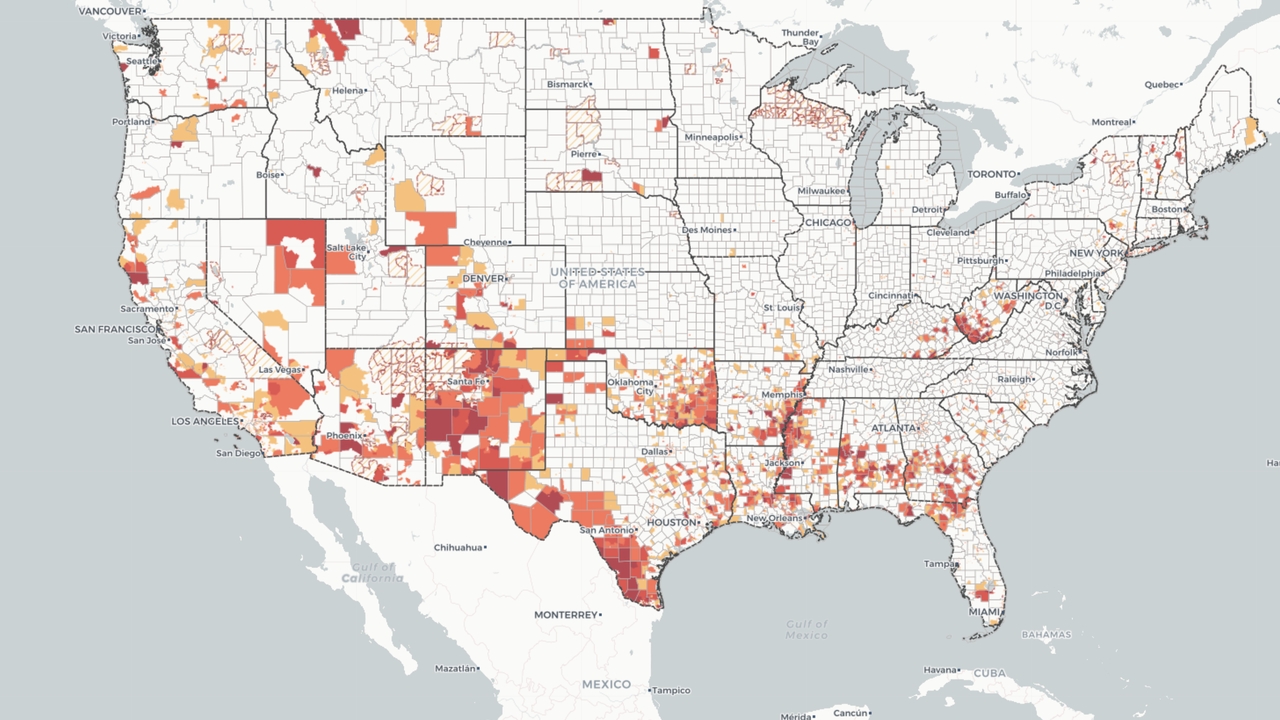
For those planning to travel, understanding the demographic landscape of New Mexico is more than just a statistical exercise; it’s crucial for shaping the entire travel experience. It influences everything from the availability and type of services you might encounter to the depth and authenticity of the cultural immersion on offer. The state’s population is primarily concentrated in a few key urban areas, most notably Albuquerque, Santa Fe, and Las Cruces. Beyond these bustling centers, numerous smaller towns and quaint rural communities are scattered across its expansive and diverse territory, each offering a distinct flavor of the state.
Understanding New Mexico’s Population Landscape
The trajectory of New Mexico’s population has witnessed gradual growth over the past few decades, characterized by periods of both accelerated expansion and more stagnant plateaus. This ebb and flow in population are typically influenced by a confluence of factors, including prevailing birth rates, death rates, and significant patterns of both domestic and international migration. For those interested in the lifestyle aspects of living or vacationing in New Mexico, these trends paint a picture of a region that balances quietude with a measured pace of development.
Population Trends and Demographics
When considering accommodation options and travel plans, especially for long-term stays or immersive experiences, understanding these demographic nuances becomes paramount. The distribution of population affects everything from hotel availability in peak seasons to the local cultural activities that define a region. The state’s unique demographic blend is a key ingredient in its allure, offering travelers an unparalleled opportunity for cultural exploration.
A Mosaic of Cultures: Racial and Ethnic Composition
New Mexico is widely celebrated for its exceptionally diverse population, a characteristic that truly sets it apart. A significant portion of its inhabitants proudly identify as Hispanic or Latino, a direct reflection of the state’s deep and enduring historical ties to Spain and Mexico. This profound connection is evident in the architecture, the food, and the numerous festivals that animate the state throughout the year.
Beyond the Hispanic heritage, Native American populations form another substantial and culturally vital component of New Mexico’s demographics. This includes various historic Pueblos, the vast Navajo Nation, and the resilient Apache tribes, each contributing their unique traditions, languages, and artistic expressions. Their presence enriches the state’s identity immeasurably. Additionally, non-Hispanic White populations, African Americans, and smaller Asian and other ethnic groups further contribute to this vibrant cultural mosaic. This remarkable diversity is a cornerstone of New Mexico’s identity, profoundly influencing its world-renowned cuisine, distinctive arts and crafts, lively festivals, and the very languages spoken within its borders. For tourists, this translates into a unique appeal, offering immersive cultural experiences that delve far deeper than typical sightseeing, fostering a truly authentic connection with local culture.
Age Distribution and Lifestyle Choices
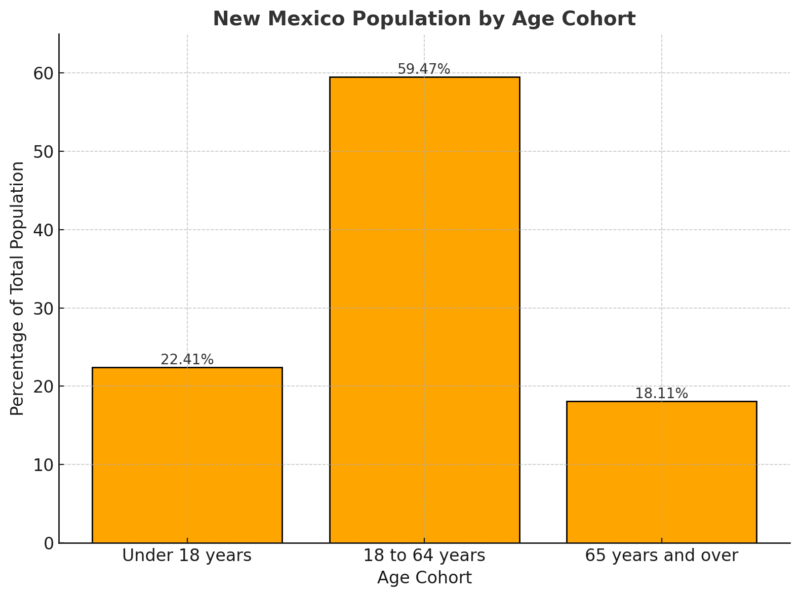
The state exhibits a somewhat older median age when compared to the national average. This trend is partly attributable to an appealing influx of retirees, who are drawn to New Mexico by its mild climate, the comparatively lower cost of living in many areas, and an overall relaxed pace of life that aligns perfectly with a post-career lifestyle. These areas often feature excellent long-term stay accommodation options, from cozy apartments to well-serviced villas.
However, New Mexico is by no means solely a haven for retirees. Younger populations thrive, particularly concentrated around its dynamic urban centers and prestigious universities. Institutions such as the University of New Mexico in Albuquerque and New Mexico State University in Las Cruces play a vital role in fostering a vibrant youth culture. They also contribute significantly to the state’s economic activity, driving innovation and providing educational opportunities that attract families and students, balancing the age demographic and ensuring a diverse cultural and social landscape.
Key Urban Centers: Hubs of Life and Tourism
The major cities of New Mexico serve as essential economic engines and pulsating cultural centers. They attract the majority of the state’s population, making them natural primary gateways for tourism. Each city offers a distinct set of attractions, accommodations, and experiences, catering to a wide array of traveler preferences. From luxury resorts to charming boutique hotels, these urban hubs are designed to welcome and enchant visitors.
Albuquerque: The State’s Largest Metropolis
As the largest city in New Mexico, Albuquerque is home to nearly a third of the state’s total population, making it a bustling and dynamic metropolis. It masterfully blends modern amenities with deep-rooted historical significance, offering visitors a unique juxtaposition of past and present. Albuquerque is famously known globally for the spectacular International Balloon Fiesta, an annual event that transforms the skies into a canvas of color. Beyond this iconic event, the city’s vibrant Old Town provides a charming glimpse into its colonial past, while the majestic Sandia Mountains, easily accessible via the scenic Sandia Peak Tramway, offer breathtaking natural beauty and outdoor adventures.
For those planning their stay, Albuquerque boasts a wide spectrum of hotels and accommodation options, ranging from luxurious resorts offering extensive amenities to more budget-friendly lodgings, all catering to diverse travel preferences and lifestyles. Popular choices for a comfortable and memorable stay include the sophisticated Hyatt Regency Albuquerque and the unique Hotel Andaluz, Curio Collection by Hilton, part of the esteemed Hilton family, which combine historical elegance with modern comforts.
Santa Fe: A Cultural and Artistic Jewel
The state capital, Santa Fe, is internationally renowned for its distinctive Pueblo-style architecture, a thriving art scene that draws artists and collectors from around the globe, and its immense historical significance as one of the oldest cities in the United States. It is a magnet for tourism, attracting visitors eager to explore its numerous world-class galleries, fascinating museums like the Georgia O’Keeffe Museum, and iconic historic landmarks such as the ancient Palace of the Governors and the venerable San Miguel Mission.
While its resident population is smaller than that of Albuquerque, Santa Fe’s cultural impact is arguably even more profound. The city’s accommodation options are as unique and charming as its streets, ranging from historic inns that whisper tales of centuries past, like the iconic La Fonda on the Plaza, to contemporary boutique hotels that offer luxurious and personalized experiences, perfectly blending local charm with modern comforts.
Las Cruces: Southern Charm and Outdoor Adventures
Nestled in southern New Mexico, Las Cruces stands as the state’s second-largest city. It is particularly notable for its rich agricultural heritage, which is evident in the fertile fields surrounding it, and its stunning natural surroundings. The city boasts close proximity to the majestic Organ Mountains-Desert Peaks National Monument and serves as a primary gateway to the ethereal white dunes of White Sands National Park, making it an ideal destination for nature lovers and adventure seekers.
The local economy of Las Cruces is robust, bolstered significantly by the presence of New Mexico State University and various vital government facilities. The city cultivates a more laid-back and unhurried atmosphere compared to its larger counterparts, Albuquerque and Santa Fe. This relaxed pace, combined with ample opportunities for outdoor activities such as hiking, birdwatching, and stargazing, makes it an attractive destination for families and those seeking a quieter retreat. Accommodation in Las Cruces includes a mix of familiar hotel chains offering reliable comfort and quality, alongside charming local establishments that provide a more unique and personalized stay, often reflecting the area’s distinct character.
The Impact of Population on Travel and Tourism
The characteristics and distribution of New Mexico’s population have a profound and discernible influence on the travel experience within the state. This demographic reality shapes everything from how easily one can navigate the landscape to the depth of cultural engagement available, directly impacting planning for travel, hotels, and overall tourism experiences.
Navigating the “Land of Enchantment”: Accessibility and Infrastructure
The relatively sparse population outside of the state’s major urban centers implies a unique set of considerations for travelers. While robust interstate highways efficiently connect the main cities, many of New Mexico’s most scenic routes and charming smaller towns may require a bit more careful planning, especially concerning essential services like fuel stops and lodging. This aspect of travel can be viewed as an advantage for certain lifestyles; it often translates into significantly less traffic and an enhanced sense of solitude in the state’s vast natural areas. This tranquil remoteness is a major draw for adventure tourists, backpackers, and anyone seeking a true escape and profound tranquility away from congested routes and crowded destinations.
Immersive Experiences: Cultural Richness for Travelers
The diverse demographics of New Mexico present unparalleled opportunities for deep cultural immersion, making it a dream destination for experiential travelers. Visitors have the extraordinary chance to explore ancient Native American pueblos, participate in or observe traditional Fiestas that celebrate centuries of heritage, and fully experience the unique Hispanic traditions that are woven into the fabric of daily life. The state’s culinary scene is a vibrant fusion, reflecting its rich and varied heritage and offering unique tastes not found anywhere else. This incredibly rich cultural tapestry is a significant draw for tourists, particularly those seeking authentic, meaningful experiences that transcend typical sightseeing, offering a truly transformative journey.
Economic Drivers: Tourism’s Role in New Mexico’s Economy
Despite its relatively smaller overall population, tourism stands as an absolutely vital component of New Mexico’s economy. This dynamic industry is a substantial employer, supporting countless jobs across a wide spectrum of sectors, from dedicated hotel staff and skilled restaurant workers to knowledgeable tour guides and talented local artists and artisans. The state actively and vigorously promotes its unique array of attractions, which include stunning national parks, historically significant sites, and a calendar full of vibrant cultural festivals, all designed to attract a steady stream of visitors and stimulate economic investment. Renowned events like the prestigious Santa Fe International Folk Art Market and the globally recognized Albuquerque International Balloon Fiesta are not merely spectacles; they are significant economic drivers, drawing tens of thousands of visitors and generating substantial revenue for local communities and businesses.
Future Outlook: Population Growth, Sustainability, and the Visitor Experience
Demographers project a future of continued modest population growth for New Mexico, a trend driven by both natural increase (more births than deaths) and ongoing migration patterns. This anticipated growth is likely to further concentrate within the existing urban areas, which could lead to increased demand for housing, services, and indeed, tourism-related infrastructure in dynamic cities like Albuquerque and Santa Fe. For those looking at long-term accommodation or even investing in travel experiences, these trends signal an evolving landscape.
Planning for Tomorrow: Infrastructure and Conservation
As the population expands and visitor numbers inevitably rise, there will likely be a continued and intensified investment in critical infrastructure. This includes improvements to transportation networks, ensuring smoother access across the state, enhancements to utilities, and significant upgrades to tourism-related facilities. Such developments could potentially mean improved access to even more remote and pristine natural areas, along with enhanced amenities and services for visitors across the state in the coming years, making future travel even more convenient and enjoyable.
Concurrently with growth, there is a growing and undeniable emphasis on sustainable tourism practices and robust conservation efforts. These initiatives are crucial for preserving New Mexico’s unparalleled natural beauty and its invaluable cultural heritage. This unwavering commitment ensures that the “Land of Enchantment” remains pristine, accessible, and awe-inspiring for future generations of both residents and travelers alike. Visitors are strongly encouraged to actively practice responsible tourism, demonstrating respect for local customs, traditions, and the delicate natural environments they explore, thereby contributing to the lasting magic of this extraordinary state.
Conclusion
New Mexico’s population of approximately 2.1 million people is more than just a statistic; it is a defining characteristic that profoundly shapes the state’s economic landscape, its distinct cultural identity, and its immense appeal as a truly captivating travel destination. From the vibrant, bustling streets of Albuquerque to the timeless, historic charm of Santa Fe, and the serene agricultural beauty of Las Cruces, the state offers an extraordinary blend of urban sophistication and vast, untamed natural wilderness. Its remarkably diverse demographics contribute to an exceptionally vibrant cultural scene, which stands as a significant draw for tourists seeking authentic and enriching experiences. As the state thoughtfully looks towards its future, a balanced approach to sustainable growth and responsible tourism will be absolutely key. This strategic focus will ensure the preservation of the unique magic that makes New Mexico truly live up to its name as the “Land of Enchantment” for both its cherished residents and the countless visitors who come to explore its wonders.