
Puerto Rico, often called the “Island of Enchantment,” is a vibrant and culturally rich Caribbean gem that captivates visitors with its stunning landscapes, historic sites, and warm hospitality. But beyond its allure as a premier travel destination, a fundamental question often arises for those interested in its broader context: how many people truly call this beautiful island home? Understanding the population dynamics of Puerto Rico provides crucial insights into its economic, social, and cultural fabric, influencing everything from urban development and infrastructure to the very nature of its tourism industry and lifestyle offerings.
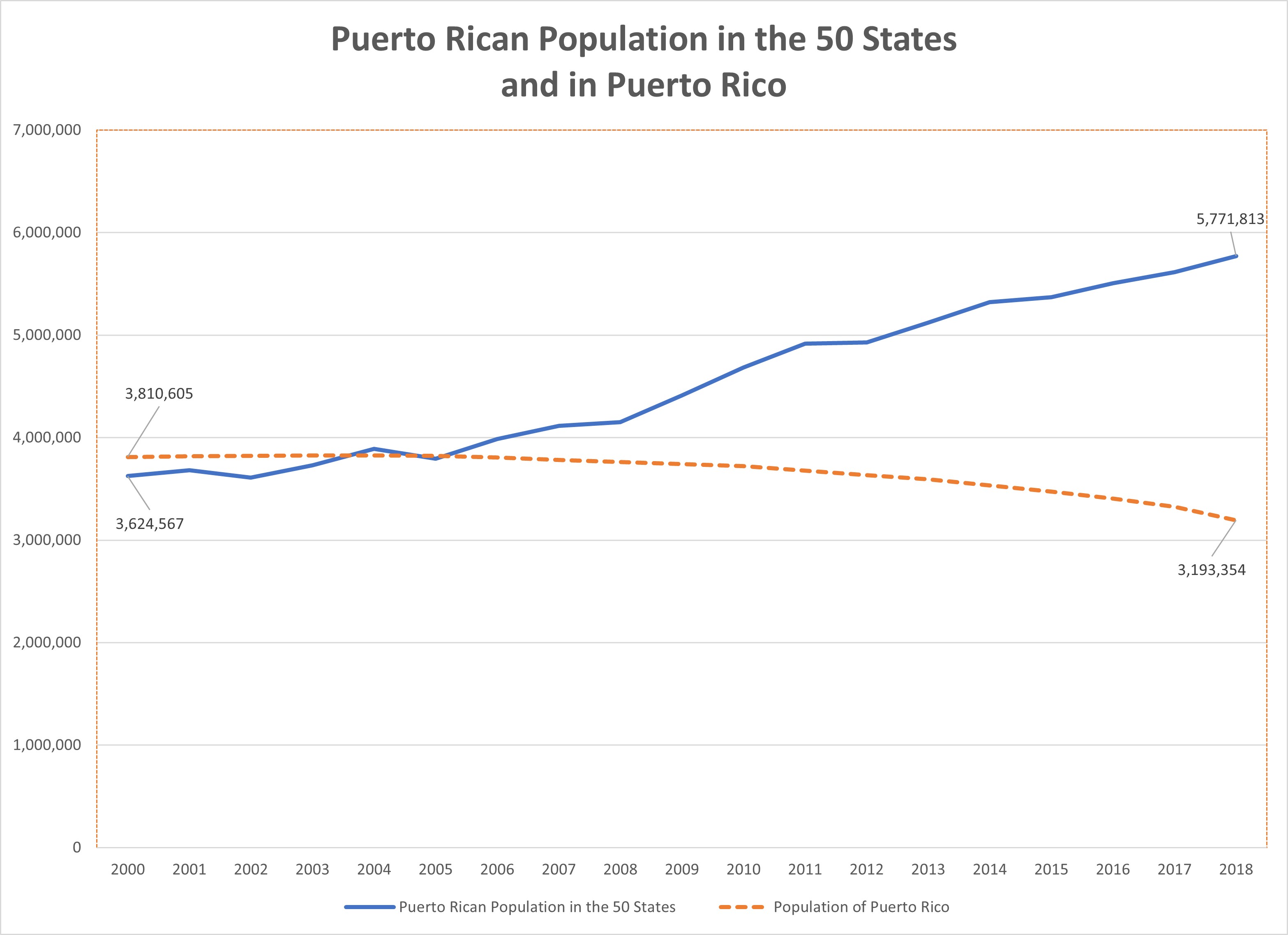
The most recent estimates place the population of Puerto Rico at approximately 3.2 million people. This figure, while substantial, represents a significant decline from its peak in the early 2000s. The story of Puerto Rico’s population is one of resilience, migration, and adaptation, shaped by a complex interplay of economic challenges, natural disasters, and the enduring spirit of its people. For travelers planning a visit, or those considering a longer stay, understanding these demographics helps to contextualize the island’s unique atmosphere, from its bustling cities to its tranquil rural areas. It also sheds light on the local culture, the availability of services, and the evolving character of a destination that continues to enchant millions worldwide.

Understanding Puerto Rico’s Population Dynamics
The population of Puerto Rico is not static; it has undergone significant shifts over the past few decades, primarily driven by economic conditions and the devastating impact of natural disasters. Historically, Puerto Rico experienced periods of robust population growth, particularly in the mid-20th century. However, since the early 2000s, the trend has reversed, leading to a noticeable decrease in residents. This demographic change has profound implications for the island’s infrastructure, its labor force, and the overall social landscape. For example, a declining population can lead to an aging demographic profile, influencing the demand for healthcare services, retirement accommodations, and even the types of tourism experiences that cater to different age groups. Understanding these shifts is essential for anyone seeking a comprehensive grasp of what makes Puerto Rico tick, from its bustling markets in San Juan to the quieter, more traditional towns in the island’s interior. The ebb and flow of its population directly impacts the vibrancy of its local communities and the availability of local experiences, which are often a draw for tourists interested in authentic cultural immersion.
Historical Trends and Demographic Shifts
The peak population for Puerto Rico was recorded in 2004, when it reached approximately 3.8 million residents. Since then, the island has experienced a continuous exodus, largely due to a prolonged economic recession that began in 2006. This economic downturn led to high unemployment rates and limited opportunities, prompting many Puerto Ricans to seek better prospects on the mainland United States. The ease of migration, given Puerto Ricans’ status as U.S. citizens, facilitated this outflow. Major demographic shifts include a notable brain drain, as younger, educated individuals moved away, and a resulting aging population on the island. This trend has implications for the workforce in critical sectors like tourism and hospitality, but also fosters a renewed focus on cultural preservation and attracting new talent.
The distribution of the population across the island also tells a story. The capital city of San Juan and its metropolitan area remain the most densely populated regions, serving as the economic and cultural hub. Cities like Ponce, Carolina, and Bayamón also maintain significant populations, acting as regional centers. In contrast, many rural areas have seen more pronounced declines. For travelers, this means that while urban centers offer a cosmopolitan experience with a wide array of hotels, resorts, and dining options, exploring the less populated regions can provide a more serene and authentic glimpse into traditional Puerto Rican life, complete with charming guesthouses and family-run restaurants. The demographic composition influences local culture, from the rhythms of Salsa music heard in Old San Juan to the agricultural practices in the central mountains.

The Impact of Natural Disasters and Economic Factors
While economic factors played a significant role in early population declines, the impact of natural disasters has exacerbated these trends, particularly in recent years. Hurricane María in 2017 was a catastrophic event that not only devastated the island’s infrastructure but also triggered a massive wave of out-migration. Thousands of residents, facing prolonged power outages, damaged homes, and a struggling economy, chose to relocate, many permanently. This event accelerated the population decrease and highlighted the vulnerability of island communities to climate change. The subsequent recovery efforts, though extensive, have been slow, further influencing residents’ decisions about their long-term future on the island.
Beyond Hurricane María, other factors, such as earthquakes in the southern region in late 2019 and early 2020, also contributed to localized displacements and concerns among the populace. These events, combined with the underlying economic challenges, create a dynamic and sometimes challenging environment for residents. However, they also foster an incredible sense of community and resilience. For visitors, understanding these recent histories can deepen appreciation for the strength of the Puerto Rican people and the ongoing efforts to rebuild and thrive. It also underscores the importance of supporting local businesses and sustainable tourism initiatives that contribute directly to the island’s recovery and economic stability. Many tourism operators and accommodations, from luxury resorts to budget-friendly apartments, have invested heavily in resilient infrastructure, ensuring safety and comfort for their guests while contributing to the local economy.
Puerto Rico: A Vibrant Destination for Travelers
Despite its demographic shifts, Puerto Rico remains an incredibly vibrant and appealing destination for travelers worldwide. The island’s rich history, diverse landscapes, and effervescent culture create an unforgettable experience, catering to a wide array of interests. From the historic cobblestone streets of Old San Juan to the lush rainforest of El Yunque, and the glowing waters of its Bioluminescent Bays, Puerto Rico offers a unique blend of adventure, relaxation, and cultural immersion. The tourism sector is a cornerstone of the island’s economy, providing jobs and opportunities that directly benefit the local population. It’s a place where you can spend your mornings exploring ancient forts and your afternoons surfing world-class waves, all before enjoying a culinary journey that tantalizes the taste buds. The island’s commitment to welcoming visitors is evident in the quality of its hotels, the professionalism of its tour guides, and the friendliness of its people, all of whom contribute to making every travel experience truly special.
Iconic Landmarks and Must-Visit Attractions
Puerto Rico is home to an impressive collection of landmarks and attractions that showcase its diverse appeal. In Old San Juan, a UNESCO World Heritage Site, visitors can wander through narrow, colorful streets, marvel at colonial architecture, and explore impressive fortifications like Castillo San Felipe del Morro and Castillo San Cristóbal. These historic sites offer a deep dive into the island’s strategic past and its significance in the Caribbean. Another must-visit is El Yunque National Forest, the only tropical rainforest in the U.S. National Forest System. Here, hikers can discover cascading waterfalls, diverse flora and fauna, and breathtaking panoramic views, making it a paradise for nature lovers.
For those seeking unique natural phenomena, Puerto Rico’s Bioluminescent Bays – especially Mosquito Bay on Vieques and Laguna Grande in Fajardo – offer an ethereal experience where the water glows with microscopic organisms. This unparalleled natural spectacle draws visitors from across the globe. Beyond these renowned spots, the island boasts pristine beaches, such as Flamenco Beach on Culebra, consistently ranked among the world’s best, and the surfing haven of Rincón on the west coast. Each region offers distinct experiences, from the vibrant nightlife of Condado to the tranquil luxury resorts of Dorado. Whether your interest lies in history, nature, or pure relaxation, Puerto Rico’s landmarks and attractions promise an enriching travel experience.
Experiencing Puerto Rican Culture Through Food and Festivities
The heart of Puerto Rico’s allure lies in its vibrant culture, best experienced through its tantalizing cuisine and lively festivities. Puerto Rican food is a delicious fusion of Spanish, African, and Taíno influences, creating a unique culinary landscape. Must-try dishes include mofongo, a savory fried plantain dish; lechón asado, succulent roasted pork; and arroz con gandules, rice with pigeon peas. Street food vendors and upscale restaurants alike offer a gastronomic journey that reflects the island’s history and diversity. Don’t forget to sample local rum, with tours available at the famous Bacardí Rum Distillery in Cataño, just across the bay from Old San Juan.
Festivals and celebrations are deeply embedded in Puerto Rican life, offering visitors a chance to immerse themselves in local traditions. The San Sebastián Street Festival in Old San Juan, held every January, transforms the historic district into a vibrant street party with music, dancing, parades, and artisan crafts. Throughout the year, various patron saint festivals, music concerts, and art fairs take place across the island, providing endless opportunities to witness the island’s spirited culture firsthand. Music, particularly genres like Salsa, Merengue, and Reggaeton, is the heartbeat of Puerto Rico, with live performances echoing from beachside bars to grand theaters. Engaging with these cultural elements not only enriches the travel experience but also fosters a deeper connection with the island’s people and their heritage, showing how the local population’s enduring spirit manifests in celebration and culinary artistry.
Navigating Accommodation and Lifestyle Choices
For every traveler visiting Puerto Rico, finding the right accommodation is key to an enjoyable experience, and the island offers a spectrum of choices to suit every budget and style. From ultra-luxury resorts to charming boutique hotels and practical vacation rentals, the options are as diverse as the island itself. The choice of where to stay often dictates the kind of lifestyle experience one will have, whether it’s a pampered retreat by the beach, an adventurous base for exploring, or a cultural immersion in a local neighborhood. Given the range of demographics and economic conditions on the island, the hospitality sector has adapted to cater to both the highest end of luxury travel and those seeking more budget-friendly or long-term stay solutions. This adaptability ensures that visitors can tailor their accommodation to their desired travel lifestyle, making their trip to Puerto Rico as comfortable and customized as possible.
Finding Your Perfect Stay: From Luxury Resorts to Boutique Hotels
Puerto Rico’s accommodation landscape is rich and varied. For those seeking opulence and world-class service, areas like Dorado and Condado boast magnificent luxury resorts. The St. Regis Bahia Beach Resort in Río Grande and the Condado Vanderbilt Hotel in San Juan offer lavish amenities, private beaches, exquisite dining, and spa services, catering to a sophisticated clientele looking for an indulgent escape. These establishments often come with extensive facilities, including golf courses, infinity pools, and concierge services, ensuring a stress-free and luxurious experience.
Alternatively, boutique hotels provide a more intimate and personalized stay. In Old San Juan, properties like Hotel El Convento, a beautifully restored 17th-century convent, offer historical charm combined with modern comforts. These hotels are perfect for travelers who appreciate unique architecture, local character, and a more integrated feel with the surrounding community. For families or groups, vacation rentals—ranging from beachfront villas in Luquillo to cozy apartments in Rincón—offer flexibility and the convenience of home-like amenities. Platforms specializing in accommodation booking make it easy to compare reviews, find long-term stay options, and secure the perfect lodging that aligns with personal preferences and budget. The choice of accommodation not only impacts comfort but also offers insights into local lifestyles, whether it’s the bustling life in a city apartment or the serene existence in a countryside villa.
Tailoring Your Trip: Budget, Family, and Adventure Travel
Puerto Rico is remarkably versatile, accommodating various travel styles. Budget travelers will find numerous guesthouses (paradores), hostels, and budget-friendly hotels, particularly outside of the main tourist hubs. Eating like a local at chinchorros (roadside food stands) and utilizing public transport or carpooling can also significantly reduce costs while offering an authentic taste of the island. Many local guides offer affordable tours, making cultural and historical exploration accessible to all.
For family trips, Puerto Rico presents an abundance of kid-friendly activities. Resorts often feature children’s programs and water parks, while natural attractions like the beaches, El Yunque, and the Bioluminescent Bays provide educational and entertaining experiences for all ages. Theme parks and museums in San Juan also cater to younger visitors. When it comes to adventure travel, the island is a playground. Thrill-seekers can indulge in zip-lining through the rainforest, surfing in Rincón, diving in the crystal-clear waters of Culebra, or kayaking through mangrove forests. The distinct topography allows for varied activities, from mountain biking in the central cordillera to caving in the Camuy River Cave Park. Each lifestyle choice—whether luxury, budget, family-focused, or adventure-driven—is well-supported by the island’s infrastructure and its welcoming local population, ensuring that every visitor can craft their ideal Puerto Rican experience.
In conclusion, while the question of “How many people live in Puerto Rico?” reveals a story of demographic fluctuation and resilience, it underscores a population that is deeply committed to its homeland and its vibrant culture. This dynamic backdrop only enhances the island’s appeal as a premier travel destination, offering an authentic and diverse experience for every type of visitor. From its historical landmarks and natural wonders to its rich culinary scene and varied accommodation options, Puerto Rico continues to enchant, inviting travelers to explore its magic and connect with its enduring spirit.
LifeOutOfTheBox is a participant in the Amazon Services LLC Associates Program, an affiliate advertising program designed to provide a means for sites to earn advertising fees by advertising and linking to Amazon.com. Amazon, the Amazon logo, AmazonSupply, and the AmazonSupply logo are trademarks of Amazon.com, Inc. or its affiliates. As an Amazon Associate we earn affiliate commissions from qualifying purchases.