
San Francisco, California, often hailed as the “Golden City,” is a captivating blend of innovation, natural beauty, and cultural diversity. Beyond its iconic landmarks and vibrant neighborhoods, the city’s pulse is defined by its population—a dynamic mix of residents who contribute to its unique character. Understanding “how many people live in San Francisco” isn’t just about a number; it’s about grasping the forces that shape its economy, culture, and the very lifestyle it offers to both its inhabitants and the millions of visitors who flock to its shores each year. From the bustling tech corridors to the tranquil Golden Gate Park, the city’s population density directly influences everything from the availability of accommodation to the diversity of its culinary scene.
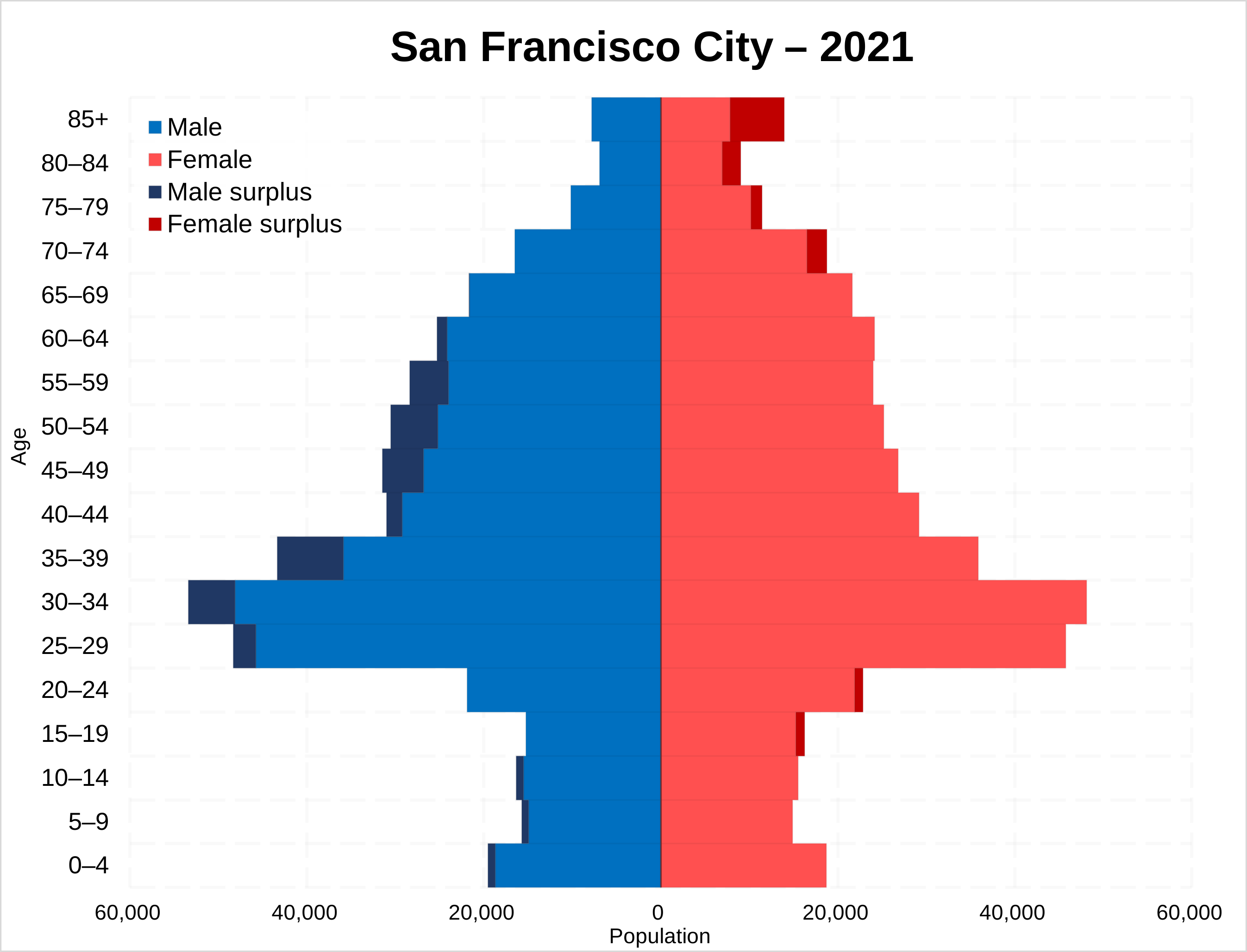
This article delves into the demographic landscape of San Francisco, exploring not only the raw statistics but also the broader implications for travel, tourism, and daily life. We’ll uncover what attracts people to make this compact yet influential city their home, how this impacts the visitor experience, and practical considerations for those planning a trip to one of the world’s most sought-after destinations.
The Population Snapshot: A Dynamic Urban Hub
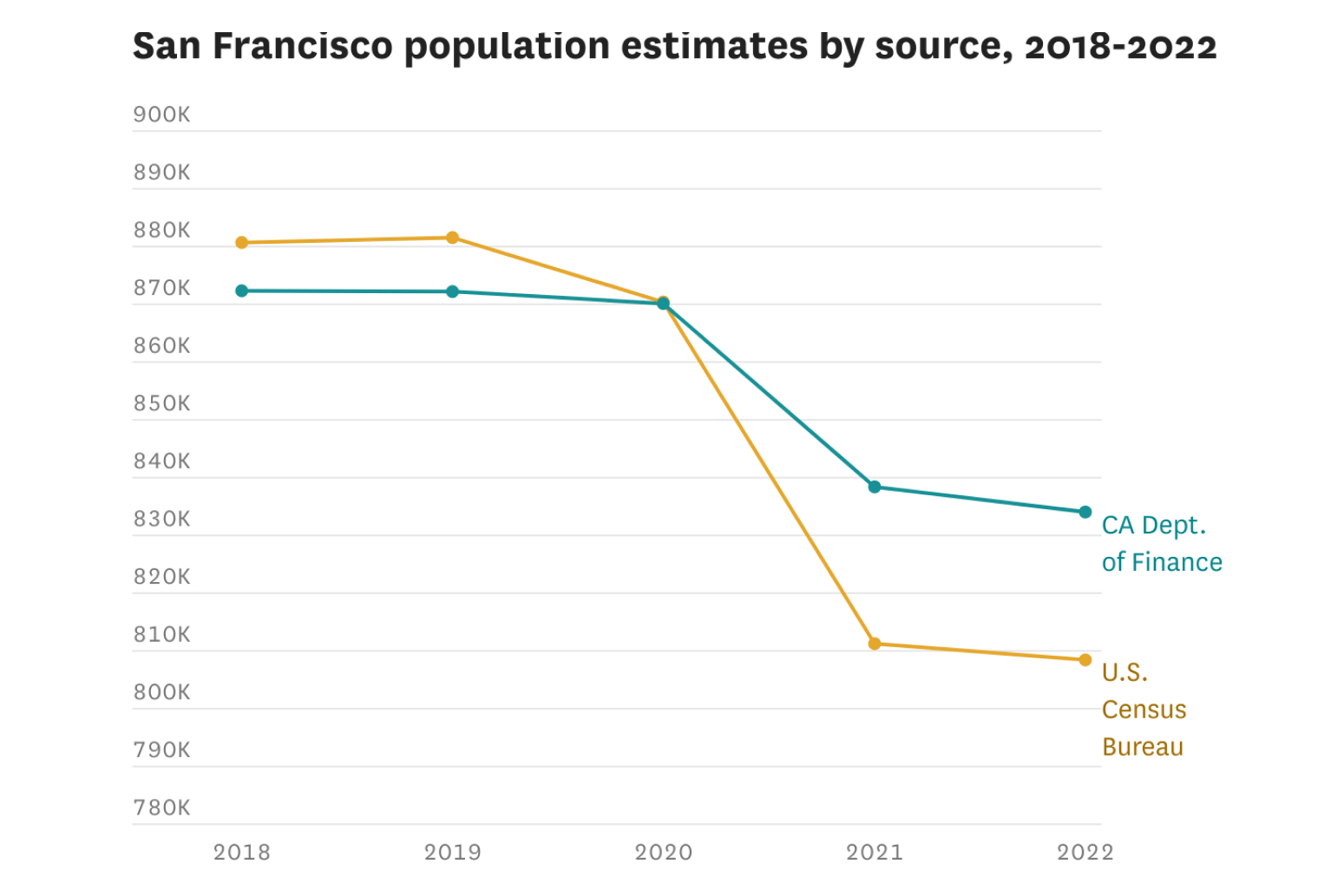
At its core, San Francisco is a city of remarkable density, a testament to its constrained geography on a peninsula and its magnetic appeal. While the exact figure fluctuates with annual estimates and census data, the population of San Francisco hovers around 800,000 to 880,000 residents within its approximately 47 square miles of land area. This makes it the 17th most populous city in the United States and the fourth most populous in California. However, to fully appreciate its scale, one must also consider the broader Bay Area, which is home to over 7.7 million people, making it a sprawling metropolitan region where San Francisco serves as a primary economic and cultural anchor.
Current Demographics and Growth Trends
The population of San Francisco is characterized by its remarkable diversity. Historically a melting pot, the city continues to attract individuals from all corners of the globe. Demographically, it boasts a significant Asian population, followed by White, Hispanic/Latino, and Black communities, alongside a vibrant representation of other ethnic groups. This rich tapestry of cultures is evident in its neighborhoods, each offering distinct flavors, food, and traditions, from the historic streets of Chinatown to the lively atmosphere of the Mission District.
In terms of age, San Francisco tends to have a relatively young, educated, and affluent population, largely due to the concentration of tech industries and high-paying jobs. However, recent years have seen shifts, with some outbound migration influenced by the city’s exceptionally high cost of living, particularly after the pandemic. Despite these fluctuations, the city’s innovative spirit and economic opportunities continue to draw new residents, maintaining a dynamic equilibrium. Understanding these demographics is crucial for tourism, as visitors often seek to immerse themselves in the authentic local culture created by this diverse populace.
What Attracts Residents to the Golden City?
The allure of San Francisco extends far beyond its picturesque vistas and postcard-perfect landmarks. People choose to live here for a multitude of compelling reasons that intertwine with many of the website’s core themes:
- Economic Opportunities and Innovation: As a global hub for technology, venture capital, and biotechnology, San Francisco offers unparalleled career prospects. The presence of companies like Salesforce, Google (nearby), and countless startups fosters an environment of constant innovation and entrepreneurship. This economic dynamism is a powerful magnet for skilled professionals and ambitious individuals.
- Cultural Vibrancy and Arts Scene: The city pulsates with an incredible arts and culture scene. From world-class museums like the SFMOMA and the de Young Museum to avant-garde galleries, live music venues, and performing arts organizations, there’s always something stimulating happening. This rich cultural tapestry is a significant draw for those seeking a stimulating and diverse lifestyle.
- Natural Beauty and Outdoor Access: Despite its urban density, San Francisco offers abundant access to nature. The iconic Golden Gate Bridge, expansive Golden Gate Park, stunning ocean beaches, and scenic trails provide residents with endless opportunities for outdoor activities. The cool, fog-kissed climate is also a welcome respite for many.
- Progressive Values and Diverse Communities: San Francisco is renowned for its progressive values, open-mindedness, and commitment to social justice. It is a city that embraces diversity in all its forms, making it a welcoming home for people from various backgrounds, orientations, and beliefs. This inclusive atmosphere fosters strong, supportive communities.
San Francisco’s Population Through the Lens of Tourism and Travel
The number of people living in San Francisco profoundly impacts the visitor experience, shaping everything from the bustling atmosphere of its attractions to the availability and cost of accommodation. For those planning travel to the city, understanding these dynamics is key to a smooth and enjoyable trip.
The Interplay Between Residents and Visitors
The nearly 900,000 residents of San Francisco are the lifeblood of its unique character. Their daily lives, cultural contributions, and entrepreneurial spirit create the authentic local culture that tourists often seek. When you explore the vibrant Mission District, dine in a Michelin-starred restaurant, or wander through a local farmers’ market, you’re experiencing a city shaped by its residents.
However, the high population density also means that popular tourist spots can get incredibly crowded, especially during peak seasons. Fisherman’s Wharf, Alcatraz Island, and the Golden Gate Bridge are frequently bustling with both locals and international visitors. This requires visitors to plan ahead, perhaps opting for early morning visits or utilizing public transportation to navigate the city efficiently. The city’s extensive public transport system, including its famous Cable Cars and BART trains, is designed to serve both residents and tourists, easing congestion.
Navigating Accommodation in a Densely Populated City
One of the most significant impacts of San Francisco’s high population and desirability is on its accommodation market. The city consistently ranks among the most expensive places to live and visit, and this is directly reflected in hotel prices and the availability of suites, resorts, and even short-term apartment rentals.
- High Demand and Cost: With limited land and immense popularity, hotels in San Francisco command premium prices. From luxury boutique hotels in Union Square to charming Victorian guesthouses in Pacific Heights, options are plentiful but can be costly.
- Tips for Booking: To secure the best rates and desired amenities, advanced booking is highly recommended, especially during convention seasons or major events. Utilizing online platforms for reviews and comparison can help travelers find suitable options within their budget. Consider staying slightly outside the immediate downtown core for potentially better value, while still having easy access to public transport.
- Diverse Accommodation Types: Beyond traditional hotels, San Francisco offers a range of accommodation types. Apartments and villas available through vacation rental services can be excellent for families or longer stays, offering more space and a chance to experience living like a local. For those considering an extended visit, looking into long-term stay options or serviced apartments can be a practical approach.
Lifestyle and Challenges: Living in San Francisco
While San Francisco presents a vibrant picture, its dense population and unique economic landscape also bring about significant challenges, particularly concerning the cost of living and urban infrastructure. These factors not only shape the lifestyle of its residents but also indirectly influence the tourism experience.
The High Cost of Living and Its Implications
San Francisco consistently ranks as one of the most expensive cities in the world. The primary driver of this high cost is its housing market, where median home prices and rental rates are astronomical compared to national averages. This impacts residents across all income brackets, leading to intense competition for housing and often requiring substantial incomes to maintain a comfortable lifestyle.
The implications of this high cost are far-reaching:
- Housing Market: The scarcity of land combined with high demand means housing costs are a major financial burden for many. This can lead to longer commutes for those living outside the city and impacts the diversity of residents who can afford to stay.
- Daily Expenses: Beyond housing, daily expenses such as groceries, dining out, and transportation are also higher than average. This influences the types of businesses that thrive in the city, often catering to a more affluent clientele, though vibrant, affordable local establishments still exist.
- Impact on Diverse Communities: The rising cost of living has put pressure on long-standing diverse communities, leading to concerns about gentrification and the displacement of artists, service workers, and families who have historically contributed to the city’s unique fabric.
Urban Dynamics: From Innovation to Infrastructure
The dense population of San Francisco puts significant pressure on its urban infrastructure. While the city is a beacon of innovation, particularly in technology, managing its rapid growth and population needs is an ongoing challenge.
- Public Transportation and Traffic Congestion: Despite a robust public transport network, including BART, Muni buses, streetcars, and the iconic Cable Cars, traffic congestion remains a daily reality, especially during peak hours. This affects both residents’ commutes and tourists’ ability to move freely, highlighting the importance of planning travel guides around efficient transit use.
- Social Issues: Like many major urban centers, San Francisco grapples with social issues such as homelessness and income disparity. These are complex challenges that arise, in part, from the pressures of a highly competitive and expensive urban environment.
- Sustainability Efforts: The city is a leader in sustainability initiatives, from recycling programs to renewable energy targets. With its compact population and environmental consciousness, San Francisco strives to create a livable and green urban environment, demonstrating a commitment to responsible urban planning amidst its growth.
Planning Your San Francisco Experience: A Visitor’s Guide
For those intrigued by the bustling population and vibrant lifestyle of San Francisco, planning your visit with an awareness of its unique dynamics can greatly enhance your experience. This city, with its compact size and immense character, promises unforgettable adventures.
Embracing the City’s Unique Vibe
To truly appreciate San Francisco, immerse yourself in its distinct neighborhoods and iconic landmarks. Each area offers a different facet of the city’s diverse soul:
- Explore Diverse Neighborhoods: Wander through the colorful Victorian houses of Haight-Ashbury, delve into the rich history of Chinatown, savor the Latin American flavors and vibrant murals of the Mission District, or enjoy the upscale boutiques around Union Square. Each neighborhood offers unique local culture and activities.
- Must-See Landmarks: No trip is complete without a visit to the majestic Golden Gate Bridge, a ferry ride to Alcatraz Island for a glimpse into its notorious past, or a stroll through the vast Golden Gate Park, home to museums, gardens, and lakes. Riding a historic Cable Car is also an essential San Francisco experience.
- Culinary Experiences: The city’s diverse population has cultivated an extraordinary culinary scene. From fresh seafood at Fisherman’s Wharf to world-class dining, authentic ethnic eateries, and innovative farm-to-table restaurants, San Francisco is a foodie’s paradise. Don’t miss the chance to explore the city’s unique coffee culture and craft breweries.

Practical Travel Tips
Making the most of your San Francisco journey involves some practical considerations to ensure a smooth trip:
- Transportation within the City: While walking is a fantastic way to discover many areas, San Francisco’s hills can be challenging. Utilize the excellent Muni system (buses, streetcars, Cable Cars) and BART for longer distances or to avoid parking hassles. Ride-sharing services are also readily available.
- Weather Considerations: San Francisco’s weather is notoriously fickle. Even in summer, cool temperatures and fog are common, particularly near the ocean. Always dress in layers, regardless of the season, and be prepared for sudden changes.
- Budgeting for Various Lifestyle Preferences: Whether you’re planning a luxury travel escape with stays in opulent resorts or a budget travel adventure exploring hostels and street food, San Francisco offers options. Be mindful that overall costs can be higher than in many other cities, so plan your expenses for hotels, activities, and dining accordingly. Advance booking for hotels and popular attractions can save money and ensure availability.
- Safety Tips: As with any major urban center, be aware of your surroundings, especially in crowded tourist areas and at night. Keep valuables secure and exercise common sense.
In conclusion, the question “How many people live in San Francisco, California?” opens a window into the soul of this iconic city. Its roughly 800,000 residents are not just a statistic; they are the vibrant threads that weave its rich cultural tapestry, fuel its innovation, and contribute to its undeniable charm. For travelers, understanding this dynamic population provides context for everything from the bustling energy of its streets to the premium on its accommodation. Visiting San Francisco is an experience of engaging with a city that beautifully balances urban intensity with natural splendor, offering a journey that is as enriching as it is memorable. So pack your bags, prepare for a captivating adventure, and discover the magic that millions call home, and countless more dream of visiting.
LifeOutOfTheBox is a participant in the Amazon Services LLC Associates Program, an affiliate advertising program designed to provide a means for sites to earn advertising fees by advertising and linking to Amazon.com. Amazon, the Amazon logo, AmazonSupply, and the AmazonSupply logo are trademarks of Amazon.com, Inc. or its affiliates. As an Amazon Associate we earn affiliate commissions from qualifying purchases.