
California, often celebrated as the Golden State, is synonymous with innovation, diverse landscapes, and a vibrant lifestyle that attracts dreamers and doers from across the globe. But beyond its iconic beaches, towering redwoods, and bustling cities, lies a fundamental aspect that shapes every facet of its existence, from its economy to its travel and tourism industries: its immense population. The question, “How many people live in the state of California?” is not merely a statistical inquiry; it’s an exploration into the very essence of what makes California unique, impacting everything from the availability of accommodation to the character of its landmarks and the flow of daily life.
Currently, the state of California is home to nearly 40 million residents, making it the most populous state in the United States by a significant margin. This staggering number translates into a dynamic, multicultural mosaic that fuels its innovation, drives its economic engine, and creates an unparalleled array of experiences for both residents and visitors. Understanding this demographic reality is key to appreciating California’s complex charm, whether you’re planning a relaxing getaway, seeking adventure, or exploring the cultural richness of its many communities.
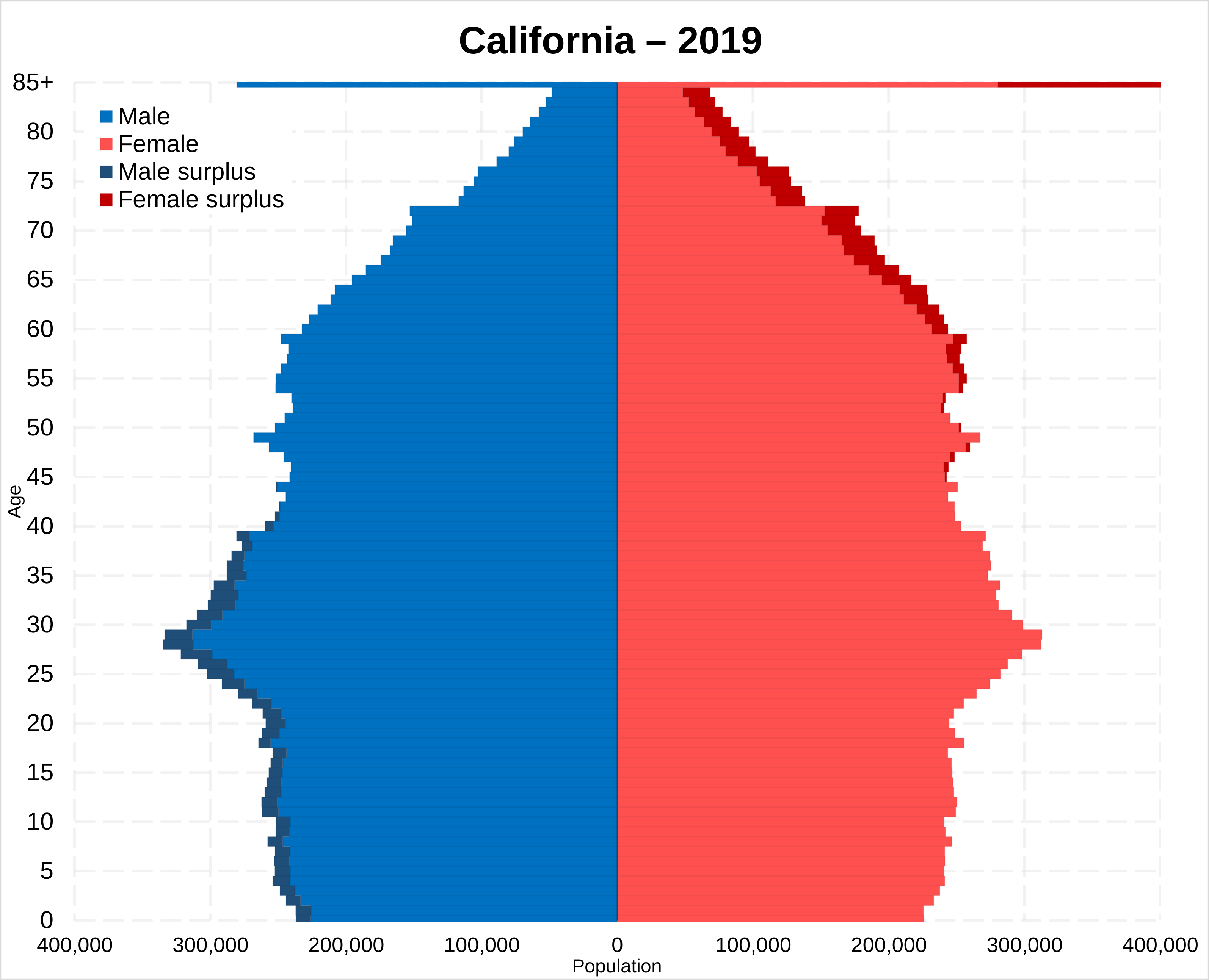
California’s Demographic Landscape: A Magnet for Travel and Lifestyle
The sheer number of people calling California home is a testament to its enduring appeal. From its booming tech hubs to its fertile agricultural valleys, California offers a quality of life and economic opportunities that continue to draw individuals and families. This concentrated population has profound implications for every industry, especially for travel and hospitality, where demand for hotels, services, and attractions is constantly evolving.
Understanding the Numbers: Population Growth and Distribution
While California has experienced periods of rapid growth, its population dynamics are constantly shifting. For decades, it was a magnet for internal and international migration, swelling its ranks annually. More recently, growth has slowed, with some periods even seeing a slight decrease due to factors like housing costs and out-migration to other states, yet it firmly remains the nation’s most populous state. This ebb and flow of residents directly influences urban development, infrastructure projects, and the overall landscape of available resources for both residents and tourists.
The majority of California’s population is concentrated in several major metropolitan areas, each with its own distinct flavor and appeal:
- Los Angeles County: As the most populous county in the U.S., Los Angeles alone is home to over 10 million people, making it a sprawling metropolis of diverse neighborhoods, world-class entertainment, and endless culinary adventures. For travelers, this means an abundance of choices, from luxury resorts in Beverly Hills to boutique hotels in Santa Monica, alongside countless cultural attractions and landmarks.
- San Francisco Bay Area: Encompassing cities like San Francisco, Oakland, and San Jose, this region is a global hub for technology and innovation, with a population exceeding 7 million. Its vibrant urban centers offer a mix of historic charm, modern architecture, and a cutting-edge food scene. The density here means unique challenges for accommodation and transportation, but also incredible opportunities for unique experiences.
- San Diego County: Further south, San Diego is home to over 3 million people, known for its beautiful coastline, laid-back vibe, and proximity to the Mexican border. It’s a major draw for family trips and those seeking outdoor activities and a warm climate.
- Sacramento Metropolitan Area: The state capital, Sacramento, and its surrounding areas house over 2.5 million residents. This region offers a blend of historical sites, burgeoning farm-to-fork dining, and access to nearby wine country and outdoor adventures.
The concentration of people in these urban cores means that services, amenities, and infrastructure are highly developed, catering to both the resident population and the millions of tourists who visit annually. This dense population also means that away from these urban areas, California still boasts vast stretches of relatively undeveloped natural beauty, from deserts to mountains, offering a stark contrast and a diverse range of escape options.
Diversity: The Rich Tapestry of California’s Culture
Perhaps even more significant than the sheer number is the incredible diversity of California’s population. It is often lauded as one of the most multicultural states in the nation, a true melting pot where over 200 languages are spoken. This demographic richness is not just a statistic; it’s a living, breathing aspect of California’s identity, profoundly influencing its culture, cuisine, and social fabric.
For the traveler and tourist, this diversity translates into an unparalleled array of cultural experiences. You can explore the vibrant traditions of Chinatown in San Francisco, savor authentic Italian cuisine in San Diego’s Little Italy, or immerse yourself in the rich Hispanic heritage prevalent throughout Southern California. The culinary scene, in particular, benefits immensely from this cultural mosaic, offering everything from Michelin-starred global fusion to humble, authentic street food that reflects the traditions of communities from every corner of the world.
This cultural tapestry also shapes the state’s lifestyle. It fosters an environment of openness and innovation, where new ideas and traditions blend seamlessly. Whether it’s the thriving arts scenes, the diverse spiritual communities, or the plethora of festivals celebrating different heritages, California’s population diversity is a core component of its magnetic appeal, making every visit a journey of discovery.
The Impact of Population on California’s Travel and Tourism Scene
With nearly 40 million residents, plus millions more visitors each year, the scale of human activity in California is immense. This directly impacts the infrastructure and services available to travelers, shaping everything from where you stay to what you do.
Accommodation and Hospitality: Meeting the Demands of Millions
The robust population, combined with heavy tourist traffic, has spurred the development of an incredibly diverse and extensive accommodation sector. California offers something for every traveler and every budget, reflecting the varied demands of its residents and visitors.
- Hotels and Resorts: From opulent luxury resorts along the coast of Monterey and Santa Barbara, to sleek urban boutique hotels in downtown San Francisco and Los Angeles, the options are nearly endless. Major chains offer consistency, while independent establishments provide unique local flavor. The high demand, especially in peak seasons or during major events, means that booking in advance is often essential.
- Apartments and Villas: For those seeking more space, privacy, or a longer stay, vacation rentals, apartments, and private villas are widely available. These are particularly popular with families, groups, or business travelers seeking long-term stays or a more home-like experience. The platform for booking these varies, but the sheer volume of properties reflects the ongoing need for diverse lodging solutions.
- Amenities and Services: The competitive hospitality market ensures a high standard of amenities. Many properties cater to specific niches, whether it’s pet-friendly hotels, resorts with extensive spa services, or business-focused accommodations equipped with meeting rooms and high-speed internet. Traveler reviews and comparison sites become invaluable tools for navigating this vast landscape and finding the perfect fit.
The continuous influx of residents and tourists drives innovation in the accommodation sector, ensuring that California remains at the forefront of hospitality trends. However, this also means that popular areas can command premium prices, especially during peak season, making strategic planning and early booking crucial for budget travelers.
Landmarks and Attractions: Drawing Crowds from Near and Far
California’s population base is not just a driver for its economy but also a significant contributor to the vibrancy and popularity of its numerous landmarks and attractions. These sites cater not only to international tourists but also to the millions of Californians themselves who explore their own state.
Iconic locations like the Golden Gate Bridge in San Francisco, Disneyland Park in Anaheim, Yosemite National Park, and the Hollywood Walk of Fame in Los Angeles see millions of visitors annually. The state’s residents form a consistent local base that keeps these attractions bustling year-round, contributing to their enduring appeal and ensuring a lively atmosphere. This constant flow of people contributes to the funding and maintenance of these historical, architectural, and natural wonders, ensuring they remain preserved for future generations.
However, high population and visitor numbers also bring challenges, such as crowding, particularly during holidays and weekends. This necessitates strategic planning for visitors, including considering off-peak travel times, purchasing tickets in advance, and utilizing public transportation where available. The experience of visiting a natural wonder like Yosemite or a bustling city center like San Francisco is undeniably shaped by the sheer number of people sharing the experience, highlighting the importance of balancing preservation with access.

Lifestyle and Experiences: Tailoring Travel to California’s Diverse Residents and Visitors
California’s vast population supports an equally vast array of lifestyles, from the high-octane pace of its urban centers to the serene rhythms of its rural communities. This diversity is reflected in the types of travel and tourism experiences available, ensuring there’s an adventure for every taste.
From Urban Adventures to Natural Retreats: Catering to Every Taste
The varied lifestyles within California create a demand for a broad spectrum of travel experiences.
- Urban Explorers: For those drawn to the energy of city life, Los Angeles and San Francisco offer world-class museums, vibrant nightlife, cutting-edge fashion, and renowned culinary scenes. Business stays are also a significant part of urban travel in these economic hubs.
- Nature Enthusiasts: California boasts an unparalleled array of natural landmarks and wilderness areas. From the majestic granite cliffs of Yosemite National Park to the serene waters of Lake Tahoe and the dramatic coastline of Big Sur, there are endless opportunities for hiking, skiing, surfing, and wildlife viewing.
- Culture and Culinary Buffs: The state’s rich agricultural heritage and diverse population translate into exceptional food and wine tourism. Regions like Napa Valley and Sonoma Valley are internationally recognized for their exquisite wines and gourmet dining. Farmers’ markets burst with fresh produce, and every town offers unique dining experiences that reflect its local culture.
- Luxury Travel and Budget Travel: Whether you’re seeking a lavish escape with five-star amenities or an adventurous trip on a shoestring, California accommodates all. The sheer volume of people ensures that there are enough providers to cater to every price point, from high-end villas and exclusive resorts to charming motels and campsites.
The availability of specialized guides, tours, and bespoke experiences is also a direct result of this large and diverse population base, creating a market for niche interests and catering to every imaginable hobby or passion.
Navigating the Crowds: Tips for a Seamless California Journey
While California’s large population is a source of its vibrant energy and diverse offerings, it also means that popular areas can be crowded, and traffic can be a significant concern, especially in major urban centers. However, with a few strategic tips, travelers can still enjoy a seamless and memorable California journey:
- Plan Ahead: Especially for major attractions or sought-after accommodations, booking well in advance is crucial. This applies to theme park tickets, popular restaurant reservations, and prime lodging spots, particularly during peak season (summer, holidays).
- Travel During Off-Peak Times: If your schedule allows, consider visiting during the shoulder seasons (spring and fall) or weekdays to avoid the largest crowds and potentially find better deals on hotels and flights.
- Utilize Public Transportation: In cities like San Francisco and Los Angeles, public transport options (BART, Muni, Metro, buses) can be efficient ways to navigate, especially to major landmarks where parking might be scarce and expensive.
- Explore Beyond the Obvious: While the iconic sites are a must-see, California is full of hidden gems. Venture to smaller towns, lesser-known state parks, or explore neighborhoods outside the main tourist drag to discover unique local culture and avoid some of the congestion.
- Embrace the Early Bird or Night Owl Approach: Visiting popular attractions right when they open or closer to closing can often provide a more relaxed experience with fewer people.
- Consider Mid-Week Stays: For destinations like Napa Valley or Lake Tahoe, visiting Monday through Thursday can significantly reduce crowds at wineries, restaurants, and outdoor recreation areas.
Understanding the magnitude of California’s population and how it shapes the daily rhythm of the state empowers travelers to plan more effectively, allowing them to fully appreciate the Golden State’s offerings without being overwhelmed.
In conclusion, the answer to “How many people live in the state of California?” — nearly 40 million — is far more than a simple statistic. It represents a vibrant, diverse, and ever-evolving community that defines California’s unique identity. This immense population is the heartbeat of its thriving economy, the driving force behind its rich cultural tapestry, and the fundamental element that shapes its unparalleled travel, tourism, and lifestyle experiences. For anyone looking to explore this magnificent state, recognizing and appreciating its populous nature is the first step toward unlocking a truly authentic and unforgettable Californian adventure.
LifeOutOfTheBox is a participant in the Amazon Services LLC Associates Program, an affiliate advertising program designed to provide a means for sites to earn advertising fees by advertising and linking to Amazon.com. Amazon, the Amazon logo, AmazonSupply, and the AmazonSupply logo are trademarks of Amazon.com, Inc. or its affiliates. As an Amazon Associate we earn affiliate commissions from qualifying purchases.