
The allure of Hawaii is undeniable, drawing millions each year to its pristine beaches, volcanic landscapes, and vibrant culture. Yet, beyond the image of a sun-drenched paradise lies a thriving community, a permanent population that calls these isolated islands home. Understanding “how many people live in Hawaii?” is more than just a demographic curiosity; it’s a window into the state’s unique character, its economy, its challenges, and the very fabric of the tourist experience. The resident population plays a pivotal role in shaping the local culture, the available services, and the overall atmosphere that visitors encounter.
At its core, Hawaii is a microcosm of diverse cultures, natural beauty, and modern challenges. Its remoteness in the Pacific Ocean means that resources, infrastructure, and community dynamics are all influenced by the number of people who reside here, whether they are descendants of ancient Polynesians, immigrants from Asia and the United States, or newcomers seeking a unique lifestyle. This article delves into the demographic landscape of Hawaii, exploring how its population figures impact everything from travel and tourism to accommodation, local lifestyle, and the preservation of its iconic landmarks.
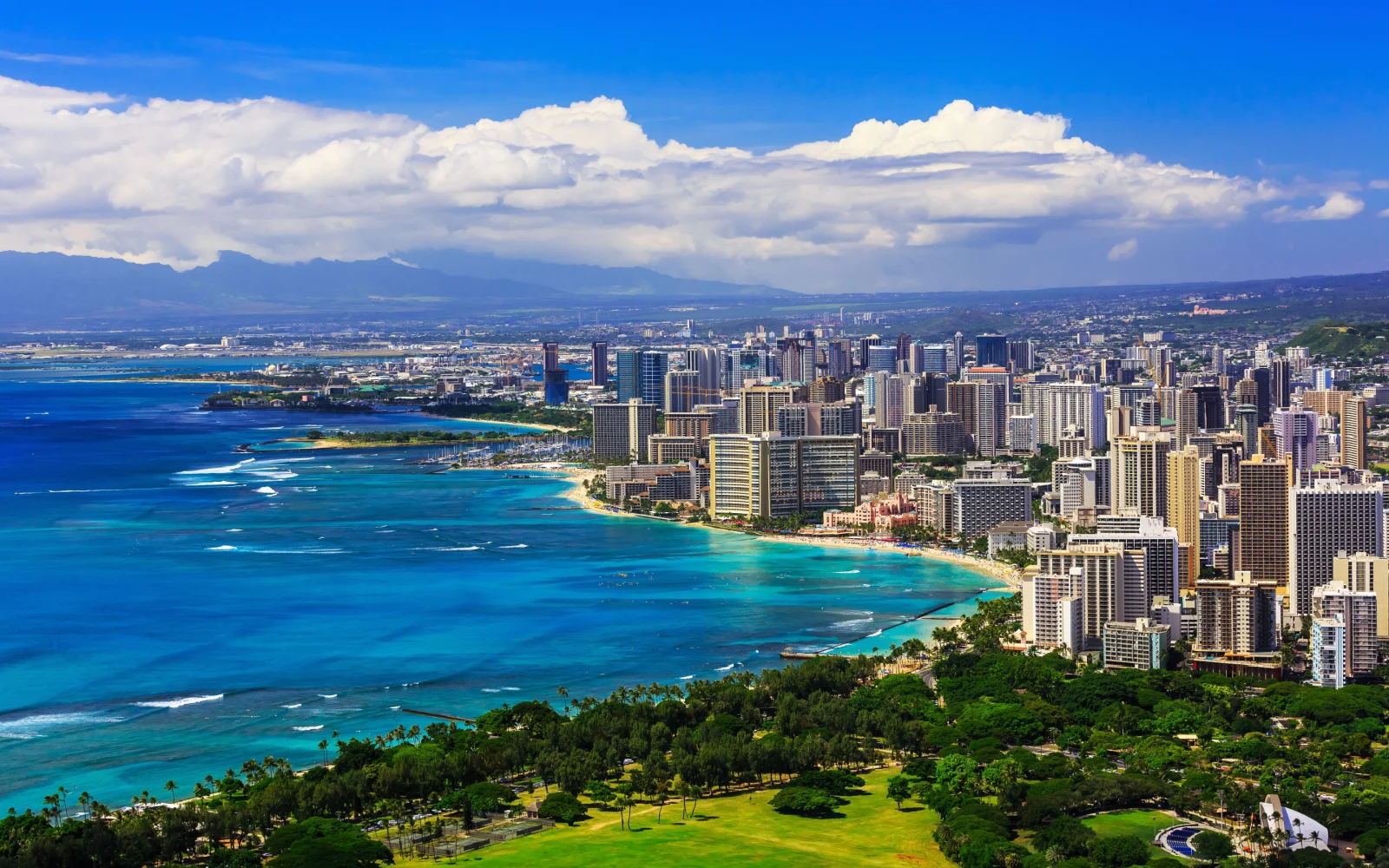
A Snapshot of Hawaii’s Population
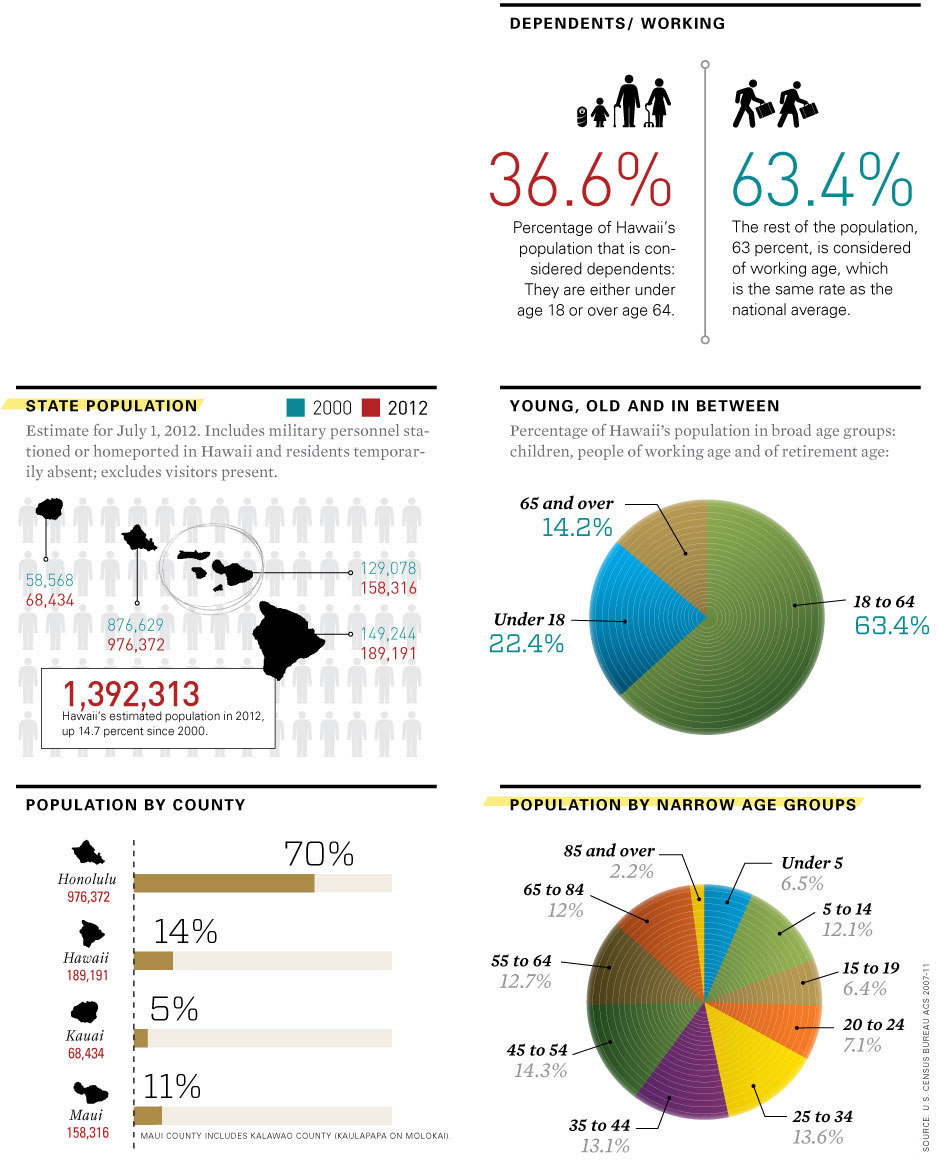
The official population of Hawaii fluctuates slightly year by year, but according to recent estimates from the United States Census Bureau, the state is home to approximately 1.4 million residents. This figure, while seemingly modest compared to many mainland states, represents a concentrated and diverse community living across a relatively small land area. It’s a population that experiences both the benefits and pressures of living in one of the world’s most desirable travel destinations.
The demographic makeup of Hawaii is as rich and varied as its landscapes. It is renowned for being the only state in the United States where Asian Americans are the largest ethnic group, a legacy of successive waves of immigration from countries like Japan, the Philippines, China, and Korea beginning in the 19th century. Native Hawaiians and other Pacific Islanders represent a significant portion of the population, carrying forward traditions and a deep connection to the land that predates Western contact. This multicultural tapestry is not just a statistic; it’s a living, breathing aspect of the state’s charm, influencing everything from the local cuisine to festivals and daily interactions.
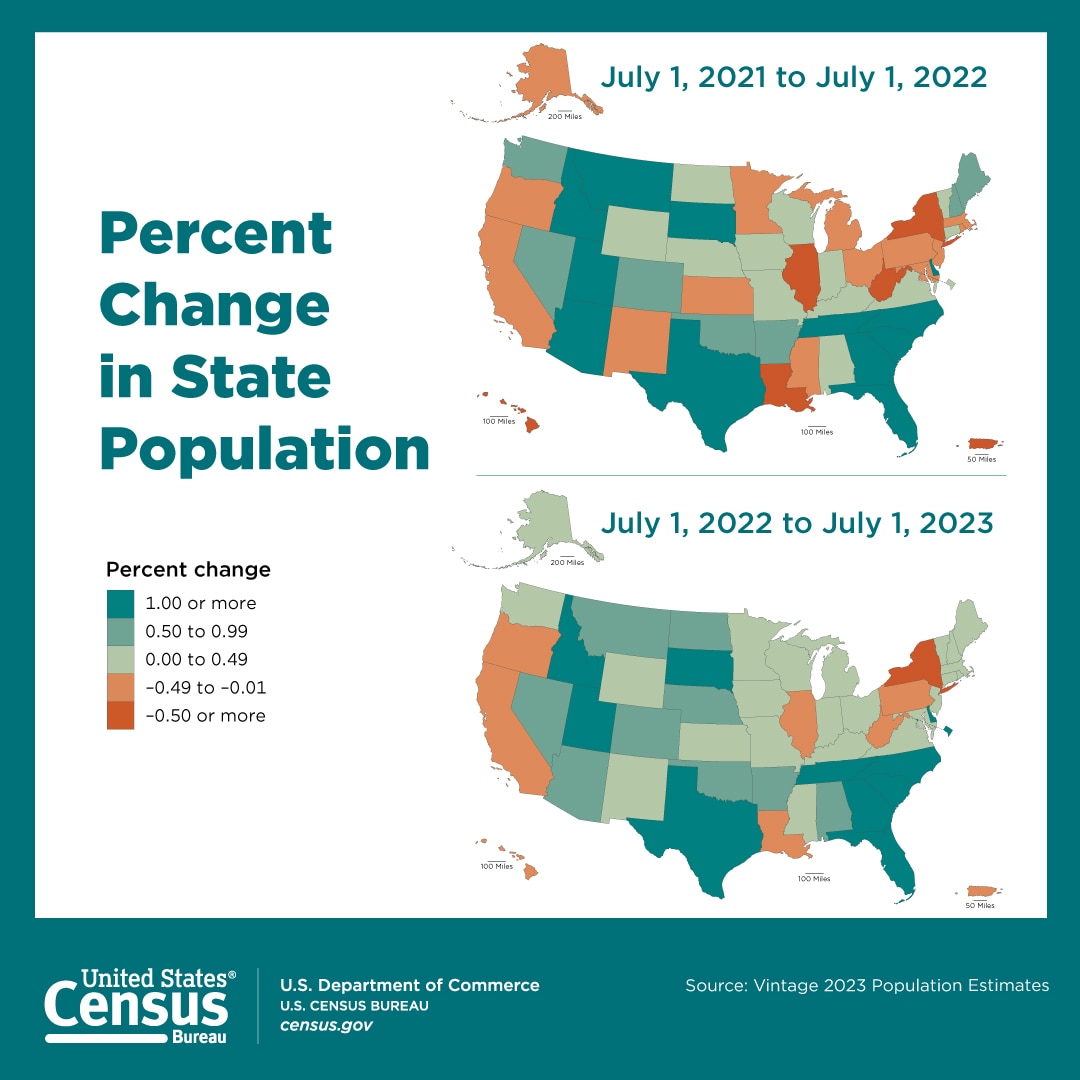
Current Demographics and Growth Trends
Hawaii’s population trends reflect a complex interplay of birth rates, migration, and economic factors. While the state has seen periods of robust growth, recent years have shown a more stable, sometimes even slightly declining, population. The high cost of living, particularly housing, is a significant factor driving some residents, especially younger generations, to seek opportunities on the mainland. Conversely, Hawaii continues to attract new residents drawn by its unique lifestyle, climate, and cultural richness.
The median age in Hawaii is slightly higher than the national average, reflecting a combination of longer life expectancies and the departure of some younger individuals. However, the presence of military families stationed on the islands, a large university system, and a thriving tourism sector contribute to a vibrant and dynamic population structure. The balance between maintaining a strong local community and managing the influx of visitors remains a constant conversation, influencing policy decisions related to development, environmental protection, and cultural preservation.
Geographic Distribution Across the Islands
The 1.4 million residents are not evenly distributed across the Hawaiian archipelago. The vast majority of the population resides on just four of the main islands, each offering a distinct living experience:
- Oahu: Home to the state capital, Honolulu, Oahu is by far the most populated island, housing over 70% of Hawaii’s residents. With approximately one million people, Oahu is the economic and political hub, boasting urban centers, military bases, and the famous Waikiki Beach. Its population density contributes to a bustling lifestyle, extensive infrastructure, and a wide array of dining, shopping (like at Ala Moana Center), and entertainment options. Major landmarks like Pearl Harbor and Diamond Head State Monument are also on Oahu, reflecting its historical significance and natural beauty.
- Maui: Known as the “Valley Isle,” Maui is the second most populated island, with around 165,000 residents. Its population is concentrated in areas like Kahului, Wailuku, Kihei, and historic Lahaina. Maui strikes a balance between tourism and local life, offering world-class resorts in Wailea and Kaanapali alongside vibrant local communities.
- Hawaii Island (The Big Island): Despite being the largest landmass, Hawaii Island is the third most populated, with roughly 200,000 residents. Its vastness means a lower population density, with residents spread across coastal towns like Hilo and Kona, and rural farming communities. The island’s active volcanoes within Hawaii Volcanoes National Park and diverse microclimates contribute to its unique appeal.
- Kauai: The “Garden Isle” has a population of approximately 73,000. Its residents predominantly live in coastal towns such as Lihue, Kapaa, Poipu, and Princeville. Kauai offers a more laid-back, nature-focused lifestyle, appealing to those seeking tranquility amidst stunning natural beauty like the Na Pali Coast.
- Molokai and Lanai: These smaller islands have significantly lower populations, with Molokai around 7,000 residents and Lanai just over 3,000. They offer a glimpse into a more traditional, rural Hawaiian lifestyle, with less development and a strong emphasis on cultural preservation.
This distribution highlights the varying experiences available across the state, from the urban energy of Honolulu to the serene landscapes of the smaller islands. Each island’s population size directly influences its infrastructure, available amenities, and the type of tourism it supports.
The Interplay Between Population and Tourism
The relationship between Hawaii’s resident population and its booming tourism industry is deeply symbiotic yet also fraught with challenges. Millions of visitors flock to the islands annually, far outnumbering the resident population. This dynamic creates a unique environment where the needs and lifestyles of permanent residents must constantly be balanced with the demands and impacts of a global tourist market.
The local population is the backbone of the tourism sector. From hotel staff and tour guides to restaurant owners and artisans, residents are the workforce that keeps the industry alive. Their daily lives are intrinsically linked to the ebb and flow of visitors, influencing traffic patterns, job availability, and the cost of living. For travelers, understanding this relationship enriches their experience, encouraging more respectful and sustainable engagement with the islands.
How Residents Shape the Tourist Experience
The very essence of the “aloha spirit” that visitors cherish is embodied by the local people. The residents of Hawaii are the custodians of its rich culture, traditions, and hospitality. They infuse the tourist experience with authenticity, sharing their stories, crafts, and culinary heritage. Whether it’s through a local luau, a surfing lesson from a kama’aina instructor, or a meal at a family-run eatery, the resident population provides the genuine cultural immersion that distinguishes a trip to Hawaii from a generic beach vacation.
Moreover, the diversity of the local population means an incredible array of food, art, and music. Visitors can explore traditional Hawaiian food, vibrant Japanese izakayas, Filipino eateries, and contemporary fusion restaurants, all shaped by the resident communities. The local markets, featuring produce grown by island farmers, and art galleries showcasing local artists, offer unique souvenirs and experiences that are direct reflections of the resident population’s talents and traditions. Engaging with these local businesses not only supports the community but also provides a deeper, more meaningful connection to the destination.
Infrastructure and Accommodation Demands
The presence of a significant resident population, alongside the millions of annual tourists, places immense demands on Hawaii’s infrastructure. Roads, water systems, waste management, and public services must cater to both groups. This is particularly noticeable on Oahu, where the density of residents and tourists alike leads to considerable traffic congestion, especially in and around Honolulu and Waikiki.
Accommodation, a critical aspect of any travel plan, is also profoundly affected by population dynamics. While hotels and resorts like the Four Seasons Resort Maui at Wailea, The Royal Hawaiian, or Turtle Bay Resort cater primarily to tourists, the demand for housing for the local workforce in these establishments is also high. This competition for land and resources contributes to Hawaii’s notorious housing crisis, impacting affordability for residents. The rise of vacation rentals, while offering diverse options for travelers, further exacerbates this issue in many communities.
When planning a trip, travelers should be mindful of these pressures. Choosing accommodations that are responsibly managed, supporting local businesses, and practicing sustainable tourism can help mitigate the impact on the local population and environment. Understanding that the pristine beaches and lush landscapes are not just backdrops for vacation photos but also the homes and livelihoods of 1.4 million people fosters a more respectful and enriching travel experience.
Lifestyle and Community: More Than Just Numbers
Beyond the statistics, the 1.4 million residents of Hawaii collectively form a vibrant tapestry of lifestyles and communities. From the bustling urban energy of Honolulu to the tranquil, agricultural rhythms of Upcountry Maui or the verdant valleys of Kauai, living in Hawaii means navigating a unique blend of ancient traditions and modern challenges. The lifestyle here is deeply rooted in respect for the land (malama 'aina) and community (ohana), principles that resonate through daily life and cultural practices.
For visitors, glimpsing this local lifestyle provides invaluable context. It moves beyond the curated tourist experiences to reveal the authentic heartbeat of the islands. Whether it’s observing local families enjoying a day at the beach, participating in a community festival, or simply noticing the relaxed pace outside of major tourist zones, these interactions offer a richer understanding of what makes Hawaii truly special.
Cultural Richness and Local Living
The cultural richness of Hawaii is a direct reflection of its diverse population. The blend of Native Hawaiian, Asian, Pacific Islander, and Western influences has created a unique cultural identity. This is evident in the language (pidgin English, spoken widely among locals), the music (from traditional mele to contemporary Jawaiian reggae), the art, and especially the food. Local dishes like poke, laulau, saimin, and shave ice are staples of everyday life, distinct from the offerings in many tourist-focused restaurants.
Living in Hawaii often involves a deep connection to nature and outdoor activities. Surfing, hiking, paddling, and fishing are not just recreational pursuits but integral parts of the local lifestyle for many. Communities gather for beach clean-ups, local sports events, and festivals celebrating everything from Ukulele to Lantern Floating. Landmarks like Haleakala National Park on Maui or the Polynesian Cultural Center on Oahu are not only attractions but also places where locals connect with their heritage and nature. This emphasis on community and the environment shapes daily routines and priorities, often prioritizing a slower, more deliberate pace of life.
The Impact on Daily Life and Sustainability
The presence of 1.4 million residents means that daily life in Hawaii is far from a perpetual vacation. Challenges such as the high cost of living, limited resources due to isolation, and the constant balancing act with tourism are part of the reality. Residents grapple with housing affordability, traffic congestion, and the preservation of natural spaces against development pressures.
Sustainability is a paramount concern for the resident population. Given the finite resources of an island state, there’s a strong emphasis on protecting the environment, conserving water, and supporting local agriculture. Initiatives to promote renewable energy, reduce waste, and protect marine ecosystems are often driven by local communities. For instance, many residents actively support local farms and businesses, reducing reliance on imported goods and strengthening the local economy. The Kauai Coffee Company, for example, is a significant employer and land user on Kauai, contributing to local agriculture and livelihoods.
Visitors who engage with these efforts, perhaps by choosing eco-friendly tours, staying in sustainable accommodations, or simply being mindful of their environmental footprint, contribute positively to the daily lives of Hawaii’s residents and the long-term health of the islands.
Planning Your Hawaiian Journey: Population Considerations
Knowing how many people live in Hawaii and understanding their distribution across the islands is crucial for any traveler looking to plan an authentic and fulfilling trip. It influences everything from where you choose to stay, to the activities you pursue, and even the pace of your vacation. Whether you’re seeking bustling urban excitement, tranquil natural escapes, or a blend of both, Hawaii’s population map provides valuable insights.
For instance, if you envision a luxury travel experience with extensive amenities and a vibrant nightlife, areas with higher population density like Honolulu on Oahu or the resort areas of Wailea and Kaanapali on Maui are ideal. Here, you’ll find a wide range of hotels, from expansive resorts like the Hilton Hawaiian Village Waikiki Beach Resort to boutique suites, and diverse dining options catering to all palates. Conversely, if a budget travel adventure or a serene family trip away from the crowds is your goal, considering less populated islands like Kauai or less developed regions of the Big Island might be more suitable. These areas often offer more opportunities for long-term stays in vacation apartments or villas, allowing for a deeper immersion into local life.
Navigating Popular Spots and Hidden Gems
The concentration of Hawaii’s population on Oahu means that its attractions, particularly those in Honolulu and Waikiki, can be incredibly busy. Iconic spots like Diamond Head or Pearl Harbor draw huge crowds daily. Planning visits during off-peak hours, booking tickets in advance, and considering alternative, lesser-known but equally beautiful sites can enhance your experience. For example, instead of only Waikiki Beach, explore local beaches on the North Shore (like Sunset Beach or Waimea Bay) or the quieter windward side of Oahu.
On islands with smaller populations, like Kauai or Molokai, even popular landmarks like the Waimea Canyon or the Na Pali Coast will offer a more tranquil experience, though still requiring planning during peak season. Researching local guides and experiences can lead you to truly hidden gems, from secluded hiking trails to family-run restaurants that are off the typical tourist radar. Resort experiences like those at Hyatt Regency Maui Resort and Spa or Andaz Maui at Wailea Resort offer luxury, but exploring local towns and markets provides a deeper connection to the islands.
Supporting Local Businesses and Culture
One of the most impactful ways to interact with Hawaii’s resident population and contribute positively to its economy is by actively supporting local businesses and cultural initiatives. Instead of defaulting to large chain establishments, seek out small, independently owned shops, restaurants, and tour operators. This directly injects money into the local community, helping to sustain families and preserve unique cultural practices.
Participate in cultural activities offered by local practitioners, visit farmers’ markets, or buy handmade crafts from local artisans. These interactions provide authentic insights into the Hawaiian way of life and foster meaningful connections. Moreover, adhering to local customs, such as removing shoes before entering homes, being respectful of sacred sites, and learning a few Hawaiian phrases (like mahalo for thank you), demonstrates an appreciation for the local culture. By being a mindful and informed traveler, you become an ally in the ongoing effort to balance tourism with the needs and desires of the 1.4 million people who proudly call Hawaii home, ensuring that the aloha spirit thrives for generations to come.