
The Boston Marathon Bombing on April 15, 2013, was a tragic event that profoundly impacted the city of Boston, the state of Massachusetts, and indeed the entire United States. It was a day that began with joyous celebration, as thousands gathered to cheer on runners competing in one of the world’s most iconic races, the Boston Marathon. This annual event, held on Patriots’ Day, is a vibrant tradition that draws participants and spectators from across the globe, transforming the streets of Boston into a festival of endurance and community spirit.
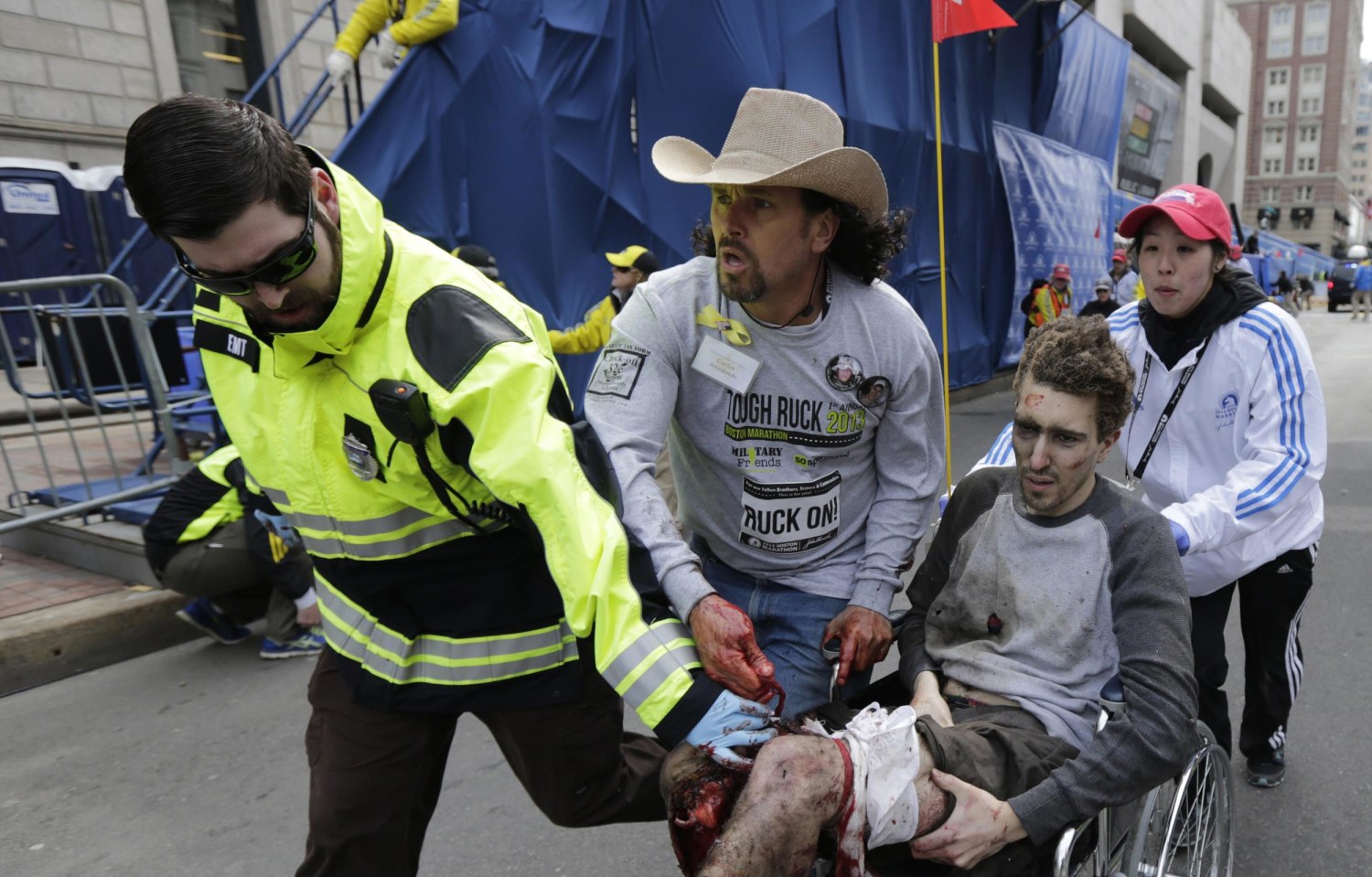
However, the festive atmosphere was shattered by two improvised explosive devices (IEDs) detonated near the finish line on Boylston Street in Copley Square. The blasts, occurring just seconds apart, turned a scene of triumph into one of chaos and terror. While the immediate focus was on the horrific loss of life, the sheer number of people injured was a stark reminder of the widespread devastation these attacks caused.
In the aftermath of the Boston Marathon Bombing, reports confirmed that more than 260 people were injured. This staggering number includes individuals who sustained a range of injuries, from minor cuts and abrasions to severe, life-altering trauma requiring extensive medical intervention and rehabilitation. The blasts tragically claimed the lives of three spectators that day: Krystle Campbell, Martin Richard, and Lingzi Lu. Additionally, MIT Police Officer Sean Collier was murdered days later by the bombers, and Boston Police Officer Dennis Simmonds died nearly a year after sustaining injuries during the manhunt.
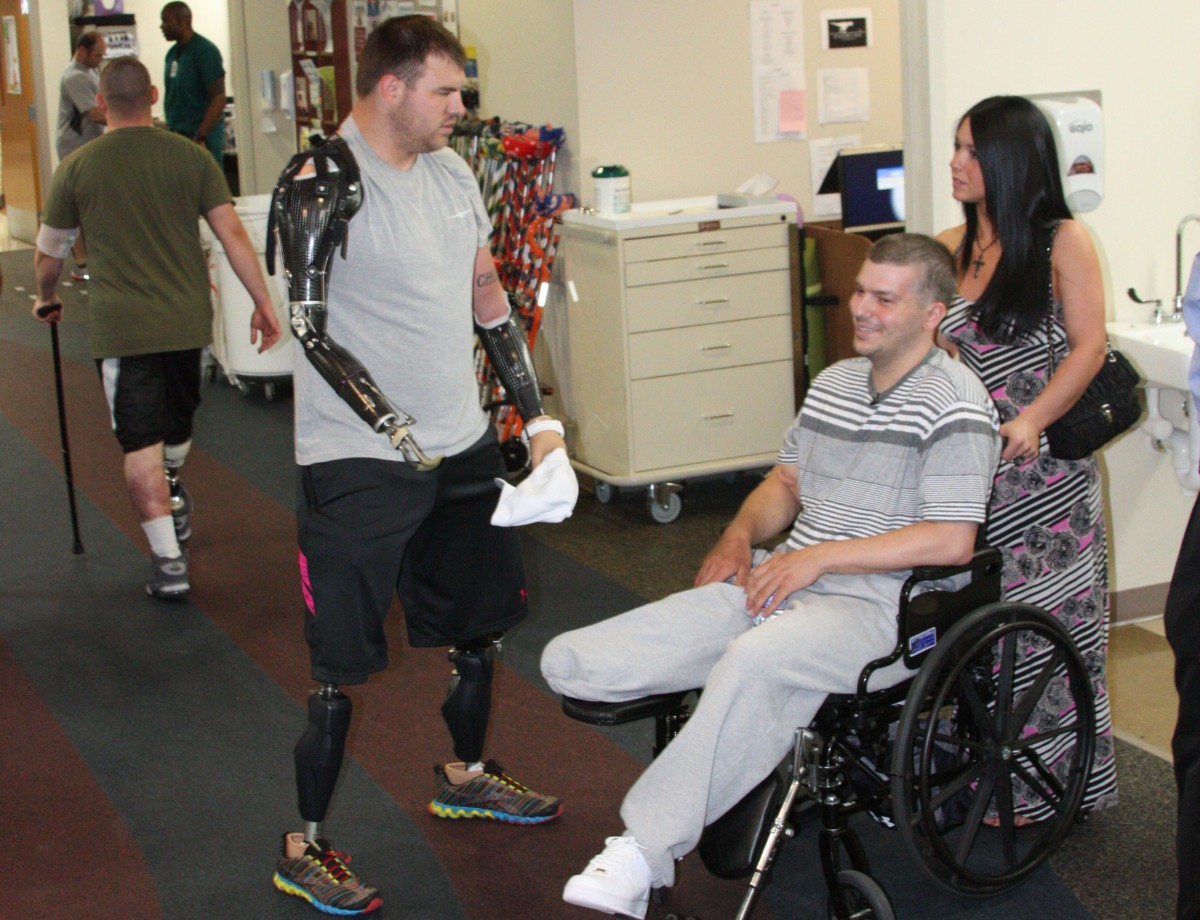
The vast majority of injuries were to the lower extremities, resulting from shrapnel, ball bearings, nails, and other debris packed into the pressure cooker bombs. Many victims suffered traumatic amputations, severe burns, hearing loss, and psychological trauma that would require years of recovery and support. The sheer scale of the incident placed an unprecedented demand on Boston’s world-class medical facilities, which responded with remarkable efficiency and coordination.
The Day That Shook a City: Understanding the Immediate Impact
The Boston Marathon, one of the oldest and most prestigious marathons globally, typically sees hundreds of thousands of spectators lining the 26.2-mile course from Hopkinton to Boston. The finish line area on Boylston Street is particularly crowded, with families and friends eagerly awaiting the arrival of their loved ones, and thousands of spectators soaking in the electric atmosphere. It’s a prime example of Boston’s vibrant urban experience, where historic architecture meets modern life.
The Tragic Numbers: Casualties and Injuries
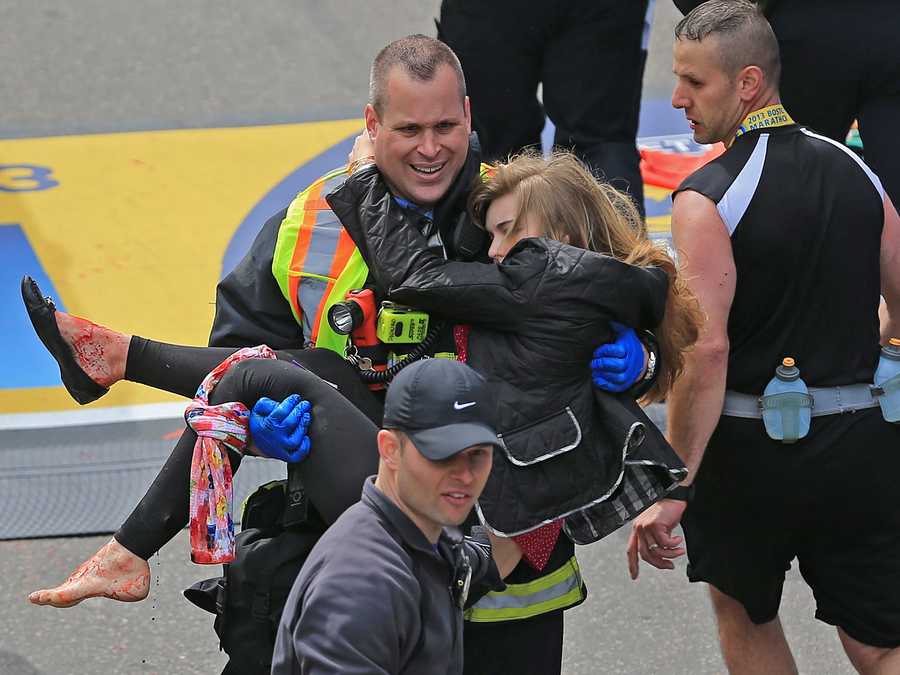
The precise number of injured individuals slightly varies across different reports, but the consensus remains that it was over 260. The nature of the injuries was particularly gruesome due to the design of the bombs. The close proximity of the explosions to the crowd meant that people absorbed the full force of the blast and the projectiles. The first responders, medical professionals, and ordinary citizens who rushed to aid the injured displayed extraordinary bravery, mitigating an even greater loss of life and helping to stabilize countless victims.
The initial chaos was overwhelming. Ambulances, police cars, and fire trucks converged on Copley Square. Makeshift triage centers were established, and runners who had just completed the marathon continued running, this time to donate blood. The efficient and rapid response of Boston’s emergency services and the preparedness of its hospitals, including major trauma centers in the Longwood Medical Area like Massachusetts General Hospital, Brigham and Women’s Hospital, and Beth Israel Deaconess Medical Center, were crucial in saving lives and minimizing long-term damage for many. The eventual rehabilitation of many victims took place at institutions like Spaulding Rehabilitation Hospital, highlighting the comprehensive medical infrastructure in Boston.
The Scene on Boylston Street
Boylston Street, ordinarily a bustling avenue famed for its shops, restaurants, and cultural institutions like the Boston Public Library and the historic Fairmont Copley Plaza hotel, became a scene of devastation. The blasts occurred near the viewing stands, directly impacting spectators, many of whom were children and families. The immediate aftermath was marked by a chilling silence followed by screams, sirens, and the frantic efforts of bystanders turning into heroes. This area, a significant landmark in the Back Bay neighborhood, is now a site of remembrance, forever etched with the memory of resilience.
Boston’s Unwavering Spirit: Resilience and Recovery
In the face of such senseless violence, Boston responded not with fear, but with an outpouring of courage, compassion, and unity. The spirit of the city, known for its deep historical roots and strong sense of community, shone brightly in the days, weeks, and years that followed. This resilience is a testament to the character of Bostonians and a powerful message to the world about overcoming adversity.
The “Boston Strong” Movement
The rallying cry “Boston Strong” quickly emerged, becoming a symbol of defiance, hope, and solidarity. It encapsulated the determination of the city to heal, rebuild, and not be defined by the actions of terrorists. This phrase resonated globally, symbolizing not just Boston’s recovery, but a universal message of human fortitude. The community came together through fundraising efforts, support networks, and countless acts of kindness, ensuring that victims and their families received the necessary care, both physical and psychological. Events like concerts, charity runs, and public gatherings reinforced this collective spirit, turning moments of grief into opportunities for communal strength.
The “Boston Strong” ethos also extended to the annual Boston Marathon itself. In the subsequent years, the marathon became an even more poignant event, a powerful testament to endurance and the triumph of the human spirit. Security measures were significantly enhanced, transforming the spectator experience while preserving the race’s core essence of challenge and community. Runners, many wearing “Boston Strong” apparel, ran not just for themselves, but for those affected, their every stride a defiant act of remembrance and resilience.
Commemorating the Lives Affected
Today, visitors to Boston can find solemn yet beautiful tributes to the victims and survivors of the Boston Marathon Bombing. Permanent memorials have been established on Boylston Street, near the locations of the two explosions. These memorials feature bronze spires, granite stones inscribed with the victims’ names, and cherry trees that blossom each spring, offering a peaceful space for reflection and remembrance. They are designed to honor the lives lost, acknowledge the immense suffering of the injured, and celebrate the enduring spirit of the city.
These sites are not just memorials to a tragic event but serve as powerful landmarks that convey a story of courage and recovery. They are integrated into the vibrant fabric of Copley Square, standing alongside architectural marvels like Trinity Church and Old South Church, reminding all who visit of the strength of the human spirit in the face of adversity. For tourists, these memorials offer a chance to connect with a significant piece of modern Boston history and to pay respects in a contemplative setting.
Beyond the Headlines: Boston as a City of Endurance and Attraction
While the Boston Marathon Bombing remains a somber chapter in the city’s history, it does not define Boston. The city continues to thrive as a premier destination for travel, tourism, and lifestyle experiences, celebrated for its rich history, vibrant culture, and intellectual prowess. Its ability to absorb such a shock and emerge stronger is, in itself, a compelling aspect of its identity.
The Significance of the Boston Marathon Route
The Boston Marathon route itself winds through several picturesque towns in Massachusetts, including Newton and Wellesley, before reaching the city limits. This journey through varied New England landscapes offers a unique perspective on the region’s charm. For tourists interested in understanding the full scope of this legendary race, tracing parts of the route can be an insightful experience. The final miles, especially the iconic “Heartbreak Hill” in Newton and the descent into Boston, are legendary among runners and spectators alike.
Exploring Boston through the lens of the marathon provides a deeper appreciation for its character – a blend of colonial heritage, academic excellence, and a passionate sporting culture. It highlights the pedestrian-friendly nature of many of its districts, making it an ideal destination for those who enjoy walking tours and discovering hidden gems.
Exploring Historical Landmarks Near the Finish Line
The area surrounding the Boston Marathon finish line is a treasure trove of historical and cultural landmarks. Copley Square is a prime example of Boston’s architectural grandeur, featuring the magnificent Boston Public Library and the stunning Romanesque architecture of Trinity Church. A short walk takes visitors to the Public Garden and Boston Common, the oldest park in the United States, offering serene green spaces amidst the urban bustle.
Further afield, the Freedom Trail offers a walking tour of 16 historically significant sites, from the Old State House to Faneuil Hall, immersing visitors in the story of the American Revolution. The vibrant North End beckons with its Italian heritage and delicious food, while the world-class Museum of Fine Arts and the exquisite Isabella Stewart Gardner Museum provide cultural enrichment. For those interested in academia, a short trip across the Charles River leads to Cambridge, home to prestigious institutions like Harvard University and the Massachusetts Institute of Technology.
Planning Your Visit: Experiencing Boston’s Rich Heritage
Boston offers a diverse array of experiences, catering to all types of travelers. Whether you’re seeking luxury travel, a budget-friendly adventure, a family trip, or a business stay, the city provides an unparalleled backdrop of history, innovation, and vibrant urban life.
Accommodation and Travel Tips for the Modern Tourist
When planning a trip to Boston, visitors will find a wide range of accommodation options. Historic hotels like the Omni Parker House offer a glimpse into the past, while luxury hotels such as the Mandarin Oriental Boston or The Lenox Hotel provide modern comforts and amenities. Boutique hotels in neighborhoods like the Back Bay or the South End offer unique charm, and numerous apartments and villas are available for longer stays or those seeking a more local experience.
Public transportation in Boston is excellent, making it easy to navigate between attractions. Walking is also highly recommended, particularly for exploring the compact, historic neighborhoods. Consider visiting during the spring or fall for pleasant weather and fewer crowds, though summer brings lively outdoor activities and winter offers a cozy, festive atmosphere.
Cultural Immersion and Lasting Memories
A visit to Boston is more than just checking off landmarks; it’s an opportunity for cultural immersion. From enjoying fresh seafood at Quincy Market near Faneuil Hall, catching a Red Sox game at Fenway Park, or exploring the quaint streets of Beacon Hill, the city offers countless ways to create lasting memories. Beyond the urban core, day trips to scenic destinations like Cape Cod, Martha’s Vineyard, or Nantucket offer a taste of New England’s coastal beauty.
The story of the Boston Marathon Bombing is a poignant one, marked by sorrow but ultimately defined by an extraordinary demonstration of human resilience. The city’s journey from tragedy to unwavering strength serves as a powerful testament to its enduring spirit. For travelers, Boston offers a destination rich in history, culture, and a profound sense of community, ensuring that its legacy is one of courage, remembrance, and an unyielding commitment to moving forward.
LifeOutOfTheBox is a participant in the Amazon Services LLC Associates Program, an affiliate advertising program designed to provide a means for sites to earn advertising fees by advertising and linking to Amazon.com. Amazon, the Amazon logo, AmazonSupply, and the AmazonSupply logo are trademarks of Amazon.com, Inc. or its affiliates. As an Amazon Associate we earn affiliate commissions from qualifying purchases.