
The Boston Marathon bombing on April 15, 2013, was a horrific act of domestic terrorism that deeply impacted the city of Boston and the entire United States. While the immediate shock focused on the scale of the attack, one of the most poignant questions that emerged, and continues to be asked, is about the human cost: how many lives were tragically cut short on that day and in its immediate aftermath? The simple answer, often cited, is three people died at the scene of the explosions, and one police officer was killed in the subsequent manhunt. However, the true impact extends far beyond this number, encompassing hundreds of injured individuals whose lives were irrevocably altered, and a community forever marked by loss and resilience.
This event serves as a stark reminder of how public spaces, often synonymous with celebration and gathering, can be targeted, transforming a moment of joy into one of profound sorrow. For those planning to visit Boston or understand its history, particularly its significant landmarks and cultural events, it’s crucial to acknowledge the tragedy of the Boston Marathon bombing and the enduring spirit of its people. This article aims to provide a comprehensive overview of the fatalities, the broader human impact, the response of the community, and how this event is commemorated today, ensuring that these lives are remembered and understood within the context of Boston’s rich narrative.
The Tragic Day: April 15, 2013
The second Monday in April is traditionally Patriots’ Day in Massachusetts, a state holiday that culminates in the historic Boston Marathon. On April 15, 2013, the atmosphere along Boylston Street, near the marathon’s finish line in Copley Square, was one of jubilant celebration. Thousands of runners, many having trained for months, were nearing the culmination of their arduous journey, cheered on by an equally vast crowd of spectators, families, and friends. The air was thick with excitement, the sounds of cheers, and the rhythm of footsteps. It was a perfect spring day, emblematic of Boston’s vibrant community spirit and its love for this iconic athletic event, which draws participants and visitors from across the globe, contributing significantly to the city’s tourism and accommodation sectors.
The Scene at the Finish Line
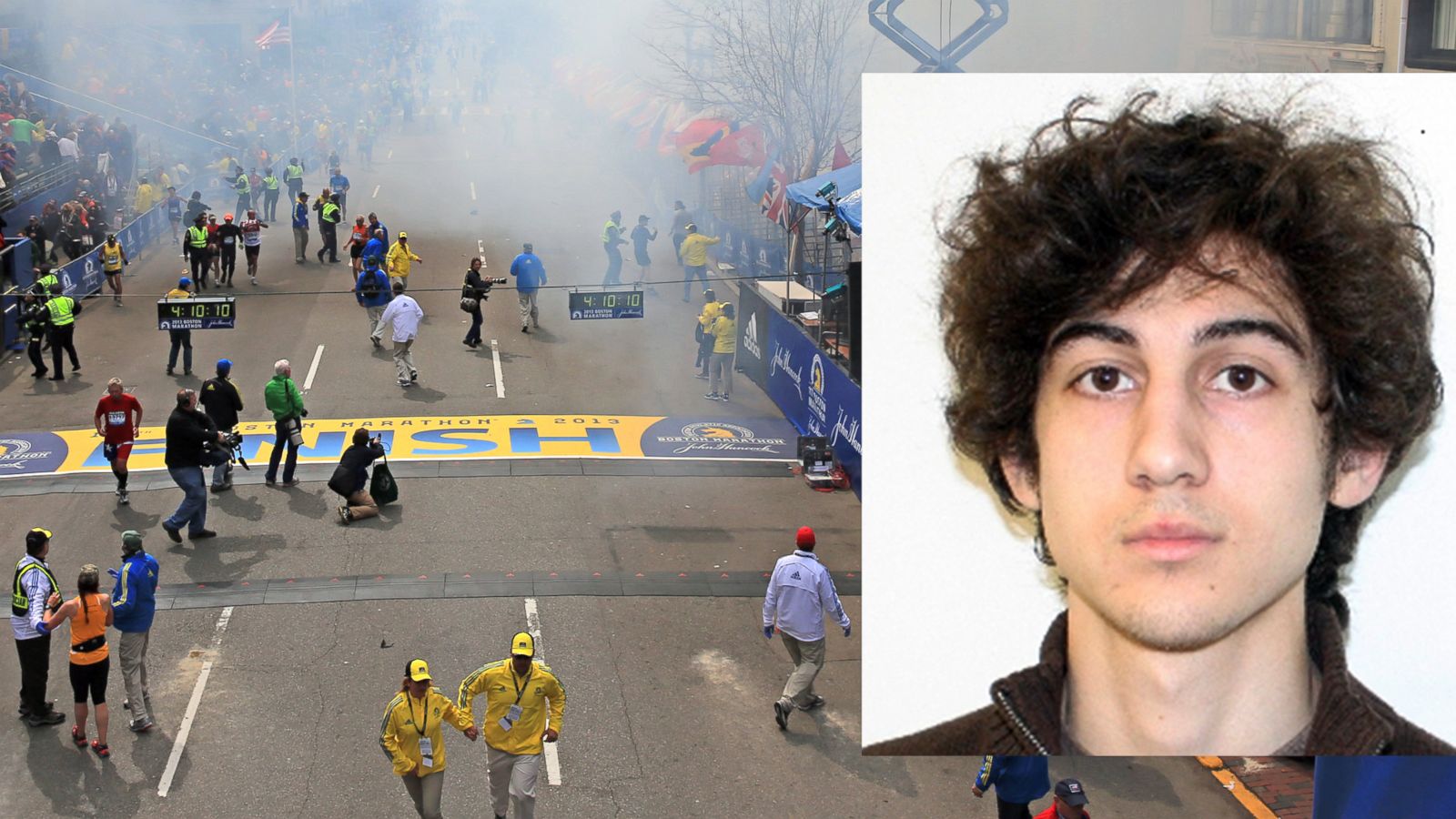
At approximately 2:49 p.m., just over five hours into the race, two pressure cooker bombs detonated within quick succession, mere seconds and blocks apart, amidst the dense crowds lining Boylston Street. The first explosion occurred near the finish line, outside the Boston Public Library, a landmark cherished for its architectural grandeur and historical significance. The second blast followed rapidly, further down the street, close to the Marriott Copley Place hotel and Forum restaurant.
The joyful noise instantly morphed into a cacophony of screams, sirens, and the chilling silence that often precedes chaos. Smoke billowed into the sky, debris rained down, and the celebratory banners and flags were torn and singed. Runners, who moments before had been pushing towards their personal bests, stumbled and fell, their triumph abruptly replaced by terror and confusion. Spectators, many with their mobile phones poised to capture finish-line moments, instead documented the horrific aftermath. The area, usually bustling with tourists and locals enjoying the Back Bay neighborhood’s shops, hotels, and vibrant street life, was instantly transformed into a disaster zone. The immediate response from emergency services, marathon volunteers, and even fellow runners and spectators was heroic, as they rushed to aid the wounded amidst the unfolding tragedy.

The Immediate Aftermath
In the immediate aftermath, the focus shifted from celebration to crisis management. First responders, including police, firefighters, and paramedics, swarmed the scene, establishing triage areas and transporting the critically injured to nearby hospitals. The bombs, packed with shrapnel, ball bearings, and nails, caused devastating injuries. Hospitals throughout Boston, including Brigham and Women’s Hospital and Massachusetts General Hospital, were inundated with patients suffering from severe trauma, including traumatic amputations, burns, and hearing loss. The quick and coordinated response of the city’s robust medical community was credited with saving many lives, a testament to its world-class healthcare infrastructure.
The city went into lockdown, and a massive manhunt began for those responsible. The festive atmosphere of Patriots’ Day was replaced by an eerie quiet, punctuated by the wail of sirens and the somber reports from news channels. The immediate question on everyone’s mind, beyond the identities of the perpetrators, was the human toll. The numbers began to trickle in: the injured, the critically wounded, and tragically, those who did not survive.
Remembering the Victims
The initial explosions claimed the lives of three individuals at the scene, innocent victims whose lives were inextricably linked to the marathon. Their stories are a somber reminder of the randomness of such violence and the profound ripple effect it has on families, friends, and communities.
Krystle Campbell, Lu Lingzi, Martin Richard, and Officer Sean Collier
Krystle Campbell, a 29-year-old restaurant manager from Medford, Massachusetts, was at the finish line with a friend, waiting to cheer on her friend’s boyfriend. Described by her family as a vibrant and outgoing young woman who loved to spend time with her loved ones, Krystle’s death sent shockwaves through her local community. Her presence at the marathon was a testament to the community spirit that defines the event, bringing together people from all walks of life.
Lu Lingzi, a 23-year-old graduate student from Shenyang, China, was attending Boston University and had come to watch the marathon with friends. Her dream was to pursue a career in finance. Lu Lingzi’s story highlights Boston’s status as a global hub for education, attracting students and visitors from around the world. Her tragic death resonated internationally, reminding us of the diverse fabric of the city and its connections to countries far beyond its borders.
Martin Richard, an 8-year-old boy from Dorchester, a neighborhood in Boston, was at the marathon with his family to watch his father run. Martin was an avid participant in local sports and community activities, known for his infectious smile and his message of “No more hurting people. Peace.” which he had written on a poster just weeks before the bombing. His death, particularly given his young age and his family’s deep ties to the Boston community, became a profound symbol of the innocence lost. The Richard Family Foundation was established in his honor, promoting peace, justice, and community engagement.
Beyond these three, an additional life was lost in the days immediately following the bombing, a direct consequence of the subsequent manhunt. Sean Collier, a 26-year-old police officer with the Massachusetts Institute of Technology (MIT) Police Department, was tragically ambushed and killed by the bombers on the night of April 18, 2013, as the perpetrators attempted to evade capture. Officer Collier’s death underscored the danger faced by law enforcement officials during such critical periods and added another layer of sorrow to the tragedy.
In total, four lives were lost as a direct result of the Boston Marathon bombing and its immediate aftermath.
The Injured and Their Stories
While the loss of four lives is immeasurable, it only tells part of the story of the human cost. Over 260 other individuals were injured in the blasts, many catastrophically. These injuries ranged from severe burns and shrapnel wounds to traumatic brain injuries and the loss of limbs. Many survivors underwent multiple surgeries, years of physical therapy, and enduring psychological trauma. The images of those with life-altering injuries, particularly those who lost legs, became indelible symbols of the attack’s brutality.
The stories of survivors like Jeff Bauman, who assisted the Federal Bureau of Investigation (FBI) in identifying one of the bombers despite his severe injuries, and the courage of families who navigated unimaginable challenges, became powerful testaments to the strength of the human spirit. These individuals, and the extensive medical and emotional support networks that formed around them, demonstrate the long-term impact of such an event, stretching far beyond the initial headlines and the physical proximity to the explosion sites. For those interested in Boston’s culture and resilience, understanding the journeys of these survivors is as vital as acknowledging those who perished.
The Investigation and Pursuit of Justice
The days following the bombing were a blur of intense investigation, a massive public safety response, and an unprecedented manhunt that gripped the nation. The swift and determined efforts of law enforcement agencies, aided by countless tips from the public, were crucial in bringing the perpetrators to justice.
The Manhunt and Capture
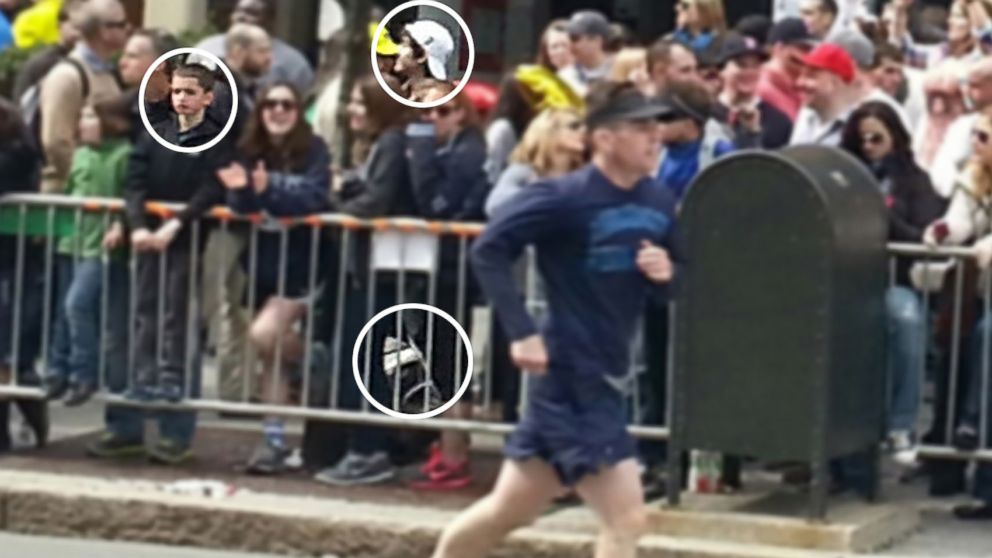
Within hours of the attack, the Federal Bureau of Investigation (FBI) took charge of the investigation, launching one of the most extensive manhunts in United States history. Surveillance footage from businesses and public cameras along Boylston Street quickly became critical. Images of two young men carrying backpacks near the finish line moments before the explosions were released to the public, identifying them as suspects. These images, shared widely across media and social platforms, led to an outpouring of public assistance.
The suspects were identified as brothers Tamerlan Tsarnaev, 26, and Dzhokhar Tsarnaev, 19. The situation escalated dramatically on the evening of April 18, 2013, when the brothers fatally shot Officer Sean Collier at the MIT campus in Cambridge. They subsequently carjacked a man, leading to a frantic pursuit and a violent shootout with police in Watertown, Massachusetts, in the early hours of April 19. During the shootout, Tamerlan Tsarnaev was severely wounded and later died. Dzhokhar Tsarnaev managed to escape, leading to an unprecedented lockdown of Boston and its surrounding suburbs, with residents ordered to shelter in place. Public transportation ceased, and the streets of one of America’s busiest cities became eerily deserted.
The lockdown ended when Dzhokhar Tsarnaev was discovered hiding in a boat in a backyard in Watertown later that evening. His capture brought an end to the four-day reign of terror, allowing Boston to begin the slow process of healing and recovery. The coordinated response of various law enforcement agencies, from local police to state troopers and federal agents, was widely praised for its efficiency and determination, showcasing the strong collaborative infrastructure within Massachusetts’s public safety network.
The Trial and Sentencing
The legal proceedings against Dzhokhar Tsarnaev commenced in 2015. The trial, held in a Boston federal court, was a harrowing process, bringing back painful memories for the victims, their families, and the entire city. Prosecutors presented overwhelming evidence, including extensive video footage, forensic analysis, and the defendant’s own statements, detailing his and his brother’s radicalization and their deliberate planning and execution of the attack.
Tsarnaev was found guilty on all 30 counts against him, which included conspiracy and use of a weapon of mass destruction resulting in death. The sentencing phase was equally intense, with survivors and victims’ families delivering emotional impact statements. In May 2015, Dzhokhar Tsarnaev was sentenced to death by lethal injection. While the appeals process has been lengthy, his conviction and sentence stand as a testament to the pursuit of justice for the lives lost and forever altered by his actions. The legal process, while painful, allowed the community to see that accountability was sought and delivered, a critical step in the journey of recovery.
Boston’s Resilience and Legacy
In the wake of the Boston Marathon bombing, the city’s response was defined by an extraordinary outpouring of courage, compassion, and unity. This collective spirit, encapsulated by the phrase “Boston Strong,” became a beacon of resilience, transforming a moment of profound vulnerability into a powerful demonstration of community strength.
The “Boston Strong” Movement
The “Boston Strong” slogan quickly emerged as a rallying cry, seen on t-shirts, banners, and social media worldwide. It symbolized the city’s refusal to be intimidated by terror and its unwavering commitment to supporting victims, rebuilding, and moving forward. The movement galvanized not only Boston residents but also people across the United States and beyond, who contributed to relief funds, offered emotional support, and participated in events designed to honor the victims and reinforce the city’s indomitable spirit. Charitable organizations like The One Fund Boston were established, raising millions of dollars to assist survivors and the families of those who died.
This collective response transformed the tragedy into a powerful narrative of communal solidarity. The resilience of Boston was evident in the rapid reopening of Boylston Street, the outpouring of support for injured marathoners, and the determination to hold the Boston Marathon again the following year, stronger and more vibrant than ever. The phrase “Boston Strong” transcends a mere slogan; it embodies the character of a city that, when faced with adversity, comes together with unwavering resolve and compassion.
The Boston Marathon Memorial
To honor the victims and commemorate the enduring spirit of the city, the official Boston Marathon Memorial was unveiled in 2019. Located on Boylston Street, near the sites of the two explosions and directly adjacent to the marathon’s finish line, the memorial is a thoughtful and poignant tribute. Designed by landscape architect Martin P. Zogran of Sasaki Associates, it consists of two distinct, yet harmoniously connected, areas.
Each memorial area features bronze spires and individual granite markers inscribed with the names of Krystle Campbell, Lu Lingzi, and Martin Richard, along with their ages. Officer Sean Collier’s name is also included in a separate, yet connected, element. The design incorporates elegant lighting, trees, and stone pavers, creating a reflective space that invites contemplation. The memorial includes a small plaza with a large stone bearing the words “Boston Strong,” further reinforcing the community’s message of defiance and hope. It is a place of remembrance, not just for the lives lost, but also for the courage of those who were injured and the extraordinary humanity that emerged from the darkest of moments. The memorial has become an important landmark for visitors, offering a solemn space to reflect on the event and the city’s enduring resilience.
Visiting Boston: A City of History and Strength
For travelers planning a visit to Boston, the city offers a profound blend of historical significance, vibrant culture, and modern appeal. While the tragic events of April 15, 2013, are an indelible part of its recent history, they do not define the city’s overall character. Instead, they highlight its profound strength and unity.
When exploring Boston’s iconic landmarks, from the historic Freedom Trail and Faneuil Hall to the architectural marvels of Trinity Church and Old South Church in Copley Square, visitors can gain a deeper appreciation for its layered past. The Boston Marathon Memorial on Boylston Street stands as a respectful reminder of the tragedy and a testament to the city’s resilience. It serves as a place for quiet reflection, allowing visitors to connect with the human story behind the headlines.
Boston continues to host the Boston Marathon every year, an event that draws hundreds of thousands of spectators and athletes, further cementing its status as a world-class city for sports and tourism. The atmosphere during the marathon is now infused with an even deeper sense of community and triumph over adversity. Beyond specific historical sites, the city’s rich academic environment, vibrant arts scene, diverse culinary experiences, and beautiful natural settings along the Charles River and in its many parks make it an exceptional destination for any traveler.
Whether you’re exploring the academic corridors of MIT and Harvard University, catching a game at Fenway Park, or delving into the collections at the Museum of Fine Arts, Boston offers a compelling narrative of innovation, revolution, and enduring human spirit. The story of the Boston Marathon bombing and its aftermath adds a profound, albeit somber, chapter to this narrative, underscoring the strength and unity that define this iconic New England city. Visitors are not just seeing historic buildings; they are witnessing the heart of a community that faced unimaginable pain and emerged stronger, embodying a lifestyle of resilience and hope.
LifeOutOfTheBox is a participant in the Amazon Services LLC Associates Program, an affiliate advertising program designed to provide a means for sites to earn advertising fees by advertising and linking to Amazon.com. Amazon, the Amazon logo, AmazonSupply, and the AmazonSupply logo are trademarks of Amazon.com, Inc. or its affiliates. As an Amazon Associate we earn affiliate commissions from qualifying purchases.