
Embarking on the journey to obtain a driver’s permit in Florida is a significant milestone for many, opening up a world of independence, opportunity, and, most excitingly, travel. For residents and newcomers alike, understanding the intricacies of the Florida permit test is the first crucial step toward unlocking the freedom of the open road. Florida, a state renowned for its stunning beaches, vibrant cities, and diverse attractions, offers an unparalleled canvas for road trips and exploration. From the bustling streets of Miami to the enchanting theme parks of Orlando and the serene beauty of the Florida Keys, having a driver’s license transforms how you experience this incredible destination.

Before you can navigate the scenic routes of the Gulf Coast or cruise along the historic avenues of St. Augustine, you must first conquer the permit test. Often a source of anxiety, knowing exactly what to expect can significantly ease the preparation process. This comprehensive guide will demystify the Florida permit test, focusing on the number of questions, the test format, and essential preparation strategies. Beyond just passing the test, we’ll explore how this permit is your gateway to experiencing the best of Florida’s travel, tourism, and lifestyle offerings, from finding the perfect accommodation for your adventures to discovering hidden landmarks and local culture.
Understanding the Florida Permit Test Structure: Your First Step to Freedom
The Florida permit test, officially known as the Class E Knowledge Exam, is administered by the Florida Department of Highway Safety and Motor Vehicles (DMV). This test is designed to assess your understanding of Florida’s traffic laws, road signs, and safe driving practices. It’s a fundamental requirement for anyone seeking a learner’s permit, typically for individuals aged 15 to 17, but also for adults who have never held a driver’s license. The permit test is not just a formality; it’s a critical safety measure ensuring that new drivers have a foundational knowledge of how to safely operate a vehicle and interact with other road users in the state’s diverse driving environments.
The Knowledge Exam: What to Expect
The core of the Florida permit test is the knowledge exam, which consists of 50 multiple-choice questions. These questions are drawn directly from the official Florida Driver’s Handbook, covering two primary sections:
- Road Rules: This section evaluates your understanding of traffic laws, including right-of-way rules, speed limits, parking regulations, turning signals, passing procedures, and what to do in various driving scenarios. It’s crucial to know the specific nuances of Florida law, as they can sometimes differ from other states. For instance, understanding the implied consent law or the rules around school bus stops is vital.
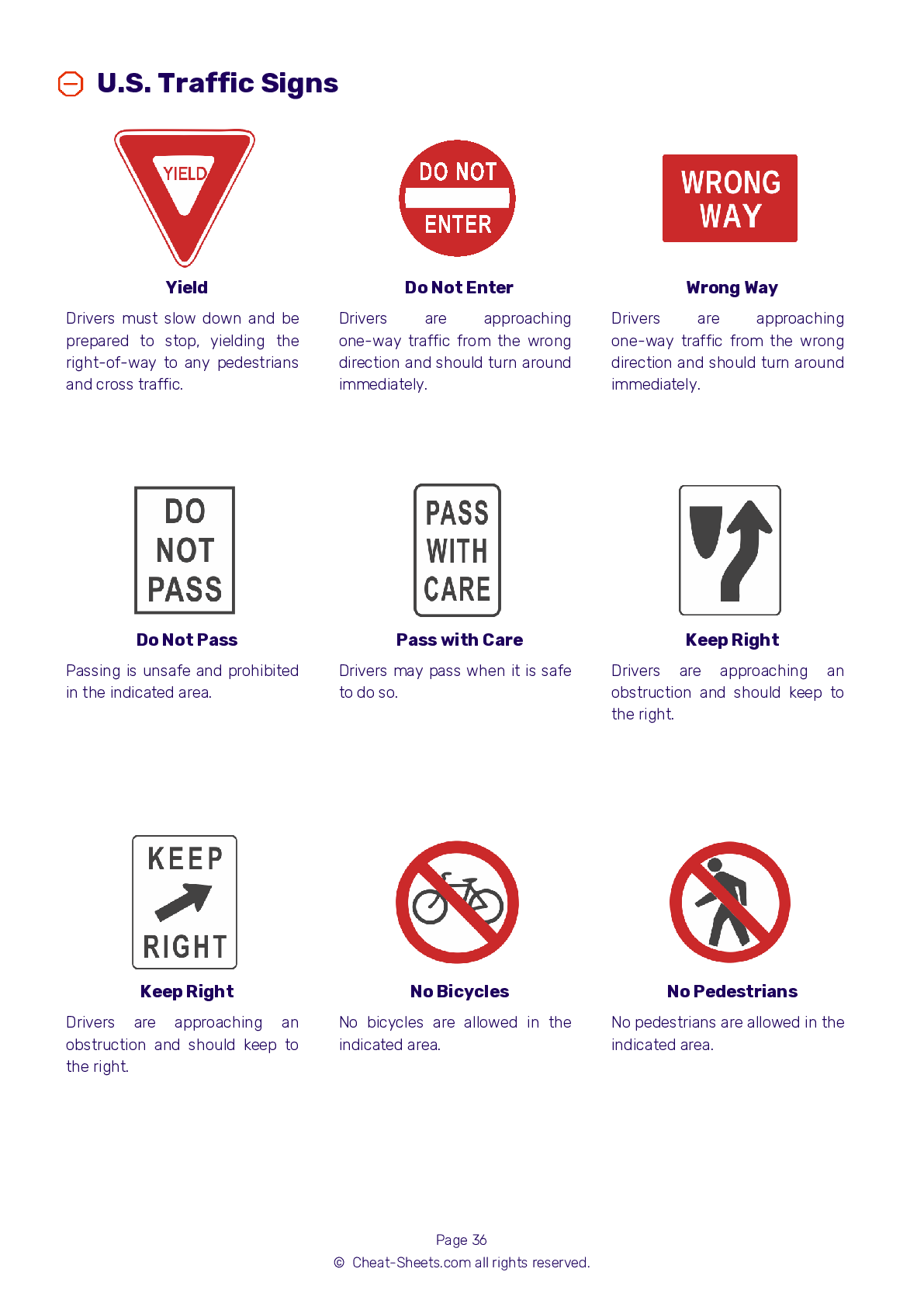
- Road Signs: This part tests your ability to identify and understand the meaning of various traffic signs, signals, and pavement markings. From regulatory signs like “Stop” and “Yield” to warning signs and guide signs, recognizing these visual cues is paramount for safe navigation. The test will present images of signs, and you’ll need to select the correct meaning from the given options.
To pass the knowledge exam, you must answer at least 40 out of 50 questions correctly, which translates to an 80% passing score. This requirement emphasizes the importance of thorough preparation, as simply skimming the handbook won’t suffice. Each question is designed to test practical knowledge that you’ll need every day on Florida’s roads, whether you’re commuting through Tampa or planning a family trip to Walt Disney World Resort.
The Vision Test: A Quick Check
In addition to the written knowledge exam, applicants for a Florida learner’s permit must also pass a vision test. This is a straightforward assessment conducted at the DMV service center. You’ll be asked to read letters or numbers on an eye chart from a specific distance. The purpose of this test is to ensure that your vision meets the minimum standards required for safe driving. If you wear corrective lenses (glasses or contact lenses), be sure to wear them during the test, as any restrictions will be noted on your permit. While not a “question” test in the traditional sense, it’s a mandatory component that determines your eligibility to drive. Passing this ensures you can clearly see road signs, traffic, and potential hazards, making your future travels across Florida safer and more enjoyable.
Preparing for Success: Mastering the Road Ahead
Achieving that passing score on the Florida permit test requires more than just good luck; it demands diligent preparation. Think of this preparation as the initial planning phase for any great Florida adventure. Just as you wouldn’t embark on a trip to the Everglades National Park without packing essentials, you shouldn’t approach the permit test without solid study habits. The goal is not merely to memorize answers but to genuinely understand the rules of the road, which will serve you well for a lifetime of safe driving, whether for daily commutes or exploring Florida’s many attractions.
Essential Study Materials and Resources
The cornerstone of your preparation should be the official Florida Driver’s Handbook. This comprehensive guide is available for free on the Florida DMV website and at most service centers. Every single question on the permit test is derived from the information contained within this handbook. It’s not a light read, but every chapter holds critical information. Focus particularly on sections discussing traffic laws, road signs, and safe driving practices. Reading it multiple times, highlighting key points, and making notes can significantly aid retention.
Another mandatory requirement for first-time drivers in Florida (those seeking a Class E license) is to complete a Drug Alcohol Traffic Education (DATE) course, also known as Traffic Law and Substance Abuse Education (TLSAE). This course, often available online, typically takes 4 hours and covers the impact of drugs and alcohol on driving, Florida traffic laws, and safe driving attitudes. While not directly part of the 50-question knowledge test content, completing the DATE course is a prerequisite for taking the permit exam and provides valuable insights into responsible driving practices that contribute to overall road safety.
Beyond the official handbook, consider supplementing your study with reputable online resources. Many websites offer summaries, quizzes, and even video tutorials that break down complex topics into more digestible formats. Look for resources specifically tailored to Florida driving laws, as regulations vary by state.
Practice Makes Perfect: Utilizing Practice Tests
One of the most effective strategies for preparing for the Florida permit test is to take multiple practice tests. These mock exams simulate the actual test environment, familiarizing you with the question format, timing, and types of questions you’ll encounter.
Here’s how practice tests can help:
- Identify Weak Areas: By consistently taking practice tests, you’ll quickly pinpoint sections where your knowledge is lacking. Are you consistently missing questions about specific road signs? Or perhaps right-of-way rules are confusing? Once identified, you can go back to the Florida Driver’s Handbook and focus your study efforts on those particular topics.
- Build Confidence: Repeated exposure to the test format reduces anxiety on the actual exam day. The more you practice, the more confident you’ll become in your ability to answer questions accurately and efficiently.
- Improve Recall: Practice tests reinforce the information you’ve studied, helping you commit rules and signs to long-term memory. It’s an active form of learning that is far more effective than passive reading.
- Time Management: While the 50 questions might seem like a lot, you typically have enough time to complete the test. However, practicing under timed conditions can help you learn to read questions carefully and make decisions without rushing.
Many online platforms offer free Florida permit practice tests. Aim to consistently score above 80% on these practice exams before you schedule your official test. This will give you a strong indication that you’re ready to pass the actual knowledge exam with confidence. Remember, the ultimate goal isn’t just to pass, but to internalize the information that will keep you and others safe on Florida’s roads, allowing you to enjoy everything from a quiet stay at a beachfront resort in Sarasota to a lively weekend in Fort Lauderdale.
Beyond the Permit: Exploring Florida with Your New License
Once you’ve successfully passed the Florida permit test and acquired your learner’s permit, a new chapter of exploration begins. While a learner’s permit comes with restrictions (e.g., driving with a licensed driver over 21, daytime-only driving for the first three months), it’s your first step toward independent travel. Florida is a state built for road trips, offering an incredible variety of destinations, attractions, and experiences that cater to every kind of traveler, from luxury seekers to budget adventurers, families, and solo explorers.
Iconic Florida Destinations for New Drivers
With your permit in hand, and eventually a full driver’s license, the possibilities for exploring Florida are endless. Imagine driving down scenic coastal highways or venturing into the heart of vibrant cities.
- Theme Park Capital: Orlando is home to world-renowned attractions like Disney World and Universal Studios. Having a license makes navigating between these parks, exploring International Drive, and finding diverse dining options incredibly convenient.
- Beaches Galore: Florida’s Atlantic Coast boasts famous beaches like Daytona Beach and South Beach in Miami, while the Gulf Coast offers tranquil shores such as Siesta Key and St. Pete Beach. A car allows you to hop from one stunning coastline to another, discovering hidden coves and charming beach towns.
- Historic and Cultural Gems: Drive up to St. Augustine, the nation’s oldest city, for a dose of history and stunning architecture. Explore the artistic side of St. Petersburg with attractions like the Salvador Dalí Museum, or immerse yourself in the vibrant Cuban culture of Miami’s Little Havana.
- Natural Wonders: Beyond the beaches, Florida offers unique ecosystems. Drive through the Everglades National Park to spot alligators and diverse birdlife. Head to the springs near Gainesville for freshwater swimming and kayaking. The Florida Keys offer an unparalleled island-hopping experience, with each key, from Key Largo to Key West, boasting its own distinct charm.
Planning Your First Florida Road Trip: Accommodation and Attractions
Your driver’s permit is the key to unlocking the quintessential Florida experience: the road trip. Planning your first itinerary can be just as exciting as the trip itself. Consider the types of accommodation that best suit your travel style and budget. Florida offers everything from luxurious resorts and boutique hotels in Miami to budget-friendly motels near popular attractions, charming vacation rentals in historic districts, and even camping options in state parks.
When planning, think about:
- Route: Map out a route that connects several desired landmarks or cities. Perhaps a coastal drive from Amelia Island down to Miami, or an inland adventure exploring Orlando’s theme parks and then heading west to Busch Gardens Tampa Bay.
- Attractions: Research specific points of interest. Do you want to visit Kennedy Space Center? Explore the art scene in St. Petersburg? Or perhaps dive into the natural beauty of the Dry Tortugas National Park (which requires a boat trip from Key West)?
- Accommodation Booking: Utilize online platforms to compare prices and reviews for hotels, suites, and apartments along your route. Consider proximity to your chosen attractions and amenities that enhance your stay, such as pools, free parking, or breakfast. Early booking, especially during peak seasons like spring break or winter holidays, is highly recommended to secure the best rates and availability.
- Local Culture and Food: A road trip is an excellent opportunity to experience Florida’s diverse local culture and culinary scene. Stop at roadside stands for fresh citrus, explore vibrant farmers’ markets, and try regional specialties from authentic Cuban sandwiches in Miami to fresh seafood along the Emerald Coast near Panama City Beach.
Your permit, and subsequently your driver’s license, is the ultimate tool for unlocking these experiences, transforming you from a passive observer to an active explorer of all that Florida has to offer. The independence it provides supports various lifestyles, whether it’s the freedom for spontaneous weekend getaways, the practicality of family trips, or even the efficiency of business stays that require personal transportation.
Important Considerations and Next Steps
Passing the Florida permit test is a fantastic accomplishment, but it’s just one step on the path to becoming a fully licensed driver. Understanding the subsequent requirements and how to transition from a learner’s permit to a full Class E driver’s license is essential.
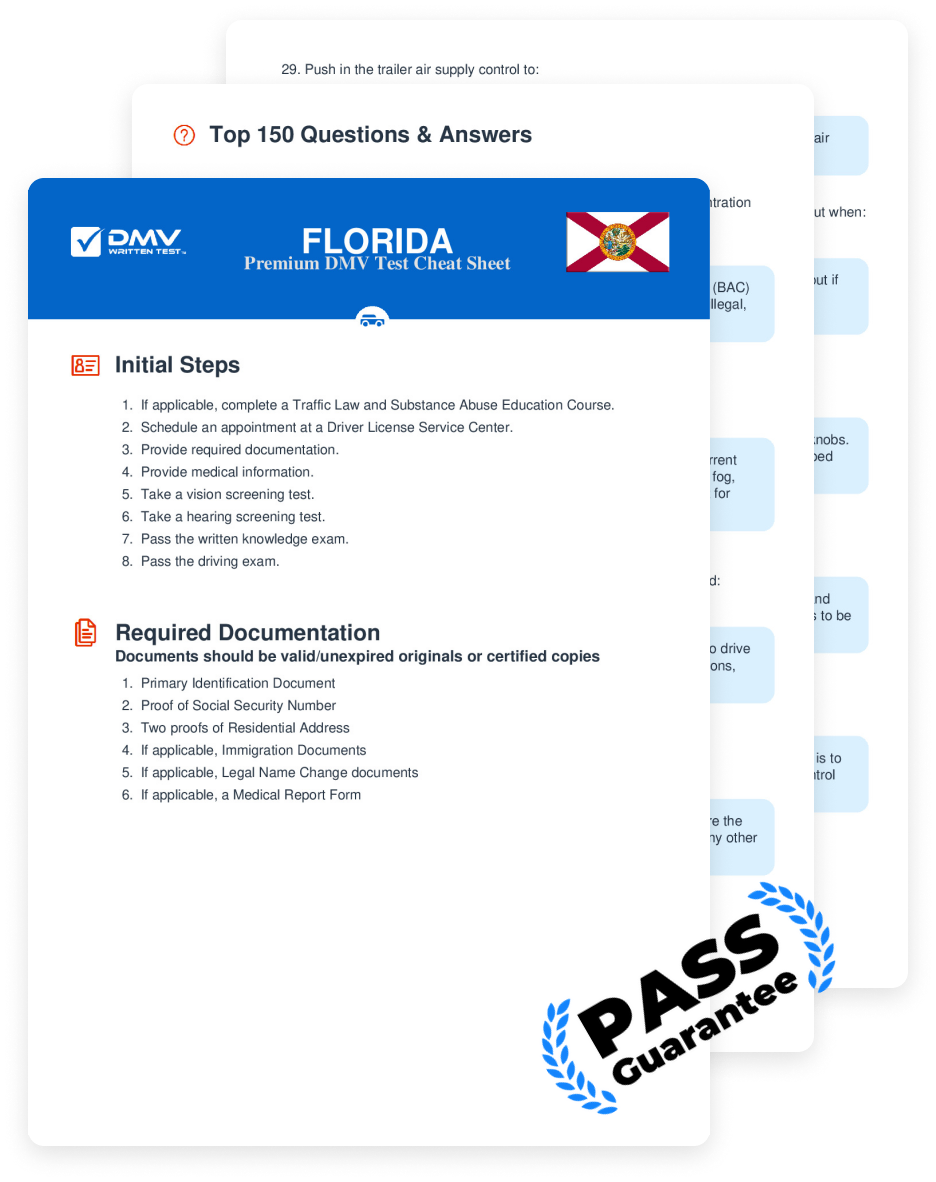
Eligibility and Application Process
Before you even take the permit test, ensure you meet the basic eligibility criteria:
- Age: You must be at least 15 years old.
- Identification: Provide proof of identity (birth certificate, passport), social security number, and two proofs of residential address.
- Parental Consent: If you are under 18, a parental consent form (HSMV 71142) must be signed and notarized or signed in the presence of a DMV examiner.
- DATE Course: As mentioned, completion of the Drug Alcohol Traffic Education (DATA) course is mandatory.
Once these prerequisites are met and you pass the vision and knowledge tests, you’ll be issued your Florida learner’s permit.
The Road to a Full License
A learner’s permit is not a full driver’s license; it comes with specific restrictions designed to allow new drivers to gain experience under supervision:
- Supervision: You must always drive with a licensed driver who is at least 21 years old and occupies the front passenger seat.
- Driving Hours: For the first three months after issuance, you can only drive during daylight hours. After three months, you can drive between 6 AM and 10 PM.
- Practice Hours: Before you can apply for a full Class E license, you must log at least 50 hours of supervised driving practice, with 10 of those hours at night. This practice is crucial for developing the skills and confidence needed to drive safely in various conditions, from city traffic in Tallahassee to highway speeds.
After holding your learner’s permit for at least 12 months (or until you turn 18, whichever comes first), and completing the required supervised driving hours, you become eligible to take the driving skills test. This practical exam assesses your ability to perform basic maneuvers such as turning, stopping, parking, and maintaining proper lane control. Successfully passing this test, along with meeting all other requirements, will earn you your unrestricted Florida Class E driver’s license, truly setting you free to explore all the wonders the Sunshine State has to offer.
From navigating the bustling theme parks of Universal Orlando Resort to enjoying a serene sunset drive along the Florida Keys or discovering charming towns like Islamorada and Marathon, your journey begins with those 50 questions on the permit test. Master them, practice diligently, and soon you’ll be charting your own adventures across the beautiful landscapes of Florida.
LifeOutOfTheBox is a participant in the Amazon Services LLC Associates Program, an affiliate advertising program designed to provide a means for sites to earn advertising fees by advertising and linking to Amazon.com. Amazon, the Amazon logo, AmazonSupply, and the AmazonSupply logo are trademarks of Amazon.com, Inc. or its affiliates. As an Amazon Associate we earn affiliate commissions from qualifying purchases.