
New York, often called the Empire State, is a land of unparalleled diversity, from the bustling streets of New York City to the serene landscapes of the Adirondacks and the picturesque vineyards of the Finger Lakes. For residents and long-term visitors alike, obtaining a driver’s permit is more than just a legal requirement; it’s a key that unlocks a world of travel, exploration, and lifestyle independence within this vibrant state and beyond. Whether you’re planning a scenic road trip through the Hudson Valley, commuting to work in Albany, or simply seeking the freedom to explore local attractions at your own pace, understanding the process of getting your learner’s permit is the crucial first step.
The journey begins with the permit test, a comprehensive examination designed to ensure that every aspiring driver possesses a fundamental understanding of traffic laws, road signs, and safe driving practices. This isn’t just about memorizing facts; it’s about internalizing the principles that keep New York’s roads safe for everyone. This article will delve into the specifics of the New York permit test, answering the pivotal question of how many questions you’ll face, what content you need to master, and how this initial step paves the way for a richer travel and lifestyle experience across the state. We’ll explore the test structure, essential preparation strategies, and how a New York learner permit can transform your ability to engage with the state’s incredible destinations, accommodations, and unique culture.
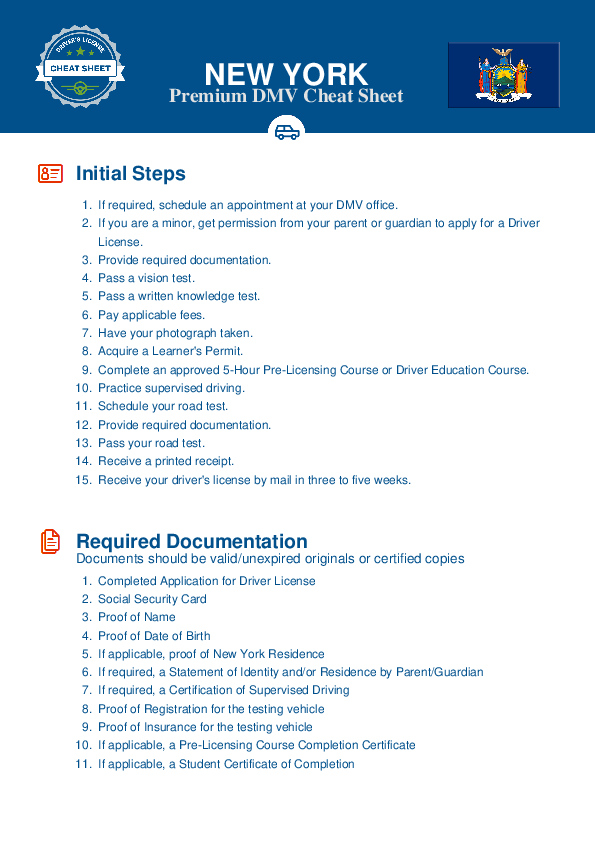
Navigating the New York State DMV Permit Test: What to Expect
The prospect of taking any official test can be daunting, but with the right information and preparation, the New York permit test becomes a manageable hurdle on your path to driving independence. The New York State Department of Motor Vehicles (DMV) administers this test, and understanding its format and requirements is paramount to success. It’s the gateway to not just driving, but to a newfound freedom that impacts everything from daily errands to spontaneous weekend getaways.
The Permit Test at a Glance: Questions, Scoring, and Time
One of the most common questions prospective drivers have is about the length and complexity of the permit test. In New York, the written permit test consists of 20 multiple-choice questions. This number might seem modest compared to other licensing exams, but each question is critical, designed to assess your understanding of fundamental driving knowledge.
To pass this vital assessment, you must achieve a score of at least 14 correct answers out of the 20 questions. However, there’s a crucial additional requirement: you must correctly answer at least two out of the four questions specifically dedicated to road signs. This emphasis on road signs is not arbitrary; it underscores their critical role in maintaining traffic flow, preventing accidents, and guiding drivers safely through diverse environments, from the dense urban sprawl of Buffalo to the open highways of Upstate New York. Misinterpreting a road sign can have immediate and serious consequences, which is why the DMV ensures this knowledge is firmly established from the outset.
Unlike some standardized tests, the New York permit test does not have a strict time limit. This allows you to read each question carefully, consider your options, and avoid rushing through the exam. While efficiency is always good, the absence of a ticking clock should alleviate some pressure, allowing you to focus purely on demonstrating your knowledge. This policy reflects the understanding that a driver’s competence is more important than their speed in answering questions, particularly when the stakes involve road safety.

Essential Documents and Fees for Your Permit Application
Before you can even sit for the test, there are administrative steps and requirements that must be met. The DMV requires specific documentation to verify your identity, residency, and eligibility. This process is a standard part of governmental services, designed to ensure security and proper record-keeping.
When you schedule your permit test at a DMV office—and remember, appointments are typically required—you’ll need to bring several key items:
- Proof of Identity: This usually involves a combination of documents that prove your name and date of birth. The DMV website provides a comprehensive list, often including a birth certificate, passport, or other state-issued identification.
- Proof of New York Residency: Documents like utility bills, bank statements, or a lease agreement showing your current New York address are typically accepted. This ensures that you are a legitimate resident seeking a New York permit.
- Social Security Number: You’ll need to provide your Social Security card or a document containing your Social Security number.
- Payment for Fees: The cost of the permit test and permit itself varies based on your age, the class of license you are applying for (e.g., Class D for passenger vehicles, Class M for motorcycles), and any other associated transaction fees. It’s always advisable to check the official New York State DMV website for the most current fee schedule before your appointment. Understanding these costs beforehand helps with budgeting, especially if you’re planning a trip or a new life chapter in New York that requires driving.
These requirements ensure that the permit process is secure and that all drivers on New York’s roads are properly identified and accounted for. While it may seem like a lot of paperwork, it’s a necessary step to safeguard the driving privilege and maintain public safety.
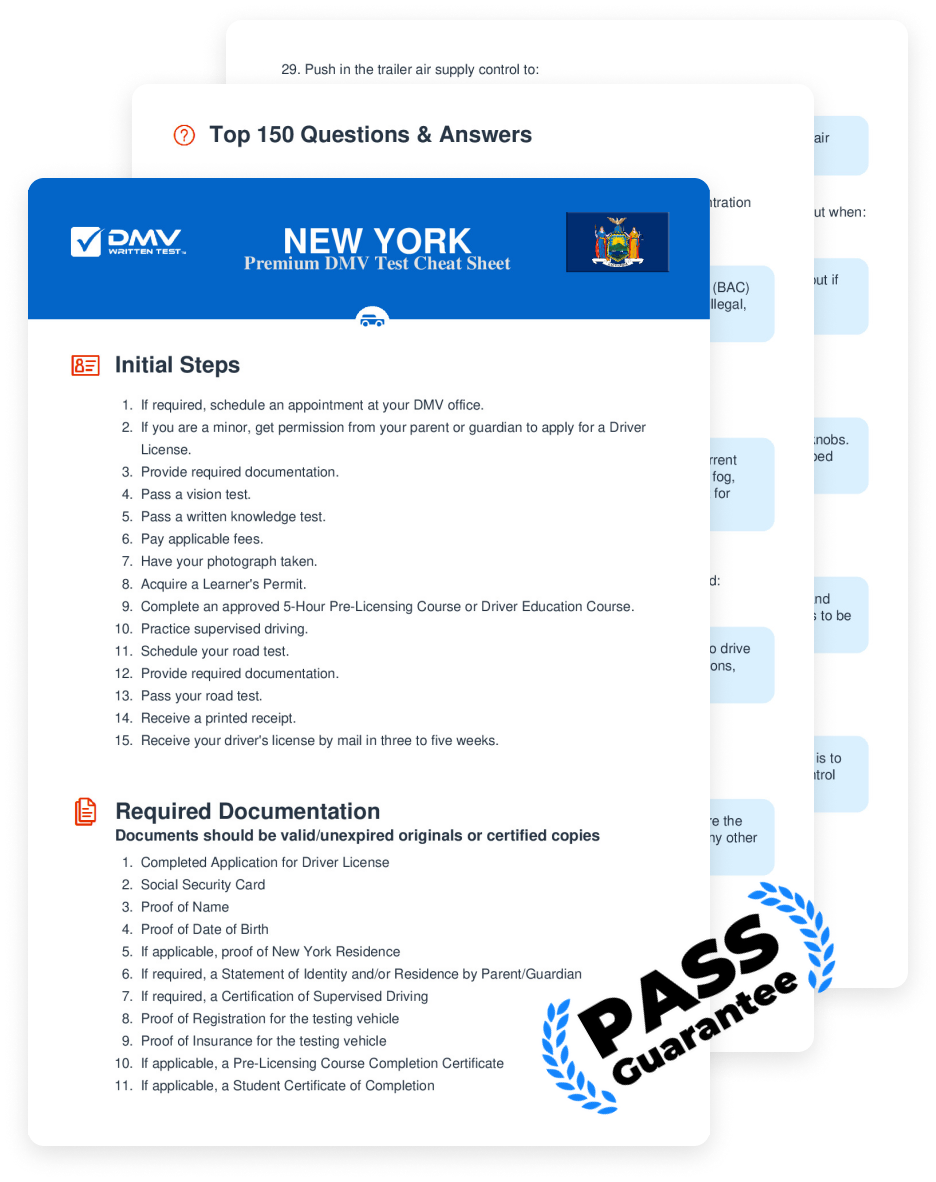
Mastering the Road: Content and Preparation for Success
Passing the permit test isn’t just about showing up; it’s about strategic preparation. The content covered is extensive, touching on everything from basic traffic laws to complex driving scenarios. For anyone hoping to truly experience New York’s diverse offerings—from the architectural wonders of Manhattan to the natural beauty of Niagara Falls—a solid understanding of these rules is foundational.
Decoding the New York State Driver’s Manual: Your Study Blueprint
The cornerstone of your preparation should be the official New York State Driver’s Manual. This comprehensive guide, available free of charge online and often at DMV offices, is more than just a dry textbook; it’s the authoritative source for all the information you need to know for the permit test and, crucially, for safe driving throughout your life.
The manual covers a wide array of topics, including:
- Traffic Laws: This section details the legal framework governing driving, from right-of-way rules and speed limits to turning regulations and pedestrian safety. Understanding these laws is vital for navigating everything from busy city intersections in Rochester to rural roads in the Catskill Mountains.
- Road Signs, Signals, and Markings: Given that two of the permit test questions must be about road signs, this section requires particular attention. Learn to identify and understand the meaning of regulatory signs (e.g., stop, yield), warning signs (e.g., curves, deer crossing), and guide signs (e.g., destinations, services). The ability to instantly interpret these visual cues is critical for reactive decision-making on the road.
- Safe Driving Practices: Beyond the letter of the law, the manual emphasizes defensive driving techniques, managing various weather conditions (think New York’s snowy winters or rainy springs), dealing with emergencies, and avoiding impaired or distracted driving. These practices are essential for personal safety and for the well-being of others sharing the road.
- Vehicle Control and Maintenance: While not heavily tested on the permit exam, understanding basic vehicle operation and the importance of regular maintenance is part of being a responsible driver.
Make a structured plan to study the manual. Don’t just skim it; read it thoroughly, highlight key information, and take notes. Focus particularly on areas where you feel less confident. Remember, the goal isn’t just to pass the test, but to become a knowledgeable and safe driver, capable of handling the diverse driving conditions New York presents, whether you’re heading to a resort in Syracuse or exploring historic landmarks in Schenectady.
Practice Makes Perfect: Leveraging Resources for Optimal Preparation
Reading the manual is crucial, but active learning through practice is where your knowledge truly solidifies. There are several excellent resources available to help you prepare for the New York permit test:
- Online Practice Tests: Numerous websites, including the DMV’s own official resources and third-party driving schools, offer free practice permit tests. These simulated tests mimic the format and types of questions you’ll encounter on the actual exam. Taking multiple practice tests helps you:
- Familiarize yourself with the question style: This reduces anxiety on test day.
- Identify your weak areas: If you consistently miss questions on specific topics, you know where to focus your manual study.
- Build confidence: Each correct answer in practice reinforces your learning.
- Track progress: See how your scores improve over time.
- Driver Education Courses: While not mandatory for the permit itself, enrolling in an approved driver education course can be immensely beneficial. These courses offer structured learning environments, often taught by experienced instructors, and cover the material in the Driver’s Manual in an engaging way. Furthermore, completing a driver education course can sometimes lead to advantages like reduced insurance premiums or a shorter waiting period for your road test. This investment in formal training extends beyond just passing the permit test; it fosters a deeper understanding of responsible driving and contributes to a safer lifestyle.
- Study Groups or Mentors: Discussing the material with friends who are also preparing or seeking guidance from an experienced driver can provide different perspectives and help clarify complex concepts. Explaining a rule to someone else is a powerful way to reinforce your own understanding.
By combining thorough study of the New York State Driver’s Manual with consistent practice and potentially a formal education course, you’ll be well-equipped to ace the 20-question permit test and embark on your driving journey with confidence.
Beyond the Test: Your Journey with a New York Learner Permit
Passing the permit test is a significant milestone, but it’s just the beginning. The learner permit grants you conditional driving privileges, setting you on the path to becoming a fully licensed driver capable of truly experiencing all that New York has to offer. This phase is crucial for developing practical driving skills and gaining real-world experience under supervision.
Understanding Permit Restrictions and the Path to a Full License
Upon successfully passing the written test, you will immediately receive your learner permit. However, it’s vital to understand that this permit comes with specific driving restrictions designed to ensure your safety and the safety of others as you learn. These restrictions are a key component of New York’s graduated licensing program, which aims to provide new drivers with supervised experience before granting full privileges.
Common restrictions for a New York learner permit typically include:
- Supervised Driving: You must always be accompanied by a supervising driver who is at least 21 years old and holds a valid New York State driver’s license for the class of vehicle you are driving. This supervisor must be seated in the front passenger seat.
- Passenger Limits: There may be restrictions on the number or age of passengers you can carry, especially if they are not family members.
- Driving Hours: Certain hours, particularly late at night, may be prohibited for permit holders, especially if you are under 18.
- Geographic Restrictions: While generally less common, some permits may have restrictions against driving in certain busy areas (e.g., within the five boroughs of New York City) unless accompanied by a driving instructor.
These restrictions are not meant to hinder your learning but to create a safe and controlled environment for you to gain experience. This supervised driving period is invaluable for developing defensive driving habits, reacting to real-world traffic situations, and understanding the nuances of driving in different New York environments.
The next major step after acquiring your permit is to schedule and pass a road test. To be eligible, you must typically hold your learner permit for a specific period (e.g., six months if you are under 18) and complete a certain amount of supervised driving, often including certified hours of instruction. The road test assesses your ability to safely operate a vehicle in real traffic conditions, demonstrating control, adherence to traffic laws, and decision-making skills. Successfully passing the road test is the final hurdle to earning your full New York driver’s license, truly opening up the entire state for your exploration.
The Open Road Awaits: Exploring New York with Your New Driving Freedom
Once you’ve passed your road test and obtained your full New York driver’s license, a whole new world of travel and lifestyle opportunities unfolds. The freedom to drive independently is transformative, allowing you to tailor your experiences and discover destinations that might otherwise be inaccessible.
Imagine being able to:
- Embark on Epic Road Trips: From the breathtaking vistas of the Adirondacks and the historic battlefields of Saratoga to the stunning Niagara Falls on the western border, New York is a prime state for road trips. Your license allows you to craft your own itinerary, stopping at charming small towns, hiking trails, and local eateries along the way. You could even drive across the border into Canada for an international adventure, provided you have the necessary documentation.
- Discover Hidden Gems and Local Culture: While public transport serves major cities like New York City, many of the state’s most authentic cultural experiences, family-run restaurants, and unique shops are off the beaten path. A car allows you to explore the rich history of the Hudson Valley, sample craft beverages in the Finger Lakes wine region, or visit charming coastal towns on Long Island.
- Expand Your Accommodation Options: No longer limited to hotels near train stations or bus routes, you can choose from a wider array of accommodations. This includes quaint bed-and-breakfasts in rural settings, luxurious resorts nestled in the countryside, secluded cabins in state parks, or even boutique hotels in burgeoning neighborhoods of cities like Brooklyn that are better accessed by car. The ability to drive yourself means you can find stays that perfectly match your desired travel style, whether it’s a budget-friendly family trip or a lavish luxury escape.
- Enhance Your Lifestyle: Beyond leisure, a driver’s license significantly impacts daily life. It means easier commutes, the ability to transport groceries and larger purchases, greater flexibility for family outings, and increased independence for work-related travel. For students, it means easier access to universities across the state; for professionals, greater reach for business opportunities.
The New York permit test, with its 20 questions and specific requirements, is the necessary first step on this exciting journey. It’s an investment in your independence, enabling you to experience the full spectrum of travel, tourism, and lifestyle opportunities that the Empire State so richly offers.
Driving in New York: A Gateway to Travel and Lifestyle
Driving in New York is more than just a means of transport; it’s an integral part of experiencing the state’s vast and varied landscape, its vibrant cities, and its serene natural wonders. From a travel and lifestyle perspective, acquiring your driver’s license, starting with the permit test, opens up an unparalleled level of freedom and convenience.
Consider the perspective of a traveler or a new resident. Without a vehicle, exploring beyond the immediate vicinity of major public transportation hubs can be challenging and costly. However, with a New York driver’s license, you gain the autonomy to venture off the well-worn tourist paths. Imagine a spontaneous decision to visit a secluded state park, to try an acclaimed restaurant in a small town, or to spend a weekend at a lakeside cabin without worrying about shuttle schedules or ride-sharing availability. This flexibility aligns perfectly with the modern lifestyle, allowing for tailored experiences and unforgettable memories.
For tourism, a personal vehicle is a game-changer. It allows you to create multi-destination itineraries that weave through different regions, from the cosmopolitan energy of New York City to the rural charm of the Catskill Mountains, and the historical significance of Saratoga. You can easily access landmarks that tell the story of New York’s rich past, whether it’s an architectural marvel in Buffalo or a natural wonder like Watkins Glen State Park in the Finger Lakes region. This seamless movement between attractions enhances the overall travel experience, making it richer and more personal.
When it comes to accommodation, driving broadens your choices exponentially. You’re no longer confined to booking hotels solely based on their proximity to public transport. You can explore charming boutique hotels in Brooklyn, luxurious resorts with ample parking, or unique vacation rentals in remote, scenic locales. This flexibility can lead to more unique stays, better value, or simply a closer alignment with your travel preferences, whether you’re seeking a budget-friendly option or a lavish retreat. The independence of driving enables you to truly discover the breadth of lodging options available across the Empire State.
Moreover, a driver’s license significantly impacts personal lifestyle. It provides essential mobility for daily life, from commuting to work or school in cities like Rochester and Syracuse to handling family responsibilities and pursuing hobbies. For many, it’s a symbol of independence, offering the freedom to pursue opportunities and experiences without relying on others. It integrates seamlessly into various lifestyles, whether you’re a student, a professional, a parent, or a retiree, making life in New York more accessible and enjoyable.
In conclusion, the 20 questions on the New York permit test are far more than just a hurdle to jump. They represent the foundational knowledge required for safe and responsible driving, which, in turn, unlocks a world of exploration across one of the most diverse and captivating states in the U.S. By diligently preparing for and passing this test, you’re not just getting a piece of paper; you’re gaining a passport to New York’s vast destinations, its rich culture, and an enriched personal lifestyle, allowing you to truly live out of the box and experience everything the Empire State has to offer. So, study up, get ready, and prepare to hit the open roads of New York with confidence!
LifeOutOfTheBox is a participant in the Amazon Services LLC Associates Program, an affiliate advertising program designed to provide a means for sites to earn advertising fees by advertising and linking to Amazon.com. Amazon, the Amazon logo, AmazonSupply, and the AmazonSupply logo are trademarks of Amazon.com, Inc. or its affiliates. As an Amazon Associate we earn affiliate commissions from qualifying purchases.