
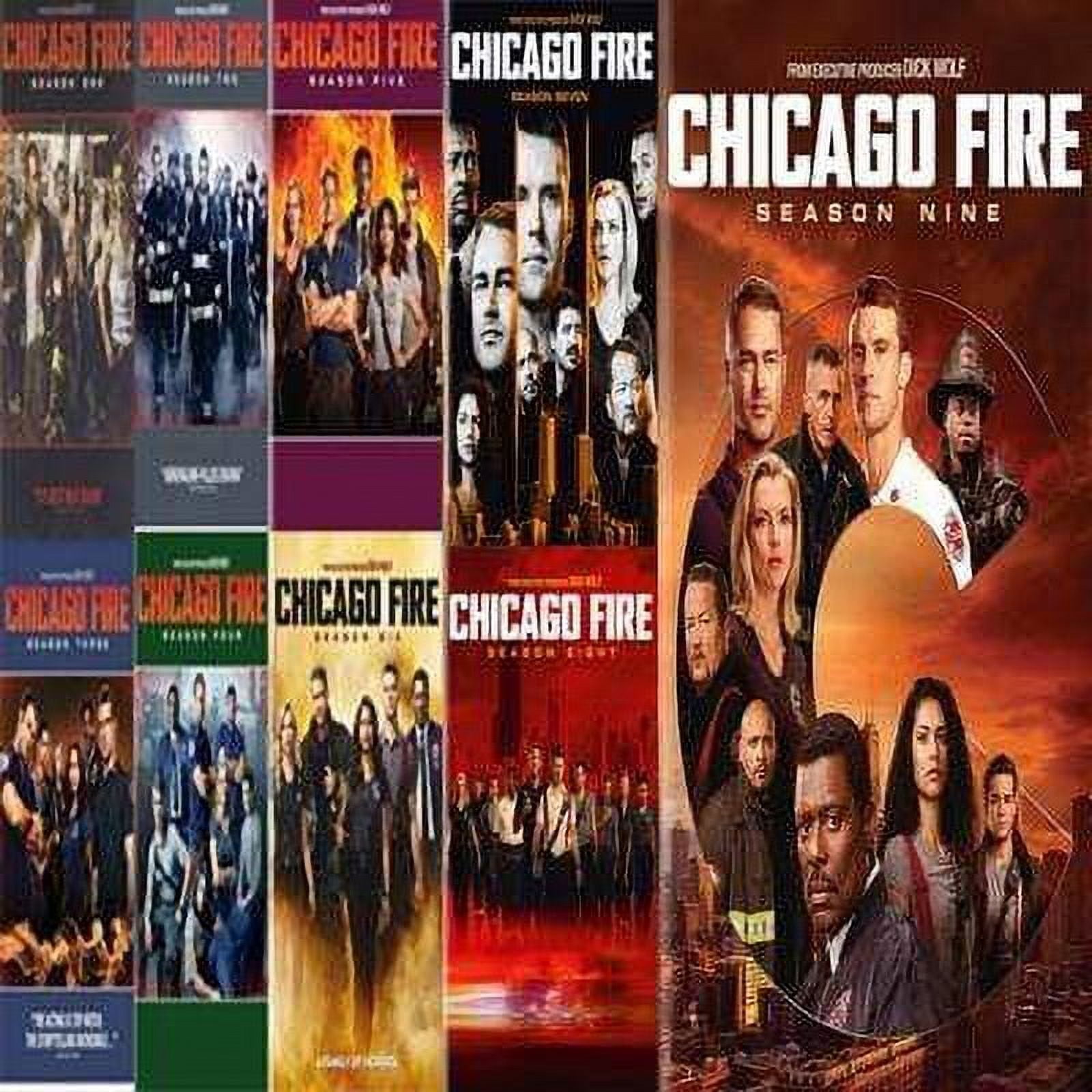
For over a decade, fans across the globe have been captivated by the thrilling exploits of the firefighters and paramedics of Firehouse 51. Chicago Fire, a flagship series in Dick Wolf’s renowned One Chicago franchise, has not only delivered gripping drama and heroic tales but has also subtly showcased the vibrant spirit and iconic cityscape of Chicago, Illinois. For those wondering about the show’s incredible longevity, as of early 2024, Chicago Fire has completed eleven full seasons and is currently airing its twelfth season.
This remarkable run on NBC began in October 2012, and since then, the series has garnered a loyal following, cementing its place as a cornerstone of primetime television. But beyond the intense rescues and personal stories, Chicago Fire offers a compelling, albeit indirect, invitation to explore the very city that serves as its dynamic backdrop. For travel enthusiasts and fans alike, the show transforms Chicago from a mere setting into an aspirational destination, teeming with landmarks, culture, and experiences that mirror the show’s authentic portrayal.

The Enduring Legacy of Chicago Fire
The success of Chicago Fire isn’t just measured in its impressive season count; it’s also reflected in its cultural impact and its ability to continually draw viewers into the lives of its compelling characters. The series has spun off two highly successful sister shows, Chicago P.D. and Chicago Med, and briefly, Chicago Justice, all contributing to the expansive and interconnected One Chicago universe. This interconnectedness has only amplified the show’s reach, creating a rich narrative tapestry woven into the fabric of the Windy City.
A Deep Dive into the Seasons
Starting with its premiere in 2012, Chicago Fire quickly found its rhythm, introducing viewers to Lieutenants Matthew Casey and Kelly Severide, Chief Wallace Boden, and the rest of the courageous team at Firehouse 51. Each subsequent season has built upon the last, delving deeper into the challenges faced by first responders, both on and off duty.
- Season 1 (2012-2013): Introduced the core characters and the intense world of firefighting in Chicago, establishing the personal and professional conflicts that would define the series.
- Season 2 (2013-2014): Began to expand the One Chicago universe, setting the stage for the spin-off Chicago P.D..
- Season 3 (2014-2015): Explored significant character developments and increasingly complex rescue scenarios, solidifying the show’s dramatic tension.
- Season 4 (2015-2016): Saw the introduction of characters who would later become central to Chicago Med, further intertwining the narratives.
- Season 5 (2016-2017): Continued to deliver high-stakes emergencies and emotional storylines, enhancing the bonds within the firehouse family.
- Season 6 (2017-2018): Maintained strong viewership, exploring the evolution of its characters amidst personal and professional crises.
- Season 7 (2018-2019): Celebrated its 150th episode, a testament to its sustained popularity and engaging storytelling.
- Season 8 (2019-2020): Navigated challenges posed by the real-world pandemic, adapting its production while maintaining narrative integrity.
- Season 9 (2020-2021): Focused on character growth and the enduring resilience of the team under extraordinary circumstances.
- Season 10 (2021-2022): Marked a significant milestone with its 200th episode, reflecting its consistent quality and fan dedication.
- Season 11 (2022-2023): Continued to explore complex relationships and new threats, keeping the audience on the edge of their seats.
- Season 12 (2024-Present): Kicking off a new chapter, promising fresh challenges and character arcs for the beloved squad.
This lengthy run is a testament to the show’s compelling formula: a blend of action, drama, and heartfelt camaraderie, all set against the stunning backdrop of one of America’s most iconic cities.
Why Chicago Fire Resonates with Audiences
The show’s consistent appeal stems from several key factors that transcend typical procedural drama. Firstly, it portrays the everyday heroism of first responders with a profound sense of realism and respect. Viewers are drawn to the selflessness and bravery of firefighters and paramedics, understanding the immense sacrifices they make. Secondly, the show excels at character development, crafting intricate personal lives for its ensemble cast that feel relatable and authentic. The found-family dynamic at Firehouse 51 is a powerful draw, showcasing loyalty, support, and profound human connection.
Moreover, the narratives often tackle contemporary social issues, adding depth and relevance to the storylines. From addressing mental health challenges in emergency services to exploring community dynamics, Chicago Fire is more than just an action show; it’s a reflection of society through the lens of those who protect it. This potent combination of high-stakes action, emotional depth, and strong character bonds ensures that after twelve seasons, the series remains as vital and engaging as ever.
Chicago: The Real Star of the Show
While the characters and storylines are the heart of Chicago Fire, the city of Chicago itself is undeniably the show’s soul. Often referred to as a character in its own right, Chicago’s unique architecture, diverse neighborhoods, and distinctive atmosphere are integral to the series’ identity. For fans, this omnipresent urban landscape isn’t just a backdrop; it’s an invitation to step into the world they see on screen. For travelers, it presents an opportunity to experience a dynamic metropolis through a unique, fan-inspired lens.
Filming Locations: A Fan’s Guide to Chicago’s Cinematic Backdrop
One of the most exciting aspects for dedicated viewers is the chance to visit actual locations where Chicago Fire is filmed. The show uses real Chicago firehouses, streets, and iconic buildings, blurring the lines between fiction and reality.
The most famous real-life location is Engine 18’s firehouse, which serves as the exterior for the fictional Firehouse 51. Located at 1360 S Blue Island Ave, this working fire station in the Near West Side neighborhood has become a pilgrimage site for fans. While visitors should always be respectful of the working firefighters, many enjoy taking photos outside this recognizable landmark.
Another fan-favorite spot is Lottie’s Pub, which doubles as Molly’s Bar in the show. Situated in the Bucktown neighborhood at 1925 W Cortland St, this cozy establishment offers a chance to grab a drink or a bite in a setting frequently visited by the show’s characters. It’s a perfect way to feel immersed in the Chicago Fire universe while enjoying local hospitality.

Beyond these specific filming locations, the series regularly showcases Chicago’s breathtaking skyline and famous landmarks. Keep an eye out for scenes featuring:
- The Magnificent Mile: Chicago’s premier shopping district, often seen in wide shots or during character commutes.
- Millennium Park: Home to the iconic Cloud Gate sculpture (the “Bean”), a popular tourist spot that occasionally appears in establishing shots.
- The Art Institute of Chicago: One of the oldest and largest art museums in the United States, its grand architecture is a frequent sight.
- Navy Pier: With its Ferris wheel and stunning views of Lake Michigan, it’s a quintessential Chicago landmark that adds visual flair to many scenes.
- Willis Tower: For years the tallest building in the Western Hemisphere, its imposing presence is an unmistakable part of the city’s skyline.
Exploring these areas allows visitors to connect with the show on a tangible level, walking the same streets as their favorite characters and experiencing the grandeur of Chicago firsthand.
Experiencing Chicago Beyond the Screen: A Tourist’s Perspective
The influence of Chicago Fire extends beyond simply visiting filming locations. The show inspires a deeper appreciation for Chicago’s unique culture, its vibrant food scene, and the resilient spirit of its communities. For many, a trip to Chicago becomes an opportunity to immerse themselves in the authentic “Windy City” experience that the series subtly champions.
- Local Culture and History: The show often highlights the city’s blue-collar roots and the strong sense of community. Visitors can explore various neighborhoods, each with its own distinct character, from the historic charm of Old Town to the artistic flair of Wicker Park. Consider taking an architectural boat tour to learn about Chicago’s groundbreaking designs, or visit the Museum of Science and Industry to delve into the city’s innovative past.
- Culinary Delights: Chicago Fire frequently features characters unwinding with classic Chicago fare. This is your cue to indulge! No trip to Chicago is complete without trying a legendary deep-dish pizza or a Chicago-style hot dog (hold the ketchup!). The city’s diverse culinary landscape also offers everything from Michelin-starred restaurants to bustling food markets, catering to every palate.
- Arts and Entertainment: From the legendary blues and jazz clubs that define Chicago’s musical heritage to world-class theaters and comedy venues like The Second City, the city offers a vibrant nightlife that promises unforgettable experiences. Imagine the characters of Chicago Fire enjoying a night out, and follow suit by catching a show or listening to live music.
Experiencing Chicago through the lens of Chicago Fire enriches the travel experience, transforming a simple visit into an immersive journey through a beloved television landscape.
Planning Your Chicago Adventure: Accommodation and Lifestyle
Whether you’re a die-hard fan seeking a Chicago Fire-themed itinerary or a general traveler inspired by the show’s portrayal of the city, planning your visit involves finding the right accommodation and crafting an itinerary that matches your lifestyle and interests. Chicago offers a spectrum of options, from luxurious resorts to budget-friendly apartments, ensuring every visitor finds their perfect home away from home.
Where to Stay: Hotels and Resorts for Every Fan
Chicago’s diverse neighborhoods offer unique accommodation experiences. For those seeking luxury and proximity to major landmarks, the Magnificent Mile, River North, and Gold Coast areas are ideal. Here, you’ll find world-renowned hotels boasting exceptional amenities and stunning city views:
- Luxury Stays: Consider the opulent experience at The Langham Chicago or the classic elegance of Four Seasons Hotel Chicago. These hotels offer unparalleled service, exquisite dining, and often feature luxurious suites perfect for a special getaway.
- Boutique Hotels: For a more curated and unique stay, explore boutique options in areas like River North or West Loop. Hotels like Thompson Chicago offer stylish designs and a more intimate atmosphere, often with vibrant rooftop bars or acclaimed restaurants.
- Mid-Range and Budget-Friendly: Chicago also provides numerous mid-range hotels and apartment-style accommodations, particularly in areas near the Loop or along the city’s public transport lines. These options allow for comfortable stays without breaking the bank, providing easy access to attractions and filming locations. Websites specializing in apartment and long-term stays can also offer excellent value for families or those planning an extended visit.
When choosing, consider your travel style. Do you want to be within walking distance of attractions like Millennium Park or closer to specific neighborhoods featured in the show? Each choice offers a different perspective on the city.
Crafting Your Chicago Itinerary: From Fan Tours to Local Gems
Designing your Chicago adventure can be as simple or as intricate as you wish. For the ultimate Chicago Fire experience, consider a themed tour that highlights filming locations and related city landmarks. Many local tour operators offer such specialized excursions, often providing behind-the-scenes insights.
Beyond the show-specific sites, Chicago is a treasure trove of experiences:
- Iconic Landmarks: Dedicate time to visit the Adler Planetarium, Shedd Aquarium, and the Field Museum on Museum Campus. Take a ride on the Centennial Wheel at Navy Pier for breathtaking views of the skyline and Lake Michigan.
- Sports Enthusiasts: Catch a game at Wrigley Field in Wrigleyville or witness the electric atmosphere of a Bulls or Blackhawks game.
- Green Spaces: Explore the expansive Lincoln Park with its free zoo and beautiful conservatory, offering a serene escape from the urban hustle.
- Luxury and Budget Travel: Chicago caters to all budgets. Luxury travelers can indulge in high-end shopping on the Magnificent Mile and fine dining. Budget travelers can enjoy free attractions like Millennium Park, explore diverse neighborhoods on foot, and savor affordable street food.
- Family Trips: With its numerous museums, parks, and family-friendly activities, Chicago is an excellent destination for families. Consider interactive exhibits and boat tours that cater to all ages.
From luxury indulgences to budget-conscious explorations, a trip to Chicago inspired by Chicago Fire promises a rich and memorable travel experience, blending the excitement of television with the vibrant reality of one of America’s greatest cities.
After twelve successful seasons, Chicago Fire continues to ignite passion both on and off the screen. Its long-standing presence is a testament to compelling storytelling and the universal appeal of its heroic themes. But more than just a TV show, Chicago Fire serves as an immersive guide to the city it calls home, inspiring countless viewers to pack their bags and explore the iconic streets, rich culture, and warm hospitality of Chicago. Whether you’re a devoted fan or a curious traveler, the city awaits, ready to offer an adventure that truly comes to life.
LifeOutOfTheBox is a participant in the Amazon Services LLC Associates Program, an affiliate advertising program designed to provide a means for sites to earn advertising fees by advertising and linking to Amazon.com. Amazon, the Amazon logo, AmazonSupply, and the AmazonSupply logo are trademarks of Amazon.com, Inc. or its affiliates. As an Amazon Associate we earn affiliate commissions from qualifying purchases.