
For nearly a decade, the bustling emergency room and complex lives of medical professionals at Gaffney Chicago Medical Center have captivated audiences worldwide. As one of the cornerstone series in the acclaimed One Chicago franchise, Chicago Med has carved out a significant place in the hearts of drama enthusiasts. Viewers are constantly drawn to its high-stakes medical crises, intricate character relationships, and the vibrant backdrop of Chicago, Illinois. A common question that arises among both loyal fans and curious newcomers is: How many seasons of Chicago Med have graced our screens, and what makes this show a perennial favorite?
As of its current run, Chicago Med boasts an impressive nine seasons. Since its premiere on NBC in November 2015, the series has consistently delivered compelling narratives, exploring the ethical dilemmas, personal sacrifices, and triumphs inherent in the medical profession. Its longevity is a testament to the masterful storytelling from creator Dick Wolf and his team, the dedication of its cast, and the unwavering support of its global fanbase. This article delves into the journey of Chicago Med, exploring its origins, its episodic evolution, and its enduring impact on both television and the perception of its titular city.
The Enduring Legacy of Chicago Med
The inception of Chicago Med wasn’t an isolated event but rather a strategic expansion of a highly successful television universe. Following the immense popularity of Chicago Fire and Chicago P.D., the medical drama was introduced to complete the trifecta of public service narratives set in the Windy City. This interconnectedness, often showcased through thrilling crossover episodes, has only amplified its appeal, allowing characters and storylines to intertwine across the different facets of Chicago’s emergency services. The consistent quality and emotional depth of Chicago Med have solidified its status as a television powerhouse, making it more than just a medical drama—it’s a cultural phenomenon that resonates with millions.
A Deep Dive into the Series’ Origins
The creative genius of Dick Wolf is undeniable, with a track record of crafting long-running, character-driven procedural dramas. Chicago Med premiered on November 17, 2015, immediately establishing its distinct voice within the One Chicago universe. Developed by Dick Wolf and Matt Olmstead, the show quickly found its footing, benefiting from a backdoor pilot that aired as an episode of Chicago Fire. This clever introduction allowed audiences to become familiar with the setting and several key characters before the series even officially began, ensuring a smooth transition and immediate viewer engagement.
The concept was simple yet profound: showcase the daily trials and tribulations of the emergency department at Gaffney Chicago Medical Center. From groundbreaking medical procedures to intensely personal ethical dilemmas, the series explored the human element behind every patient chart and every diagnostic decision. Produced by Universal Television and Wolf Entertainment, the show leveraged the authentic backdrop of Chicago, creating a sense of realism that is often missing from studio-bound productions. This commitment to verisimilitude, combined with compelling writing, laid the groundwork for a series that would not only endure but thrive over many seasons.
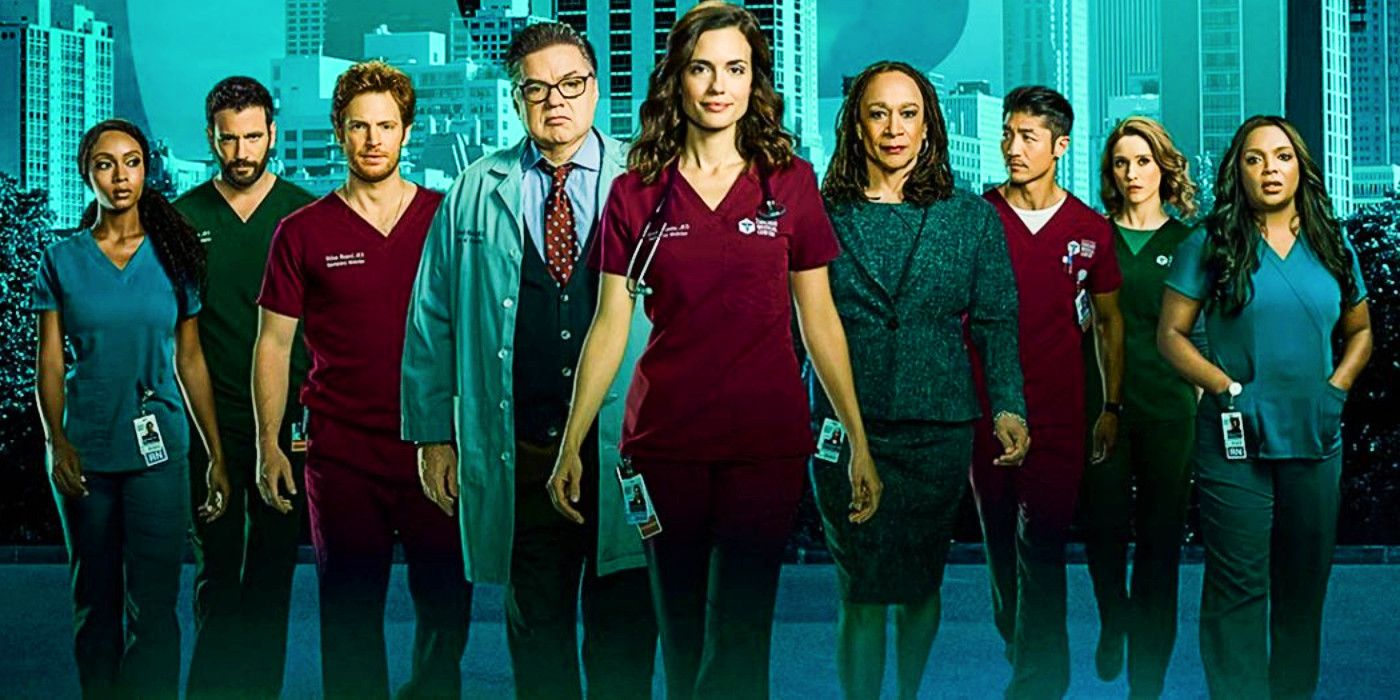
Unpacking the Ensemble Cast and Their Impact
A significant factor in Chicago Med‘s long-term success is its dynamic and evolving ensemble cast. The show masterfully balances a core group of beloved characters with a rotating cast of interns, residents, and visiting specialists, allowing for fresh perspectives and new narrative arcs. Early on, characters like Dr. Will Halstead (played by Nick Gehlfuss), a talented but sometimes impulsive emergency physician, and Dr. Natalie Manning (Torrey DeVitto), a compassionate pediatrician with a strong moral compass, formed the emotional anchors of the series. Their personal and professional journeys, often intertwined, provided a rich tapestry of human experience.
Other foundational characters include Sharon Goodwin (S. Epatha Merkerson), the steadfast Head of Patient and Medical Services, whose wisdom and unwavering commitment to patient care often served as the hospital’s moral compass. Dr. Daniel Charles (Oliver Platt), the insightful Chief of Psychiatry, offered profound explorations into the psychological dimensions of medical conditions, providing a unique and often critical perspective. The progression of characters like Dr. Ethan Choi (Brian Tee), a former Navy Reservist whose disciplined approach evolved over seasons, and Maggie Lockwood (Marlyne Barrett), the resilient and resourceful charge nurse, further deepened the show’s narrative complexity. The cast’s chemistry and their ability to portray authentic human emotions, from profound grief to exhilarating joy, have been instrumental in sustaining viewer interest across nine seasons. The occasional departures and introductions of new characters have kept the show feeling fresh, allowing new dynamics to emerge and storylines to evolve naturally.

Season by Season: A Journey Through Gaffney Chicago Medical Center
Each season of Chicago Med contributes a new layer to the ongoing saga of Gaffney Chicago Medical Center. From the initial struggles to establish protocols and relationships in the first season to the deeply complex ethical dilemmas and personal tragedies of later seasons, the show has consistently pushed boundaries. The medical cases are often inspired by real-world events and advancements, adding a layer of authenticity that resonates with audiences. Simultaneously, the personal lives of the doctors and nurses — their romances, rivalries, friendships, and struggles with burnout — provide the emotional core that keeps viewers invested beyond the medical theatrics.
Milestones and Memorable Arcs Across the Seasons
The first few seasons laid critical groundwork, introducing the primary characters and establishing the fast-paced, high-stakes environment of an ER. Early seasons saw the development of key relationships, such as the on-again, off-again romance between Dr. Halstead and Dr. Manning, and the professional growth of residents into seasoned physicians. Memorable arcs often involved grappling with the healthcare system’s flaws, patient advocacy, and the personal toll of working in medicine.
As the series progressed into its middle seasons, storylines became more intricate, tackling social issues through a medical lens and deepening character backstories. We witnessed characters confront addiction, mental health crises, and the aftermath of violent events impacting their community. Crossover events with Chicago Fire and Chicago P.D. became more frequent, delivering thrilling multi-episode narratives that showcased the seamless integration of the One Chicago universe. These events often left lasting impacts on the Chicago Med characters, blurring the lines between their professional and personal lives. Later seasons saw significant character departures and new additions, which, while challenging for long-time fans, also injected fresh energy and new narrative possibilities, allowing the show to avoid stagnation and continue evolving. Each season finale typically leaves viewers on the edge of their seats with dramatic cliffhangers, ensuring eager anticipation for the next installment.
Evolution of Storytelling and Character Development
Over nine seasons, Chicago Med has demonstrated a remarkable evolution in its storytelling. What began as a relatively straightforward medical procedural has matured into a nuanced exploration of contemporary healthcare, personal ethics, and the human condition. The writers have consistently found ways to innovate, introducing complex medical technologies, rare diseases, and challenging ethical dilemmas that force characters—and viewers—to confront difficult questions. The balance between stand-alone medical cases and overarching seasonal character arcs has been finely tuned, ensuring that each episode offers both immediate gratification and contributes to a larger narrative tapestry.
Character development has been particularly strong. We have seen characters like Dr. Choi navigate post-traumatic stress, leadership roles, and personal relationships with remarkable depth. Sharon Goodwin has faced professional challenges that test her resolve, showcasing her strength and integrity. Even supporting characters have been given ample opportunity to grow and shine, making the entire ensemble feel like a living, breathing community within the fictional hospital walls. This continuous development, avoiding stagnant character traits, is a hallmark of truly long-running successful dramas and a primary reason why Chicago Med remains relevant and engaging after so many seasons.
Beyond the Hospital Walls: Chicago Med’s Influence on Travel and Culture
While primarily a medical drama, Chicago Med has an undeniable influence that extends beyond television viewership, subtly impacting aspects of travel and local culture. The series, along with its One Chicago counterparts, acts as a powerful ambassador for the city of Chicago, showcasing its iconic skyline, diverse neighborhoods, and vibrant atmosphere to a global audience. For fans of the show, Chicago isn’t just a setting; it’s another character in the narrative, inspiring a form of “set jetting” tourism that encourages visitors to experience the city firsthand.
Exploring Filming Locations and the City of Chicago
The producers of Chicago Med have always prioritized authenticity, choosing to film extensively on location in Chicago rather than relying solely on soundstages. While Gaffney Chicago Medical Center itself is a fictional institution, many interior and exterior shots are filmed at real Chicago landmarks and facilities. Rush University Medical Center on the city’s Near West Side, for example, has often been used for exterior shots and served as an inspiration for the show’s hospital environment.
Fans visiting Chicago often seek out areas featured in the One Chicago universe, whether it’s catching a glimpse of the Chicago Fire Department station (another real location used in Chicago Fire that characters from Chicago Med often visit) or simply soaking in the atmosphere of downtown Chicago where many scenes unfold. The series highlights the city’s stunning architecture, from the bustling financial district to the serene shores of Lake Michigan. Iconic spots like Millennium Park, home to Cloud Gate (affectionately known as “The Bean”), Grant Park, and the Magnificent Mile are frequently visible, turning the city into a vibrant backdrop. This exposure can significantly influence travel decisions, as viewers, already familiar with the city through their favorite show, are more inclined to explore its attractions and experiences firsthand. The show effectively functions as an extended commercial for Chicago as a premier tourism destination in the United States Midwest.

The “Dick Wolf Effect” on Destination Popularity
The “Dick Wolf Effect” is a term that could be coined to describe the profound impact his shows have on the real-world locations they portray. Beyond Chicago Med, series like Law & Order have made New York City an even more recognizable and desirable destination. In the case of Chicago, the entire One Chicago franchise has cultivated a strong sense of civic pride among residents and curiosity among international audiences.
The shows depict Chicago not merely as a backdrop but as a character itself—a city with grit, resilience, and a strong sense of community. This portrayal encourages viewers to consider Chicago for their next travel adventure, whether for its landmarks, diverse food scene, or vibrant arts and culture. The seamless integration of local businesses, hotels, and neighborhoods within the narrative subtly influences visitor behavior. People might search for accommodation near the Water Tower Place or Navy Pier after seeing them on screen, hoping to capture a piece of the show’s magic. This unique blend of entertainment and real-world immersion contributes to Chicago’s enduring appeal as a lifestyle and travel destination.
The Future of Chicago Med: What’s Next for the Beloved Series?
With nine successful seasons under its belt, Chicago Med continues to be a strong performer for NBC, maintaining a dedicated viewership in a highly competitive television landscape. The show’s ability to evolve, introduce fresh faces, and tackle contemporary issues ensures its continued relevance. As each season concludes, fans eagerly anticipate news of renewal, a testament to the strong bond they’ve formed with the characters and their gripping stories. The future of Chicago Med appears bright, promising more medical drama, character development, and intricate storytelling in the heart of Chicago.
Speculations and Renewals: Keeping the Drama Alive
The process of renewal for a long-running series like Chicago Med involves many factors, including viewership ratings, critical reception, and production costs. However, its consistent performance as a tentpole of NBC’s programming, especially within the context of the highly successful One Chicago franchise, has historically made its renewals a strong likelihood. Fan campaigns on social media and the overall cultural impact of the series also play a subtle role, demonstrating the passionate engagement of its audience.
As new seasons are greenlit, the creative teams face the exciting challenge of introducing new plotlines that continue to surprise and engage. This often involves bringing in new resident characters who shake up existing dynamics, exploring new frontiers in medical science, or delving deeper into the personal lives and ethical struggles of the seasoned staff. The constant rotation of medical cases, from unusual syndromes to public health crises, ensures that the drama remains fresh and topical, mirroring real-world advancements and challenges in healthcare. The show thrives on its ability to reflect societal changes and medical breakthroughs, maintaining its edge and relevance.
Why Fans Keep Coming Back for More
The longevity of Chicago Med can be attributed to several key factors that keep fans returning season after season. Firstly, the relatable characters: viewers invest deeply in the journeys of Dr. Halstead, Sharon Goodwin, Dr. Charles, and others, seeing parts of themselves and their own struggles reflected in the fictional hospital environment. Secondly, the show’s blend of high-stakes medical drama with poignant personal narratives creates a compelling viewing experience that appeals to a broad audience. It’s not just about the fascinating medical procedures; it’s about the human stories behind them.
Furthermore, the interconnectedness with Chicago Fire and Chicago P.D. fosters a sense of a larger, immersive universe, encouraging viewers to engage with all three shows. The city of Chicago itself acts as a unifying character, its vibrant energy permeating every episode. This combination of strong storytelling, well-developed characters, and a rich, authentic setting ensures that Chicago Med will continue to be a beloved staple of television for many more seasons to come, inviting audiences back to Gaffney Chicago Medical Center to witness the unfolding drama.