
The New Orleans Superdome, a colossal structure that dominates the skyline of the Big Easy, is more than just a venue; it’s an icon of New Orleans‘ resilience and spirit. For sports enthusiasts, music lovers, and event attendees, the question of its capacity is often a natural one. But the number of seats within this architectural marvel isn’t as simple as a single, static figure. It’s a dynamic number that shifts depending on the event, the configuration of the arena, and the ever-evolving upgrades and renovations that keep the Superdome at the forefront of modern stadium design.
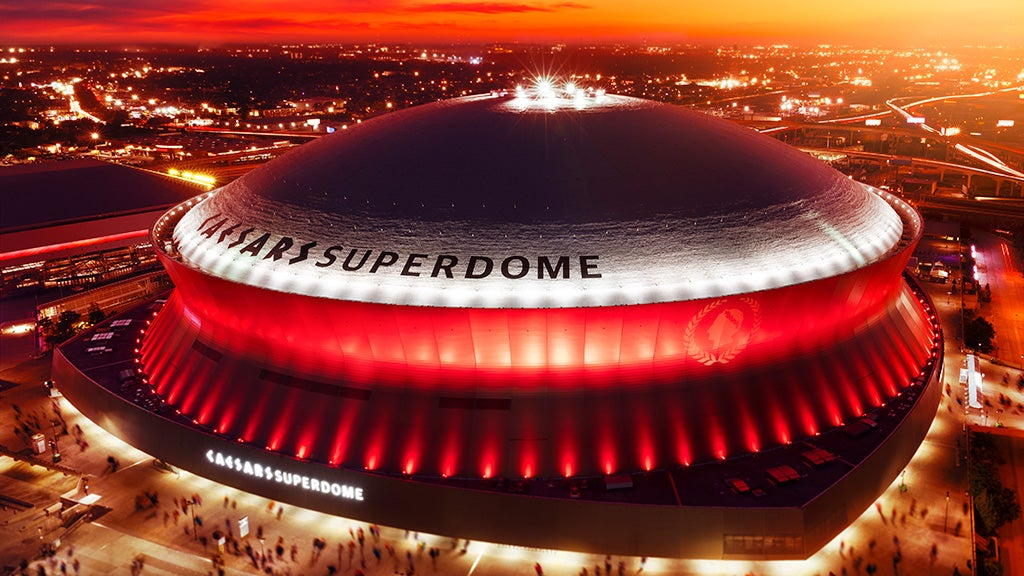
This iconic landmark, officially known as the Caesars Superdome, has been a cornerstone of New Orleans since its completion in 1975. Its massive, gleaming dome is a beacon for visitors, drawing millions to experience thrilling NFL games, electrifying concerts, and major sporting events. Understanding the seating capacity provides crucial insight for anyone planning a visit or simply curious about the scale of this legendary venue. Let’s delve into the specifics of how many people can gather within its hallowed walls.
Understanding Superdome Seating Configurations
The seating capacity of the New Orleans Superdome is not a fixed number, and this is a key point to understand. The stadium’s design allows for flexibility, accommodating various event types. This adaptability is a testament to its forward-thinking construction and its continuous updates to meet modern demands.
Standard Seating Capacity
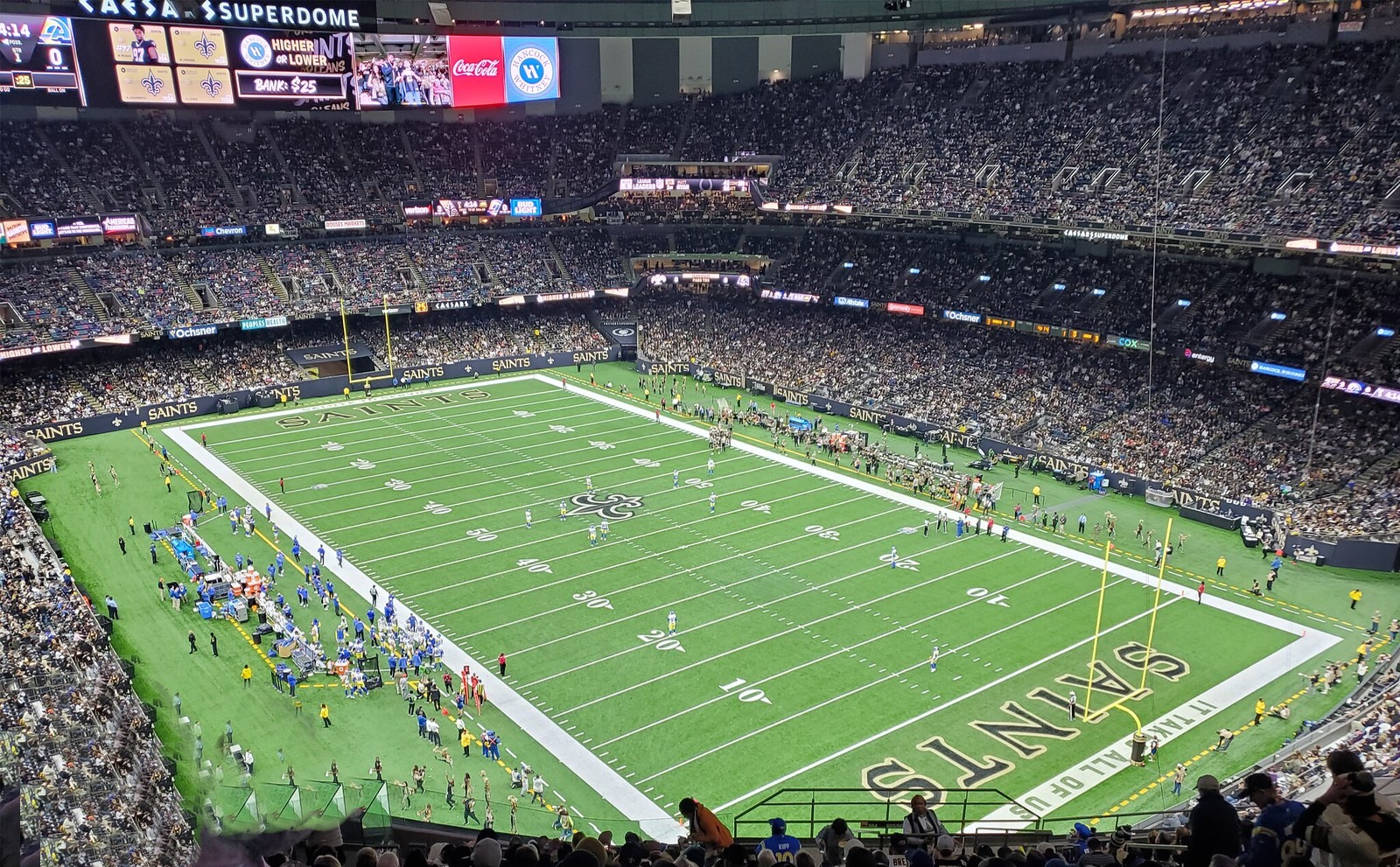
For its primary tenant, the New Orleans Saints of the National Football League, the Superdome typically offers a seating capacity of 73,208. This figure represents the standard configuration for NFL games, where the focus is on maximizing seating for football fans. This number includes all permanent seats, club seats, and suites, providing an expansive environment for spectators to cheer on their favorite team. The sheer volume of seats underscores the stadium’s role as a major sports destination, capable of hosting tens of thousands of enthusiastic fans.
However, it’s important to note that this figure can fluctuate slightly. For instance, the number of standing-room-only areas, if any are designated for a particular event, could technically increase the overall occupancy. Conversely, if certain seating sections are reserved for media, VIPs, or operational needs, the available public seating might be slightly reduced.
Adjustments for Different Events
Beyond NFL games, the Superdome hosts a wide array of events, including college football games, major concerts, and other large-scale gatherings. For these events, the seating arrangement can be reconfigured.
-
Concerts: When the Superdome hosts concerts, the seating capacity can be adjusted to accommodate stage setups and varying audience preferences. Typically, for concerts, a portion of the field is used for a stage, and seating arrangements might be altered to provide better sightlines and a more intimate atmosphere for the audience. In such cases, the seating capacity might be reduced from its football configuration to optimize the concert experience. While exact figures for every concert are not readily available, it is understood that the capacity for such events will be less than the 73,208 for NFL games, often falling into the range of 50,000 to 65,000, depending on the stage placement and the configuration of the floor seating.
-
College Football and Other Sporting Events: For college football games, particularly those like the Sugar Bowl, the seating configuration is very similar to that of NFL games, aiming for the maximum spectator capacity. The Superdome also hosts other sporting events such as basketball tournaments and even some track and field events, where the field of play and seating arrangements are adapted accordingly. The capacity for these events generally remains close to its football configuration.
-
Special Events and Renovations: Occasionally, specific events or renovations might temporarily alter the seating capacity. For example, during major renovations like those undertaken after Hurricane Katrina, the stadium’s operational capacity would have been impacted. While the Superdome has undergone significant upgrades over the years, its core seating structure has remained, with enhancements focusing on fan comfort, technology, and accessibility.
Behind the Seats: Amenities and The Experience
The number of seats is just one aspect of the New Orleans Superdome‘s appeal. The experience within the venue is enhanced by a range of amenities designed for fan comfort and entertainment. From premium seating options to accessible facilities, the Superdome strives to cater to a diverse audience.
Premium Seating and Suites

For those seeking a more exclusive experience, the Superdome offers a variety of premium seating options. These include:
-
Club Seats: These seats provide a more comfortable viewing experience, often with wider seats, more legroom, and access to climate-controlled club lounges. These lounges typically offer exclusive food and beverage options, private restrooms, and premium viewing areas. The number of club seats contributes to the overall capacity but offers a distinct level of service.
-
Suites: The Superdome boasts numerous private suites that offer an unparalleled experience for corporate clients, groups, and special guests. These suites provide a private viewing area, comfortable seating, entertainment systems, and dedicated food and beverage services. Each suite has its own capacity, typically accommodating groups ranging from 12 to 30 people, adding to the stadium’s overall patron count. These premium options are strategically located to provide excellent sightlines of the field or stage.
Accessibility and Fan Comfort
Ensuring a positive experience for all attendees is paramount. The Superdome is designed with accessibility in mind, offering:
-
Accessible Seating: A significant number of accessible seating locations are available throughout the stadium, ensuring that guests with disabilities can enjoy events comfortably and safely. These locations are integrated into various seating tiers, offering a range of price points and viewing perspectives.
-
Concessions and Restrooms: The stadium is equipped with numerous concessions stands and restrooms spread throughout its concourses, designed to minimize wait times and ensure convenience for all attendees. The sheer scale of the venue necessitates a robust infrastructure to support tens of thousands of fans.
The overall design of the New Orleans Superdome, with its distinctive dome and vast interior, is engineered to accommodate large crowds efficiently. The tiered seating arrangement ensures that even from the upper decks, spectators have a view of the action, contributing to the electrifying atmosphere of any event held within its walls.
The Superdome’s Impact on New Orleans Tourism and Lifestyle
The New Orleans Superdome is not merely a sports and entertainment venue; it’s a vital component of New Orleans‘ identity and its tourism industry. Its presence draws visitors from across the globe, impacting the local economy and shaping the lifestyle of the city.
A Landmark for Tourists and Locals
As one of the most recognizable landmarks in New Orleans, the Superdome is a must-see for many tourists. Whether attending a New Orleans Saints game, a major concert, or a special exhibition, the experience of being inside this historic venue is often a highlight of a trip to Louisiana. For locals, it’s a source of pride and a central gathering place for communal celebrations and sporting rivalries.
The accessibility of the Superdome, situated in the heart of downtown New Orleans, makes it a convenient destination for both tourists staying in nearby hotels and locals traveling from surrounding parishes. Its proximity to other attractions and transportation hubs further enhances its role as a key tourist magnet.
Driving Tourism and Local Economy
The events hosted at the Superdome, from NFL games to the Essence Festival and the Sugar Bowl, attract hundreds of thousands of visitors to New Orleans annually. These visitors contribute significantly to the local economy by patronizing hotels, restaurants, bars, and shops. The economic ripple effect of a major event at the Superdome is substantial, supporting jobs and businesses throughout the city.
The Superdome‘s iconic status also influences New Orleans‘ lifestyle and culture. It’s a venue that unites people, fostering a shared sense of community and excitement. The experiences had within its walls become cherished memories, contributing to the unique allure of New Orleans as a vibrant and captivating destination.
In conclusion, while the exact number of seats in the New Orleans Superdome can vary based on the event, its standard capacity for NFL games is a remarkable 73,208. This figure, however, only tells part of the story. The Superdome is a testament to innovative engineering and adaptive design, consistently providing a premier experience for a wide range of events, solidifying its place as a beloved and indispensable landmark in New Orleans and beyond.