
The question of how many terms a governor can serve in Texas delves into one of the most unique aspects of the Lone Star State’s executive branch. Unlike the vast majority of other states within the United States or even the President of the United States who is limited to two terms, the Governor of Texas faces no term limits. This means an individual can theoretically serve an unlimited number of four-year terms, provided they continue to win elections. This constitutional provision not only shapes the political landscape of Texas but also subtly influences the state’s economic stability, infrastructure development, and overall appeal as a destination for travelers and a place for diverse lifestyles.

For anyone planning a trip to Texas, considering a relocation, or simply fascinated by its distinct culture and governance, understanding this fundamental aspect of its political system offers a deeper insight into the state’s enduring character. A long-serving governor can implement a consistent vision for the state, impacting everything from major highway projects that ease travel to conservation efforts protecting natural landmarks, and even policies that foster a vibrant environment for tourism and local businesses. From the bustling streets of Houston and Dallas to the historic charm of San Antonio and the quirky appeal of Austin, the stability (or change) at the helm of the state government can ripple through every facet of Texan life and the visitor experience.
Understanding the Lone Star State’s Executive Branch
The Governor of Texas holds the highest office in the state’s executive branch, responsible for guiding policy, overseeing state agencies, and acting as the chief representative of the state. While the office carries significant prestige, the Texan governor’s powers are notably constrained compared to those in many other states. This design is a deliberate legacy of the post-Reconstruction era, reflecting a deep-seated desire to prevent the concentration of power in a single individual, particularly after the experiences with federal occupation following the Civil War. Instead, Texas employs a “plural executive” system, where several other high-ranking officials – such as the Lieutenant Governor, Attorney General, Comptroller, and Land Commissioner – are also elected independently, each with their own distinct areas of authority. This distribution of power means that while the governor is an influential figure, they must often work collaboratively or persuasively with other elected officials to advance their agenda.
A Unique Approach to Executive Power
The Texan Constitution, ratified in 1876, is the bedrock of this unique governmental structure. It outlines the qualifications for the governorship: a candidate must be at least 30 years old, a citizen of the United States, and a resident of Texas for at least five years immediately preceding the election. The term of office is set at four years, but crucially, the constitution is silent on any limits to the number of terms an individual may seek or hold. This contrasts sharply with the federal system, where the 22nd Amendment limits the President to two terms, and the majority of state governorships, which typically impose two-term or sometimes three-term limits.
This absence of term limits for the Texas Governor is a rarity, sharing this distinction with only a handful of other states. The rationale behind it, stemming from historical fears of executive overreach, has paradoxically allowed for the potential of exceptionally long gubernatorial tenures. For travelers and those interested in lifestyle trends, this political stability can have tangible benefits. Consistent leadership can lead to sustained economic policies, long-term infrastructure planning, and continued investment in public services that enhance the quality of life and the appeal of Texas as both a tourist destination and a place to reside. Conversely, a rapidly changing political landscape might introduce uncertainty, potentially impacting everything from environmental regulations affecting state parks to the funding for cultural institutions.

The Enduring Legacy: Why Texas Governors Can Serve Unlimited Terms
The decision to not impose term limits on the Governor of Texas was not an oversight but a deliberate choice rooted in the state’s constitutional history. Following the tumultuous Reconstruction era and the perceived abuses of power by Governor Edmund J. Davis, the framers of the 1876 Texas Constitution sought to create a weak executive branch as a safeguard against tyranny. Their primary goal was to disperse power, making it difficult for any single official to dominate the state government. While they limited the governor’s power through the plural executive system, they did not see the need to limit the number of times a person could seek the office. The idea was that a weakened executive, even if long-serving, would not pose the same threat as a powerful one.
This historical context explains why Texas stands out. The electorate, through their votes, remains the ultimate check on a governor’s tenure, effectively acting as the “term limit” through democratic process.
Historical Context and Notable Tenures
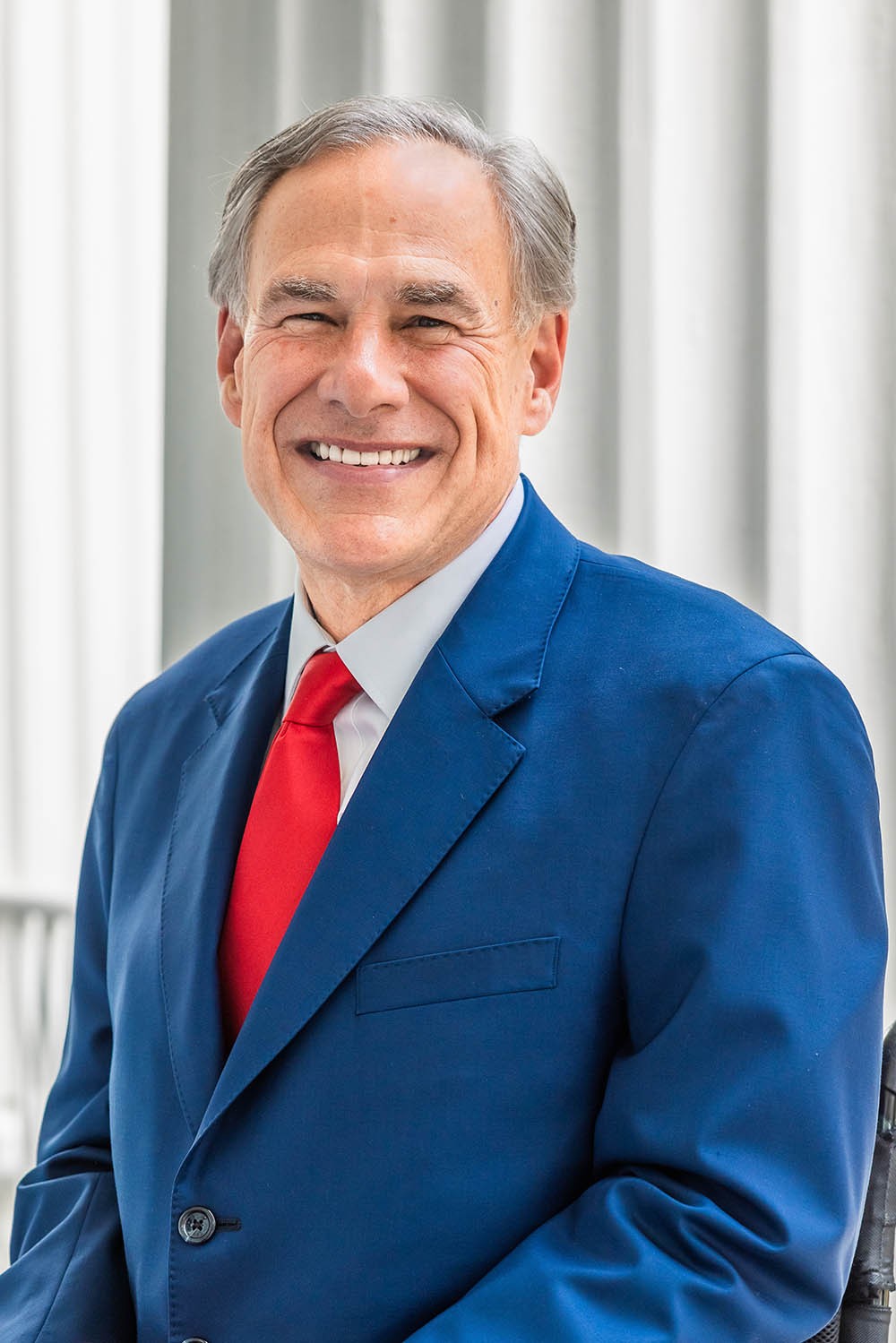
The lack of term limits has led to some remarkable tenures in Texas history. The most prominent example is Rick Perry, who served as governor for an unprecedented 14 years, from December 2000 to January 2015. His extensive time in office allowed him to pursue a consistent agenda, impacting state policies related to economic development, education, and energy for well over a decade. Such long tenures can lead to a deeper understanding of state issues, more stable leadership, and the ability to see long-term projects through to completion.
Other notable figures have also left their mark, though not always with such extended continuous terms. Miriam A. Ferguson, one of the first two female governors in the United States, served two non-consecutive terms in the 1920s and 1930s. Ann Richards, another charismatic and influential governor, served one term in the early 1990s. These individuals, whether serving long or short terms, have shaped the fabric of Texas in profound ways, from fostering its economic boom to championing its unique cultural identity.
The continuity provided by a long-serving governor can be a double-edged sword. On one hand, it can foster stability, attract investment, and allow for the consistent implementation of large-scale projects like infrastructure upgrades, which directly benefit travelers and residents alike. On the other hand, it can also lead to a lack of fresh perspectives, potential complacency, and make it harder for new ideas to take root. However, for a state that prides itself on its independent spirit and its distinctive approach to governance, the unlimited term for its governor is a testament to Texas’s unique political philosophy and its trust in the democratic process to ultimately decide who leads the Lone Star State.
Impact of Gubernatorial Tenure on Texas’s Landscape and Lifestyle
The long-term vision that can be cultivated by a governor serving multiple terms in Texas has a tangible impact on the state’s physical landscape and the lifestyle of its residents, which in turn influences its attractiveness as a travel destination. From urban development to the preservation of natural wonders, consistent leadership can steer the state towards specific goals, shaping the environment for both locals and visitors.
Economic Vibrancy and Tourist Appeal
A stable political environment, often a byproduct of consistent leadership, is a significant factor in fostering economic growth. When businesses perceive governmental stability and a predictable regulatory climate, they are more likely to invest, expand, and create jobs. This economic vibrancy directly translates into a more dynamic and appealing state for tourists and those considering a lifestyle change.
Consider the booming tech industry in Austin, the energy sector in Houston, or the diverse corporate headquarters in Dallas. State policies, guided by gubernatorial leadership, play a crucial role in maintaining competitive business environments, funding educational institutions like the University of Texas at Austin and Texas Tech University, and investing in job training. These factors create a thriving economy that supports a rich array of cultural attractions, dining experiences, and entertainment options – all essential components of a robust tourism sector. For a traveler, this means more choices in hotels, resorts, and local businesses, and a general sense of forward momentum. For those considering a move, it implies a strong job market and a high quality of life.
Infrastructure, Conservation, and Development
Gubernatorial decisions also profoundly influence the development of Texas’s infrastructure and its commitment to conservation. Long-term governors can champion multi-year projects that might otherwise falter with frequent changes in leadership. This includes critical transportation networks, such as expanding highways to connect major cities like Dallas, Houston, and San Antonio, or improving airports, which are vital for travel and tourism. Better infrastructure means easier access to destinations across the vast state, whether it’s for a business trip or a family vacation.
Moreover, a consistent vision can lead to sustained efforts in environmental conservation. Texas is home to incredibly diverse ecosystems, from the Gulf Coast beaches to the majestic mountains of Big Bend National Park and Guadalupe Mountains National Park. Gubernatorial leadership can allocate resources for state parks, wildlife management areas, and conservation initiatives that protect these natural treasures, ensuring they remain pristine and accessible for future generations of adventurers and nature enthusiasts.
Likewise, consistent development policies can shape urban landscapes, supporting smart growth initiatives that enhance liveability and aesthetic appeal. This might involve supporting projects that revitalize downtown areas, invest in public parks, or promote sustainable development practices. For visitors, this translates to well-maintained cities with attractive amenities and vibrant public spaces, making their travel experiences more enjoyable. For residents, it means a higher quality of daily life, with access to green spaces and well-planned communities. The ability of a governor to serve unlimited terms, therefore, provides a unique opportunity for sustained strategic planning that can fundamentally transform and enhance the physical and social fabric of Texas.
Exploring Texas: Where Politics Meets Postcards
The seat of Texas government, Austin, perfectly encapsulates the blend of political significance and tourist appeal. A visit to the state capital offers a unique opportunity to explore historical landmarks directly tied to the state’s governance, all while experiencing the city’s vibrant culture and burgeoning tourism scene. Understanding the state’s political structure, including the governor’s unlimited term potential, enriches the appreciation of these sites and the state’s enduring character.
Iconic Landmarks and Cultural Hotspots
No trip to Austin is complete without a stop at the magnificent Texas State Capitol. Taller than the United States Capitol building in Washington D.C., this pink granite architectural marvel offers guided tours that delve into Texas history, art, and the legislative process. Visitors can explore the legislative chambers, view historical portraits of past governors, and walk the very halls where pivotal decisions about the state’s future are made. Just a short stroll away is the historic Governor’s Mansion, a Greek Revival masterpiece and the official residence of the Governor of Texas, offering another glimpse into the state’s rich political heritage.
Beyond the capital, the influence of state policies and a stable government can be seen across Texas’s diverse landscape of iconic landmarks and cultural hotspots:
- San Antonio: Home to The Alamo, a UNESCO World Heritage Site, and the charming San Antonio River Walk. State funding and preservation efforts have been crucial in maintaining these historical treasures and developing the infrastructure around the River Walk as a prime tourist attraction.
- Houston: A global hub for space exploration and energy. Space Center Houston, the official visitor center of NASA Johnson Space Center, benefits from state support for scientific research and tourism promotion, drawing visitors from around the globe.
- Dallas: A city rich in history and culture, featuring the Sixth Floor Museum at Dealey Plaza, which chronicles the assassination of President John F. Kennedy. Urban development initiatives, often with state backing, ensure the city remains a modern, accessible destination.
- Fort Worth: Experience the true “Wild West” at the Fort Worth Stockyards National Historic District, where cattle drives and rodeos are still a daily spectacle. State investment in heritage tourism helps preserve these unique cultural experiences.
- Big Bend National Park: In West Texas, this vast wilderness bordering Mexico showcases the state’s commitment to conserving its stunning natural beauty. State environmental policies and tourism initiatives help make such remote destinations accessible and enjoyable for visitors.
- South Padre Island: The premier beach destination on the Texas Gulf Coast, benefiting from state-level tourism marketing and infrastructure maintenance to attract millions of beachgoers annually.
These locations, along with countless others across the state – from the vineyards of the Hill Country to the piney woods bordering Louisiana, the plains of Oklahoma and Arkansas, and the deserts touching New Mexico and Mexico – are all, in various ways, shaped by the state’s leadership and long-term vision. The unlimited term potential for the governor means that policies impacting tourism, conservation, and urban development can be sustained over many years, creating a consistent and evolving experience for both residents and those traveling through this expansive state.
From the Capitol to Coasts: Planning Your Texas Adventure
Knowing that Texas benefits from the potential for long-term gubernatorial vision allows for a deeper appreciation of the stability and strategic growth that characterize the state. This political framework, coupled with Texas’s vast geographical and cultural diversity, makes it an unparalleled destination for travelers and an attractive location for those seeking a new lifestyle. Whether you’re drawn by the history, the food, the music, or the sheer scale of it all, planning a Texas adventure promises an unforgettable experience.
Beyond Politics: The Texas Experience
Texas offers a kaleidoscope of experiences that cater to every type of traveler and lifestyle preference. For the history buff, there’s the rich narrative woven through the Alamo and the Sixth Floor Museum. For the nature enthusiast, the rugged beauty of Big Bend National Park or the serene charm of the Hill Country provide endless exploration. City lovers can indulge in world-class dining, shopping, and entertainment in Houston, Dallas, and Austin, experiencing everything from professional sports (like the Texas Rangers baseball team) to live music festivals.
Accommodation options in Texas are as diverse as its landscapes. From luxury resorts in Dallas and Houston to boutique hotels in Austin’s vibrant districts, charming bed and breakfasts in the Hill Country, and family-friendly villas along the Gulf Coast, there’s something to suit every budget and style. Many major cities boast an array of hotels, from international chains offering suites and extensive amenities to unique independent properties reflecting local culture. Whether you’re seeking a short-term stay for a weekend getaway or exploring options for long-term accommodation as part of a relocation, the infrastructure is well-developed to support your needs.
The emphasis on economic growth and infrastructure by past and present long-serving governors has made travel within Texas remarkably accessible. Excellent road networks connect its sprawling cities and natural attractions, while its major airports serve as vital hubs for domestic and international visitors. This interconnectedness allows travelers to seamlessly transition from experiencing the political heartbeat of Austin to exploring the wild frontiers of West Texas or relaxing on the sunny shores of South Padre Island.
In conclusion, the unique constitutional provision allowing the Governor of Texas to serve an unlimited number of four-year terms is a defining characteristic of the Lone Star State’s political system. This distinct approach to executive power not only shapes the political discourse but also has far-reaching implications for the state’s economic development, infrastructure, conservation efforts, and overall appeal as a premier destination for travel, tourism, and diverse lifestyles. So, as you plan your next Texan adventure, remember that behind the state’s grand landmarks and vibrant culture lies a governance system that prioritizes continuity, allowing for a long-term vision that continues to shape this extraordinary state.
LifeOutOfTheBox is a participant in the Amazon Services LLC Associates Program, an affiliate advertising program designed to provide a means for sites to earn advertising fees by advertising and linking to Amazon.com. Amazon, the Amazon logo, AmazonSupply, and the AmazonSupply logo are trademarks of Amazon.com, Inc. or its affiliates. As an Amazon Associate we earn affiliate commissions from qualifying purchases.