
For fans of horror cinema, few franchises evoke the same visceral dread and enduring fascination as The Texas Chainsaw Massacre. Since its controversial debut, the series has carved out a notorious niche in popular culture, influencing countless subsequent films and solidifying its place as a cornerstone of the slasher genre. But for those looking to delve into the gruesome saga or perhaps even embark on a unique “dark tourism” experience exploring its filming locations, a fundamental question often arises: just how many movies are there in this sprawling, terrifying universe?
Beyond simply counting the films, the enduring legacy of The Texas Chainsaw Massacre offers a fascinating lens through which to explore aspects of travel, tourism, and lifestyle. From visiting the infamous Texas locales that inspired and housed the cinematic terror, to planning themed road trips and discovering unique accommodation options, the series provides a surprising backdrop for adventurous travelers seeking unconventional experiences. This article will not only provide a definitive count of the films but also explore how this iconic horror franchise intertwines with the world of travel and discovery, inviting enthusiasts to step out of the box and into the macabre landscapes of Leatherface’s world.

The Gruesome Legacy: Counting the Films in the Texas Chainsaw Massacre Franchise
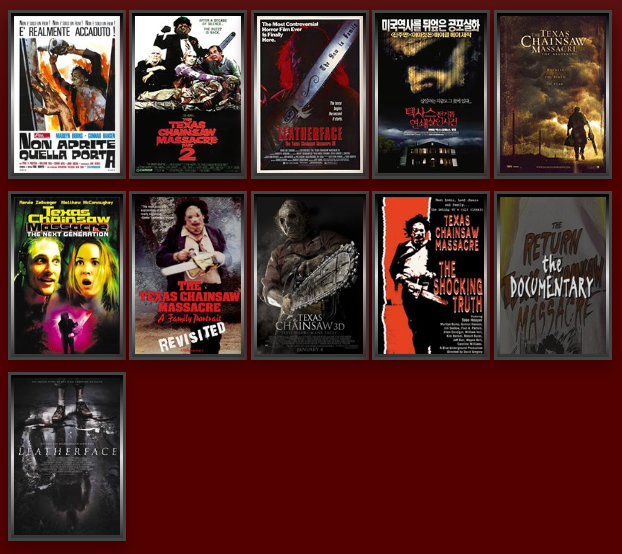
The Texas Chainsaw Massacre franchise is notorious for its convoluted timeline, with reboots, prequels, and direct sequels often ignoring previous installments. This makes a straightforward count a little tricky, but when considering every film released under the banner, we can identify a clear lineage of terror. In total, there are nine films in the Texas Chainsaw Massacre series. Let’s break them down.
The Original Classic and Its Direct Sequels
The series began with a shockwave in the 1970s, introducing audiences to a new brand of horror that felt terrifyingly real.
- The Texas Chain Saw Massacre (1974): Directed by Tobe Hooper and co-written with Kim Henkel, this groundbreaking independent film introduced the world to Leatherface and his cannibalistic family. Starring Marilyn Burns as the iconic final girl, Sally Hardesty, and Gunnar Hansen as Leatherface, it set a new standard for horror, rooted in a gritty, documentary-style aesthetic that made its fictional events feel chillingly plausible. Its critical and commercial success paved the way for a long-running franchise.
- The Texas Chainsaw Massacre 2 (1986): Also directed by Tobe Hooper, this sequel took a starkly different approach, injecting a heavy dose of black comedy and camp into the proceedings. Featuring a memorable performance by Dennis Hopper as a vengeful lawman, the film embraced a more over-the-top style, moving away from the stark realism of the original but still maintaining its gruesome core.
- Leatherface: The Texas Chainsaw Massacre III (1990): This installment attempted to return to the more serious tone of the original, introducing a new group of unsuspecting travelers who fall prey to the Sawyer family. While it aimed for a darker atmosphere, it struggled to capture the raw power of the 1974 classic.
- Texas Chainsaw Massacre: The Next Generation (1994): Perhaps the most infamous of the original sequels, this film is notable for featuring early career performances from future stars Matthew McConaughey and Renée Zellweger. It leaned heavily into surrealism and dark comedy, further complicating the franchise’s continuity.
Reboots, Prequels, and Modern Iterations
The 21st century saw a resurgence of the Texas Chainsaw Massacre brand, primarily through reboots and prequels that sought to reintroduce Leatherface to a new generation.
- The Texas Chainsaw Massacre (2003): This remake, produced by Michael Bay‘s Platinum Dunes, was a massive commercial success and is credited with revitalizing the franchise. Starring Jessica Biel, it offered a grittier, more polished, and more conventionally horrific take on the original story, effectively resetting the continuity.
- The Texas Chainsaw Massacre: The Beginning (2006): A direct prequel to the 2003 remake, this film explored the origins of Leatherface and his family, delving into their disturbing backstory before the events of the previous film.
- Texas Chainsaw 3D (2013): This film served as a direct sequel to the 1974 original, completely ignoring all previous sequels and reboots. It introduced a new protagonist, Heather Miller, played by Alexandra Daddario, who discovers she is Leatherface’s long-lost cousin and heir to his family’s dark legacy.
- Leatherface (2017): A prequel to the 1974 film, this installment aimed to show Leatherface’s formative years and how he became the chainsaw-wielding killer. Starring Olga Kurylenko, it provided an origin story for the iconic villain.
- Texas Chainsaw Massacre (2022): Released on Netflix, this film is another direct sequel to the 1974 original, once again ignoring all intervening films except the first. It brings Leatherface into the modern era, confronting a new generation of social media-savvy entrepreneurs in a deserted Texas town.
The Grand Total and Thematic Threads
Counting all the entries, there are a total of nine Texas Chainsaw Massacre movies. Despite the varied approaches, reboots, and retcons, the series consistently explores themes of isolation, rural decay, the fragility of civilization, and the terror of encountering an unfathomable evil, often with a unique Texas sensibility.
Embarking on a Dark Tourism Journey: Visiting Texas Chainsaw Massacre Locations
For dedicated fans, the allure of The Texas Chainsaw Massacre extends beyond the screen. The very real, desolate landscapes of rural Texas played such a crucial role in establishing the original film’s chilling atmosphere that many enthusiasts are drawn to visit the actual filming locations. This phenomenon, often referred to as “dark tourism” or “horror film tourism,” allows travelers to connect with the source material in a tangible and often eerie way. It’s an experience that moves beyond traditional sightseeing, offering a unique blend of film history, local culture, and a touch of thrilling macabre.
Iconic Filming Locations and Their Modern Status
The original 1974 film utilized various unassuming locations across central Texas, transforming them into landscapes of terror. Many of these sites have since become unofficial landmarks, drawing visitors from across the United States and beyond.
The most famous location is undoubtedly the original Leatherface house, a Victorian-style farmhouse that stood in Round Rock, Texas during filming. After falling into disrepair, the house was meticulously disassembled and moved approximately 60 miles southwest to Kingsland, Texas, where it was fully restored and repurposed. Today, this iconic piece of horror history serves a much friendlier function: it’s home to The Grand Central Café, a charming restaurant that offers a unique dining experience. Guests can enjoy delicious meals inside the very rooms where Sally Hardesty once ran screaming. This transformation from a terrifying film set to a welcoming eatery exemplifies the fascinating evolution of these landmarks, offering a perfect blend of history and hospitality for travelers.
Other key filming locations from the original include:
- Gas Station in Bastrop, Texas: The remote gas station seen in the film, where the unlucky protagonists stop for fuel, is also a popular stop for fans. While it has seen different owners and iterations over the years, the spirit of the original remains, often selling Chainsaw-themed merchandise and offering a glimpse into that pivotal scene. It has even been reimagined as the “We Slaughter BBQ” gas station, embracing its cinematic past.
- The Cemetery: The opening scenes featuring the disturbed cemetery were filmed near La Grange, Texas. While less accessible or transformed than the house or gas station, it highlights the film’s reliance on authentic, rural Texas backdrops to create its unsettling realism.
- Various Roads around Austin and Bastrop: The desolate roads and highways featured throughout the film are quintessential Texas landscapes, contributing significantly to the sense of isolation and dread. Driving these same roads can be an experience in itself, allowing travelers to immerse themselves in the film’s atmosphere.
Visiting these sites offers a unique perspective on the film’s production and its lasting cultural impact. It’s a chance to walk in the footsteps of cinematic history, blurring the lines between fiction and reality.
Planning Your Horror Film Pilgrimage in Texas
For those planning a trip centered around The Texas Chainsaw Massacre locations, a few considerations will enhance the experience. This niche form of tourism requires a respectful and informed approach.
- Respect Private Property: While some locations, like The Grand Central Café or the gas station, are open to the public, many potential filming spots might be on private land. Always be mindful and respect “no trespassing” signs.
- Check Opening Hours and Local Customs: Research the operating hours for commercial establishments like the café or gas station. Embrace the local Texas culture, which is generally friendly and welcoming, even if your interest is in a horror film!
- Combine with Other Attractions: Texas is vast and full of diverse attractions. Consider combining your horror pilgrimage with visits to vibrant cities like Austin, known for its live music and unique atmosphere, or historic San Antonio, home to the Alamo and the Riverwalk. This allows for a richer travel experience, blending the macabre with more conventional tourism.
- Road Trip Essentials: Given the rural nature of many locations, a road trip is the ideal way to explore. Ensure your vehicle is ready for some driving, and pack essentials like water, snacks, and a good map (or GPS) – cell service can be spotty in truly remote areas, mirroring the isolation felt by the film’s characters. This kind of journey embraces the spirit of discovery inherent in both the film and in independent travel.
Beyond the Chainsaw: Accommodations and Lifestyle for the Horror Enthusiast
A true Texas Chainsaw Massacre pilgrimage isn’t just about visiting specific sites; it’s about crafting an entire travel experience. From choosing the right place to rest your head after a day of exploration to embracing a lifestyle of niche travel, the journey can be as memorable as the destination itself. This goes beyond simple sightseeing, delving into how travelers can immerse themselves fully in a themed adventure.
Where to Stay: Hotels, Resorts, and Unique Rentals
When planning your visit to the Texas Chainsaw Massacre locations, accommodation plays a crucial role in shaping your overall experience. You have several options, depending on your preferred travel style and budget.
- Hotels in Nearby Cities: For comfort and convenience, staying in a hotel in a larger nearby city is often the best choice. Austin, being the state capital and a major cultural hub, is an excellent base. Here, you’ll find a wide range of hotels, from luxury resorts offering comprehensive amenities and sophisticated suites to budget-friendly options perfect for travelers who prefer to spend more on experiences than on extravagant lodging. Cities like Dallas, Houston, or San Antonio are also within driving distance, albeit further, offering even more choices for hotels, resorts, and apartments. These urban centers provide a stark contrast to the desolate film locations, allowing travelers to unwind in comfort.
- Boutique Hotels and Unique Stays: For those seeking accommodation with character, boutique hotels in smaller towns surrounding the filming areas can offer a more localized experience. These often feature unique designs, personalized service, and a deeper connection to the local culture. Exploring booking sites for distinctive apartments or even charming villas can elevate your trip from a mere visit to a truly immersive travel experience.
- Vacation Rentals: Platforms like Airbnb or VRBO offer vacation rentals, including houses or apartments, which can be ideal for groups or those seeking a more homely feel. Imagine staying in a rustic cabin or a quaint house in the Texas countryside (though perhaps not too rustic, given the theme!) – it can add an extra layer of atmospheric immersion to your trip, making the travel experience feel more authentic and intimate. Reviews and comparisons on these sites are invaluable for finding the perfect long-term stay or short visit.
Choosing your accommodation strategically allows you to balance the thrill of dark tourism with the comfort and amenities that make for an enjoyable travel experience.
Crafting a Themed Travel Experience
Beyond simply visiting locations, a Texas Chainsaw Massacre-themed trip can be a full-fledged lifestyle choice for the adventurous traveler. It’s about curating an experience that resonates with your interests, whether you’re a luxury traveler, on a budget, or planning a unique family trip (for older, horror-loving families, of course!).
- The Texas Road Trip: The vastness of Texas makes it perfect for a road trip. Plot a course that connects the film locations with other significant Texas landmarks and attractions. You could start in Austin, head to Kingsland for The Grand Central Café, then swing through Bastrop, and perhaps even venture to the vibrant culture of San Antonio. This allows you to soak in the local culture, sample authentic Texas BBQ, and experience the state’s diverse landscapes.
- Embracing Local Culture and Food: Don’t just focus on the horror; engage with the local culture. Texas is renowned for its hospitality, incredible food scene (especially its barbecue), and unique music venues. Your trip can be a blend of spine-tingling film history and delightful culinary adventures. Think about integrating local activities and tips from residents to get the most out of your visit.
- Conventions and Events: For the ultimate horror lifestyle experience, consider timing your trip with horror conventions or film festivals held in Texas. These events offer opportunities to meet actors, directors, and fellow fans, adding another dimension to your themed travel. They are often held in major cities, making them accessible via good accommodation and transport links.
- Budget vs. Luxury Travel: This niche travel can cater to any budget. Budget travelers can opt for motels, plan picnic lunches, and focus on free or low-cost attractions. Luxury travelers, on the other hand, can indulge in high-end resorts in Austin, fine dining experiences, and private guided tours. The beauty lies in the flexibility to tailor the experience to your individual lifestyle and preferences, ensuring maximum enjoyment for every kind of traveler.
In conclusion, the Texas Chainsaw Massacre franchise, with its nine terrifying films, offers more than just scares. It provides a unique gateway into a specialized form of tourism and lifestyle travel. For those brave enough to venture into its chilling real-world settings, it promises an unforgettable experience that merges film history with the rich culture and diverse landscapes of Texas, redefining what a travel destination can be. Whether you’re a die-hard horror fan or an adventurous traveler seeking something truly different, the world of Leatherface awaits.