
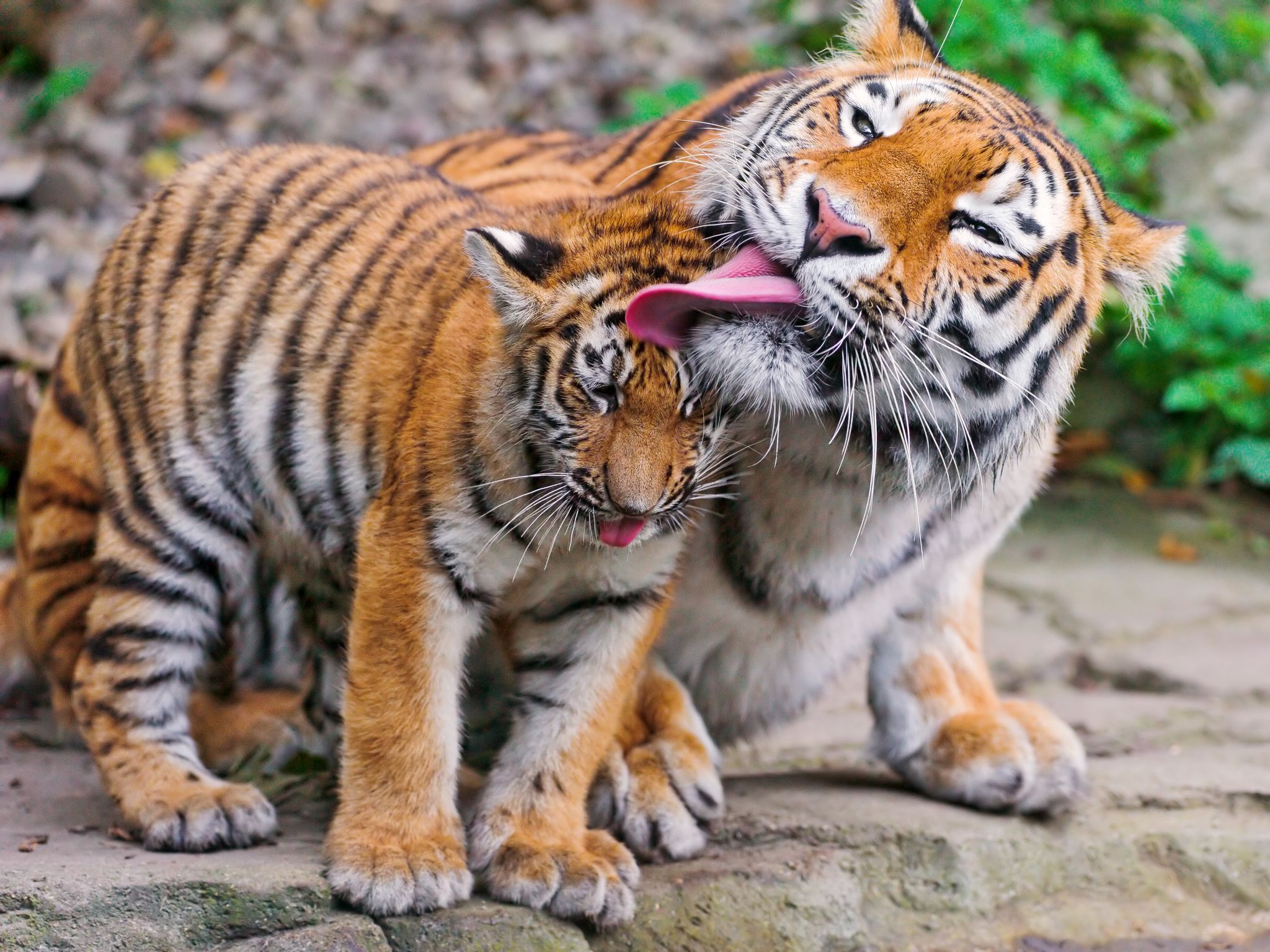
The very question “How many tigers are in Texas?” often elicits a double-take, a smirk, or a puzzled frown. It sounds like the setup to a tall tale or a sensationalized headline, perhaps even a bizarre urban myth. Yet, beneath the veneer of disbelief, lies an astonishing, perplexing, and sometimes alarming reality. While it might seem fantastical, the Lone Star State is, in fact, home to a significant and surprising number of tigers – potentially more than exist in the wild worldwide. This phenomenon is not about a hidden wilderness teeming with these magnificent predators, but rather a complex story of private ownership, exotic animal laws, and the unique cultural landscape of Texas.
For anyone planning to visit Texas, whether for a thrilling adventure or a relaxing escape, understanding this curious aspect of the state adds an unexpected layer to its already rich tapestry. From its vibrant cities and sprawling landscapes to its unique local culture and diverse attractions, Texas offers an unparalleled range of travel experiences. As we delve into the tiger question, we’ll also explore how Texas positions itself as a prime destination for responsible wildlife encounters and unforgettable vacations, ensuring your trip is both enriching and ethically sound.
The Astonishing Reality of Private Tiger Ownership in Texas
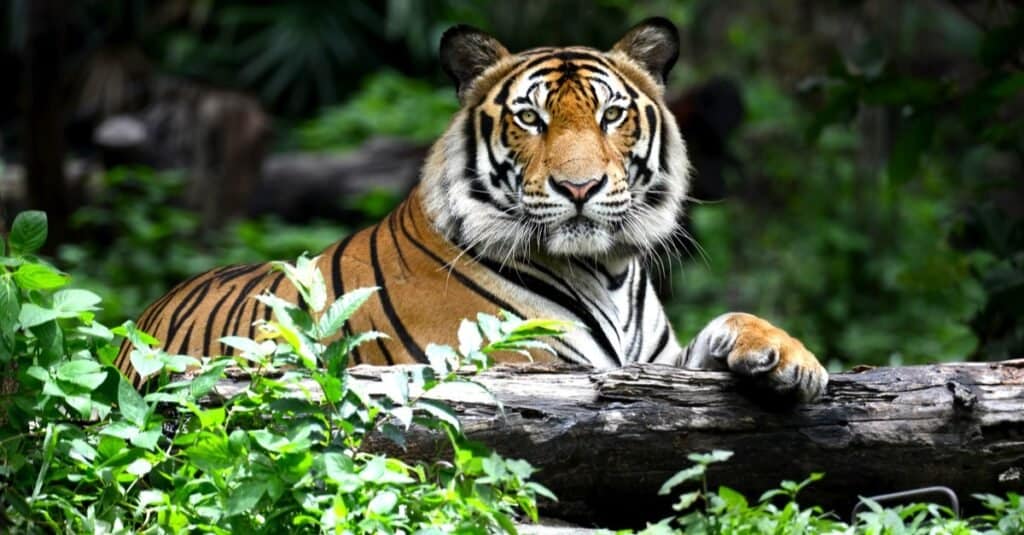
The sheer number of tigers privately owned in Texas is truly staggering. Experts estimate that there could be anywhere from 2,000 to 5,000 tigers living in backyards, roadside zoos, and private compounds across the state. To put this into perspective, global estimates for wild tiger populations hover around 3,900. This means that, incredibly, there might be more tigers within the borders of Texas than roam free in their natural habitats across Asia. This perplexing situation is a result of a combination of historical factors, lax regulations, and a culture that has historically embraced a certain degree of personal freedom regarding exotic animal ownership.
A Feral Fact or a Wild Myth?
While the thought of wild tigers roaming the Texas plains is certainly a myth, the reality of their presence in captivity is very much a fact. For decades, it was relatively easy to acquire exotic animals in Texas with minimal oversight. This led to a booming, unregulated market where individuals could purchase tiger cubs for a few thousand dollars, often without any prior experience in caring for such dangerous and complex animals. The allure of owning such a powerful and majestic creature, combined with the relative ease of acquisition, contributed to the proliferation of tigers in private hands.
Many of these animals are purchased as cubs, their adorable appearance masking the fact that they will grow into incredibly large, strong, and potentially dangerous predators. As they mature, their needs become immense, requiring specialized diets, expansive enclosures, and expert veterinary care – resources that many private owners are ill-equipped to provide. The consequences often lead to neglect, abuse, or situations where the animals become a danger to their owners and the public, prompting calls for rescue or intervention. The surprising numbers highlight a critical issue for animal welfare advocates and law enforcement agencies alike.
The Ethical and Legal Landscape
The presence of so many privately owned tigers in Texas raises significant ethical and legal concerns. From an animal welfare perspective, it is challenging to ensure that these powerful carnivores receive the appropriate care, diet, and enrichment needed to thrive in captivity. Many are kept in inadequate conditions, leading to physical and psychological distress. Public safety is another paramount concern; escaped tigers pose an immediate and severe threat to communities.
Historically, Texas had some of the most permissive exotic animal laws in the United States. However, public outcry and several high-profile incidents involving escaped or abused tigers have led to legislative changes. The Dangerous Wild Animals Act, passed in 2001 and subsequently amended, requires owners of dangerous wild animals (including tigers) to register their animals with local authorities, obtain liability insurance, and meet specific caging requirements. Enforcement, however, remains a challenge due to limited resources and the sheer number of unregistered animals. The Texas Department of Public Safety is involved in regulating these animals, but the task is enormous.
This legislation attempts to draw a line between responsible ownership (primarily accredited zoos and legitimate sanctuaries) and the often-problematic practice of private exotic pet ownership. The goal is to curtail the unregulated market and ensure that animals are either in facilities capable of providing proper care or, ideally, rehomed to reputable sanctuaries. For travelers and tourism enthusiasts, it’s crucial to understand this distinction and support organizations that prioritize animal welfare and conservation.
Exploring Texas Beyond the Tiger Mystique: Responsible Wildlife Encounters and Attractions
While the private tiger ownership narrative can be unsettling, Texas also offers numerous opportunities for responsible and awe-inspiring wildlife encounters. These experiences are rooted in education, conservation, and the ethical treatment of animals, providing a stark contrast to the unregulated world of private ownership. For families, nature lovers, and anyone interested in learning about and appreciating wildlife, Texas has a wealth of reputable attractions.
Reputable Sanctuaries and Zoos: Where Conservation Comes First
Instead of supporting private ownership, visitors can choose to visit and support legitimate animal sanctuaries and accredited zoos. These institutions play a vital role in animal rescue, rehabilitation, education, and species conservation.

One such place is the In-Sync Exotics Wildlife Rescue and Educational Center in Wylie, Texas. This non-profit organization provides a permanent home for rescued exotic cats, including tigers, lions, and cougars, often from situations of neglect or abuse. Visitors can learn about the individual animals’ stories, the challenges of exotic animal ownership, and the importance of conservation. Similarly, Tiger Creek Animal Sanctuary near Tyler, Texas, offers a safe haven for displaced and abused big cats, focusing on their rescue and rehabilitation while educating the public.
For a broader spectrum of wildlife, major city zoos like the Houston Zoo and the Dallas World Aquarium provide world-class exhibits and participate in global conservation efforts. The Houston Zoo, for instance, is a leader in wildlife conservation, showcasing a diverse array of animals from around the globe in meticulously designed habitats. The Dallas World Aquarium offers an immersive journey through various ecosystems, highlighting marine life and a range of terrestrial animals, including several species of big cats and other exotic creatures, all within a responsible and educational framework. SeaWorld San Antonio also provides opportunities for marine life encounters and educational shows. These institutions prioritize the well-being of their animals and contribute significantly to wildlife protection.
Other Must-See Wildlife Attractions in the Lone Star State
Beyond big cats, Texas boasts incredible natural diversity, making it a fantastic destination for observing native wildlife in their natural habitats.
- Big Bend National Park: Located in West Texas, bordering Mexico, Big Bend National Park is a wilderness paradise. Its vast desert and mountain landscapes are home to diverse wildlife, including black bears, mountain lions, javelinas, and hundreds of bird species. It’s a prime spot for hiking, stargazing, and truly disconnecting from the urban bustle. The dramatic scenery of the Chisos Mountains and the Rio Grande offers unparalleled photographic opportunities.
- Estero Llano Grande State Park: In the Rio Grande Valley, this park is a birder’s paradise, often called the “crown jewel” of the World Birding Center. It’s a critical stop for migratory birds and home to many unique species found nowhere else in the United States.
- Padre Island National Seashore: Stretching for 70 miles, this protected barrier island is the longest undeveloped barrier island in the world. It’s a crucial nesting ground for endangered Kemp’s ridley sea turtles and a sanctuary for over 380 bird species. Visitors can enjoy birdwatching, fishing, and witnessing sea turtle hatchling releases during certain times of the year, offering a truly unique nature experience.
These destinations highlight the ecological richness of Texas and provide myriad opportunities for ethical and memorable interactions with its native fauna, far removed from the controversies of exotic pet ownership.
Planning Your Texas Adventure: From Urban Escapes to Wild Frontiers
With its vast size and diverse geography, Texas offers an incredible array of travel destinations and experiences, catering to every type of traveler. Whether you’re seeking metropolitan sophistication, historical charm, rugged outdoor adventures, or a relaxing beach getaway, the Lone Star State delivers.
Top Destinations and Unique Experiences
- Austin: The state capital, Austin, is known as the “Live Music Capital of the World” and embodies a vibrant, quirky lifestyle. Visitors can catch live bands on 6th Street or South Congress Avenue, explore the Texas State Capitol, kayak on Lady Bird Lake, and indulge in its renowned food truck scene. Events like South by Southwest draw international crowds, showcasing Austin’s innovative spirit.
- San Antonio: Steeped in history and culture, San Antonio is home to the iconic Alamo, a symbol of Texas independence. The picturesque River Walk, lined with shops, restaurants, and hotels, offers charming boat tours and a delightful ambiance. Explore the historic Mission Trail, a UNESCO World Heritage Site, to delve deeper into the city’s Spanish colonial past.
- Houston: As the largest city in Texas, Houston is a dynamic hub for science, art, and culinary delights. Don’t miss Space Center Houston, the official visitor center of NASA’s Johnson Space Center, for an out-of-this-world experience. The Museum District boasts an impressive collection of institutions, while Discovery Green provides a lush urban oasis. A short drive away, Galveston Island offers historic charm and sandy Gulf Coast beaches, along with Moody Gardens and Kemah Boardwalk for family fun.
- Dallas and Fort Worth: These twin cities offer a blend of modern sophistication and authentic Western heritage. Dallas is a fashion and arts mecca, with the expansive Dallas Arts District and upscale shopping. Klyde Warren Park provides a lively urban green space. Just west, Fort Worth embraces its cowboy roots, particularly at the Fort Worth Stockyards National Historic District, where daily cattle drives and rodeos offer a glimpse into the Old West.
- Texas Beaches: For sun-seekers, the Gulf Coast provides miles of sandy beaches. Popular destinations like South Padre Island offer vibrant nightlife, water sports, and pristine shores, while Port Aransas is a charming coastal town perfect for fishing and birdwatching.
Accommodation Choices for Every Traveler
When planning your Texas getaway, you’ll find an extensive range of accommodation options to suit every preference and budget. From luxury resorts to boutique hotels and budget-friendly motels, the state offers diverse choices.
For those seeking luxury travel and world-class amenities, Texas boasts an impressive selection of resorts. The JW Marriott San Antonio Hill Country Resort & Spa, nestled in the scenic Hill Country, offers championship golf courses, a sprawling water park, and rejuvenating spa treatments. In Grapevine, near Dallas, the Gaylord Texan Resort & Convention Center provides a grand experience with its impressive atrium and diverse dining options.
For a more intimate or localized experience, consider one of the many boutique hotels in Austin’s South Congress district or Houston’s Montrose area. These establishments often reflect the unique character of their neighborhoods, offering personalized service and distinct designs. Vacation rentals, including apartments and villas, are also popular, especially for family trips or longer stays, providing ample space and home-like conveniences.
When booking your accommodation, it’s always advisable to consult reviews and comparison sites to find the best value and ensure the property meets your expectations for amenities and location. Many hotels offer special packages for business stays or extended visits, making Texas a flexible destination for all types of travelers. From rustic cabins near Big Bend to sleek downtown suites in Dallas, your perfect stay awaits.
In conclusion, the question of “How many tigers are in Texas?” reveals a fascinating, if problematic, aspect of the state. While the proliferation of privately owned tigers is a serious concern, it should not overshadow the myriad responsible and enriching travel experiences that Texas proudly offers. From its world-class cities and historical landmarks to its stunning natural parks and commitment to ethical wildlife conservation, Texas remains a captivating destination. By choosing to support accredited institutions and engaging in responsible tourism, visitors can ensure their Texas adventure is both unforgettable and impactful, celebrating the true spirit of the Lone Star State.