
The vast expanse of Texas, a state synonymous with grandeur, diverse landscapes, and a spirit as expansive as its horizons, often leads travelers and residents alike to ponder its geographical intricacies. One of the most frequently asked questions, particularly for those planning itineraries or conducting business across its extensive borders, revolves around its time zones. Given the state’s immense size, spanning over 268,000 square miles, it’s a reasonable assumption that the Lone Star State might stretch across multiple time divisions. Indeed, while predominantly operating under one time zone, Texas does, in fact, encompass two distinct time zones, presenting a unique element to its already rich tapestry of travel and lifestyle experiences.
For anyone navigating the multifaceted world of Texas tourism, accommodation, or even considering a long-term stay, understanding these time zone distinctions is paramount. From booking a flight to Dallas to reserving a suite in El Paso, the subtle shift in time can have significant implications for planning and enjoyment. This article delves into the specifics of Texas’s time zones, explores the historical and geographical reasons behind the division, and offers invaluable insights for travelers, businesses, and anyone seeking to experience the best of this incredible state.
Unraveling Texas’s Time Zones: More Than Meets the Eye
At first glance, the answer to “How many time zones in Texas?” might seem straightforward to many, especially those residing in the bustling urban centers or the scenic Hill Country. However, a closer look at the state’s westernmost reaches reveals a fascinating exception to the rule, creating a dual time zone reality that adds another layer of intrigue to the state’s geography.
The Dominance of Central Standard Time
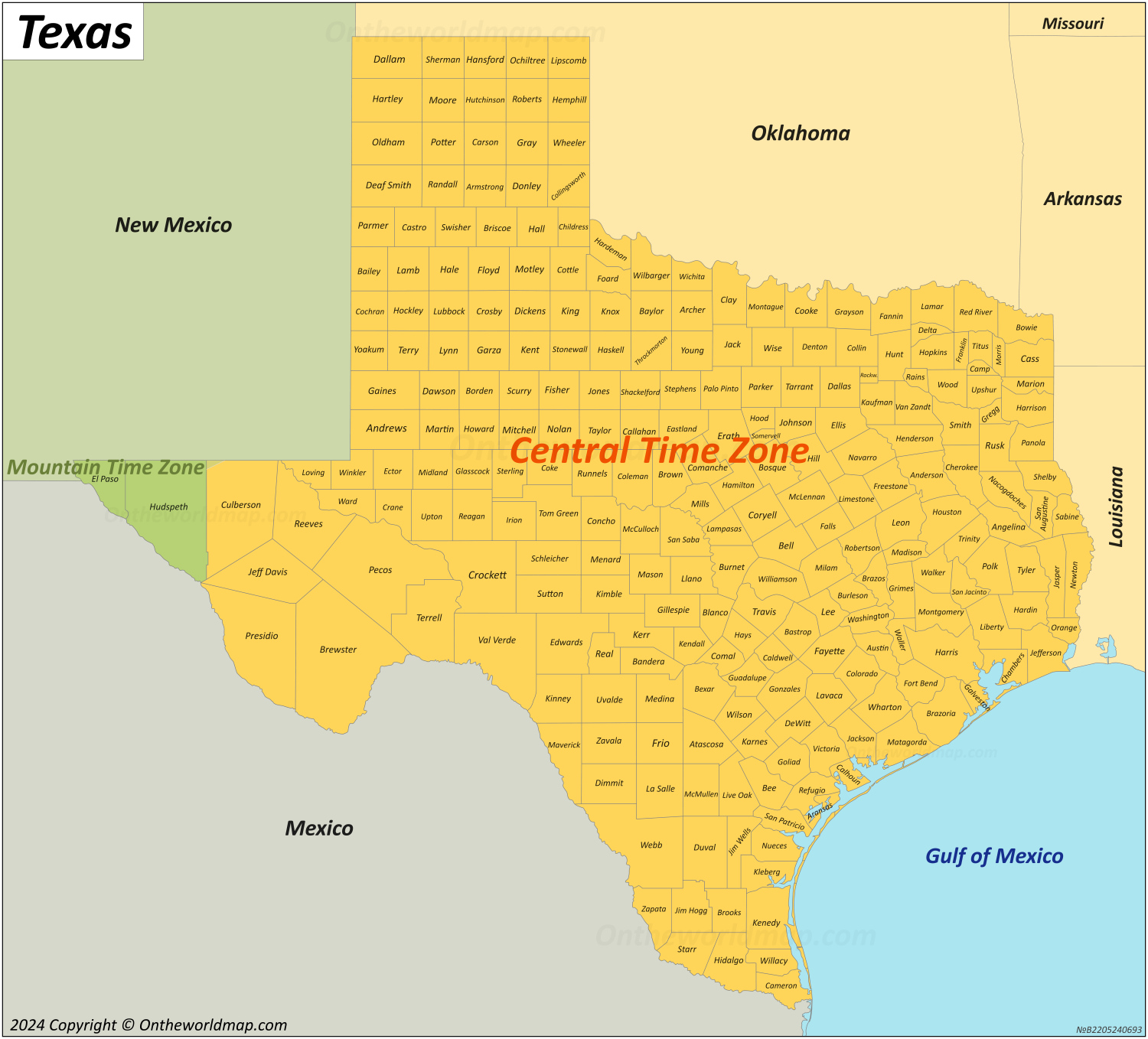
The overwhelming majority of Texas, encompassing its most populous cities and iconic landmarks, observes the Central Time Zone (CT). This includes major metropolitan areas like Houston, Dallas, Austin, and San Antonio, which are powerhouses of travel, commerce, and culture. When you book a room at the Marriott Marquis Houston for a business trip or plan to explore the historic Alamo in San Antonio, you’ll be operating on Central Standard Time (CST) during the winter months and Central Daylight Time (CDT) during the warmer seasons when Daylight Saving Time is in effect.
This broad observance of Central Time simplifies logistics for most visitors. Whether you’re attending a conference in Fort Worth, enjoying the vibrant music scene in Austin, or relaxing on the beaches of South Padre Island, your clocks will align. This uniformity across such a large area facilitates seamless travel planning, from coordinating hotel check-ins at properties like the Hyatt Regency Dallas to ensuring timely arrivals for guided tours of the Space Center Houston. The consistent time zone across central and eastern Texas underpins much of the state’s tourism infrastructure, making it easier for visitors to embrace local culture, culinary experiences, and renowned attractions without the added complexity of frequent time adjustments.
The Mountain Time Exception: El Paso and Hudspeth Counties
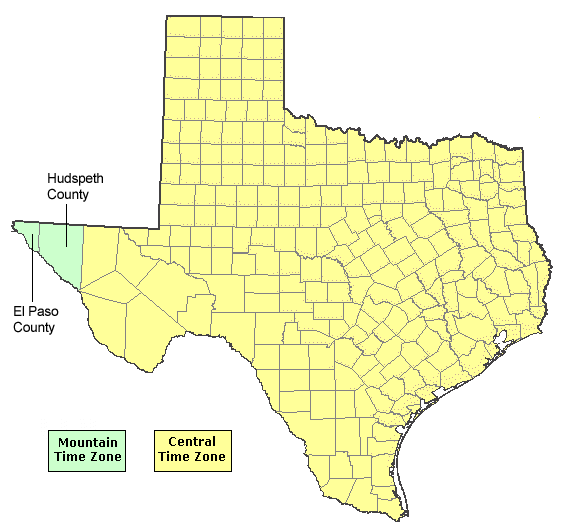
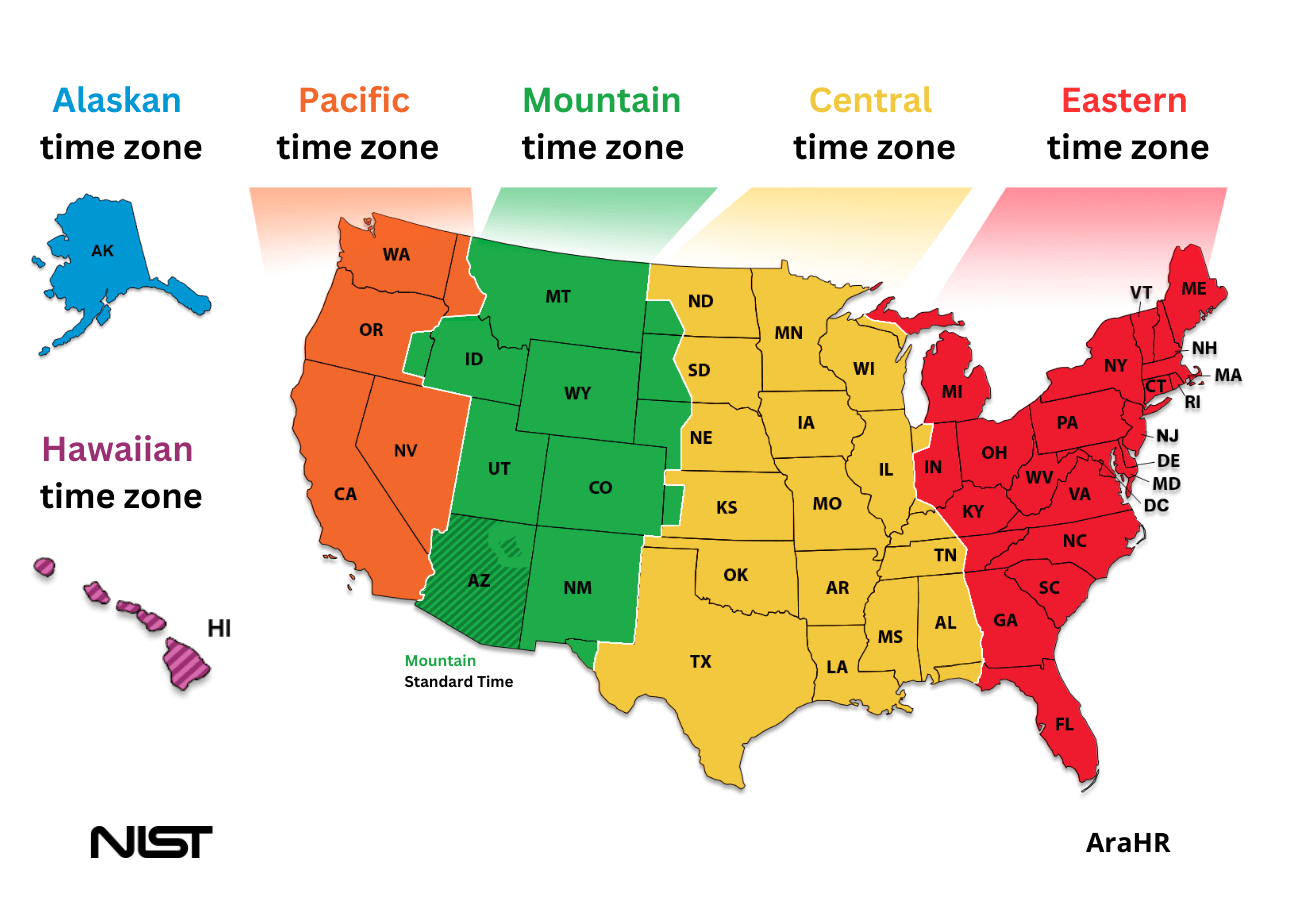
The primary exception to Texas’s Central Time rule lies in its far western corner. The city of El Paso, along with virtually all of Hudspeth County, observes the Mountain Time Zone (MT). This means that these areas are one hour behind the rest of the state. So, if it’s 3:00 PM in Dallas, it will be 2:00 PM in El Paso. Like Central Time, Mountain Time also observes Daylight Saving Time, shifting between Mountain Standard Time (MST) and Mountain Daylight Time (MDT).
This distinction is crucial for anyone planning to travel to or through this part of Texas. El Paso serves as a significant gateway to the Southwest and Mexico, and its time zone alignment with neighboring New Mexico and Chihuahua, Mexico, facilitates cross-border activities. For travelers visiting iconic natural landmarks such as Guadalupe Mountains National Park or Big Bend National Park – both offering breathtaking natural beauty and unparalleled outdoor experiences – knowing the time zone is essential for coordinating park activities, sunrise hikes, and even booking stays at nearby accommodations like the Hotel Paso del Norte. This geographical exception highlights the practical considerations that arise from the federal uniform time act, which often prioritizes administrative convenience and historical precedent over strict adherence to meridians.
Historical Context and Geographical Impact
The story behind Texas’s dual time zones is deeply intertwined with its immense size and historical development, particularly concerning its western frontier. Understanding this background provides valuable context for both the casual tourist and the meticulous travel planner.
Why the Divide? A Look at Texas’s Vastness
The primary reason for Texas straddling two time zones is its sheer longitudinal breadth. The state stretches so far east to west that its westernmost parts are naturally closer to the standard meridian for the Mountain Time Zone. Historically, before the standardization of time zones, local communities set their clocks based on the sun’s position. The advent of transcontinental railroads in the late 19th century necessitated a more uniform system, leading to the establishment of standard time zones across North America.
When the federal government officially established time zones in the United States, the lines were drawn to simplify commerce, communication, and transportation. El Paso and Hudspeth County were geographically and economically more aligned with regions observing Mountain Time, such as New Mexico. Shifting them to Mountain Time prevented the peculiar situation where the sun might reach its zenith hours before or after noon according to the clock, and facilitated trade and travel with their immediate neighbors. The vast, sparsely populated areas of West Texas beyond the Pecos River naturally gravitated towards this western alignment, cementing the two-time-zone status. This geographical reality reinforces the notion that even within a single state, local nuances can significantly shape lifestyle and daily operations.
The Ripple Effect on Local Culture and Daily Life
The time zone division, while primarily a logistical matter, also subtly influences the local culture and daily rhythms of those living in West Texas. For residents of El Paso, their daily routines, school schedules, and business hours are aligned with Mountain Time, often creating a unique identity separate from the rest of Texas. This can affect everything from when local events are scheduled to how businesses interact with suppliers and clients across the state.
For tourists, this translates into a distinct experience. When you explore the vibrant downtown of El Paso, perhaps staying at the luxurious Stanton House El Paso or visiting the El Paso Mission Trail, you’re immersed in a rhythm that feels less “Texan” in terms of time, and more akin to New Mexico or Arizona. This cultural nuance adds to the richness of the travel experience, emphasizing Texas’s incredible diversity, from the bustling port city of Houston on the Gulf of Mexico to the high desert landscapes bordering the Rio Grande. The different time zone can also be a subtle reminder of the blend of cultures and historical influences that define West Texas, distinct from the legacies of Arkansas, Louisiana, and Oklahoma that shape eastern Texas.
Navigating Time Across the Lone Star State for Travelers
For anyone planning a trip to Texas, whether it’s a luxury getaway, a budget-friendly adventure, a family vacation, or a crucial business stay, understanding the state’s time zones is more than just a trivial detail. It’s a fundamental aspect of efficient planning and a seamless experience.
Planning Your Texas Itinerary: Essential Time Zone Tips
When constructing your Texas itinerary, especially one that spans from east to west, time zone awareness is key. If your journey takes you from the state capital, Austin, with its iconic Texas State Capitol, westward towards the rugged beauty of Big Bend National Park near El Paso, remember to adjust your schedule.
- Flight and Train Schedules: Always double-check arrival and departure times for flights and trains, noting whether they are listed in local time or a consistent time zone. A flight from Houston’s George Bush Intercontinental Airport to El Paso International Airport will effectively “gain” an hour, meaning a 2-hour flight will feel like 1 hour on the clock.
- Driving Times: When driving across the time zone boundary, be mindful of the shift. The transition occurs along the eastern border of Hudspeth County. There are signs indicating the time zone change on Interstate 10. A long drive from San Antonio to El Paso will require a mental adjustment to your expected arrival time.
- Appointment and Reservation Confirmations: For business travelers, confirming meeting times in local time is crucial. Similarly, if you’ve booked a guided tour or a dinner reservation in El Paso from Dallas, ensure you’re referencing the correct time.
These simple tips can prevent missed connections, late arrivals, or confusion, ensuring your Texas adventure, whether it’s exploring the George W. Bush Presidential Center in Dallas or white-water rafting on the Rio Grande, proceeds without a hitch.
Hotels, Attractions, and the Clock: What Tourists Need to Know
The impact of time zones extends directly to your accommodation and exploration of attractions. From luxurious resorts to quaint boutique hotels, every aspect of your stay is governed by the local clock.
- Hotel Bookings and Check-ins: Hotel check-in and check-out times are always based on the local time zone of the property. If you’re arriving at the Omni Dallas Hotel from out of state, or at the Courtyard by Marriott El Paso Downtown after a cross-state drive, be sure your internal clock and smartphone are aligned with the local time. Early check-ins or late check-outs, especially when crossing time zones, should always be confirmed directly with the accommodation.
- Attraction Operating Hours: Museums, historical sites, theme parks, and national parks all adhere to their local time zones. For instance, if you’re traveling from Houston to experience the majestic landscapes of Guadalupe Mountains National Park, you’ll need to remember that the park operates on Mountain Time, meaning it will open and close an hour earlier relative to your internal Central Time body clock. This is crucial for maximizing your time and avoiding disappointment, especially with popular attractions or timed entry systems.
- Dining and Entertainment: Dining reservations, showtimes, and evening entertainment schedules are also strictly local. The vibrant nightlife along San Antonio’s Riverwalk or a concert in Austin will follow Central Time, while a fine dining experience in El Paso will be on Mountain Time.
Paying attention to these details ensures that whether you’re embarking on a budget-conscious road trip or indulging in a luxury travel experience, your plans unfold smoothly and enjoyably, maximizing every precious moment in Texas.
Beyond the Clock: Embracing Texas’s Diverse Lifestyles and Landmarks
The time zone distinction in Texas is more than just a logistical detail; it’s a reflection of the state’s vastness and incredible diversity, impacting lifestyles, economic activities, and the very fabric of its communities.
From Urban Hubs to Desert Landscapes: A Journey Through Texas
Traveling across Texas is a journey through incredibly varied landscapes and cultures, each with its own rhythm. The eastern and central parts of the state, firmly in the Central Time Zone, boast bustling metropolises, lush pine forests, and fertile plains. Here, you’ll find the iconic skylines of Dallas and Houston, world-class museums, vibrant culinary scenes, and a fast-paced business environment. A stay at the Four Seasons Hotel Austin offers a different kind of luxury and lifestyle compared to a charming ranch stay in the Hill Country.
As you venture further west, past the rolling plains and into the Trans-Pecos region, the landscape transforms into dramatic deserts, majestic mountains, and the deep canyons carved by the Rio Grande. This is where Mountain Time takes over, creating a slightly more relaxed pace of life, often dictated by the expansive natural surroundings. The remote beauty of Big Bend National Park and Guadalupe Mountains National Park offers a stark contrast to the urban sprawl, attracting adventurers, nature enthusiasts, and those seeking solitude. The accommodation options shift from high-rise hotels to rustic cabins, unique desert resorts, or even glamping experiences under vast, starry skies. This journey highlights how geographical factors, including time zones, contribute to the unique lifestyle and tourism offerings across the state.
The Economic and Lifestyle Implications of Dual Time Zones
While most daily life and commerce within each respective time zone proceed normally, the boundary itself can create subtle economic and lifestyle implications. Businesses operating across the state, for example, must account for the one-hour difference when scheduling meetings, shipping goods, or providing customer service. A company based in Dallas doing business with a client in El Paso understands that an 8 AM meeting in Dallas is a 7 AM start for their El Paso counterpart. This necessitates careful communication to avoid misunderstandings.
For residents, especially those who frequently travel between West Texas and the rest of the state, it means constantly adjusting their internal clocks and schedules. Family trips from Fort Worth to El Paso for a holiday often involve “losing” an hour on the way there (relative to their destination’s time) and “gaining” it back on the return. This constant awareness becomes a part of the local lifestyle, a small but ever-present reminder of Texas’s incredible scale. Whether you’re planning a sophisticated business stay at the JW Marriott San Antonio Hill Country Resort & Spa or a rugged adventure exploring ancient rock art in Hueco Tanks State Park & Historic Site (near El Paso), acknowledging and planning for Texas’s dual time zones will ensure a smoother, more enjoyable, and truly authentic experience of the Lone Star State. In essence, while the state predominantly operates under Central Time, the distinct observance of Mountain Time in its far western reaches is a crucial detail that enriches the narrative of travel, tourism, and lifestyle within this magnificent and diverse state.
LifeOutOfTheBox is a participant in the Amazon Services LLC Associates Program, an affiliate advertising program designed to provide a means for sites to earn advertising fees by advertising and linking to Amazon.com. Amazon, the Amazon logo, AmazonSupply, and the AmazonSupply logo are trademarks of Amazon.com, Inc. or its affiliates. As an Amazon Associate we earn affiliate commissions from qualifying purchases.