
The question of “How Many Undocumented Immigrants In Texas?” is complex, intertwined with demographics, economic impacts, and policy discussions. While definitive, real-time counts are elusive due to the very nature of undocumented status, various research institutions and government agencies provide estimations that offer a valuable, albeit imperfect, picture. Understanding these figures is crucial for policy formulation, resource allocation, and shaping public discourse surrounding immigration in the Lone Star State.
Estimating the Undocumented Population: Methodologies and Challenges
Accurately quantifying any population group is challenging; this is amplified when dealing with individuals who may avoid official scrutiny. Researchers primarily rely on indirect methods to estimate the undocumented immigrant population. These often involve analyzing census data, birth records, school enrollment figures, and other demographic information, then comparing these with available data on legal immigration and emigration.
Data Sources and Analytical Approaches
The Pew Research Center is a prominent source for such estimates. Their methodology often involves extrapolating from the U.S. Census Bureau’s American Community Survey (ACS). By examining factors like the number of foreign-born individuals who report not being U.S. citizens and who are not legal residents, and then adjusting for potential undercounts, they arrive at annual estimates. These estimations take into account the inflow and outflow of both documented and undocumented individuals, attempting to isolate the net change in the undocumented population.
Another key analytical approach involves using the Immigration and Customs Enforcement (ICE) data, although this primarily reflects enforcement actions rather than population size. However, the Department of Homeland Security (DHS), through its Office of Immigration Statistics, also publishes annual reports that include estimates of the unauthorized immigrant population. These reports often employ statistical models that consider factors such as visa overstays and border apprehensions.
The challenge lies in the inherent limitations of these data sources. The ACS, while robust, relies on self-reporting, and individuals without legal status may be less inclined to participate or may provide inaccurate information. Furthermore, the dynamic nature of immigration—arrivals, departures, and shifts in legal status—means that any estimate is a snapshot in time and subject to revision. The focus on border security and enforcement, while important, can also create an environment where accurate data collection is more difficult.
The Scale of Undocumented Immigration in Texas
Texas, with its extensive border with Mexico and its robust economy, has historically been a major destination for immigrants, both documented and undocumented. Consequently, it consistently ranks among the states with the largest undocumented populations in the United States.
Key Figures and Trends
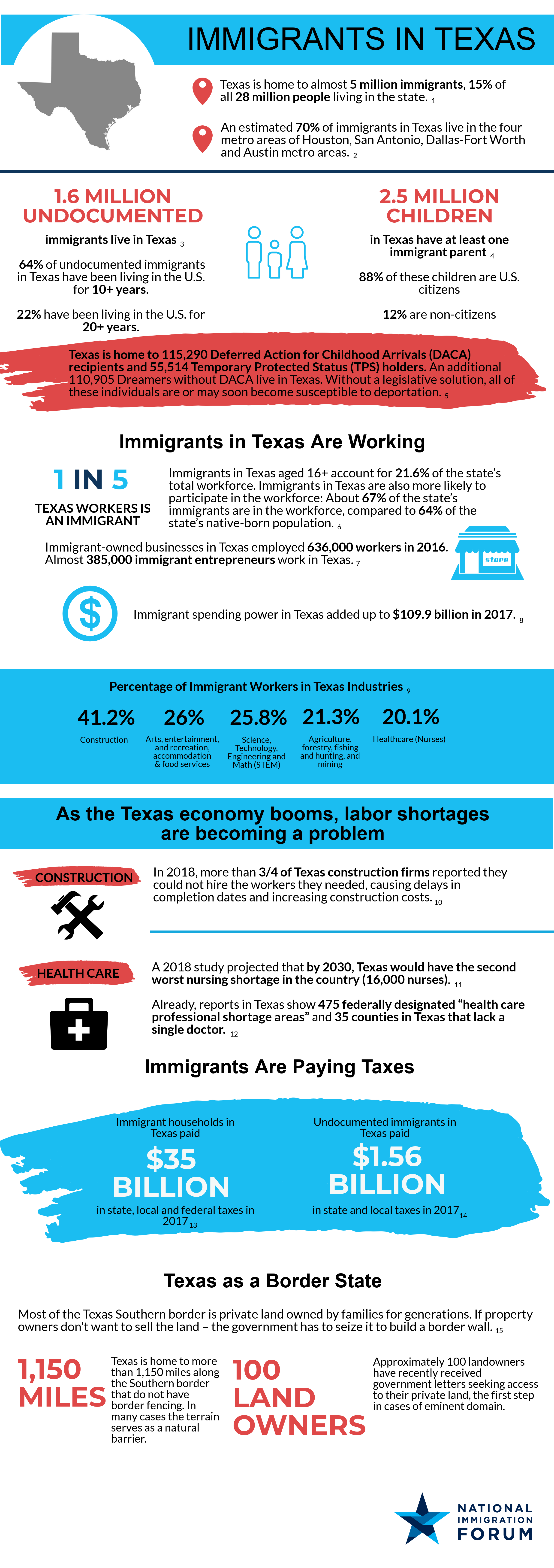
According to various analyses, Texas is home to one of the largest undocumented immigrant populations in the United States, often second only to California. While the exact numbers fluctuate, estimates from organizations like the Pew Research Center have placed the figure in the range of over 1.5 million to nearly 2 million individuals in recent years. These figures represent a significant portion of the state’s total population and a substantial part of the national undocumented population.
The composition of this population is also varied. It includes individuals who have lived in Texas for many years, often with families who are U.S. citizens, as well as more recent arrivals. The reasons for migration are diverse, ranging from economic opportunities and family reunification to seeking refuge from violence or political instability in their home countries.
Understanding the sheer scale of this population is vital when considering issues such as the labor market, the demand for social services, and the impact on local communities. It’s also important to note that this population is not static; it is influenced by federal immigration policies, economic conditions in Mexico and Central America, and opportunities within the United States. For instance, trends in border crossings, visa overstays, and deportations all contribute to the ebb and flow of this demographic. The allure of cities like Houston, with its diverse economy and welcoming atmosphere, or the historical ties to the border region, draw many to Texas.
Socioeconomic Implications and Perceptions
The presence of a significant undocumented immigrant population in Texas has a multifaceted impact on the state’s socioeconomic landscape. It influences the labor market, consumer spending, tax revenues, and the demand for public services. Furthermore, public perception and political discourse play a significant role in how this population is viewed and integrated into society.
Contributions and Challenges
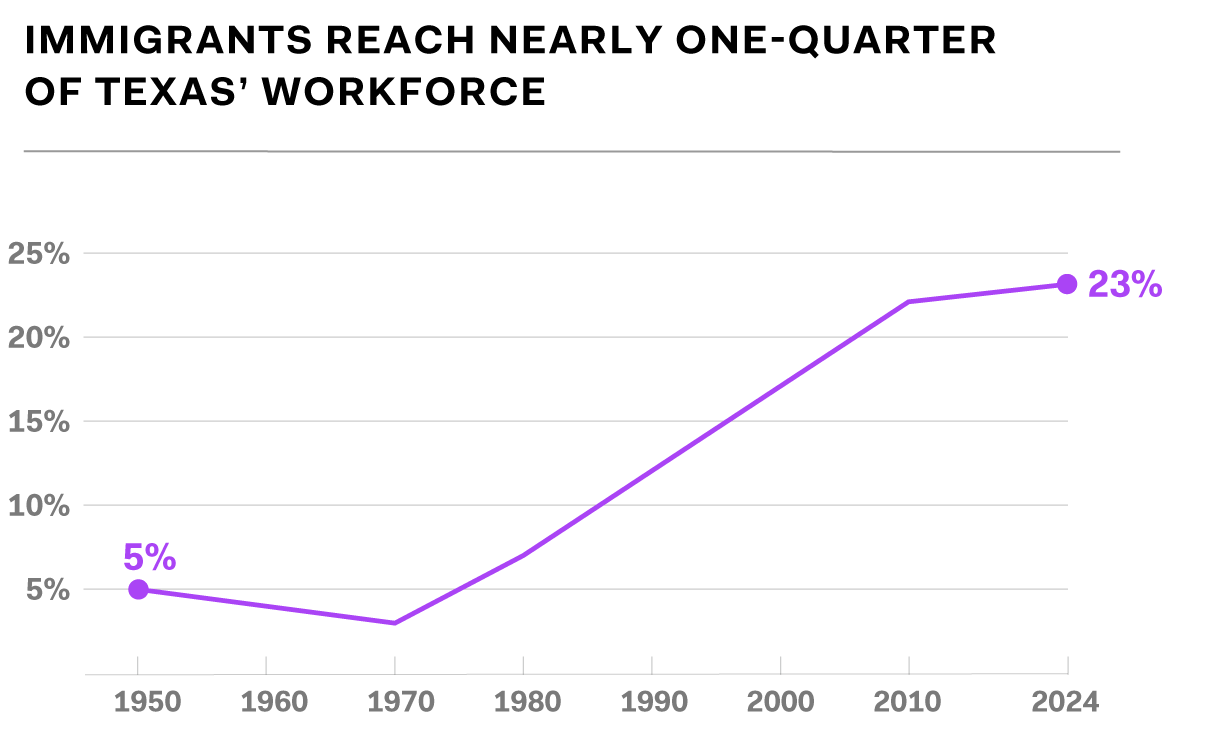
Undocumented immigrants contribute to the Texan economy in various ways. They often fill labor demands in sectors such as agriculture, construction, hospitality, and domestic work, which may otherwise face shortages. They also pay taxes, both directly through sales taxes on goods and services and indirectly through property taxes paid by their landlords. Some also pay income taxes through individual tax identification numbers.
However, challenges exist. The lack of legal status can make undocumented workers vulnerable to exploitation and wage theft. This can depress wages for some low-skilled jobs, affecting both documented and undocumented workers. The strain on public services, such as schools and healthcare, particularly in communities with a high concentration of undocumented immigrants, is also a concern that policymakers grapple with.

Impact on Tourism and Lifestyle
The presence of diverse communities, including those of immigrant backgrounds, often enriches the cultural fabric of Texas. This can manifest in vibrant culinary scenes, diverse cultural festivals, and unique community experiences that can be attractive to tourists. For example, the influence of Mexican culture is deeply embedded in Texan cuisine, from barbecue joints serving Tex-Mex favorites to authentic taquerias. This cultural fusion enhances the appeal of cities like San Antonio, with its rich history and vibrant culture, or the sprawling metropolis of Houston, offering a tapestry of international flavors and experiences.
For visitors exploring Texas, understanding the cultural mosaic can greatly enhance their travel experience. From sampling authentic regional dishes in the Rio Grande Valley to experiencing traditional music and dance in border towns, the contributions of immigrant communities are woven into the state’s identity. Accommodation options in Texas reflect this diversity, with everything from luxury resorts in the Hill Country to charming boutique hotels in historic districts and apartments for longer stays catering to various needs. The lifestyle in Texas is often characterized by a blend of traditional American values and a strong influence from its Hispanic heritage, creating a unique and dynamic environment for residents and visitors alike. Landmarks across the state, from the historic missions in San Antonio to the modern architecture in Dallas, often tell stories that include the contributions and experiences of diverse populations throughout Texas‘s history. This diverse tapestry makes Texas a fascinating destination for those seeking authentic cultural experiences and a deeper understanding of the American South.
LifeOutOfTheBox is a participant in the Amazon Services LLC Associates Program, an affiliate advertising program designed to provide a means for sites to earn advertising fees by advertising and linking to Amazon.com. Amazon, the Amazon logo, AmazonSupply, and the AmazonSupply logo are trademarks of Amazon.com, Inc. or its affiliates. As an Amazon Associate we earn affiliate commissions from qualifying purchases.