
Boston, Massachusetts, often hailed as the “Athens of America” and the “Hub of the Universe,” is far more than just a city rich in history and charm. It is, unequivocally, a global epicenter of higher education, a vibrant tapestry woven from the threads of countless academic institutions. For anyone considering a visit – be it for tourism, a prospective student tour, or even a business stay – understanding the sheer scale and profound impact of these universities is key to truly experiencing the city. So, just how many universities call Boston home?
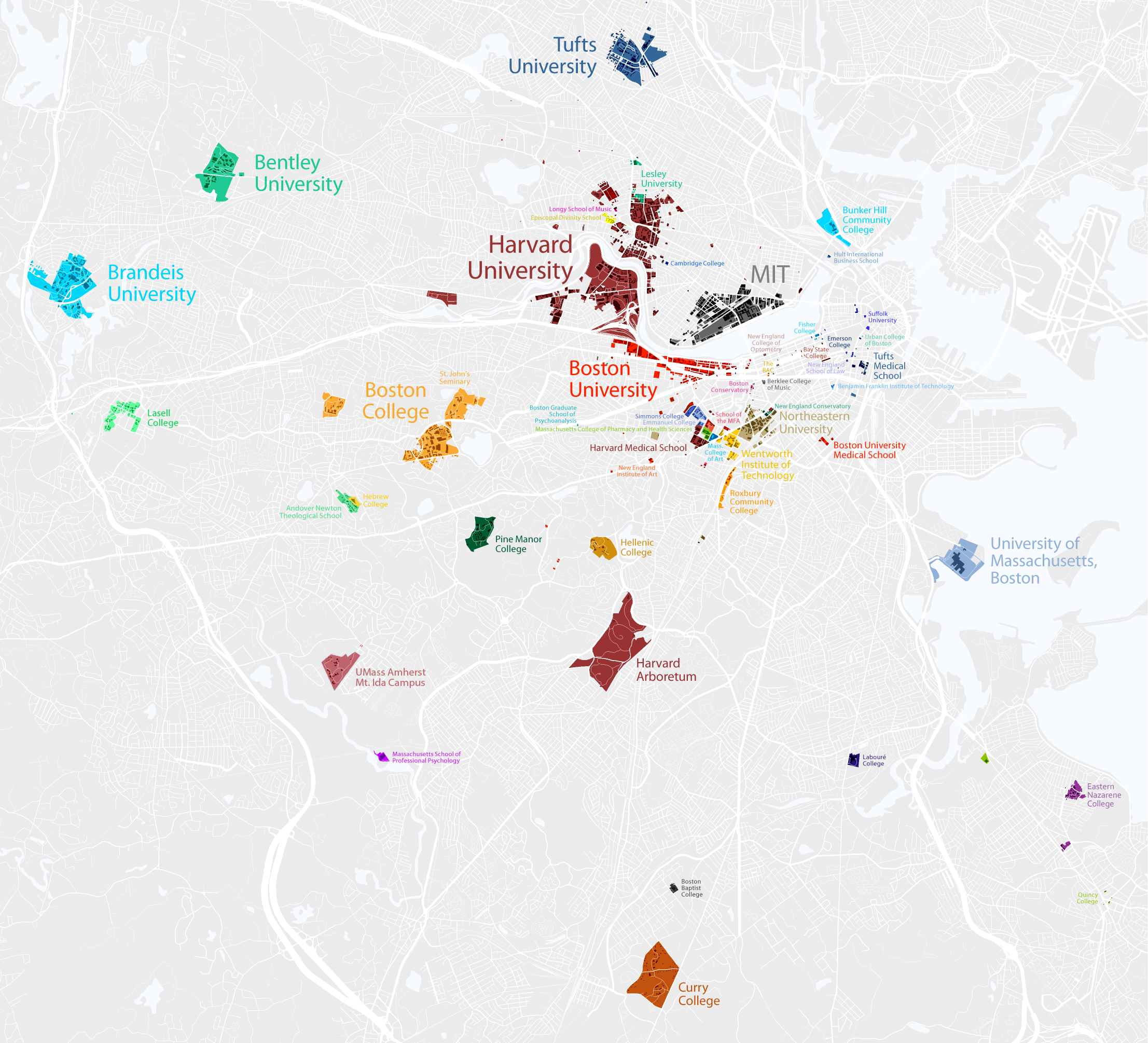
The answer is impressive and speaks volumes about the city’s intellectual heritage: Greater Boston is home to well over 100 colleges and universities, including some of the most prestigious and influential institutions in the world. While the exact count can vary slightly depending on how one defines “university” or the geographical boundaries of “Greater Boston,” the undeniable truth is that this metropolitan area boasts one of the highest concentrations of higher learning institutions anywhere on the planet. This extraordinary density creates a unique atmosphere, making Boston a dynamic hub of innovation, culture, and youthful energy that profoundly shapes every aspect of city life.
Boston: A Global Epicenter of Academia
The story of Boston is inextricably linked to the history of education in America. From the founding of Harvard University in 1636 – the oldest institution of higher education in the United States – the region has cultivated a deep-rooted commitment to learning and intellectual pursuit. This legacy has blossomed over centuries, attracting brilliant minds from across the globe and fostering an environment ripe for groundbreaking research, artistic expression, and entrepreneurial spirit.
The sheer volume of institutions here means incredible diversity in academic offerings. You’ll find everything from world-renowned research universities pushing the boundaries of science and technology to specialized colleges focusing on arts, music, design, and health sciences. This academic ecosystem contributes significantly to Boston’s economy, driving innovation in biotech, software, finance, and medicine. Beyond the economic impact, the presence of millions of students, faculty, and researchers injects a vibrant, youthful energy into the city, influencing its culture, nightlife, and culinary scene.
For travelers, this means an enriched experience. University campuses are often architectural marvels, boasting historic buildings, modern designs, and sprawling green spaces. They frequently house world-class museums, art galleries, and performance venues that are open to the public. Visiting Boston provides a unique opportunity to immerse yourself not just in colonial history, but also in the cutting edge of contemporary thought and culture, all fueled by its incredible academic landscape.
Iconic Institutions: Exploring Boston’s Academic Gems
While the list of institutions in Greater Boston is extensive, a few stand out as global beacons of excellence, drawing visitors and prospective students from every corner of the world. Exploring these campuses offers a fascinating glimpse into the city’s intellectual heart.
Harvard University: A Legacy of Excellence
Located just across the Charles River in Cambridge, Harvard University is arguably the most famous university in the United States and a true global powerhouse. Its historic campus is a destination in itself, characterized by iconic red-brick buildings, grand academic halls, and picturesque courtyards. Visitors can stroll through Harvard Yard, marvel at the architecture, and soak in centuries of academic tradition. The university’s numerous museums, including the Harvard Art Museums and the Harvard Museum of Natural History, are open to the public and offer exceptional collections.
Beyond the campus, Harvard Square buzzes with activity, offering an eclectic mix of bookstores, cafes, boutiques, and restaurants. It’s a perfect spot to grab a coffee, browse unique shops, and people-watch, experiencing the vibrant intersection of academic life and urban charm.
Massachusetts Institute of Technology (MIT): Innovation at its Core
Also situated in Cambridge, a short walk or subway ride from Harvard, is the Massachusetts Institute of Technology (MIT). Renowned worldwide for its contributions to science, engineering, and technology, MIT’s campus offers a striking contrast to Harvard’s traditional aesthetic. Here, you’ll find a blend of modernist and cutting-edge architecture, including buildings designed by architectural giants like I.M. Pei and Frank Gehry.
MIT is a hub of innovation, and its campus often showcases fascinating public art installations and exhibitions related to scientific discovery. Visitors can explore the MIT Museum, which highlights the institute’s revolutionary research and inventions, or simply walk through the impressive hallways, getting a feel for the intellectual energy that permeates the air.
Boston University (BU): Urban Campus, Global Reach
Back on the Boston side of the Charles River is Boston University (BU), one of the largest private universities in the United States with a distinct urban campus. Stretching for over a mile along Commonwealth Avenue, BU is seamlessly integrated into the fabric of the city. Its diverse student body and comprehensive academic programs contribute significantly to Boston’s dynamic atmosphere.
Visitors can explore the various schools and colleges, enjoy performances at the Joan & Edgar Booth Theatre, or take a scenic walk along the Esplanade adjacent to the campus, offering beautiful views of the Charles River and the Cambridge skyline. Its central location means easy access to other Boston attractions, making it a convenient stop on any city tour.
Northeastern University: Experiential Learning in the Heart of the City
Northeastern University, located in Boston’s Fenway-Kenmore area, has seen remarkable growth and transformation, becoming a leading institution for experiential learning. Known for its renowned co-op program, which integrates professional work experience with academic study, Northeastern boasts a modern and beautifully landscaped campus.
The university’s vibrant student body adds to the lively atmosphere of the surrounding neighborhoods, which are also home to cultural institutions like the Museum of Fine Arts and the Isabella Stewart Gardner Museum. Exploring Northeastern’s campus reveals innovative architecture, green spaces, and a palpable sense of forward-thinking energy.
Boston College (BC): Collegiate Gothic Grandeur
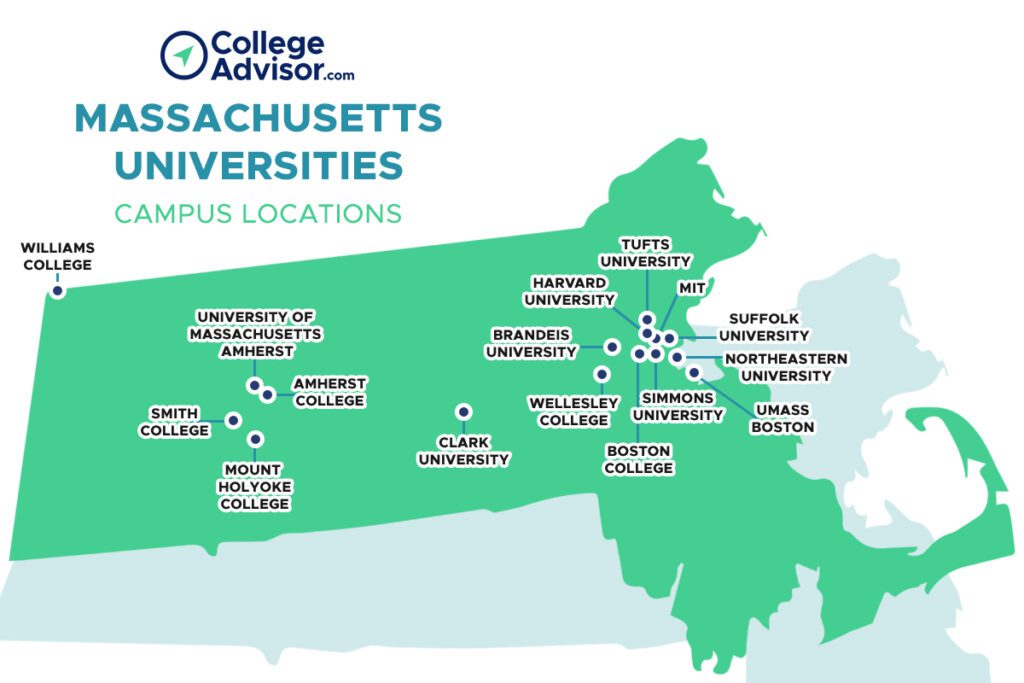
While technically located in Chestnut Hill (a short drive or subway ride from downtown Boston), Boston College (BC) is an integral part of the Greater Boston academic landscape. Its stunning campus, perched atop a hill, is celebrated for its Collegiate Gothic architecture, reminiscent of European cathedrals. The iconic Gasson Hall and its sprawling green quadrangles offer breathtaking views, especially during the fall foliage season.
BC is known for its strong liberal arts tradition, Jesuit values, and competitive athletics. A visit to Boston College offers a different, more traditional collegiate experience compared to the urban campuses, with a strong sense of community and history.
Other Notable Institutions
Beyond these giants, Boston teems with other exceptional universities and colleges, each contributing to the city’s intellectual richness. These include:
- Tufts University (in Medford and Somerville), known for its international relations and medical schools.
- Brandeis University (in Waltham), a private research university with a strong liberal arts focus.
- Emerson College, located right in the heart of downtown Boston Common, specializing in communication and the arts.
- Berklee College of Music, a global leader in contemporary music education, whose students often perform throughout the city.
- Suffolk University, offering a prominent law school and business programs, nestled near the Massachusetts State House.
- Simmons University and Wentworth Institute of Technology, part of the Longwood Medical and Academic Area, focusing on women’s education and applied sciences, respectively.
- Babson College (in Wellesley), famous for its entrepreneurship program.
The list goes on, including specialized schools for medicine, law, culinary arts, and more. Each institution has its own unique character, contributing to the vibrant mosaic that is Boston’s academic landscape.
Planning Your Academic Adventure: Travel, Accommodation, and Lifestyle
Visiting Boston to explore its universities, whether as a prospective student, a parent, or a curious traveler, requires thoughtful planning. The city’s excellent infrastructure and diverse range of amenities cater to every need.
Navigating the Hub: Getting Around Boston
Boston is a remarkably walkable city, especially its historic core and many university neighborhoods. For longer distances, the Massachusetts Bay Transportation Authority (MBTA), affectionately known as “the T,” provides comprehensive subway and bus services that connect virtually all major campuses and attractions. The Red Line, for instance, links downtown Boston with MIT and Harvard in Cambridge, while the Green Line serves Boston University, Northeastern University, and extends out towards Boston College. Ride-sharing services and taxis are also readily available, and for those who enjoy cycling, bike-sharing programs are popular.
Where to Stay: Hotels and Accommodation for Every Visitor
Given the constant flow of students, faculty, and visitors, Boston offers an extensive array of accommodation options. When planning your trip, consider the proximity to the campuses you wish to visit and your preferred travel style.
- Luxury Stays: For an opulent experience, downtown Boston and the Back Bay area boast world-class hotels. The Four Seasons Hotel Boston, offering stunning views of the Public Garden, or The Ritz-Carlton, Boston provide unparalleled service and amenities. The Mandarin Oriental, Boston in Back Bay offers direct access to high-end shopping on Newbury Street.
- Boutique Hotels: For those seeking unique charm and personalized service, boutique hotels like the Kimpton Nine Zero Hotel near Boston Common or The Lenox Hotel in Back Bay are excellent choices.
- Mid-Range & Budget-Friendly: Numerous reputable chains and independent hotels offer comfortable stays at various price points. Areas around the Fenway-Kenmore neighborhood are convenient for Northeastern University and Boston University, while Cambridge has options like the Hyatt Regency Cambridge which provides scenic Charles River views and easy access to Harvard and MIT.
- Apartment & Long-Term Stays: For longer visits, especially for families accompanying students or academics on sabbatical, serviced apartments and short-term rental platforms offer a “home away from home” experience with more space and amenities like kitchens.
Booking in advance is always recommended, especially during peak seasons like university move-in/move-out periods, commencement, or major sporting events.
Beyond Campus Gates: Experiencing Boston’s Culture and Landmarks
A university visit can seamlessly blend into a broader exploration of Boston’s incredible tourist attractions. Many campuses are within walking distance or a short MBTA ride from historic sites like the Freedom Trail, Faneuil Hall Marketplace, and the North End (for authentic Italian cuisine).
- Cultural Immersion: Leverage your campus visits to explore nearby museums. The Museum of Fine Arts and the Isabella Stewart Gardner Museum are near Northeastern. The Museum of Science, located on the Charles River between Boston and Cambridge, offers engaging exhibits for all ages.
- Dining and Nightlife: University neighborhoods are hotbeds for diverse and affordable dining options, from casual eateries to trendy cafes catering to student tastes. Harvard Square and Kenmore Square are particularly vibrant. For more upscale dining or nightlife, Back Bay, the Seaport District, and the Theater District offer endless choices.
- Sports & Entertainment: Boston is a city of passionate sports fans. Catch a Boston Red Sox game at iconic Fenway Park, or explore the local music scene. University campuses themselves often host public lectures, concerts, and theatrical productions.
The Unseen Impact: Boston’s Academic Ecosystem
The sheer concentration of universities in Boston creates an unparalleled academic ecosystem that extends far beyond the classroom. This ecosystem is a powerful engine for progress and cultural enrichment.
- Economic Contributions: The universities themselves are major employers, and their research activities attract billions in funding, leading to breakthroughs in medicine, technology, and engineering. This research often spins off into new companies, making Boston a global leader in venture capital and startup culture, particularly in biotech and AI.
- Cultural Vibrancy: Students and faculty from over 150 countries bring a rich diversity of perspectives and traditions to Boston. This multiculturalism is reflected in the city’s food scene, festivals, and community events. The intellectual discourse fostered by these institutions elevates the public conversation and encourages critical thinking.
- Community Engagement: Many universities are deeply involved in their local communities, offering public service programs, educational outreach, and partnerships that benefit local residents. They contribute to the arts and culture scene, provide medical care, and engage in urban development, all of which enhance the quality of life for everyone in Boston.
Conclusion: Boston, A City Defined by Learning
So, how many universities are in Boston? Far more than just a number, they represent the very soul of this historic and forward-looking city. With well over 100 institutions, Boston offers an academic landscape that is unmatched in its density, diversity, and global impact.
Whether you’re visiting for an admissions tour, a scientific conference, or simply to soak in the vibrant atmosphere, Boston’s universities are an integral part of its charm. They provide not only educational opportunities but also a wealth of cultural experiences, architectural wonders, and a dynamic urban environment. From the hallowed halls of Harvard to the innovative labs of MIT, and the bustling urban campuses of Boston University and Northeastern, each institution contributes a unique thread to the rich tapestry of the Hub. Plan your visit to Boston, and prepare to be inspired by a city truly defined by its unwavering commitment to learning and progress.