
When most people envision the diverse landscapes of California, images of sun-drenched beaches, towering redwood forests, and the iconic Hollywood Hills often come to mind. Earthquakes are a well-known geological reality, frequently reminding residents and visitors of the state’s dynamic crust. However, a lesser-known, yet equally dramatic, facet of California’s natural identity lies in its vibrant volcanic landscape. Contrary to popular belief, the Golden State is not only home to numerous volcanoes but boasts several active and potentially active systems that have shaped its topography, influenced its ecosystems, and continue to offer breathtaking, albeit sometimes foreboding, spectacles for travelers and geologists alike.
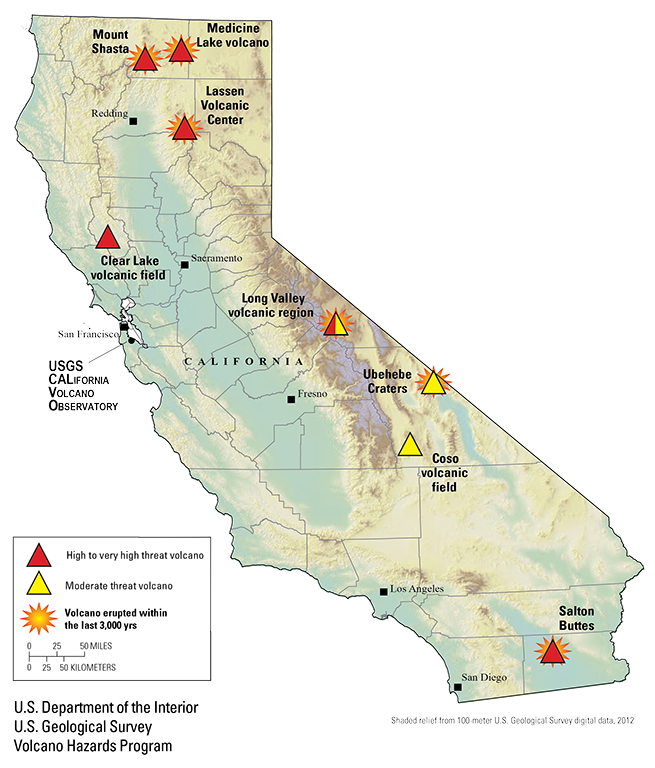
The sheer number might surprise you. While there isn’t one definitive, universally agreed-upon count due to varying definitions of what constitutes an individual volcano versus a volcanic field, experts generally identify at least 20 significant volcanic areas within California. These range from majestic stratovolcanoes like Mount Shasta to vast calderas such as the Long Valley Caldera and numerous smaller cinder cones and lava flows scattered across the landscape. This makes California a fascinating destination for anyone with an interest in geology, natural history, or simply seeking unique travel experiences far beyond the typical tourist trails.
Unveiling California’s Fiery Past and Present
California’s position along the infamous Ring of Fire — a horseshoe-shaped belt of volcanoes and seismic activity that encircles the Pacific Ocean — is the primary reason for its volcanic abundance. This tectonic activity, where oceanic plates are subducted beneath continental plates, creates the magma necessary for volcanic eruptions. While the state’s earthquakes typically grab headlines, the slow, powerful forces building beneath the surface hint at a fiery geological history that continues to evolve.
More Than Just Earthquakes: A Volcanic Hotbed
The concept of a “volcano” can be misleading. Many people picture a classic cone-shaped mountain erupting dramatically, like something out of a disaster movie. While California has a few of these, many of its volcanic features are more subtle: vast plains of lava flows, dormant cinder cones, or even seemingly placid lakes that conceal enormous collapsed calderas. Geologists classify them into different categories:
- Active Volcanoes: Those that have erupted in historical times or show signs of ongoing seismic activity and gas emissions.
- Dormant Volcanoes: Those that haven’t erupted for a long time but could erupt again.
- Extinct Volcanoes: Those that are considered unlikely to erupt ever again.
California is home to a mix, with several prominent systems categorized as “active” or “potentially active” by the U.S. Geological Survey, requiring continuous monitoring. This dynamic geological environment adds an exciting, albeit humbling, dimension to traveling through these parts of the state.
The Major Players: California’s Prominent Volcanic Regions
Let’s delve into some of the most significant and accessible volcanic areas in California, offering incredible opportunities for travel and exploration.
-
Mount Shasta and the Shasta-Trinity National Forest: Dominating the landscape of Northern California, Mount Shasta is a majestic stratovolcano, an iconic landmark that rises dramatically to over 14,000 feet. It’s not just a mountain; it’s a spiritual beacon for many, drawing hikers, climbers, and mystics from around the globe. While its last major eruption was roughly 200 years ago, it is considered active due to its fumaroles (steam vents) and seismic activity. The surrounding Shasta-Trinity National Forest offers a wealth of activities, from camping and fishing in pristine lakes and rivers to exploring waterfalls and lava beds. Accommodation ranges from rustic cabins and campsites to charming bed and breakfasts in nearby towns like McCloud and Mount Shasta City, providing a comfortable base for exploring this awe-inspiring volcanic wonderland.
-
Lassen Volcanic National Park: This park is a jewel, often overshadowed by its more famous National Park counterparts but no less spectacular. Centered around Lassen Peak, the southernmost active volcano in the Cascades Range, the park is a living laboratory of volcanic activity. Lassen Peak’s last major eruption series occurred from 1914 to 1921, making it one of the most recent significant eruptions in the contiguous United States before Mount St. Helens in Washington State. Visitors can witness bubbling mudpots, hissing fumaroles, and boiling springs at sites like Bumpass Hell (currently undergoing renovation for reopening) and Sulphur Works. The park offers extensive hiking trails, picturesque lakes, and opportunities for stargazing. For overnight stays, the park has campgrounds, and nearby towns such as Mineral and Chester provide hotel and motel options.
-
Long Valley Caldera and Mammoth Lakes: Located east of the Sierra Nevada mountain range, the Long Valley Caldera is one of the largest supervolcanoes in the world, formed by a colossal eruption approximately 760,000 years ago. While it doesn’t look like a typical volcano – it’s a vast oval-shaped depression, 20 miles long and 11 miles wide – it is very much active. Ongoing seismic activity, ground deformation, and geothermal features like hot springs are constant reminders of the magma chamber beneath. The caldera is a gateway to the popular resort town of Mammoth Lakes, famous for its world-class skiing in winter and exceptional hiking, fishing, and mountain biking in summer. Accommodation here is abundant, ranging from luxury resorts and condo rentals to budget-friendly motels, catering to all types of travelers seeking adventure in this geologically vibrant area.
-
Mono-Inyo Craters: A chain of over 30 volcanic vents, domes, and craters stretching from south of Mono Lake to just north of Mammoth Mountain, the Mono-Inyo Craters are some of the youngest volcanoes in North America, with eruptions occurring as recently as 600 years ago. These dramatic landscapes are easily accessible from scenic drives like the June Lake Loop and offer fantastic opportunities for hiking to crater rims, exploring obsidian flows, and enjoying the unique tufa towers of Mono Lake. Nearby towns like Lee Vining and Bishop provide various lodging options, from cozy inns to standard hotel chains.
-
Salton Buttes: Located at the southern end of the Salton Sea in Southern California, the Salton Buttes are a group of five small lava domes, the youngest of which erupted about 300 years ago. While less dramatic in scale than Shasta or Lassen, they represent a unique volcanic field in a desert environment, showcasing ongoing geothermal activity with mud pots and steam vents. This area offers a different kind of adventure, combining the stark beauty of the desert with geological curiosity, and is often explored by those interested in the unique ecosystem of the Salton Sea itself. Accommodation is sparse directly in the area, but towns like Brawley or further afield cities offer a broader range of choices.

Experiencing California’s Volcanic Wonders: Travel and Tourism
Exploring California’s volcanoes is an experience that caters to a wide array of interests, blending adventure with education and stunning natural beauty. These regions are not just geological marvels; they are vibrant tourist destinations offering diverse activities and accommodation options.
Adventure Awaits: Activities Around Volcanic Sites
The volcanic landscapes of California are playgrounds for outdoor enthusiasts.
- Hiking and Backpacking: From strenuous treks up Lassen Peak or Mount Shasta to leisurely strolls around the craters of the Mono-Inyo Craters, there are trails for every fitness level. These paths often lead to panoramic views, geothermal features, and unique ecological zones.
- Hot Springs: A direct benefit of volcanic activity is the abundance of natural hot springs. The Long Valley Caldera and Mammoth Lakes area, in particular, is dotted with undeveloped and developed hot springs, offering a relaxing soak amidst stunning scenery – a perfect way to unwind after a day of exploration.
- Winter Sports: Mammoth Lakes is renowned for its excellent skiing and snowboarding at Mammoth Mountain, while the slopes of Mount Shasta also offer backcountry skiing opportunities.
- Photography and Stargazing: The dramatic landscapes, unique geothermal features, and clear night skies away from urban light pollution make these areas ideal for photography and astronomy enthusiasts. Imagine capturing the Milky Way over a volcanic dome or the steam rising from a fumarole at sunrise.
- Educational Tours: Many parks and local organizations offer guided tours and interpretive programs that delve into the geology, history, and ecology of these volcanic regions, enriching the travel experience.
Where to Stay: Accommodation Options for Every Traveler
The presence of significant volcanic activity often coincides with areas of outstanding natural beauty, making them popular tourist destinations with a range of accommodation choices:
- Luxury Resorts: In areas like Mammoth Lakes, you’ll find upscale resorts with all the amenities, including spas, gourmet dining, and ski-in/ski-out access, perfect for those seeking a luxurious travel experience.
- Boutique Hotels and Inns: Charming towns surrounding these volcanic sites, such as Mount Shasta City, Lee Vining, or Chester, offer cozy boutique hotels and bed and breakfasts that provide a local feel and personalized service.
- Vacation Rentals: Apartments, villas, and cabins are popular choices for families or groups, offering flexibility and often stunning views. Platforms for booking these accommodations are widely available, allowing for easy comparison and review reading.
- Camping and Glamping: For those who want to immerse themselves fully in nature, camping is available within Lassen Volcanic National Park, Shasta-Trinity National Forest, and surrounding National Forests. Glamping options are also emerging, providing a comfortable outdoor experience with amenities.
- Budget-Friendly Options: Motels and economy hotels are available in larger nearby towns like Redding (for Lassen) or Bishop (for Long Valley and Mono-Inyo), offering practical solutions for budget travel.
When planning your trip, consider booking in advance, especially during peak seasons (summer for hiking, winter for skiing), to secure the best rates and availability. Reading reviews is crucial to ensure the accommodation meets your expectations.
Beyond the Caldera: The Lifestyle and Cultural Impact
The constant presence of geological activity profoundly shapes not only the landscape but also the lifestyle and culture of the communities nestled within these regions. Living atop active geological zones fosters a unique blend of awe, respect, and preparedness.
Local Culture and Cuisine
The volcanic soils, rich in minerals, often contribute to unique agricultural practices and local cuisine. While not as famous for wine as Napa Valley (whose geology is also complex but less directly volcanic), areas near volcanic fields often have distinct microclimates and soil compositions that influence local produce. For example, the high desert environment around the Long Valley Caldera yields specific types of foraging opportunities and agricultural niches. Local eateries in towns like Mammoth Lakes or Mount Shasta City often emphasize fresh, locally sourced ingredients, offering a taste of the region’s unique natural bounty. Furthermore, the vibrant outdoor lifestyle in these areas influences dining preferences, with many establishments catering to active individuals with hearty meals and craft beverages.

Safety and Preparedness: Living with Active Geology
For residents and visitors, understanding the dynamic nature of California’s geology is key. The U.S. Geological Survey actively monitors these volcanic systems, employing sophisticated sensors to detect seismic activity, ground deformation, and gas emissions. While the thought of an active volcano might seem daunting, eruptions are typically preceded by clear warning signs, allowing authorities to issue alerts and take necessary precautions.
- For travelers, it’s important to:
- Stay informed: Check park websites and local news for any advisories before and during your visit.
- Respect warning signs: Adhere to all posted warnings, stay on marked trails, and avoid restricted areas, especially around hydrothermal features where ground can be unstable and water dangerously hot.
- Be prepared: Carry adequate water, wear appropriate footwear, and be aware of weather conditions, which can change rapidly in mountainous volcanic regions.
Embracing the volcanic landscape means appreciating its raw power and beauty while respecting its inherent risks. It’s a reminder of the Earth’s continuous evolution and the incredible forces that shape our planet.
In conclusion, California is a land of fascinating contrasts, and its hidden volcanic heart is one of its most compelling features. Far from being a barren, quiescent state, it actively pulsates with the geological energy of the Ring of Fire. From the spiritual grandeur of Mount Shasta to the bubbling mudpots of Lassen Volcanic National Park and the vast, active expanse of the Long Valley Caldera, the state offers unparalleled opportunities for adventure, discovery, and a deeper connection with the powerful forces of nature. Whether you’re a seasoned geologist, an avid hiker, or simply a curious traveler looking for an extraordinary experience, exploring California’s volcanoes promises a journey filled with awe and wonder, reminding us that even in the most familiar destinations, profound secrets often lie just beneath the surface.
LifeOutOfTheBox is a participant in the Amazon Services LLC Associates Program, an affiliate advertising program designed to provide a means for sites to earn advertising fees by advertising and linking to Amazon.com. Amazon, the Amazon logo, AmazonSupply, and the AmazonSupply logo are trademarks of Amazon.com, Inc. or its affiliates. As an Amazon Associate we earn affiliate commissions from qualifying purchases.