
The Hawaiian Islands, a mesmerizing archipelago born from the fiery depths of the Pacific Ocean, are synonymous with volcanic activity. For many, the allure of Hawaii lies in its dramatic landscapes, shaped and sculpted by powerful geological forces. The question that often arises for those planning a visit or simply fascinated by this unique destination is: precisely how many volcanoes grace the islands? The answer, however, is not as simple as a single number. It’s a story of formation, dormancy, and continuous geological evolution, painting a vivid picture of a living, breathing landscape.
The primary driver behind the creation of Hawaii is the Hawaiian hotspot, a persistent plume of molten rock rising from deep within the Earth’s mantle. As the Pacific tectonic plate drifts slowly northwestward over this stationary hotspot, volcanic activity occurs, building up new landmasses that eventually emerge as islands. This process has been ongoing for millions of years, resulting in a chain of islands that progressively get older as you move from southeast to northwest. The active volcanoes are concentrated on the southeastern end of the chain, primarily on the island of Hawaii, often referred to as the “Big Island.”
While the Hawaiian Islands are renowned for their volcanoes, it’s crucial to distinguish between active, dormant, and extinct volcanoes. Active volcanoes are those that have erupted in recorded history and are expected to erupt again. Dormant volcanoes are those that have not erupted recently but are still considered capable of future eruptions. Extinct volcanoes are those that scientists believe are unlikely to erupt again. Understanding these distinctions is key to appreciating the dynamic nature of the Hawaiian archipelago.
The Majestic Active Volcanoes of the Big Island
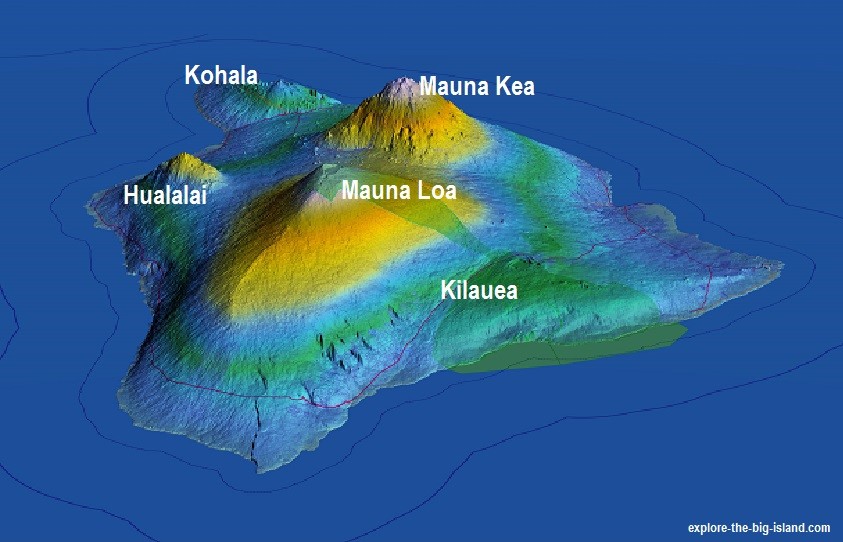
When people speak of Hawaii’s volcanoes, they are most often referring to the colossal geological giants that dominate the island of Hawaii, the youngest and most volcanically active island in the chain. This island is home to five distinct volcanoes, each with its own unique history and character.
Kilauea: The Ever-Erupting Wonder
Undoubtedly the most famous and arguably the most active volcano in the world is Kilauea. This shield volcano is a perpetual source of fascination, captivating visitors with its nearly constant eruptions. For decades, Kilauea has been a prime example of effusive volcanism, with lava flows often steadily advancing, creating mesmerizing spectacles of molten rock meeting the sea. Its most recent significant eruption began in 2020 and has seen periods of activity within its summit caldera.
The Kilauea caldera itself is a vast, collapsed depression that has been the site of numerous eruptions. Within it, the Halema’uma’u crater has been a focal point of activity, often glowing with incandescent lava. Visitors to Hawaii Volcanoes National Park can witness the raw power of Kilauea, observing steam vents, sulfur banks, and sometimes even active lava flows from safe viewing areas. The park offers a profound educational experience, showcasing the geological forces that continue to shape the island. Experiencing the steam rising from the earth, the pungent smell of sulfur, and the vibrant colors of mineral deposits is an unforgettable adventure, deeply connecting you to the primal forces of nature. The park’s visitor center provides invaluable information about the volcano’s history and current activity, making it an essential stop for any visitor.
Mauna Loa: The Gentle Giant
Standing adjacent to Kilauea is Mauna Loa, a massive shield volcano that is the largest volcano on Earth by volume and area. While Mauna Loa erupts less frequently than Kilauea, its eruptions can be much more voluminous and extensive. Its sheer scale is awe-inspiring, covering more than half of the island of Hawaii. The last confirmed eruption of Mauna Loa occurred in November-December 2022, after a 38-year quiet period, demonstrating its capacity for significant geological events.
The slopes of Mauna Loa are characterized by gentle gradients, a common feature of shield volcanoes formed by effusive eruptions of fluid basaltic lava. Hiking on Mauna Loa offers a different perspective on volcanic landscapes, with vast lava fields stretching as far as the eye can see, interspersed with hardy vegetation. The summit of Mauna Loa, at 13,679 feet (4,169 meters), is an impressive vantage point, and the Mauna Loa Observatory situated on its slopes is a crucial facility for monitoring atmospheric conditions and climate change. The observatory’s presence underscores the scientific importance of this immense geological formation.
Mauna Kea: The Sacred Summit
To the north of Mauna Loa lies Mauna Kea, the tallest mountain in the world when measured from its base on the ocean floor. While Mauna Kea is considered dormant, its summit is a place of immense cultural and scientific significance. At its peak, nearly 13,803 feet (4,207 meters) above sea level, an array of world-class astronomical observatories stands testament to its clear skies and high altitude, making it an ideal location for stargazing.
Culturally, Mauna Kea is a sacred mountain for Native Hawaiians, considered the home of the sky god Wākea and a place of spiritual importance. Visitors are encouraged to be respectful of its cultural heritage. The summit is accessible by a paved road, offering breathtaking views of the surrounding islands and the Pacific Ocean. The contrast between the stark volcanic landscape and the advanced technology of the observatories is striking. The summit also offers a unique experience of being above the cloud layer, creating a surreal and often serene environment. The journey to the summit is a memorable one, with the landscape changing dramatically as you ascend.
Hualalai and Kohala: The Older Sisters

Completing the volcanic quintet of the island of Hawaii are Hualalai and Kohala. Hualalai, located on the western side of the island, is considered dormant but has erupted in historical times, with the last eruption occurring around 1801. Its flanks are characterized by numerous cinder cones and lava flows, some of which have impacted coastal areas and settlements. Despite its dormant status, Hualalai is closely monitored due to its proximity to populated areas.
Kohala is the oldest of the five volcanoes on the island of Hawaii and is considered extinct. Its slopes are heavily eroded and covered by lush vegetation, a stark contrast to the younger, more barren volcanoes. The dramatic cliffs and valleys of the Kohala coast showcase the effects of erosion over millions of years, demonstrating the long geological history of the Hawaiian chain. While not an active volcanic threat, Kohala provides a glimpse into the island’s ancient past and the forces of weathering and erosion that have shaped it. The dramatic Waipio Valley and Pololu Valley on the Kohala coast are testaments to the erosional power acting on these ancient volcanic structures.
Volcanoes Beyond the Big Island
While the island of Hawaii boasts the most prominent and active volcanoes, it’s important to remember that the entire Hawaiian archipelago is a product of volcanic activity. Each island in the chain has its own volcanic origins.
Maui: The Ancient Giant
The island of Maui is dominated by two major volcanoes: Haleakala and Mauna Kahalawai. Haleakala, meaning “house of the sun,” is a massive shield volcano that forms the eastern two-thirds of Maui. Its summit caldera is one of the largest in the world and offers stunning views, especially at sunrise and sunset. Haleakala is considered dormant, with its last eruption occurring sometime between the 17th and 19th centuries. The stark, otherworldly landscape within the Haleakala crater is a popular destination for hikers and visitors seeking a unique natural experience. The drive to the summit is an adventure in itself, with switchbacks revealing increasingly dramatic vistas. The silence at the summit, broken only by the wind, can be profound.
Mauna Kahalawai, also known as the West Maui Mountains, is an older, heavily eroded volcanic complex that forms the western part of Maui. It is considered extinct, with its volcanic activity dating back millions of years. The lush rainforests and deep valleys of the West Maui Mountains are a result of extensive erosion and abundant rainfall, creating a rich ecosystem.
Oahu: A Volcanic Foundation
The island of Oahu, home to Honolulu and the famous Waikiki Beach, is also volcanic in origin. The island is formed from two distinct shield volcanoes: Waianae and Koolau. Both are considered extinct, with their volcanic activity ceasing millions of years ago. The remnants of these ancient volcanoes are visible in the rugged mountain ranges that traverse the island, such as the Koʻolau Range, which features dramatic cliffs and verdant valleys. Diamond Head, a tuff cone, is a well-known geological landmark on Oahu, a remnant of past volcanic activity that offers panoramic views of the coastline. The erosion of these ancient volcanic structures has created the picturesque landscapes that attract millions of visitors each year.
Kauai: The Garden Isle’s Ancient Peaks
Even the northernmost main island, Kauai, known as the “Garden Isle” for its lush greenery, owes its existence to ancient volcanic activity. Kauai is formed from a single, heavily eroded shield volcano that is now extinct. Millions of years of weathering and erosion have transformed its volcanic origins into the dramatic cliffs of the Na Pali Coast and the vast Waimea Canyon, often referred to as the “Grand Canyon of the Pacific.” These natural wonders are a testament to the enduring power of nature to sculpt even the most formidable geological formations.
Molokai and Lanai: The Elder Statesmen
The islands of Molokai and Lanai are also volcanic in origin, formed by extinct shield volcanoes. They are older than the islands to their southeast and have been significantly shaped by erosion. Molokai features the highest sea cliffs in the world, a dramatic testament to its ancient volcanic past and the erosive forces of the ocean. Lanai, while smaller and drier, also showcases the subtle beauty of ancient volcanic landscapes.
Counting the Volcanoes: A Dynamic Figure
So, how many volcanoes are on Hawaii? The answer is not a simple count of distinct peaks. If we consider all the volcanoes that have formed the Hawaiian Islands, including those that are extinct and submerged, the number would be in the hundreds, if not thousands, over millions of years of activity along the Hawaiian hotspot.
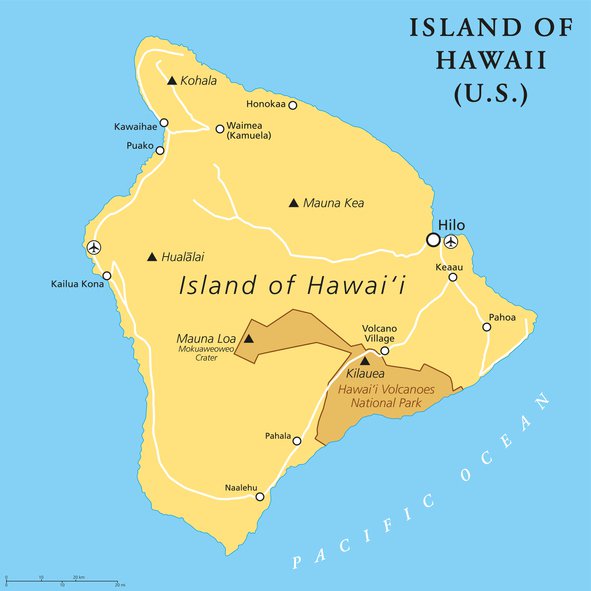
However, when most people inquire about the volcanoes of Hawaii, they are likely referring to the prominent volcanic structures that define the islands today. In this context, the island of Hawaii is home to five main volcanoes: Kilauea, Mauna Loa, Mauna Kea, Hualalai, and Kohala. Maui has two significant volcanic masses, Haleakala and the West Maui Mountains. Oahu, Kauai, Molokai, and Lanai are each formed from one or two ancient, extinct volcanic systems.
The dynamic nature of Hawaii’s geology means that the number of “active” volcanoes can change over geological time. While Kilauea and Mauna Loa are currently the most active, other dormant volcanoes could awaken. Conversely, the geological processes that form these islands are ongoing, with new volcanic activity continuing to shape the seafloor in the region. For travelers and nature enthusiasts, understanding this volcanic heritage provides a deeper appreciation for the unique beauty and powerful natural forces that make Hawaii an extraordinary destination. Whether you’re marveling at the fiery spectacle of an eruption or hiking across ancient lava fields, the volcanic heart of Hawaii offers an unforgettable journey into the Earth’s fiery soul.